
What is the best way to remove bad odors from a kitchen sink? The most effective ways involve using simple household ingredients like baking soda and vinegar, or employing specific drain cleaning solutions and garbage disposal odor control methods.
A smelly kitchen sink is more than just unpleasant; it’s a sign that something is going on down below. Bacteria, food particles, and grease can build up, leading to those unwelcome aromas. But don’t worry! Eliminating kitchen sink smells is usually a straightforward process. This guide will walk you through quick fixes and more in-depth cleaning methods to get your sink smelling fresh again. We’ll cover everything from natural sink odor removal techniques to handling a clogged sink and smell, and keeping your garbage disposal in check.
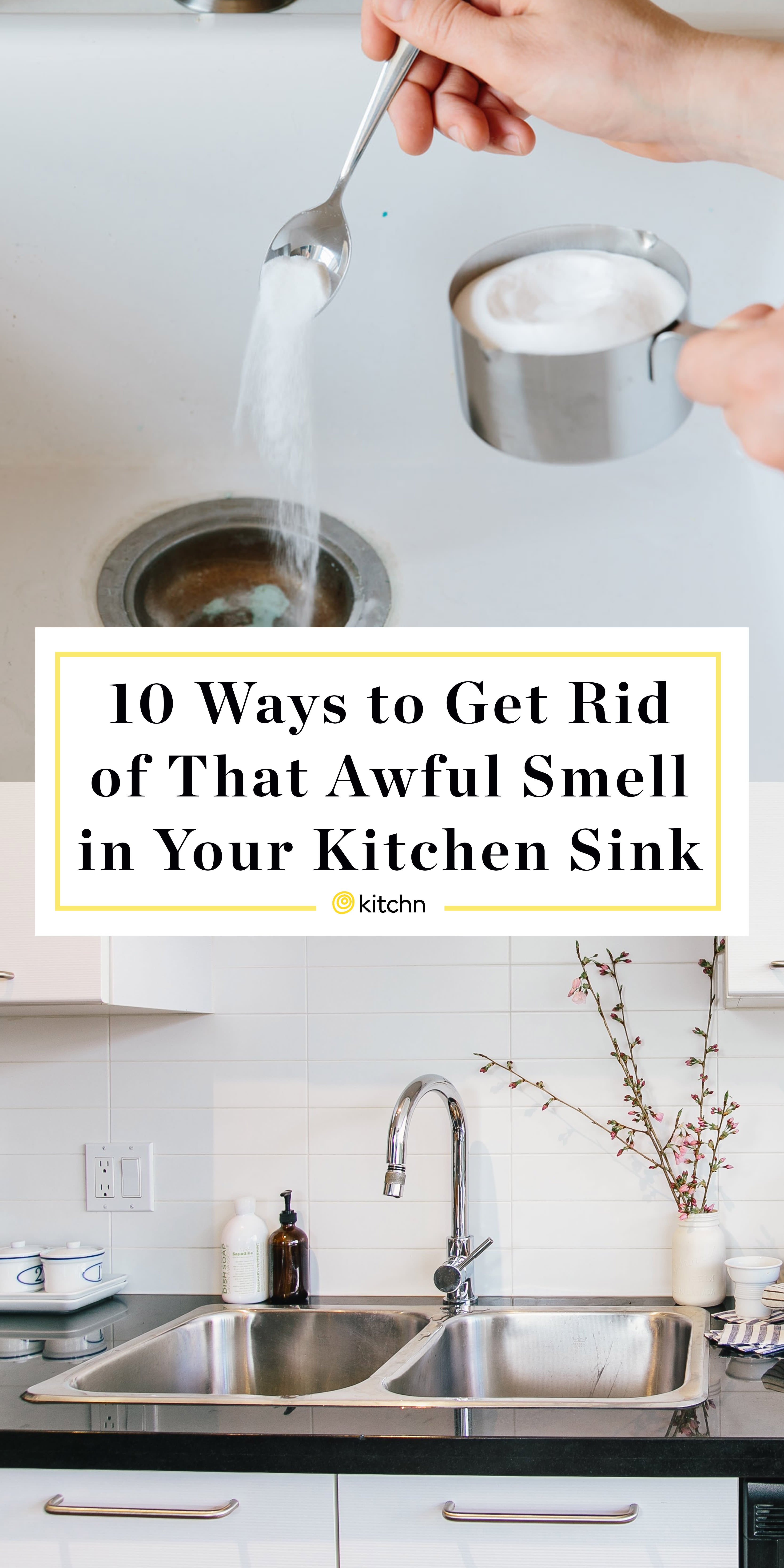
Image Source: cdn.apartmenttherapy.info
Why Does My Kitchen Sink Smell?
Before we dive into the solutions, it’s helpful to know why these odors happen. The most common culprits are:
- Food Debris Buildup: Tiny food scraps, grease, and bits of food get stuck in the drain pipes and the garbage disposal. Over time, this organic matter decomposes, producing foul smells.
- Grease and Fat Accumulation: When you pour grease, oil, or fats down the drain, they can solidify and coat the inside of your pipes. This sticky layer traps food particles, creating a breeding ground for bacteria and odor.
- Bacteria Growth: The warm, moist environment in your drain pipes is perfect for bacteria to thrive. These bacteria feed on the trapped food and grease, releasing gases that smell bad.
- Garbage Disposal Issues: If you have a garbage disposal, food waste that doesn’t get fully ground up can get stuck in the grinding chamber or the U-bend of the pipe, leading to strong odors.
- Dry P-Trap: The P-trap is the U-shaped pipe under your sink. It’s designed to hold water, creating a seal that stops sewer gases from coming up into your home. If the sink isn’t used for a while, or if there’s a blockage causing water to drain too quickly, the P-trap can dry out, allowing sewer smells to escape.
- Clogged Sink and Smell: A slow drain or a complete clog often indicates a significant buildup in the pipes, which can trap stagnant water and decaying food, intensifying the smell.
Quick Fixes for an Immediate Fresh Smelling Kitchen Sink
When you need a fast solution, these methods offer immediate relief and are great for regular maintenance.
Baking Soda Sink Cleaner
Baking soda is a fantastic natural deodorizer and a mild abrasive.
How to use it:
- Pour about half a cup of baking soda directly down the drain.
- Let it sit for about 10-15 minutes. This allows the baking soda to absorb some of the odors.
- Follow up by pouring about half a cup of white vinegar down the drain.
- You’ll hear a fizzing reaction. This is the baking soda and vinegar working together to break down grime.
- Let the mixture fizz for another 10-15 minutes.
- Finally, flush the drain with hot water. Run the hot water for a minute or two to wash away the loosened debris and baking soda residue.
This is a classic sink drain cleaning hack that is both effective and eco-friendly.
Vinegar Sink Deodorizer
Vinegar, especially white vinegar, is acidic and can kill bacteria and break down grease.
How to use it:
- Pour one cup of white vinegar down the drain.
- Let it sit for at least 30 minutes, or even longer for stubborn smells.
- Flush the drain with hot water.
For a more potent treatment, you can combine baking soda and vinegar. After the baking soda step, add the vinegar. The foaming action helps to dislodge particles from the sink pipe cleaning process.
Boiling Water Flush
Sometimes, all it takes is a good flush of hot water.
How to use it:
- Boil a kettle or pot of water.
- Slowly and carefully pour the boiling water directly down the drain.
- Repeat this process two to three times.
This method is excellent for melting away solidified grease and flushing out loose debris. Be cautious if you have PVC pipes, as extremely hot water could potentially warp them over time. Moderately hot water from your tap is often sufficient for regular cleaning.
Deeper Sink Drain Cleaning Solutions
When the quick fixes aren’t enough, it’s time for a more thorough approach to sink pipe cleaning.
Using Baking Soda and Salt
Salt adds an extra abrasive quality to the baking soda.
How to use it:
- Mix half a cup of baking soda with half a cup of salt.
- Pour this mixture down the drain.
- Let it sit for at least 30 minutes, or overnight for tougher jobs.
- Flush with hot water.
This combination works well for eliminating kitchen sink smells by scrubbing the pipes as the water flushes them.
Lemon or Citrus Peels
Citrus peels contain natural oils that are great for deodorizing and can help cut through grease.
How to use it:
- After washing dishes, grind up a few lemon, lime, or orange peels in your garbage disposal (if you have one).
- If you don’t have a disposal, you can boil the peels in water and then carefully pour the hot, citrus-infused water down the drain.
- Alternatively, place a few citrus peels directly into the drain opening and let them sit for a few hours or overnight before flushing with hot water.
This is a simple and pleasant-smelling method for natural sink odor removal.
Commercial Drain Cleaners (Use with Caution)
There are many commercial drain cleaners available. These often contain harsh chemicals designed to dissolve clogs and eliminate odors.
When to consider:
- When natural methods fail to clear a significant clog.
- For tough grease buildup.
Important considerations:
- Read instructions carefully: Always follow the manufacturer’s directions precisely.
- Ventilation: Ensure good ventilation as fumes can be strong.
- Avoid mixing chemicals: Never mix different drain cleaners or chemicals, as this can create dangerous reactions.
- Environmental impact: Be aware that some chemicals can be harmful to the environment.
When dealing with a clogged sink and smell, a commercial cleaner might be a necessary part of your drain cleaning solutions, but use it as a last resort after trying natural methods.
Garbage Disposal Odor Control
A smelly garbage disposal is a common source of kitchen odors. Here’s how to tackle it:
Ice Cubes and Dish Soap
This method helps to scrub the disposal blades and deodorize.
How to use it:
- Fill the disposal with ice cubes.
- Add a squirt of dish soap.
- Turn on the cold water and then run the garbage disposal until the ice is ground up.
- The ice helps to knock off any stuck-on food particles, and the soap cleans and deodorizes.
This is one of the best garbage disposal odor control techniques for regular cleaning.
Vinegar Ice Cubes
A variation on the ice cube method.
How to use it:
- Pour white vinegar into an ice cube tray and freeze it.
- Once frozen, run the disposal with a few vinegar ice cubes and cold water.
- The vinegar will help to kill odor-causing bacteria.
Baking Soda and Vinegar for Garbage Disposal
Just like with the sink drain, this duo works wonders in the disposal.
How to use it:
- Pour half a cup of baking soda into the disposal.
- Follow with half a cup of white vinegar.
- Let it sit and fizz for about 10-15 minutes.
- Run the disposal with cold water.
This is an effective way of garbage disposal odor control that is both natural and powerful.
Citrus Peels in the Garbage Disposal
As mentioned earlier, this is a fantastic way to freshen up the disposal.
How to use it:
- Grind up citrus peels (lemon, lime, orange) in the disposal with cold water.
- The natural oils will leave a pleasant scent and help break down grease.
Professional Cleaning and Maintenance
If odors persist even after regular cleaning, or if you suspect a more serious issue, consider these options:
- Drain Snake or Auger: For persistent clogs and smells, a drain snake can physically remove blockages deep within the pipes. You can rent or buy these tools, or hire a plumber. This is a vital step when dealing with a clogged sink and smell that doesn’t resolve with basic methods.
- Plumber Inspection: If you’ve tried all the above and your sink still smells, it might be time to call a professional plumber. They can identify issues like vent pipe problems, sewer gas leaks, or more extensive pipe blockages that are beyond DIY solutions.
Maintaining a Fresh Smelling Kitchen Sink
Prevention is key to keeping those unpleasant odors at bay. Here are some tips for maintaining a fresh smelling kitchen sink:
- Scrape Plates Thoroughly: Before rinsing or putting dishes in the dishwasher, scrape all food scraps into the trash or compost bin.
- Avoid Pouring Grease Down the Drain: Always dispose of cooking oils, grease, and fats in a sealed container in the trash.
- Run Hot Water Regularly: After washing dishes, especially greasy ones, run hot water down the drain for a minute to help flush away any residue.
- Use Your Garbage Disposal Wisely:
- Always run cold water while using the disposal.
- Don’t overload the disposal. Feed food scraps in gradually.
- Avoid putting fibrous materials (celery stalks, corn husks), coffee grounds, eggshells, or starchy foods (potato peels, pasta) down the disposal, as these can contribute to clogs and smells.
- Regularly Clean Your Sink and Drain: Incorporate baking soda and vinegar treatments into your weekly or bi-weekly cleaning routine. This proactive approach to sink drain cleaning hacks will prevent major odor issues.
- Clean the Sink Itself: Don’t forget to clean the sink basin, faucet, and strainer. Grime and food particles can accumulate on these surfaces too, contributing to overall kitchen odors. Use a good all-purpose cleaner or a paste of baking soda and water.
- Check the P-Trap: If you have a seldom-used sink (like in a guest bathroom or basement), run water for a minute every week or two to keep the P-trap full and sealed against sewer gases.
Troubleshooting Persistent Odors
| Problem Area | Potential Cause | Solution | Frequency/Notes |
|---|---|---|---|
| Sink Drain | Food debris, grease buildup, bacteria | Baking soda & vinegar flush, boiling water, salt & baking soda scrub, citrus peels, commercial cleaner | Weekly or as needed |
| Garbage Disposal | Stuck food particles, blade buildup, stagnant water | Ice cubes & dish soap, vinegar ice cubes, citrus peels, baking soda & vinegar | Weekly for maintenance |
| Clogged Sink/Slow Drain | Significant blockage of food, grease, or foreign objects | Drain snake, auger, commercial drain cleaner, plumber | Address immediately; can worsen odors and cause backups |
| P-Trap Dryness | Infrequent sink use | Run water for 1-2 minutes weekly | For seldom-used sinks |
| Vent Pipe Issue | Blockage in the home’s plumbing vent system | Requires professional plumber to inspect and clear | If odors persist despite thorough drain cleaning; can cause gurgling |
| Pipe Leaks | Minor leaks allowing moisture and odor to escape | Professional plumber inspection and repair | Can lead to mold and mildew, exacerbating smells |
Addressing a Clogged Sink and Smell
When a clogged sink and smell occur together, it usually means there’s a significant blockage. Here’s a step-by-step approach:
- Remove Standing Water: If the sink is full, try to bail out as much water as possible into a bucket.
- Try Baking Soda and Vinegar: Pour half a cup of baking soda, followed by half a cup of vinegar, into the drain. Cover the drain with a stopper or rag to keep the fizzing action contained. Let it sit for at least 30 minutes, then flush with hot water.
- Use a Plunger: A sink plunger can create suction to dislodge clogs. Ensure there’s enough water in the sink to cover the plunger cup. Place the plunger firmly over the drain opening, creating a seal, and plunge vigorously up and down.
- Use a Drain Snake (Auger): For tougher clogs, a drain snake is more effective. Feed the snake into the drain until you feel resistance. Twist the handle to break up or hook the clog, then pull it out.
- Consider Commercial Cleaners (with caution): If DIY methods fail, a commercial drain cleaner might be necessary. Follow instructions carefully.
- Call a Plumber: If the clog persists, or if you’re uncomfortable using these tools, it’s time to call a professional. A persistent clog is often a sign of a larger issue impacting your sink pipe cleaning needs.
Final Thoughts on Eliminating Kitchen Sink Smells
Keeping your kitchen sink smelling fresh is an achievable goal with a little regular effort. By understanding the common causes of odors and employing these effective cleaning techniques, you can say goodbye to unpleasant aromas. From the simple yet powerful baking soda sink cleaner and vinegar sink deodorizer to understanding garbage disposal odor control, you have a range of tools at your disposal. Remember that consistent sink drain cleaning hacks and proper maintenance are your best allies in achieving a consistently fresh smelling kitchen sink. If you’re ever faced with a stubborn clogged sink and smell, don’t hesitate to seek professional drain cleaning solutions.
Frequently Asked Questions (FAQ)
Q1: How often should I clean my kitchen sink drain to prevent odors?
A1: For general maintenance, a baking soda and vinegar flush once a week is excellent. If you notice any smells or your drain is slow, clean it immediately.
Q2: Can I pour bleach down my kitchen sink to kill odors?
A2: While bleach can kill bacteria, it’s generally not recommended for regular drain cleaning. It can be harsh on pipes over time and, more importantly, if there are any residual chemicals from other cleaners (like ammonia), mixing bleach can create toxic fumes. Natural methods like baking soda and vinegar are safer and often just as effective.
Q3: My garbage disposal still smells after grinding citrus peels. What else can I do?
A3: Try the baking soda and vinegar treatment directly in the disposal, or use vinegar ice cubes. Ensure you are running enough cold water when using the disposal, and avoid putting problematic items like coffee grounds or starchy foods into it.
Q4: What if I have a double sink, and only one side smells?
A4: The smell is likely originating from the drain of the smelly side. Treat that drain specifically using the baking soda and vinegar method. If the smell persists or if both sides are affected, there might be a blockage or issue affecting the shared pipe or P-trap connection between the two sinks.
Q5: Are there any natural ingredients I should avoid using in my sink drain?
A5: Generally, natural ingredients like baking soda, vinegar, salt, and citrus are safe. However, avoid pouring large amounts of cooking oil or grease directly down the drain, as this is a primary cause of clogs and odors, regardless of what else you might use for cleaning.