
Yes, you can absolutely lay tile in your kitchen yourself with this DIY guide! This comprehensive tutorial will walk you through everything you need to know for successful kitchen floor tiling, from choosing the best tile for kitchen floor to the final touches of grout kitchen tiles. Whether you’re tackling a brand new kitchen or refreshing an old one, DIY kitchen tile installation is a rewarding project. We’ll cover selecting materials, preparing your subfloor, laying the tiles, and ensuring a durable, beautiful finish. Let’s get started on transforming your kitchen!
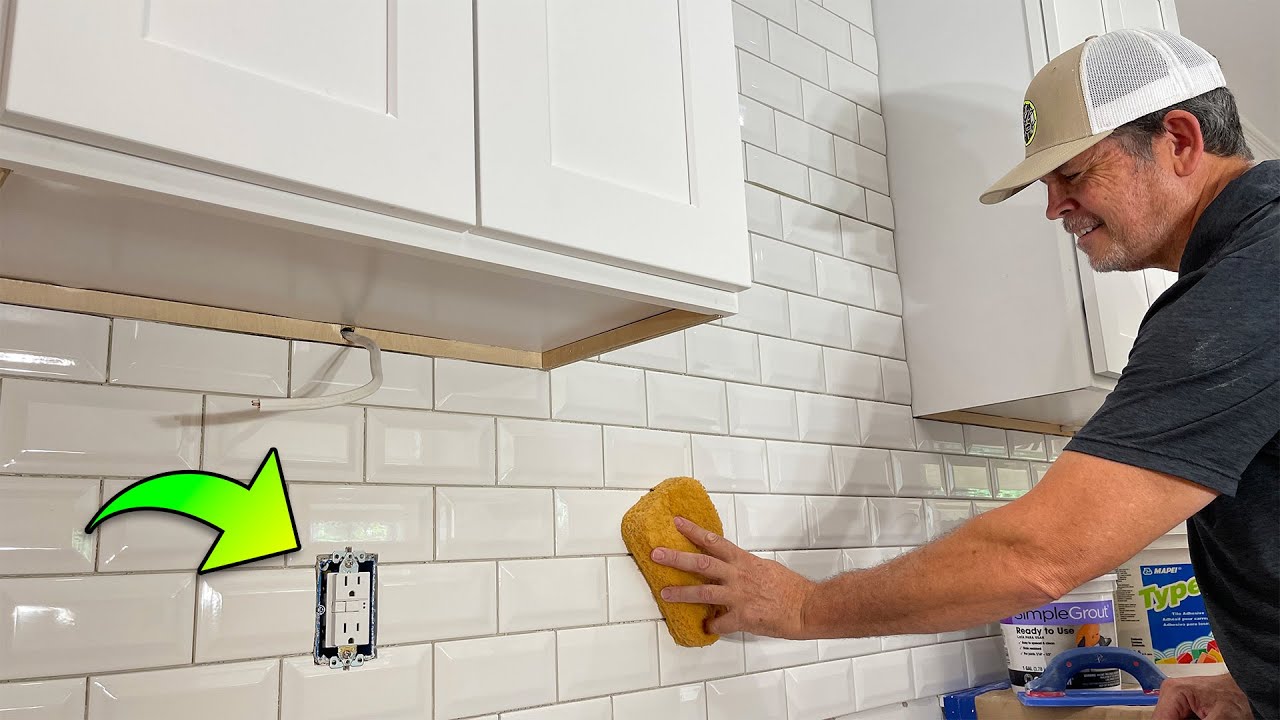
Image Source: i.ytimg.com
Planning Your Kitchen Tile Project
Before you even think about picking up a trowel, careful planning is key to a successful kitchen floor tiling project. This is where you decide on the style, material, and overall look for your new kitchen floor.
Choosing Your Kitchen Tile Material
The best tile for kitchen floor depends on your budget, lifestyle, and aesthetic preferences. Each material offers unique benefits and drawbacks for DIY kitchen tile installation.
Ceramic Tile for Kitchen
Ceramic tile for kitchen floors is a popular and versatile choice. It’s budget-friendly, easy to clean, and comes in an enormous variety of styles, colors, and patterns. Ceramic tiles are glazed, making them water-resistant and durable for everyday kitchen use.
Pros of Ceramic Tile:
* Affordability: Generally less expensive than other tiling options.
* Variety: Available in countless designs, mimicking wood, stone, and more.
* Ease of Cleaning: The glazed surface is simple to wipe down.
* Water Resistance: Good for areas prone to spills.
Cons of Ceramic Tile:
* Brittleness: Can chip or crack if heavy objects are dropped on them.
* Porosity (Unglazed): Some unglazed ceramic tiles can be porous and may stain if not sealed.
Porcelain Tile
Porcelain is a denser, harder version of ceramic tile, fired at higher temperatures. This makes it exceptionally durable and less prone to chipping. It’s also inherently waterproof, making it an excellent choice for kitchens.
Pros of Porcelain Tile:
* Durability: Highly resistant to scratches, chips, and stains.
* Waterproof: Ideal for kitchens and high-moisture areas.
* Frost Proof: Suitable for outdoor kitchen areas too.
* Style Versatility: Can be made to look like natural stone, wood, or concrete.
Cons of Porcelain Tile:
* Cost: Typically more expensive than ceramic tile.
* Hardness: Can be harder on your joints and break dropped items.
* Cutting Difficulty: Requires specialized blades for cutting.
Natural Stone Tile
Natural stone, such as granite, marble, slate, or travertine, offers a luxurious and unique look. Each piece is one-of-a-kind. However, it’s also more expensive and requires more maintenance.
Pros of Natural Stone Tile:
* Unique Beauty: Each tile is naturally different.
* Durability (Some Types): Granite and slate are very hard.
* Adds Value: Can increase your home’s resale value.
Cons of Natural Stone Tile:
* Cost: Generally the most expensive option.
* Porous: Most natural stones require sealing to prevent stains and water absorption.
* Maintenance: Needs regular sealing and specific cleaning products.
* Softness (Some Types): Marble can scratch and etch easily.
Vinyl Tile (LVT/Peel-and-Stick)
Luxury Vinyl Tile (LVT) is a durable, water-resistant, and often stylish option that is very forgiving for DIYers. Peel-and-stick vinyl is the easiest to install.
Pros of Vinyl Tile:
* Waterproof: Excellent for kitchens.
* Ease of Installation: Especially peel-and-stick varieties.
* Comfort: Softer and warmer underfoot than ceramic or porcelain.
* Affordability: Often more budget-friendly.
Cons of Vinyl Tile:
* Durability: Can be scratched or dented by sharp objects or heavy furniture.
* Appearance: May not look as high-end as natural stone or porcelain.
* Adhesive Issues: Peel-and-stick can sometimes lift over time in hot areas.
Understanding Tile Sizes and Patterns
The size of your tile and the kitchen tile layout can dramatically affect the look and feel of your kitchen.
Popular Tile Sizes
- 12″ x 12″: A classic and versatile size, easy to work with.
- 18″ x 18″: Creates a more modern look with fewer grout lines.
- 12″ x 24″: Offers a contemporary feel and can make a small kitchen look larger.
- Mosaics: Small tiles, often mounted on mesh sheets, great for accent areas or backsplashes, but can be used on floors too.
Common Kitchen Tile Layouts
- Grid Pattern: Tiles are laid in straight rows and columns, creating a clean, classic look. This is the easiest for DIY kitchen tile installation.
- Diagonal Pattern: Tiles are laid at a 45-degree angle to the walls. This can make a room appear larger and adds visual interest.
- Offset Pattern (Brick Lay): Tiles are staggered like bricks. This is popular with rectangular tiles.
- Herringbone Pattern: A more complex pattern involving laying rectangular tiles in a V-shape. This requires precise cuts and is best for experienced DIYers.
Calculating How Much Tile You Need
It’s crucial to buy enough tile, plus a little extra for cuts and potential future repairs.
- Measure Your Kitchen Area: Calculate the square footage by multiplying the length of your kitchen by its width.
- Add for Waste: Add 10-15% to your total square footage for cuts, breakage, and mistakes. For diagonal or complex patterns, or if you have many irregular shapes, lean towards 15-20%.
- Calculate Boxes: Tile is sold by the box, which typically covers a specific square footage. Divide your total needed square footage by the coverage per box to determine how many boxes to buy. Always round up to the nearest whole box.
Essential Tools and Materials
Having all your tools and materials ready before you start DIY kitchen tile installation will save you time and frustration.
Tools for Laying Tile:
- Tile Saw: Wet saw is essential for cutting ceramic, porcelain, and stone. A basic tile nipper can handle small adjustments.
- Notched Trowel: Used to spread tile adhesive. The notch size depends on the tile size (refer to adhesive manufacturer’s recommendations).
- Tile Spacers: To ensure consistent grout lines.
- Level: To check if tiles are laid flat.
- Measuring Tape: For accurate measurements.
- Chalk Line or Straight Edge: For marking layout lines.
- Rubber Mallet: To gently tap tiles into place.
- Bucket: For mixing adhesive and grout.
- Sponge and Clean Water: For cleaning excess adhesive.
- Grout Float: To spread grout.
- Utility Knife: For cutting silicone caulk.
- Safety Glasses: Protect your eyes from dust and flying debris.
- Gloves: Protect your hands from adhesive and grout.
- Knee Pads: For comfort during extended work.
- Dust Mask: For protection when cutting tiles.
Materials for Laying Tile:
- Tiles: Your chosen ceramic tile for kitchen or other material.
- Tile Adhesive (Thin-set Mortar): A cement-based adhesive that provides a strong bond. Ensure it’s suitable for your chosen tile type.
- Grout: For filling the spaces between tiles. Choose a color that complements your tiles.
- Grout Sealer: Protects grout from stains and moisture.
- Silicone Caulk: For sealing edges where the tile meets walls, cabinets, or fixtures.
- Backer Board (Optional but Recommended): For concrete subfloors or areas that might experience moisture. It provides a stable, waterproof base.
Preparing Your Subfloor for Tile
A properly prepared subfloor is critical for a long-lasting, beautiful tile installation. A weak or uneven subfloor will lead to cracked tiles and grout.
Subfloor Types and Preparation
Plywood Subfloors
Plywood is common in wood-framed homes.
- Check for Stability: Ensure the plywood is at least 3/4 inch thick and securely fastened to the floor joists. There should be no flex when you walk on it. If it’s less than 3/4 inch, you might need to add another layer of plywood or a cementitious backer board.
- Clean the Surface: Remove any old flooring, adhesive, paint, wax, or debris. Vacuum thoroughly.
- Repair Damage: Fill any holes or gouges with wood filler. Sand down any high spots or uneven seams.
- Screw Down Loose Sections: Add screws every 6 inches along joists and 12 inches in the field to ensure maximum stability.
Concrete Subfloors
Concrete is a very stable base.
- Clean Thoroughly: Remove any old flooring, paint, curing compounds, sealers, or grease. A degreaser and stiff brush might be needed.
- Check for Levelness: Use a long, straight edge to identify any high spots or low spots. High spots can be ground down with a concrete grinder or heavy-duty sandpaper. Low spots can be filled with a self-leveling compound.
- Moisture Test: If you’re concerned about moisture, perform a calcium chloride test or a plastic sheet test. If excessive moisture is present, you may need a topical waterproofing membrane or a waterproof kitchen tile solution like a liquid-applied membrane.
- Crack Repair: Fill any cracks with a concrete crack filler.
Installing Cement Board (Backer Board)
For most kitchen tile jobs, especially over wood subfloors or in areas prone to moisture, installing cement board over the subfloor is highly recommended. It creates a stable, waterproof substrate.
- Cut Cement Board: Measure and cut cement board pieces to fit your floor. You can score and snap cement board with a utility knife.
- Apply Adhesive: Spread a thin layer of tile adhesive (thin-set mortar) onto a section of the subfloor.
- Set Cement Board: Press the cement board firmly into the adhesive.
- Fasten Securely: Secure the cement board with specialized cement board screws or alkali-resistant drywall screws, following the manufacturer’s spacing recommendations (typically every 6-8 inches). Ensure screw heads are slightly below the surface without breaking the board.
- Tape Seams: Cover all seams between cement board panels with fiberglass mesh tape designed for cement board and embed it in a thin layer of thin-set mortar. This prevents cracks from telegraphing through the tile.
- Waterproofing (Optional but Recommended): For an extra layer of protection, especially if using waterproof kitchen tile, you can apply a liquid-applied waterproofing membrane over the cement board and tape.
Laying Out Your Kitchen Tile
A proper kitchen tile layout ensures your tiles are centered and look balanced in the room.
Finding the Center of the Room
- Measure Walls: Measure the length and width of your kitchen.
- Find Center Points: Mark the midpoint of each wall.
- Snap Chalk Lines: Connect the midpoints of opposite walls with chalk lines. This creates a “center cross” of your room.
Dry Laying Your Tiles
Before applying any adhesive, do a dry run to visualize the layout.
- Place Tiles: Lay out tiles in your desired pattern starting from the center cross.
- Check Fit: See how the tiles fit along the walls. Ideally, you want full tiles or nearly full tiles at the walls, not narrow slivers.
- Adjust Layout: If you’re getting awkward cuts at the walls, adjust your starting point slightly. You might need to shift the entire pattern so the cuts are more balanced on opposite walls or in doorways.
Creating Your Layout Lines
Once you’re happy with the dry lay, use your chalk lines as guides for applying the adhesive.
Applying Tile Adhesive and Setting Tiles
This is where your DIY kitchen tile installation really begins to take shape.
Mixing and Applying Tile Adhesive
- Mix Thin-set: Follow the manufacturer’s instructions for mixing your tile adhesive. Add powder to water gradually, mixing to a smooth, peanut-butter-like consistency. Let it slake (rest) for a few minutes if the instructions say so.
- Apply Adhesive: Using the notched trowel, spread a thin, even layer of adhesive onto a small section of the subfloor (about 2-3 square feet at a time). Hold the trowel at a 45-degree angle to create uniform ridges. This ensures good coverage and proper suction.
Setting the First Tile
- Place First Tile: Start at the intersection of your chalk lines (the center of the room) and carefully set your first tile.
- Press Firmly: Gently twist and press the tile into the adhesive to ensure good contact.
- Use Spacers: Place tile spacers at the corners of the tile to maintain consistent gaps for grout.
Laying Subsequent Tiles
- Work Outwards: Continue setting tiles outwards from the center, following your chalk lines and using spacers.
- Maintain Alignment: Keep your tiles in straight lines.
- Check for Level: Periodically check tiles with a level to ensure they are flat and flush with neighboring tiles. Use your rubber mallet to tap down any high tiles.
- Clean Excess Adhesive: Wipe away any adhesive that oozes up between tiles or gets on the tile surface immediately with a damp sponge. Dried adhesive is much harder to remove.
Tiling Backsplash
While this guide focuses on floors, the principles for tiling backsplash are similar. You’ll use a thinner adhesive, likely a pre-mixed mastic for vertical surfaces, and the process involves spreading adhesive, setting tiles, and using spacers. Ensure the wall surface is clean and primed.
Cutting Your Kitchen Tiles
Kitchen tile cutting is an inevitable part of the process, especially around edges, corners, and obstacles.
Types of Cuts
- Straight Cuts: For edges and corners.
- Shape Cuts (Notches): For fitting around door frames, cabinets, or pipes.
- Curve Cuts: Less common on floors, but might be needed for decorative elements.
Using a Wet Saw
A wet saw is the most efficient tool for precise cuts, especially for harder materials like porcelain.
- Safety First: Wear safety glasses and gloves. Ensure the saw is on a stable surface.
- Mark Your Cut: Use a pencil or marker to mark the cutting line on the tile.
- Position Tile: Place the tile on the saw’s table, aligning the marked line with the blade.
- Make the Cut: Slowly and steadily guide the tile through the blade. Let the saw do the work; don’t force it. The water reservoir keeps the blade cool and reduces dust.
- Clean Edges: Use a rubbing stone or fine-grit sandpaper to smooth any sharp edges after cutting.
Using Tile Nippers
For small adjustments or curved cuts, tile nippers can be useful, but they can also chip the edges if not used carefully.
Cutting Around Obstacles
Measure carefully around pipes, outlets, or cabinets. You might need to make a notch or a series of straight cuts to create a fitted piece. Always double-check your measurements before cutting.
Grouting Your Kitchen Tiles
Once the tile adhesive has fully cured (usually 24-48 hours, check the product instructions), it’s time to grout. This fills the gaps and locks the tiles in place, giving your floor a finished look.
Choosing the Right Grout
- Sanded Grout: For grout lines 1/8 inch or wider. The sand provides strength and prevents shrinkage.
- Unsanded Grout: For grout lines less than 1/8 inch wide. It’s smoother and less likely to scratch delicate tiles like glass or polished stone.
- Epoxy Grout: More expensive and harder to work with, but incredibly durable, stain-resistant, and waterproof.
For most kitchen floor tiling, sanded grout is the standard choice.
Mixing and Applying Grout
- Mix Grout: Mix the grout according to the manufacturer’s directions, achieving a thick, paste-like consistency.
- Apply Grout: Using a grout float, spread the grout over the tiles, forcing it into the spaces between them. Work at a 45-degree angle to the grout lines.
- Scrape Off Excess: Hold the float at a steeper angle (near 90 degrees) and scrape off as much excess grout from the tile surfaces as possible.
Cleaning Grout Haze
- Initial Wipe: Wait about 15-30 minutes (depending on humidity and temperature) for the grout to start setting. Then, use a damp (not wet) sponge to gently wipe away the excess grout from the tile surface. Rinse your sponge frequently in a clean bucket of water. Avoid wiping too hard, as this can pull grout out of the lines.
- Second Wipe: After another hour or so, you may notice a slight haze on the tiles. Buff this off with a clean, dry cloth.
- Final Curing: Let the grout cure completely according to the manufacturer’s instructions (typically 24-72 hours).
Sealing and Finishing
The final steps ensure durability and protection for your new kitchen floor tiling.
Sealing Grout
- Wait for Curing: Ensure the grout is fully cured before sealing.
- Apply Sealer: Use a high-quality grout sealer and a small brush or applicator to apply it to the grout lines. Follow the product instructions carefully.
- Wipe Excess: Wipe off any excess sealer from the tile surfaces immediately.
- Reapply: Depending on the type of sealer and your kitchen’s use, you may need to reapply sealer annually or every few years.
Caulking Edges
- Remove Spacers: Take out all tile spacers.
- Clean Edges: Ensure the edges of the tile installation are clean and dry.
- Apply Caulk: Apply a bead of silicone caulk designed for kitchens and bathrooms around the perimeter of the room, where the tile meets walls, cabinets, appliances, and fixtures. This prevents moisture from seeping underneath the tile.
- Smooth Caulk: Smooth the caulk line with a damp finger or caulk smoothing tool for a clean finish.
Frequently Asked Questions (FAQ)
Q: What is the best tile for a kitchen floor?
A: The best tile for a kitchen floor is typically porcelain tile due to its durability, water resistance, and resistance to stains and scratches. Ceramic tile is also a good, more affordable option. For very high-traffic or demanding environments, consider the hardness rating (PEI) of the tile.
Q: Can I tile over existing vinyl flooring?
A: Yes, you can often tile over existing vinyl flooring if it is well-adhered, smooth, and in good condition. However, it’s essential to clean it thoroughly, ensure it’s firmly attached, and consider using a liquid-applied membrane or a special primer for vinyl surfaces. Some experts recommend removing old vinyl to ensure a solid base.
Q: How long does it take to lay tile in a kitchen?
A: The actual laying of tiles can take 1-3 days for a standard kitchen, depending on the size and complexity of the layout. However, you also need to factor in subfloor preparation, drying times for adhesive and grout (usually 24-48 hours before walking on it or grouting, and then several days for full cure), and sealing. A complete project can easily take a week or more from start to finish.
Q: Do I need to seal ceramic tile?
A: Glazed ceramic tile does not typically need to be sealed, as the glaze itself is water-resistant. However, unglazed ceramic or porous tiles will benefit from sealing to prevent staining and moisture absorption. Always check the manufacturer’s recommendations.
Q: What’s the difference between tile adhesive and grout?
A: Tile adhesive (often called thin-set mortar) is used to bond the tiles to the subfloor. Grout is used to fill the spaces between the tiles after they have been adhered, locking them in place and providing a finished look.
Conclusion
Embarking on DIY kitchen tile installation can seem daunting, but by breaking it down into manageable steps, you can achieve professional-looking results. From selecting the perfect ceramic tile for kitchen or a robust porcelain option, meticulously preparing your subfloor, to carefully laying, cutting, and grouting, each phase is crucial. A well-executed kitchen floor tiling project not only enhances the aesthetics of your kitchen but also adds durability and value to your home. Remember to prioritize safety, follow manufacturer instructions for all materials, and take your time. With patience and this guide, your DIY dream kitchen floor is well within reach!