
A blocked kitchen stack pipe can be a real nuisance, often leading to a kitchen sink backing up and unpleasant odors. Yes, you can often clear a blocked kitchen stack pipe yourself using simple, common household items and techniques. This guide will walk you through the most effective methods for tackling a blocked kitchen waste pipe, from identifying the problem to implementing solutions for kitchen pipe blockage removal. We’ll cover everything you need to know to get your kitchen plumbing blockage resolved.
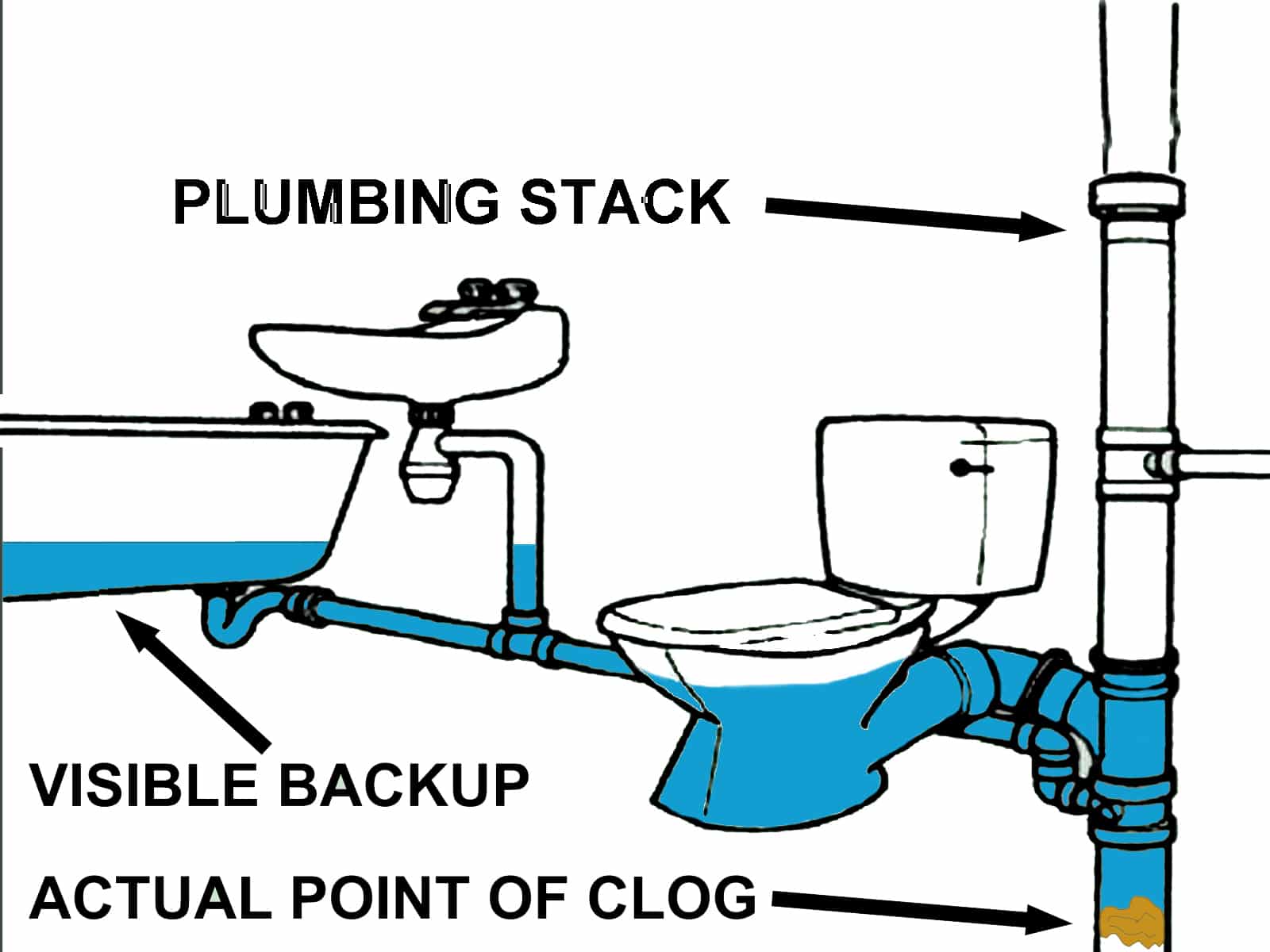
Image Source: www.balkandraincleaning.com
Why Does a Kitchen Stack Pipe Get Blocked?
Your kitchen stack pipe is the main vertical pipe that carries waste water from your kitchen sink, dishwasher, and sometimes other appliances down to the main sewer line. Like any drain, it can become obstructed.
Common Culprits for Kitchen Waste Pipe Blockage:
- Grease and Fats: This is by far the most common reason. When hot grease cools in the pipes, it solidifies and coats the inside, gradually narrowing the passage. Over time, this buildup traps other debris.
- Food Scraps: Even with strainers, small pieces of food can make their way down the drain. Fibrous foods like celery, potato peels, and coffee grounds are particularly notorious for causing clogs.
- Soap Scum: Soap, especially bar soap, can leave a residue that combines with grease and hair (though less common in kitchens than bathrooms) to create stubborn blockages.
- Foreign Objects: Accidentally dropping utensils, bottle caps, or other small items down the drain can cause immediate and severe blockages.
- Mineral Buildup: In areas with hard water, mineral deposits can form on the inside of pipes, reducing their diameter and making them more susceptible to clogs.
- Improper Installation or Pipe Damage: While less common for DIY fixes, issues like sagging pipes, incorrect slope, or damage from external factors can contribute to recurring blockages.
Identifying the Signs of a Blocked Kitchen Stack Pipe
Before you start, it’s good to recognize the symptoms of a blocked kitchen stack pipe. This helps you confirm the problem and determine the best approach for kitchen drain unblock.
Key Indicators:
- Slow Draining Sink: The most obvious sign is water that takes a long time to drain from your kitchen sink, or doesn’t drain at all.
- Gurgling Noises: Strange gurgling sounds coming from the drain, especially when water is running elsewhere in the house or when you try to drain the sink, indicate trapped air and an obstruction.
- Unpleasant Odors: Stagnant water and decomposing food particles trapped in the blocked pipe can emit foul smells.
- Water Backing Up: If water from your sink backs up into your dishwasher or vice-versa, it’s a clear sign of a significant blockage in the shared plumbing.
- Multiple Fixtures Affected: If sinks or toilets on lower floors are backing up when you use the kitchen sink, it suggests the blockage is in the main stack pipe or a common branch.
Simple Steps for Kitchen Drain Unblock
Once you’ve confirmed a blockage, you can try several DIY methods to clear it. These are aimed at tackling common kitchen waste pipe blockage issues.
Method 1: The Boiling Water Flush
This is the simplest and often most effective first step, particularly for grease-related clogs.
How to Do It:
- Boil Water: Fill a kettle or a large pot with water and bring it to a rolling boil.
- Pour Slowly: Carefully and slowly pour the boiling water directly down the drain. Do this in stages, allowing the hot water to work on the grease.
- Repeat: If the water starts to drain, even slowly, repeat the process a few times.
When It Works Best:
- For minor grease buildup.
- As a preventative measure.
Important Considerations:
- Avoid if you have PVC pipes: While many modern PVC pipes can handle boiling water, very old or damaged PVC pipes might warp. If you’re unsure, use very hot tap water instead of boiling water.
- Don’t use boiling water if there’s standing water: If your sink is completely full, pouring boiling water might cause it to overflow.
Method 2: The Baking Soda and Vinegar Combo
This classic home remedy creates a fizzing reaction that can help break down common kitchen drain clogs.
How to Do It:
- Remove Standing Water: If possible, bail out any standing water from the sink.
- Pour Baking Soda: Pour about half a cup to a full cup of baking soda directly down the drain.
- Add Vinegar: Immediately follow with an equal amount of white vinegar.
- Cover and Wait: Cover the drain opening with a plug or a wet cloth to direct the fizzing action downwards. Let it sit for at least 30 minutes, or even longer for tougher clogs (up to a few hours).
- Flush with Hot Water: After waiting, flush the drain with plenty of hot tap water or, if safe for your pipes, boiling water.
When It Works Best:
- Minor to moderate clogs caused by grease and food particles.
- As a deodorizer and cleaner for pipes.
Why It Works:
The chemical reaction between baking soda (a base) and vinegar (an acid) creates carbon dioxide gas. This gas expands, creating pressure that can help dislodge minor blockages. The fizzing action also helps to scrub the inside of the pipe.
Method 3: Using a Plunger
A good old-fashioned plunger can be incredibly effective for unclogging kitchen sink pipe issues.
How to Do It:
- Create a Seal: Ensure there’s enough water in the sink to cover the rubber cup of the plunger. If the sink is empty, add a few inches of water.
- Seal Other Drains: If you have a double sink, block the drain on the other side with a wet cloth or stopper. This ensures the suction is focused on the blocked pipe.
- Position the Plunger: Place the plunger cup firmly over the drain opening, creating a tight seal.
- Plunge Vigorously: Push down and pull up sharply on the plunger handle. The key is to create both suction and pressure.
- Repeat: Continue plunging for about 20-30 seconds. Then, quickly pull the plunger away.
- Check Drainage: See if the water starts to drain. You may need to repeat the plunging process several times.
When It Works Best:
- Stubborn clogs that are relatively close to the drain opening.
- When other methods haven’t fully worked.
What Kind of Plunger?
A cup-style plunger (like those used for toilets) is suitable for sinks. Make sure the rim of the cup is larger than the drain opening.
Method 4: The Drain Snake (or Auger)
For more persistent clogs further down the pipe, a drain snake is a specialized tool for kitchen pipe blockage removal.
How to Do It:
- Assemble the Snake: If your snake requires assembly, follow the manufacturer’s instructions.
- Insert the Snake: Feed the end of the snake into the drain opening.
- Advance the Snake: Gently push the snake further into the pipe, turning the handle clockwise as you go. You’ll feel resistance when you hit the blockage.
- Break Up the Clog: Once you encounter the blockage, continue turning the handle to break it up or hook onto it. You might need to push and pull the snake slightly.
- Retrieve the Snake: Slowly pull the snake back out, bringing any debris with it.
- Flush the Drain: Once the obstruction is removed, run hot water down the drain to flush out any remaining residue.
When It Works Best:
- Deeper clogs that a plunger can’t reach.
- When the blockage feels solid or is made of compacted debris.
Types of Drain Snakes:
- Handheld Drain Snakes: These are typically 15-25 feet long and good for most household clogs.
- Toilet Augers: Designed for toilets, but can sometimes be used for sinks.
- Electric Drain Cleaners: More powerful for very tough clogs, but require more caution.
Method 5: Cleaning the P-Trap
The P-trap is the U-shaped section of pipe directly beneath your sink. It’s designed to hold water, which prevents sewer gases from entering your home. It’s also a common spot for blockages to form.
How to Do It:
- Prepare the Area: Place a bucket or old towels directly underneath the P-trap to catch any water and debris.
- Loosen the Slip Nuts: The P-trap is usually held in place by two large, plastic or metal nuts called slip nuts. Use channel-lock pliers or a pipe wrench to loosen these nuts counter-clockwise. If they are plastic, you might be able to loosen them by hand.
- Remove the P-Trap: Once the nuts are loose, carefully remove the P-trap section. Be prepared for water and debris to spill out.
- Clean the P-Trap: Take the P-trap to another sink or outside and clean out any accumulated gunk, food particles, grease, and debris. You can use an old brush, a wire coat hanger, or a hose.
- Check the Connecting Pipes: While the P-trap is off, check the ends of the pipes it connects to for any visible blockages.
- Reassemble: Reattach the P-trap, making sure the rubber washers are properly seated. Hand-tighten the slip nuts first, then use pliers or a wrench to tighten them further, but don’t overtighten, especially if they are plastic.
- Test for Leaks: Run water down the sink and check the P-trap connections for any leaks.
When It Works Best:
- When you suspect the blockage is located in the U-bend.
- As a thorough cleaning method.
Safety Tip:
Wear rubber gloves when cleaning the P-trap.
When to Call a Professional Plumber
While many kitchen drain blockages can be resolved with DIY methods, there are times when you should call in the experts for kitchen plumbing blockage issues.
Signs You Need Professional Help:
- Recurring Blockages: If your drains frequently get blocked, there might be a more significant underlying issue, like damaged pipes or an improper slope.
- Multiple Fixtures Affected: If several drains in your home are backing up, the blockage is likely in the main sewer line, which requires professional equipment.
- You’ve Tried Everything: If you’ve attempted several DIY methods without success, it’s time to let a professional handle it.
- Suspected Pipe Damage: If you suspect your pipes are broken, corroded, or have tree roots growing into them, a plumber is essential.
- Lack of Confidence or Tools: If you’re not comfortable working with plumbing or don’t have the right tools, it’s safer and often more efficient to hire a professional.
Preventative Measures to Avoid Future Kitchen Waste Pipe Blockage
The best way to deal with a blocked kitchen stack pipe is to prevent it from happening in the first place. Consistent, simple practices can save you a lot of hassle.
Kitchen Drain Maintenance Tips:
- Never Pour Grease Down the Drain: This is the golden rule. Pour grease and fats into a disposable container (like an old can or jar) and let it solidify before throwing it in the trash.
- Use Sink Strainers: Install good quality strainers in your sink drains to catch food scraps and debris. Empty them regularly into the trash.
- Scrape Plates Before Washing: Scrape as much food residue as possible off plates and utensils into the trash or compost bin before rinsing them in the sink.
- Run Hot Water After Use: After using the sink, especially after washing greasy dishes, run hot water for a minute or two. This helps to keep grease moving through the pipes.
- Regularly Clean Drains: Periodically flush your drains with boiling water or the baking soda and vinegar solution as a preventative measure.
- Avoid Grinding Certain Foods: While garbage disposals are convenient, avoid putting fibrous foods, coffee grounds, eggshells, and starchy items like pasta and rice down them, as they can contribute to clogs.
- Be Mindful of What Goes Down: Educate everyone in the household about what should and shouldn’t go down the kitchen sink.
Troubleshooting Common Kitchen Plumbing Blockage Scenarios
Let’s look at some specific situations and how to address them, focusing on how to clear blocked kitchen drain issues effectively.
Scenario 1: Sink is completely full of water, won’t drain at all.
Action: If the water level is too high to use a plunger effectively, you might need to remove some of it using a bucket and an old cup or ladle. Once the water level is lower, try the baking soda and vinegar method, or if you have a snake, attempt to insert it carefully. If the blockage is severe, you may need to call a plumber.
Scenario 2: Water drains very slowly, but eventually goes down.
Action: This indicates a partial blockage, likely grease buildup. The boiling water flush is a good first step. Follow up with the baking soda and vinegar treatment. Regular preventative flushes will be key here.
Scenario 3: Gurgling sounds from the drain, but water still drains slowly.
Action: The gurgling suggests trapped air. This can happen with partially blocked pipes. Try plunging vigorously after removing as much standing water as possible. The baking soda and vinegar method can also help agitate the clog.
Scenario 4: Both sinks in a double basin are blocked.
Action: This usually means the blockage is in the pipe connecting the two basins or further down the line. Block the drain of the working basin (if one is) with a stopper and try plunging the blocked one. If that doesn’t work, the P-trap connecting the basins or the main trap beneath the sink will need checking.
Fathoming the Mechanics of Kitchen Stack Pipe Cleaning
Kitchen stack pipe cleaning involves more than just clearing a single drain. It’s about maintaining the entire system that carries waste away from your home. When you’re trying to unclog kitchen sink pipe, you are essentially trying to restore the flow within this larger system.
The Role of Vent Pipes:
Your plumbing system has vent pipes that allow air into the pipes. This air pressure is crucial for smooth water flow and prevents siphoning of water from traps. If a vent pipe is blocked (often by leaves or bird nests in the roof), it can cause slow drainage and gurgling in multiple fixtures, even if the actual stack pipe isn’t blocked. This is a more complex issue usually requiring professional attention.
Understanding the P-Trap’s Importance:
We discussed cleaning the P-trap earlier. Its U-shape is vital. When water sits in the trap, it creates a barrier against sewer gases. If a blockage prevents water from sitting in the trap, you’ll notice unpleasant smells. Thus, fixing a blocked kitchen drain often involves ensuring the P-trap is clear and functional.
Factors Affecting Kitchen Waste Pipe Blockage:
- Pipe Material: Older homes might have cast iron pipes that can corrode and become rough inside, trapping debris more easily. Newer homes often use PVC, which is smoother.
- Pipe Slope: Plumbing pipes need to be installed with a slight downward slope to allow gravity to help carry waste away. If the slope is incorrect, waste can settle and cause blockages.
- Water Usage Habits: How you use your sink directly impacts the health of your pipes.
Frequently Asked Questions (FAQ)
Q1: Can I pour bleach down my kitchen sink to unblock it?
A1: While bleach can kill bacteria and deodorize, it’s not very effective at dissolving grease and food blockages. Furthermore, mixing bleach with other cleaning agents (like vinegar) can create dangerous fumes. It’s best to stick to mechanical methods or baking soda and vinegar.
Q2: How often should I do a preventative drain cleaning?
A2: For most households, a monthly flush with boiling water or a baking soda and vinegar treatment is sufficient. If you frequently cook greasy foods or have older pipes, you might consider doing it every two weeks.
Q3: My garbage disposal is making noise but not draining. What should I do?
A3: First, turn off the power to the disposal at the breaker box. Then, use the Allen wrench that typically comes with the unit to manually turn the blades and try to dislodge whatever is jamming it. You can also try using a plunger. If these steps don’t work, it’s best to call a plumber.
Q4: Is a drain snake safe to use in my kitchen pipes?
A4: Yes, drain snakes are generally safe for most types of kitchen pipes, including PVC and metal. However, use them gently and avoid excessive force, as this could potentially damage older or weaker pipes.
Q5: What is the most common cause of a blocked kitchen stack pipe?
A5: The most common cause by far is the buildup of grease, fats, and oils, often combined with food scraps, that solidify inside the pipes over time.
By following these steps and preventative measures, you can effectively clear a blocked kitchen stack pipe and keep your kitchen drains flowing freely, tackling your kitchen plumbing blockage head-on. Remember to work safely and call a professional when in doubt.