
So, you’re wondering, “How wide are kitchen cabinets?” Typically, base cabinets range from 12 to 48 inches wide, while wall cabinets can span from 12 to 36 inches wide. These are the most common sizes, but there’s a lot more to know when planning your kitchen layout. Choosing the right cabinet sizes is crucial for both functionality and aesthetics. It impacts how much you can store, how you move around your kitchen, and the overall look and feel of the space. Let’s dive deep into the world of kitchen cabinet measurements to help you make informed decisions.
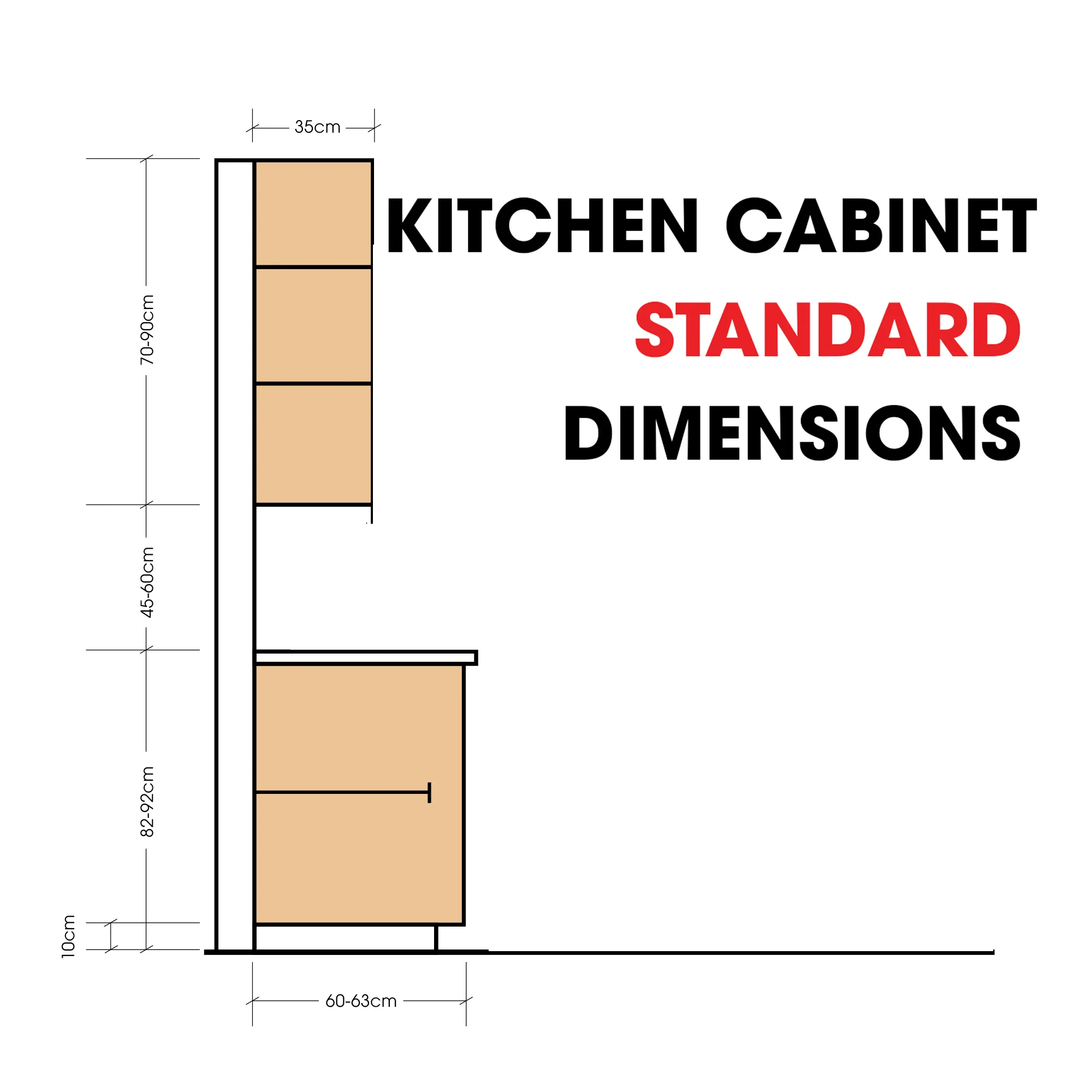
Image Source: guilincabinets.com
Navigating Kitchen Cabinet Dimensions
When you start thinking about new kitchen cabinets, you’ll quickly encounter various measurements. These standard kitchen cabinet dimensions are the building blocks of your kitchen design. They dictate not only storage capacity but also workflow and visual harmony. Beyond just width, other critical cabinet measurements include height, depth, and even the dimensions of internal components like drawers.
Base Cabinets: The Foundation of Your Kitchen
Base cabinets sit on the floor and support your countertops. They are essential for storing heavier items and housing appliances like dishwashers and ovens. The width of base cabinets is one of the most significant factors in kitchen design.
Base Cabinet Widths: A Closer Look
Most base cabinets come in increments of 3 inches. This allows for a great deal of flexibility in fitting them into your kitchen layout. Here’s a breakdown of common base cabinet width options:
-
Corner Base Cabinets: These are designed to fit into corners and often have a larger footprint than standard cabinets. Common sizes include:
- 36 inches x 36 inches
- 42 inches x 42 inches
- 48 inches x 48 inches
These are often L-shaped or have a diagonal front to maximize usable space.
-
Standard Base Cabinets: These are the workhorses of your kitchen, running along walls.
- 12 inches: Often used for filler strips or narrow storage needs.
- 15 inches: Good for smaller pantries or spice racks.
- 18 inches: Suitable for trash pull-outs or narrower storage.
- 21 inches: A bit more storage capacity.
- 24 inches: A very common size, often used for standard shelving or drawers.
- 30 inches: Offers more substantial storage.
- 33 inches: Another popular choice for good storage.
- 36 inches: Provides ample storage, often for pots and pans.
- 42 inches: For larger storage needs or as a statement piece.
- 48 inches: The widest standard base cabinet, offering maximum storage.
It’s important to remember that these widths refer to the cabinet box itself. When you add a countertop, the overall width will be larger, typically by the thickness of the countertop overhang.
Base Cabinet Depth: Storage and Accessibility
While width is a primary concern, cabinet depth is equally important. Standard base cabinets are usually 24 inches deep. This depth is chosen to accommodate standard countertop depths, which are typically 25 inches (with a 1-inch overhang).
- Standard Depth: 24 inches. This allows for ample storage and a comfortable working surface.
- Narrower Depths: You might find base cabinets with depths of 12 or 18 inches. These are useful in smaller kitchens or as decorative elements but offer less storage.
Wall Cabinets: Reaching New Heights
Wall cabinets, also known as upper cabinets, are mounted on the wall above your base cabinets. They are ideal for storing dishes, glasses, and lighter kitchen essentials. Their height and width play a significant role in the kitchen’s overall visual balance and accessibility.
Wall Cabinet Heights: Stretching Upwards
The height of your wall cabinets can dramatically affect the perceived spaciousness of your kitchen. Common wall cabinet height options are:
- 30 inches: A very common height, offering a good balance of storage and accessibility.
- 36 inches: Provides more storage space, ideal for kitchens with higher ceilings or for storing less frequently used items.
- 42 inches: The tallest standard wall cabinet, maximizing vertical storage, but requiring a higher ceiling.
The height is measured from the bottom of the cabinet to the top. The space between the base cabinets and wall cabinets is typically 18 inches, but this can vary.
Wall Cabinet Widths: Fitting the Gaps
Similar to base cabinets, wall cabinets are also available in standard widths, usually in 3-inch increments. Common upper cabinet dimensions for width include:
- 12 inches: Good for smaller kitchens or as filler cabinets.
- 15 inches: Offers a bit more storage.
- 18 inches: A popular choice for general storage.
- 21 inches: More capacity for kitchenware.
- 24 inches: A common width for standard wall storage.
- 30 inches: Provides substantial storage space.
- 36 inches: The widest standard wall cabinet, often used for larger items or as a focal point.
Wall Cabinet Depth: Slimmer Storage
Wall cabinets are generally shallower than base cabinets to allow for comfortable countertop use and to avoid creating an obstruction. The most common cabinet depth for wall cabinets is 12 inches. Some specialized cabinets might be 15 or even 18 inches deep, but these are less common and can interfere with countertop work.
Standard Kitchen Cabinet Dimensions Summary Table
To help visualize, here’s a table summarizing the most common kitchen cabinet sizes:
| Cabinet Type | Common Widths (Inches) | Common Depths (Inches) | Common Heights (Inches) |
|---|---|---|---|
| Base Cabinets | 12, 15, 18, 21, 24, 30, 33, 36, 42, 48 | 24 (standard), 12, 18 (narrower) | N/A (sit on floor) |
| Wall Cabinets | 12, 15, 18, 21, 24, 30, 36 | 12 (standard), 15, 18 (deeper) | 30, 36, 42 |
| Corner Base | 36×36, 42×42, 48×48 | 24 (standard) | N/A |
The Role of Countertops in Cabinet Sizing
Your countertop plays a vital role in determining the finished dimensions of your base cabinets. The countertop depth is usually 25 inches, allowing for a 1-inch overhang in front. This overhang is practical for several reasons:
- Ergonomics: It allows you to stand comfortably at the counter without bumping into the cabinet face.
- Aesthetics: It provides a finished look.
- Protection: It helps protect the cabinet front from spills.
The thickness of the countertop also adds to the overall height of your base cabinets. A standard countertop might be 1.5 inches thick, so a 34.5-inch high base cabinet with a 1.5-inch countertop will result in a standard countertop height of 36 inches.
Drawer Widths: The Little Details Matter
Drawer width is an integral part of cabinet design, affecting storage capacity and ease of use. Drawer sizes often correspond to the overall cabinet width they are housed within.
-
Base Cabinet Drawers: Within a 36-inch wide base cabinet, you might have a bank of drawers. Common individual drawer width options could be:
- 15 inches
- 18 inches
- 21 inches
- 24 inches
The total width of the drawers will be less than the cabinet width due to the cabinet frame and side panels.
-
Drawer Depth: Drawer depth is usually around 20-22 inches for standard 24-inch deep base cabinets. This allows for a good amount of storage and smooth operation of drawer slides.
Specialty Cabinets and Their Dimensions
Beyond standard base and wall cabinets, there are specialized cabinets designed for specific functions, each with its own set of typical dimensions.
-
Sink Base Cabinets: These are designed to house a sink and are often wider than standard base cabinets. Common sizes include:
- 30 inches
- 33 inches
- 36 inches
- 48 inches
The internal width is crucial to ensure your chosen sink fits comfortably.
-
Appliance Garage Cabinets: These are wall cabinets with lift-up doors, designed to hide small appliances. Their dimensions can vary greatly depending on the appliance they are meant to house.
-
Corner Cabinets: As mentioned earlier, corner cabinets are designed to fit into corners and often have unique configurations to maximize space. They can be blind corners, lazy Susans, or have pull-out shelves.
Beyond Standards: Custom Kitchen Cabinet Sizes
While standard kitchen cabinet sizes offer a wide range of options, sometimes your kitchen layout or specific storage needs demand something different. This is where custom kitchen cabinet sizes come into play.
When to Consider Custom Sizes
- Unusual Kitchen Layouts: If your kitchen has odd angles, unusually long walls, or specific architectural features, standard cabinets might not fit perfectly. Custom sizes can ensure a seamless look and optimal use of space.
- Specific Storage Needs: You might have exceptionally large pots and pans, a collection of oversized platters, or a desire for very specific drawer configurations that standard cabinets don’t accommodate.
- Unique Appliance Integration: If you’re installing a specialty appliance that doesn’t conform to standard dimensions, custom cabinets are often necessary.
- Maximizing Every Inch: In smaller kitchens, custom cabinets can be designed to fit precisely into every available nook and cranny, maximizing storage.
- Aesthetic Preferences: Some homeowners opt for custom sizes to achieve a particular design aesthetic, such as extra-tall wall cabinets for a grander feel.
The Process of Ordering Custom Cabinets
Ordering custom kitchen cabinet sizes involves a more detailed process than choosing from standard stock. It typically includes:
- Detailed Measurement: Precise measurements of your kitchen space are paramount. This includes wall lengths, ceiling height, window and door placements, and any existing structural elements.
- Design Consultation: You’ll work with a kitchen designer or cabinet maker to plan the layout, styles, finishes, and, most importantly, the exact dimensions of each cabinet.
- Material Selection: You’ll choose the wood species, door styles, hardware, and finishes.
- Fabrication: The cabinets are built to your exact specifications.
- Installation: Professional installation ensures the custom cabinets fit perfectly and function as intended.
While custom cabinets offer unparalleled flexibility, they also come at a higher cost and may have longer lead times than standard cabinets.
Factors Influencing Cabinet Width Choices
Choosing the right cabinet widths isn’t just about filling space; it’s about creating a functional and visually pleasing kitchen.
Workflow and Layout Efficiency
The width of your cabinets directly impacts the flow of your kitchen.
- Work Zones: A well-designed kitchen typically has distinct work zones: the prep area, the cooking area, and the cleaning area. The placement and width of cabinets should support efficient movement between these zones.
- Traffic Flow: Wider cabinets might be necessary for high-traffic areas to avoid bottlenecks. Conversely, narrower cabinets can be used in less-trafficked areas.
- Appliance Placement: The width of adjacent cabinets needs to accommodate the dimensions of appliances like refrigerators, ranges, and dishwashers, along with necessary clearance. For instance, you’ll need a cabinet to the side of a refrigerator to allow the door to open fully.
Storage Needs and Capacity
The obvious function of cabinets is storage, and their width is a primary determinant of capacity.
- Items to Store: Consider what you’ll be storing. Pots and pans often require wider base cabinets, while dishes and glasses can fit well in narrower wall cabinets.
- Drawer vs. Shelf: The choice between drawers and shelves within a cabinet also influences the effective storage width. Drawers are generally more accessible for storing smaller items and are often preferred for pots, pans, and utensils.
Aesthetic Considerations
The visual impact of cabinet widths is significant.
- Symmetry and Balance: Consistent cabinet widths can create a sense of order and balance. However, varying widths can also add visual interest and break up monotony.
- Visual Weight: Wider cabinets can feel visually heavier. Strategically placing them can help anchor different parts of the kitchen.
- Cabinet Styles: The style of your cabinet doors and frames can also influence how their width is perceived.
Budgetary Constraints
Cost is always a factor.
- Standard vs. Custom: As mentioned, standard cabinets are generally more affordable than custom-made ones.
- Material and Features: The width of cabinets can also influence cost based on the amount of material used and the complexity of the design (e.g., pull-out shelves, specialized organizers).
Common Cabinet Measurements and Terminology
When discussing kitchen cabinet sizes, it’s helpful to be familiar with some common terms:
- Cabinet Box Width: The actual width of the cabinet structure itself, before any doors or drawer fronts are attached.
- Face Frame Width: The width of the decorative frame on the front of some cabinet types.
- Opening Width: The clear space available inside the cabinet once doors or drawers are opened.
- Finished End: The visible side panel of a cabinet that isn’t against another cabinet or a wall. This often requires a decorative finish.
- Filler Strip: A narrow piece of wood used to fill gaps between cabinets or between cabinets and walls, allowing for slight adjustments and clearance for door or drawer operation.
Frequently Asked Questions (FAQ)
What is the standard depth for kitchen cabinets?
The standard cabinet depth for base cabinets is 24 inches, and for wall cabinets, it’s typically 12 inches.
Can I mix and match cabinet widths?
Yes, you can absolutely mix and match cabinet widths. In fact, this is common practice to create a functional and aesthetically pleasing kitchen layout that accommodates various storage needs and appliances.
How wide should a base cabinet for a dishwasher be?
Dishwashers typically require a 24-inch wide opening. You’ll usually install a standard 24-inch base cabinet next to it.
What is the standard space between base cabinets and wall cabinets?
The standard space, known as the backsplash area, is typically 18 inches. This provides ample room for countertop work.
What are common drawer widths?
Common drawer width options often range from 15 inches to 36 inches, depending on the overall cabinet size they are housed within and the number of drawers in a bank.
How wide are kitchen cabinets typically?
Kitchen cabinet sizes vary, but standard base cabinets range from 12 to 48 inches wide, and standard wall cabinets range from 12 to 36 inches wide.
What is countertop depth?
The typical countertop depth is 25 inches, including a 1-inch overhang.
What are upper cabinet dimensions?
Common upper cabinet dimensions include widths of 12, 15, 18, 21, 24, 30, and 36 inches, and heights of 30, 36, and 42 inches.
When do I need custom kitchen cabinet sizes?
You might need custom kitchen cabinet sizes for unusual kitchen layouts, specific storage requirements, or to integrate non-standard appliances.
What does cabinet measurements entail?
Cabinet measurements refer to the width, height, and depth of the cabinet box, as well as internal dimensions for drawers and shelving.
By carefully considering these dimensions, from the overall width of your cabinets to the nuanced measurement of a drawer width, you can design a kitchen that is both beautiful and highly functional. Whether you opt for standard sizes or explore the world of custom kitchen cabinet sizes, informed decisions about cabinet measurements are key to a successful kitchen renovation.