
Can you fix a leaky kitchen sink drain yourself? Yes, most minor kitchen sink drain leaks can be repaired easily and quickly by a homeowner with basic tools and a little guidance. This guide will walk you through how to tackle a leaky sink pipe fix, providing step-by-step instructions for common issues.
A dripping kitchen sink can be more than just annoying; it can lead to water damage, mold growth, and increased water bills. Fortunately, many common kitchen sink drain leaks are straightforward to address with some DIY know-how. Whether you’re dealing with a loose connection, a worn-out washer, or a cracked pipe, this comprehensive guide will equip you with the knowledge to perform a successful kitchen sink drain repair. We’ll cover everything from identifying the source of the leak to applying the right solutions, helping you stop sink leak issues before they escalate.
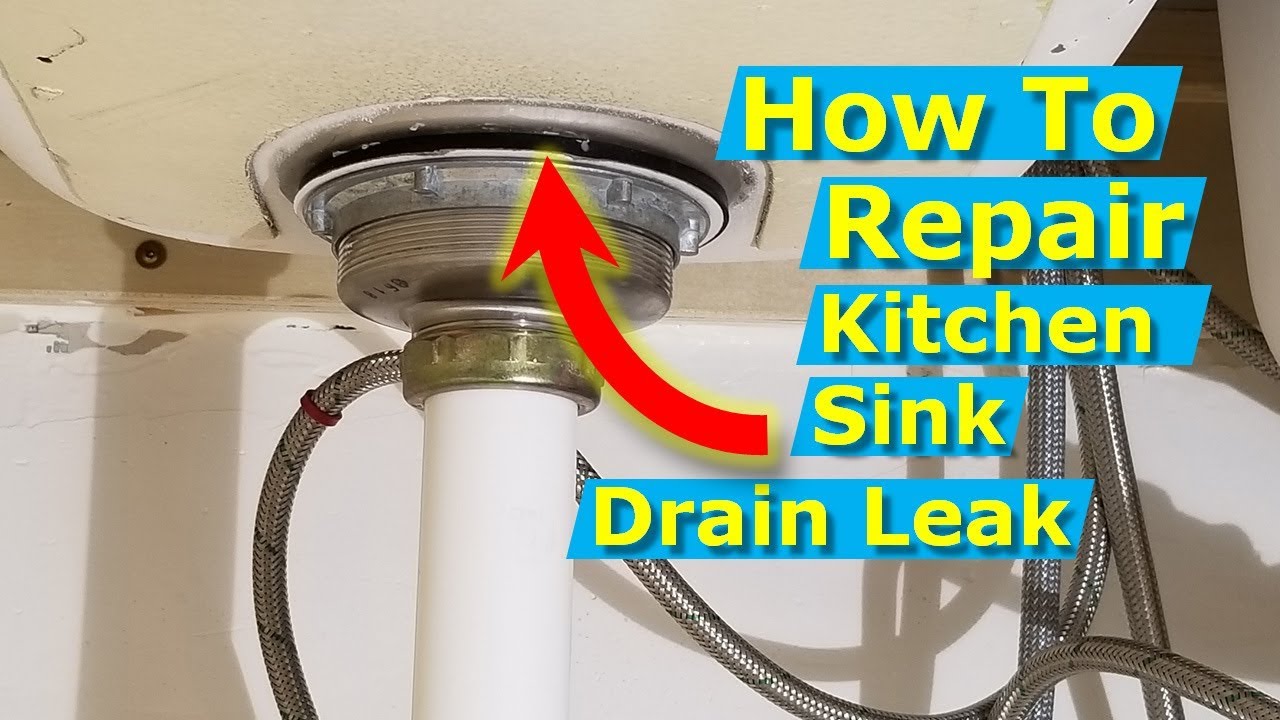
Image Source: i.ytimg.com
Deciphering the Source of Your Kitchen Sink Drain Leak
Before you can begin any plumbing repair kitchen sink, you need to pinpoint exactly where the water is escaping. Often, the problem isn’t where you first see the drip. Water can travel along pipes and surfaces, making the actual leak origin seem like it’s somewhere else.
Common Leak Spots to Inspect:
- The Sink Drain Assembly: This is the metal component where your drain opening meets the sink basin. Look for cracks or loose seals around the top, where it meets the sink, and where the tailpiece connects below.
- The P-Trap: This U-shaped pipe under your sink is designed to hold water, creating a seal that prevents sewer gases from entering your home. Leaks here are very common due to loose connections or worn-out seals. A P-trap leak can often be spotted as water dripping from the curved section.
- Pipe Connections: All the pipes and fittings under your sink are potential leak points. Check every joint where two pieces of pipe or a pipe and a fitting meet.
- The Garbage Disposal (if applicable): If you have a garbage disposal, leaks can originate from its connections to the sink, the dishwasher drain hose, or even from the unit itself.
- Supply Lines: While not directly part of the drain system, leaks from the hot and cold water supply lines can drip onto the drain pipes, making it seem like a drain leak. Ensure you’re not mistaking a supply line leak for a drain issue.
Tools and Materials You Might Need:
Having the right tools on hand makes the process smoother and faster. For most basic repairs, you won’t need specialized equipment.
- Bucket or Towels: To catch any residual water and keep the area dry.
- Adjustable Wrench (or Pipe Wrench): For tightening or loosening fittings.
- Plumber’s Tape (PTFE Tape): Used to create a watertight seal on threaded pipe connections.
- Replacement Washers or Gaskets: If you identify a worn-out seal.
- Sink Drain Pipe Sealant (or Plumber’s Putty): For sealing around the drain flange where it meets the sink basin.
- Gloves: To keep your hands clean.
- Flashlight: To get a good look at those hard-to-see areas.
- Pliers: Useful for gripping and turning small parts.
- Scraping Tool: For removing old putty or sealant.
- Rag or Sponge: For cleaning up.
Step-by-Step Guide: Repairing a Leaky Sink Pipe Fix
Once you’ve identified the leak source, it’s time to get to work. This guide focuses on common issues and offers effective drainpipe leak solution strategies.
Fixing a Loose P-Trap Connection
This is one of the most frequent culprits for a leaky sink pipe fix. The P-trap has large plastic or metal nuts that connect its various sections. These can loosen over time due to vibrations or the movement of water.
Steps for a P-Trap Leak:
- Place a Bucket: Position a bucket directly beneath the P-trap to catch any water that will drain out when you loosen the nuts.
- Inspect the Nuts: Look at the slip nuts on either side of the P-trap where it connects to the vertical tailpiece from the sink and the horizontal pipe going into the wall.
- Tighten by Hand: In many cases, a slight loosening is all that’s happening. Try tightening these nuts by hand first. Turn them clockwise.
- Use an Adjustable Wrench (If Needed): If hand-tightening doesn’t stop the leak, use an adjustable wrench. Be careful not to overtighten, as this can crack the plastic pipes or strip the threads. A snug fit is usually sufficient. Turn the wrench clockwise to tighten.
- Test the Repair: Run water in the sink for a minute or two, and then check the P-trap connections for any new drips.
When to Replace P-Trap Components:
If tightening doesn’t work, or if you see cracks in the plastic or signs of corrosion on metal pipes, it might be time to replace the P-trap assembly or its components. This is still a very manageable DIY sink drain repair.
- Identify the faulty part: Is it a cracked pipe section, a worn-out washer inside a slip nut, or a damaged nut itself?
- Purchase replacement parts: Take the old part to your local hardware store to ensure you get the correct size and type. Most P-trap components are standard.
- Disassemble: Loosen the slip nuts and carefully remove the old P-trap. Let the water drain into your bucket.
- Clean the area: Wipe down the ends of the pipes that connect to the P-trap.
- Assemble the new P-trap: Slide the slip nuts and washers onto the new pipe sections in the correct order (usually washer first, then nut). Connect the new P-trap, ensuring the washers are seated properly. Hand-tighten the slip nuts.
- Test: Run water to check for leaks. Tighten further with a wrench if necessary, but avoid overtightening.
Repairing a Leaky Sink Drain Assembly
The sink drain assembly is the part that fits into the hole in your sink basin. It consists of the flange (the visible metal part inside the sink), a rubber gasket, a cardboard or plastic washer, and a locknut. Leaks here usually occur where the assembly meets the sink basin or where the tailpiece connects to the assembly.
Steps for a Sink Drain Assembly Leak:
- Access the Underside: Clear out everything from under your sink to give yourself ample working space.
- Locate the Leak: Shine your flashlight on the drain assembly, paying close attention to the large nut holding it to the sink and where the tailpiece connects.
- Tighten the Locknut (if accessible): The large nut underneath the sink that holds the drain assembly tight to the sink basin can sometimes loosen. Use an adjustable wrench to gently tighten this nut clockwise. Be careful not to overtighten, as this could crack the sink if it’s porcelain or ceramic.
- Check the Tailpiece Connection: The tailpiece (the pipe that comes down from the drain assembly) connects to the assembly with a slip nut and washer. Tighten this nut by hand or with pliers if it feels loose.
Resealing the Drain Flange:
If tightening doesn’t work, the sealant or plumber’s putty around the drain flange might have failed. This is a common cause of leaks that seem to appear from nowhere.
- Disassemble the Drain Assembly:
- Loosen the locknut holding the drain assembly to the sink from underneath.
- Carefully pull the tailpiece away from the drain assembly.
- Push the drain assembly up from underneath the sink, so the flange comes out from the sink basin.
- Clean Thoroughly: Scrape away all the old plumber’s putty or sealant from the underside of the sink opening and the flange. Clean both surfaces until they are smooth and dry.
- Apply New Sealant:
- Apply a generous bead of plumber’s putty or sink drain pipe sealant around the underside edge of the drain flange. Make sure it forms a continuous ring.
- If you’re using plumber’s putty, roll it into a rope-like shape about 1/4 inch thick.
- Reassemble the Drain:
- Insert the flange back into the sink drain opening from above.
- From underneath, place the rubber gasket, then the cardboard or plastic washer, and finally the locknut onto the threaded tailpiece of the drain assembly.
- Tighten the locknut against the washers and gasket. This will squeeze the putty out around the flange. You can use your adjustable wrench, but again, avoid overtightening.
- Clean Up Excess Sealant: Once the locknut is snug, wipe away the excess plumber’s putty that has squeezed out around the flange inside the sink basin.
- Reconnect the Tailpiece: Attach the tailpiece to the drain assembly with its slip nut and washer. Hand-tighten.
- Test: Fill the sink with a few inches of water and let it sit for a few minutes. Then, pull the stopper and let it drain, checking for leaks underneath.
Dealing with Leaks at Other Pipe Joints
Your drain system likely has several other pipe connections beyond the P-trap and the drain assembly. These typically involve slip-nut connections with plastic or rubber washers.
Steps for Other Pipe Joint Leaks:
- Identify the Joint: Pinpoint the exact spot where the drip is occurring.
- Check for Loose Slip Nuts: Most pipe joints under the sink use slip nuts that thread onto fittings. These can loosen over time. Try tightening them by hand first, turning clockwise.
- Tighten with Pliers or Wrench: If hand-tightening isn’t enough, use pliers or an adjustable wrench to gently tighten the slip nuts. Again, do not overtighten. You should feel the nut snug up against the washer.
- Replace Worn Washers: If tightening doesn’t stop the leak, the rubber washer inside the slip nut might be old, cracked, or deformed.
- Loosen the slip nut and disconnect the pipes. Be prepared for some water to spill.
- Remove the old washer.
- Take the old washer to a hardware store to get an exact replacement.
- Install the new washer, ensuring it’s seated correctly in the fitting.
- Reconnect the pipes, hand-tighten the slip nut, and then test for leaks.
Using Sink Drain Pipe Sealant for Temporary Fixes
Sometimes, you need a quick fix while you wait for parts or a professional. Sink drain pipe sealant or specialized pipe repair tape can offer a temporary solution.
- For Cracks or Pinholes: Clean and dry the affected area thoroughly. Wrap the pipe tightly with the repair tape, overlapping each layer. If using sealant, follow the product instructions carefully. These are not permanent solutions but can buy you time.
- For Leaky Threads: If a threaded connection is slightly loose and tightening isn’t helping, you can try disassembling it, cleaning the threads, applying plumber’s tape (PTFE tape) to the male threads, and then reassembling. Wrap the tape clockwise around the threads, going in the direction you will tighten the fitting.
Troubleshooting Common Kitchen Plumbing Problems
Kitchen plumbing troubleshooting involves systematically checking components and understanding how they work together.
Is the Leak from the Drain or the Supply Line?
This is a crucial step. If you see water, it’s important to determine if it’s wastewater or fresh water.
- Observation:
- Turn off the water supply valves under the sink (both hot and cold).
- Dry all the pipes and connections thoroughly.
- Place dry paper towels or newspaper under the suspect areas.
- Turn the water supply valves back on.
- Watch closely. If the paper towels get wet from the supply lines or valves, you have a supply line leak. If the water appears from the drain pipes, it’s a drain leak.
- Alternatively, if you only see water when the sink is draining, it’s definitely a drain issue.
What If My Garbage Disposal is Leaking?
Garbage disposal leaks are common and can originate from several places:
- Mounting Gasket: Where the disposal meets the sink. Loosen the mounting ring and check the gasket. Sometimes reseating or replacing it solves the problem.
- Dishwasher Connection: The hose from the dishwasher connects to a port on the disposal. Ensure this connection is tight and the hose isn’t cracked.
- Main Body: Leaks from the main body of the disposal itself usually indicate internal failure and often require replacement of the unit.
- Drain Outlet: The pipe that carries wastewater away from the disposal can also develop leaks at its connection. Treat this like any other pipe joint leak described above.
What If the Leak is Coming from Inside the Wall?
If your kitchen sink drain repair efforts are unsuccessful, or if the leak appears to be originating from within the wall, it’s time to call a professional plumber. This could indicate a more serious issue, such as a cracked pipe within the wall cavity, which requires specialized tools and knowledge to repair safely.
DIY Sink Drain Repair vs. Calling a Plumber
Deciding whether to tackle a repair yourself or call a professional depends on the complexity of the leak and your comfort level with plumbing.
When to Consider a DIY Sink Drain Repair:
- Loose P-trap or sink drain assembly connections.
- Worn-out washers in slip-nut connections.
- A need to reseal a drain flange.
- Minor drips that are easily accessible.
When to Call a Professional Plumber:
- Leaks originating from inside the wall.
- Cracked or severely corroded pipes.
- Garbage disposal leaks from the main unit.
- If you’re uncomfortable with any step of the process.
- If you’ve tried basic fixes and the leak persists.
- If you suspect a leak in the main drain line.
Frequently Asked Questions (FAQ)
Q1: How do I stop a sink leak quickly?
A1: For a temporary fix, you can try tightening any loose slip nuts on the drain pipes by hand or with pliers. Placing a bucket underneath to catch drips is also essential. If the leak is minor, plumber’s tape or pipe repair tape can sometimes provide a short-term solution.
Q2: Can I use duct tape to fix a sink pipe leak?
A2: Duct tape is generally not a reliable or long-term solution for plumbing leaks. While it might offer a very temporary fix in an absolute emergency, it’s not waterproof for continuous exposure to drain water and will likely fail. It’s best to use proper plumbing repair materials.
Q3: What is the most common cause of a kitchen sink drain leak?
A3: The most common causes are loose connections at the P-trap or sink drain assembly, worn-out rubber washers in slip-nut fittings, or a failure of the plumber’s putty or sealant around the sink drain flange.
Q4: How tight should I make pipe fittings?
A4: Fittings should be snug, but not excessively tight. Overtightening plastic pipes can cause them to crack, and overtightening metal pipes can strip the threads. For most slip-nut connections, hand-tight plus a quarter-turn with a wrench is usually sufficient.
Q5: How often should I replace P-trap washers?
A5: P-trap washers don’t have a set replacement schedule. You should replace them if you notice leaks that cannot be stopped by tightening the fitting, or if you see any signs of cracking or degradation on the washer itself.
By following these steps, you can effectively address most kitchen sink drain leaks, saving yourself time, money, and the hassle of water damage. Remember to always prioritize safety and call a professional plumber if you’re unsure or if the problem seems beyond your DIY capabilities.