
Can I uninstall a Moen kitchen faucet myself? Yes, you can uninstall a Moen kitchen faucet yourself with basic tools and a little patience. This guide will walk you through the process to safely remove Moen faucet components and prepare your sink for a new one.
Replacing an old kitchen faucet can seem daunting, but with the right preparation and clear instructions, it’s a manageable DIY project. Whether you’re upgrading to a new style, fixing a persistent leak, or simply want a fresh look, knowing how to uninstall kitchen sink faucet fixtures is a valuable skill. This comprehensive guide focuses on how to disconnect Moen faucet units, ensuring a smooth transition for your Moen faucet replacement. We’ll cover everything from shutting off the water to detaching the various Moen faucet parts.
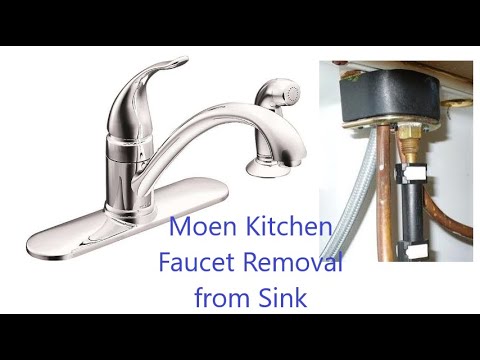
Image Source: i.ytimg.com
Preparing for Faucet Removal
Before you begin the physical process of Moen faucet disassembly, thorough preparation is key. This ensures safety and prevents water damage.
Gathering Necessary Tools and Supplies
Having the right tools on hand makes the job significantly easier and quicker. Here’s a list of what you’ll likely need:
- Adjustable Wrenches (two): Essential for loosening and tightening various nuts and fittings. Having two allows you to hold one part steady while turning another.
- Basin Wrench: This specialized tool is crucial for reaching and turning nuts in tight spaces under the sink, particularly the mounting nuts securing the faucet to the sink deck.
- Plumber’s Putty or Silicone Caulk: For creating a watertight seal when installing a new faucet.
- Bucket or Towels: To catch any residual water that may be in the pipes after shutting off the supply.
- Safety Glasses: To protect your eyes from falling debris or water splashes.
- Work Gloves: To protect your hands and improve grip.
- Flashlight or Headlamp: It can be dark under the sink, so good lighting is a must.
- Screwdriver (Phillips and Flathead): Some faucet models might have screws securing trim pieces or other components.
- Penetrating Oil (optional): If fittings are corroded or stuck, a spray of penetrating oil can help loosen them.
- Bucket or Container: To place under any connections before you loosen them to catch drips.
- Old Rags or Paper Towels: For wiping up water and cleaning.
Shutting Off the Water Supply
This is the most critical step to prevent flooding. Never attempt to disconnect Moen faucet connections without first shutting off the water.
- Locate Shut-Off Valves: Underneath your kitchen sink, you should find two shut-off valves connected to the water supply lines that lead to your faucet. One is for hot water, and the other is for cold water.
- Turn Off Valves: Turn the handles of both valves clockwise until they are completely closed. Most valves have a quarter-turn or multi-turn handle.
- Test the Water Flow: Turn on your faucet to drain any remaining water in the lines and to confirm that the water supply has been successfully shut off. Let the water run for a few seconds until it stops.
Step-by-Step Faucet Removal Process
With the water shut off and your tools ready, you can begin the physical task of removing the faucet.
Accessing the Faucet Connections Under the Sink
Getting to the underside of the sink is often the trickiest part. You’ll need to get down low, perhaps even lie on your back, to properly see and reach the connections.
- Clear the Cabinet: Remove everything from under the kitchen sink to give yourself ample working space.
- Position Lighting: Use your flashlight or headlamp to illuminate the area.
- Identify Connections: Locate the water supply lines connected to the faucet shanks. These are typically flexible hoses or rigid copper lines. You’ll also see mounting nuts that secure the faucet to the sink.
Disconnecting the Water Supply Lines
This is where you’ll disconnect Moen faucet lines from the water source.
- Place Bucket and Towels: Position a bucket or container directly beneath the water supply connections to catch any residual water. Have towels ready to wipe up any spills.
- Loosen Supply Line Nuts: Using an adjustable wrench, carefully loosen the nuts connecting the water supply lines to the faucet shanks (the threaded pipes extending down from the faucet body). Turn the nuts counter-clockwise.
- Remove Lines: Once loosened, gently pull the supply lines away from the faucet shanks. Be prepared for a small amount of water to drip out.
- Disconnect Sprayer Hose (if applicable): Many Moen faucets have a side sprayer. If yours does, locate the connection for the sprayer hose, usually a quick-connect fitting or a threaded nut. Use your wrench to disconnect it.
Detaching the Faucet from the Sink
This step involves removing the fasteners that hold the faucet assembly to the sink or countertop.
- Locate Mounting Nuts: Look for large nuts or threaded rods that go up through the sink deck and screw onto the base of the faucet. These are typically located directly below where the faucet sits on the sink.
- Use the Basin Wrench: This is where the basin wrench is indispensable. Its long handle and pivoting jaw allow you to reach and grip these nuts in confined spaces.
- Loosen Mounting Nuts: Fit the basin wrench onto the nut and turn it counter-clockwise to loosen and remove it. You might need to hold the faucet steady from above to prevent it from spinning.
- Remove Washers and Plates: As you remove the nuts, there might be metal or plastic washers and mounting plates. Keep track of these as they might be reused if compatible with your new faucet, though it’s usually best to use new ones.
Removing the Faucet Assembly
Once all connections and mounting hardware are removed, the faucet should be free.
- Lift Faucet Upward: From the top of the sink, carefully lift the entire faucet assembly.
- Peel Away Old Sealant: The faucet base might be sealed to the sink with plumber’s putty or silicone caulk. Gently pry it loose. If it’s stuck, a putty knife can help break the seal, but be careful not to scratch the sink surface.
- Clean the Sink Surface: After removing the faucet, you’ll likely have some residue from the old sealant. Clean this area thoroughly with a putty knife or scraper and a mild cleaning solution. This ensures a good surface for your new faucet’s seal.
Dealing with Common Issues During Removal
Sometimes, the process isn’t as straightforward as planned. Here are some common challenges and how to overcome them.
Corroded or Stuck Fittings
- Penetrating Oil: If nuts or connections are rusted or difficult to turn, apply a penetrating oil like WD-40. Let it sit for 15-30 minutes (or as per product instructions) before trying to loosen them again. You might need to reapply it.
- Heat (Use with Caution): In extreme cases, a hairdryer or heat gun can gently warm metal fittings, causing them to expand slightly and break free. Be extremely cautious when using heat near plastic components or in an enclosed space, and have a fire extinguisher handy.
- Pipe Wrench: For very stubborn nuts, a pipe wrench might offer more grip than an adjustable wrench, but be mindful of applying too much force, which could damage the pipes.
Tight Spaces and Limited Access
- Basin Wrench Mastery: Practice using your basin wrench to get a good feel for its grip and movement.
- Patience: Working in tight spaces requires patience. Take breaks if you feel frustrated.
- Rotational Tools (Optional): For extremely inaccessible nuts, you might consider a faucet installation/removal tool that offers different angles and grips.
Identifying Moen Faucet Parts
While you’re uninstalling, it’s helpful to know the different Moen faucet parts. This knowledge is also invaluable when you’re looking to purchase a Moen faucet replacement. Common parts include:
- Faucet Body: The main part of the faucet that houses the spout and handles.
- Spout: The part water flows out of.
- Handles: For controlling water flow and temperature.
- Cartridge: The internal mechanism that controls water flow and temperature, often the source of leaks.
- Shanks: The threaded pipes that extend down from the faucet body through the sink.
- Mounting Hardware: Nuts, washers, and plates that secure the faucet to the sink.
- Supply Lines: Flexible hoses connecting the faucet to the shut-off valves.
- Aerator: The screen at the tip of the spout that controls the water stream.
- Escutcheon: A decorative plate that can cover larger sink holes.
Knowing these components can assist you in identifying your specific Moen model for purchasing replacements or troubleshooting future issues.
Preparing for the New Faucet Installation
Once the old faucet is out, take time to clean up and prepare the sink for the new installation.
Cleaning the Sink Surface
A clean surface is essential for a proper seal and a professional-looking finish.
- Remove All Residue: Use a plastic putty knife or scraper to gently remove any remaining plumber’s putty or silicone.
- Clean Thoroughly: Wipe down the sink surface with a degreaser or all-purpose cleaner to remove any grime, mineral deposits, or adhesive. Rinse and dry the area completely.
Inspecting the Sink and Countertop
This is a good opportunity to check for any damage or wear.
- Check for Cracks or Chips: Look for any damage to the sink or countertop around the faucet holes.
- Ensure Proper Hole Size: Confirm that the existing holes in your sink are compatible with your new faucet’s design, especially if you’re changing from a single-hole to a widespread faucet or vice-versa. You might need an escutcheon plate to cover larger gaps.
Frequently Asked Questions (FAQ)
Here are some common questions people have when they need to uninstall a Moen kitchen faucet.
Q1: How do I know if my water is completely shut off?
A1: After turning off the supply valves, open the faucet handles (both hot and cold) to drain any remaining water. If no water or only a few drips come out, the water supply is successfully shut off.
Q2: My old faucet is really stuck. What else can I try to remove it?
A2: If penetrating oil doesn’t work, gently tapping the nuts with a hammer (not hitting them hard, just a few firm taps) can sometimes break the corrosion bond. Again, be cautious with heat and excessive force. A plumber may be needed if fittings are severely corroded.
Q3: Do I need a basin wrench for a Moen faucet replacement?
A3: Yes, a basin wrench is almost always necessary for DIY faucet uninstall and installation because the mounting nuts are in very tight, awkward spaces under the sink.
Q4: What if I can’t find the shut-off valves under my sink?
A4: If you cannot locate or operate the shut-off valves under your sink, you will need to shut off the main water supply to your entire house. This valve is usually located where the water line enters your home (e.g., basement, crawl space, utility closet, or outside near the water meter).
Q5: How much residual water should I expect when disconnecting the supply lines?
A5: You should only expect a small amount of residual water to drip out of the supply lines once they are disconnected. This is normal, which is why placing a bucket is important.
Q6: Can I reuse my old supply lines when installing a new Moen faucet?
A6: It is highly recommended to replace supply lines whenever you replace a faucet. Old supply lines can become brittle, kinked, or corroded, potentially leading to leaks. Always use new, appropriate-sized supply lines for a new kitchen faucet installation.
Q7: What if my new faucet has a different number of holes than my old one?
A7: If your new faucet requires a different configuration of holes, you may need to use an escutcheon plate. This decorative plate covers the existing holes and provides a base for the new faucet. You might also need to drill new holes in your sink or countertop if your new faucet requires more holes, which is a more advanced step.
Conclusion
Successfully completing a DIY faucet uninstall of a Moen kitchen faucet is an achievable goal for most homeowners. By following these steps, gathering the right tools, and preparing carefully, you can efficiently remove Moen faucet components. This process sets the stage for a smooth Moen faucet replacement and a refreshed kitchen. Remember to always prioritize safety by shutting off the water supply and wearing appropriate protective gear. With the old faucet out and the sink clean, you’re ready for the next exciting phase: your new kitchen faucet installation!