
Can I fix a broken kitchen drawer myself? Yes, you can fix most common kitchen drawer problems yourself with basic tools and a little patience.
Kitchen drawers are workhorses. They hold everything from silverware and spatulas to pots and pans. When a drawer stops working smoothly, it’s more than just an annoyance – it disrupts your kitchen flow. Fortunately, many drawer maintenance issues are fixable with simple solutions. This guide will walk you through common problems and how to tackle them, from a sticky kitchen drawer to a drawer won’t close properly.
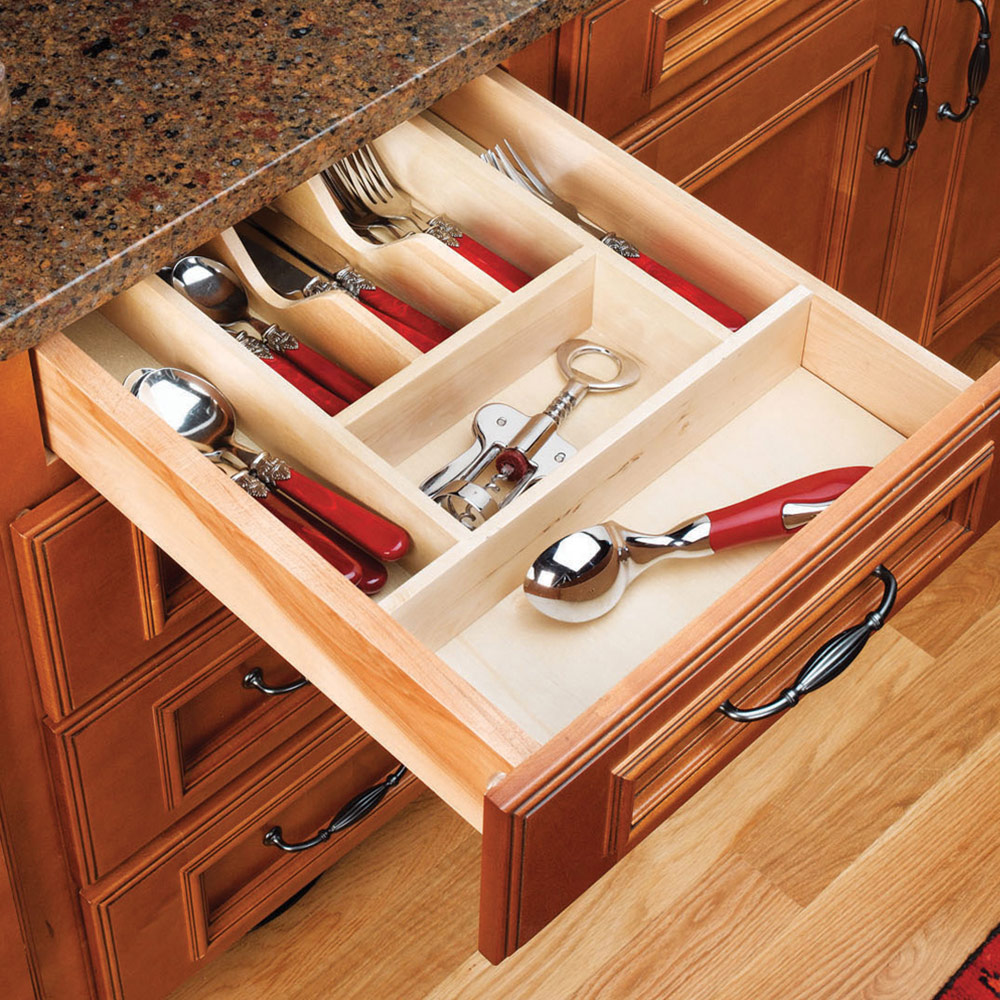
Image Source: contentgrid.homedepot-static.com
Deciphering Drawer Woes: Common Issues and Their Causes
Kitchen drawers have a lot of moving parts. Over time, these parts can wear out or get out of alignment. Let’s look at the most frequent culprits behind a malfunctioning drawer.
1. The Stubborn Slide: Drawer Not Gliding Smoothly
This is perhaps the most common complaint. You pull, and the drawer resists, or it jerks and sticks. This often points to issues with the drawer slide repair or the drawer runner.
-
Causes:
- Dirt and Debris: Over time, crumbs, dust, and grease can build up on the drawer slides, creating friction.
- Misalignment: The drawer slides themselves might have become slightly bent or out of sync.
- Worn-Out Rollers/Bearings: The small wheels or ball bearings that allow the drawer to glide can wear down or break.
- Lubrication Issues: Lack of lubrication is a major contributor to sticky drawers.
- Loose Drawer: If the drawer itself is loose in its housing, it can cause the slides to bind.
-
Solutions for a Drawer Not Gliding:
- Clean the Slides:
- Remove the drawer from its cabinet. This is usually done by extending the drawer fully and looking for a small lever or tab on each side of the slide. Push these levers down (or sometimes up) simultaneously to release the drawer.
- Use a damp cloth with a mild degreaser to wipe down the metal drawer slides. Pay attention to the channels where the rollers or ball bearings move.
- A dry cloth or brush can help remove stubborn debris.
- Lubricate the Slides:
- Once clean and dry, apply a lubricant. Silicone-based lubricants are excellent for this purpose as they don’t attract as much dust as oil-based ones. Spray lubricants or paraffin wax (rubbed along the tracks) work well.
- WD-40 can be a temporary fix, but it can attract dust over time. If you use it, wipe off any excess.
- Check for Bent Slides:
- With the drawer removed, inspect the drawer slides for any visible bends or damage. If a slide is slightly bent, you might be able to carefully straighten it with pliers or by gently tapping it with a rubber mallet. However, if it’s severely bent, drawer hardware replacement might be necessary.
- Inspect Rollers and Bearings:
- If your drawer slides have visible rollers or ball bearings, check if they are broken, missing, or seized up. If individual rollers are damaged, you might be able to find replacement parts for that specific slide type.
- Realign the Drawer:
- If the drawer feels loose or wobbly, ensure it’s properly seated on its slides. Sometimes, just pushing it back in firmly can help. If the mounting screws for the slides are loose, tighten them.
- Clean the Slides:
2. The Dreaded Stick: Sticky Kitchen Drawer
A sticky kitchen drawer can be incredibly frustrating. It often feels like you’re fighting with the drawer to open or close it.
-
Causes:
- Wood Swelling: In humid environments, the wood of the drawer or the cabinet can swell, causing it to bind.
- Lack of Lubrication: Dry slides create friction.
- Obstructions: Something might be lodged in the tracks.
- Warped Drawer: The drawer itself might be warped.
-
Solutions for a Sticky Kitchen Drawer:
- Check for Obstructions: Empty the drawer and thoroughly inspect the slides and the drawer box for any foreign objects.
- Lubricate Thoroughly: Apply lubricant liberally to the slides, both on the cabinet side and the drawer side.
- Address Wood Swelling:
- If wood swelling is the culprit, try a furniture lubricant or paste wax. These can provide a smoother surface for the wood to slide against.
- In extreme cases, you might need to lightly sand the edges of the drawer or the cabinet opening where it binds. Sand in small increments and test frequently. If you sand too much, you’ll create a gap.
- Waxing Drawer Runners: For wooden drawer runners (older cabinets often have these), rubbing a block of paraffin wax or a beeswax candle along the tracks can make a significant difference.
3. The Unwilling Closer: Drawer Won’t Close
This issue can be caused by a variety of factors, from simple obstructions to more complex slide problems.
-
Causes:
- Obstructions: Anything inside the drawer that protrudes and catches on the cabinet frame.
- Bent Drawer Slides: A bent slide on either the drawer or the cabinet will prevent it from closing fully.
- Misaligned Drawer: The drawer itself is not sitting correctly on its runners.
- Worn-Out Drawer Runner: The broken drawer runner might be preventing smooth movement.
-
Solutions for a Drawer Won’t Close:
- Clear the Path: Empty the drawer completely. Check the drawer bottom and the cabinet interior for anything that might be sticking out or preventing closure.
- Inspect Slides for Damage: With the drawer removed, carefully examine both the drawer slides and the cabinet slides. Look for bends, twists, or detached parts.
- Check Drawer Alignment: Ensure the drawer is correctly seated on its slides. Sometimes, it might have slipped off a roller or bearing.
- Address Bent Slides: If a slide is bent, attempt to straighten it gently. If it’s severely damaged, a drawer hardware replacement is the best course of action.
- Tighten Loose Screws: Loose screws holding the drawer slides to the cabinet or drawer can cause misalignment. Tighten any loose fasteners.
4. The Wobble: Loose Kitchen Drawer
A drawer that feels loose or wobbly is often due to a few key issues.
-
Causes:
- Loose Screws: The screws attaching the drawer slides to the drawer box or the cabinet are loose.
- Worn Drawer Joints: The box of the drawer itself might be coming apart at the seams.
- Drawer Slides Detached: The slides might be partially or fully detached from the drawer or cabinet.
-
Solutions for a Loose Kitchen Drawer:
- Tighten All Screws: First, check and tighten all screws holding the drawer slides to both the drawer box and the cabinet.
- Inspect Drawer Box Construction: If the drawer box itself feels loose, the wood joints might be failing. You might need to reinforce them with wood glue and new screws or nails.
- Reattach Drawer Slides: If the slides have pulled away from the wood, you may need to reattach them. If the wood is stripped, you might need to use larger screws or insert wooden dowels (toothpicks or golf tees can work in a pinch) with glue into the screw holes before reinserting the screws.
5. The Squeaker: Drawer Making Noise
A squeaking drawer is usually a sign of friction.
-
Causes:
- Dry Slides: Lack of lubrication is the primary cause.
- Metal-on-Metal Contact: If bearings or rollers are worn, metal parts might be rubbing.
-
Solutions for a Squeaking Drawer:
- Lubricate: Apply a good quality lubricant to the drawer slides.
- Check for Damaged Rollers: If lubricating doesn’t help, inspect the rollers or bearings for wear or damage. If they are the source of the squeak, replacing the drawer slide repair component or the entire slide system might be necessary.
6. The Drooper: Drawer Sagging
A drawer that sags when opened often indicates an issue with the drawer slides or the drawer itself.
-
Causes:
- Worn or Bent Slides: The slides might not be strong enough to support the drawer’s weight, or they might be bent.
- Loose Drawer Slides: The slides might not be securely attached.
- Overloaded Drawer: Excessive weight can cause the slides to flex.
-
Solutions for a Sagging Drawer:
- Check and Tighten Slides: Ensure all screws holding the slides are tight.
- Inspect for Bent Slides: Look for any bending or sagging in the drawer slides themselves. If bent, try to straighten them or consider replacement.
- Consider Heavier Duty Slides: If you frequently load your drawers heavily, you might need to upgrade to heavier duty drawer slides that are designed to handle more weight. This is a more involved cabinet drawer repair.
Types of Drawer Slides and How They Affect Repairs
The type of drawer slides your kitchen cabinets have will influence the repair process. Most modern kitchens use one of these:
| Slide Type | Description | Common Issues | Repair Approach |
|---|---|---|---|
| Ball Bearing Slides | These have two sets of metal channels with ball bearings in between. They offer smooth operation and good weight capacity. | Dirt buildup, bent tracks, damaged bearings, separation from mounting. | Cleaning, lubrication, straightening minor bends, replacing entire slide if bearings are damaged. |
| Roller Slides | These have plastic or metal rollers that glide along channels. They are typically less expensive and easier to install. | Worn or broken rollers, debris in channels, warped plastic tracks. | Cleaning, lubrication, replacing individual rollers (if available), straightening minor bends in metal tracks, replacing entire slide if plastic parts are broken or warped. |
| Undermount Slides | These are mounted to the underside of the drawer box and are hidden when the drawer is closed, offering a clean look. | Separation from drawer/cabinet, bent tracks, lubrication issues. | Often more complex to access. May require disassembling the drawer front. Cleaning, lubrication, straightening, and careful reattachment are key. Drawer slide repair here can be trickier. |
| Wood-on-Wood Slides | Older cabinets often feature drawers that slide directly on wooden runners attached to the cabinet frame. | Dry wood, swelling, friction, debris accumulation. | Cleaning, waxing or lubricating wood runners, light sanding to reduce friction. |
Step-by-Step Guide to Drawer Slide Repair and Maintenance
Let’s dive into the practical steps for tackling these common issues.
H3: Removing a Drawer From Its Cabinet
This is the first step for most repairs.
- Extend the Drawer: Pull the drawer out as far as it will go.
- Locate Release Levers: On the side of the drawer slides (usually on the inner part of the drawer-mounted slide), you’ll see small plastic or metal levers.
- Engage the Levers: Push these levers down or up, often simultaneously on both sides. This disengages the slide mechanism.
- Gently Pull Drawer Out: Once the levers are engaged, you should be able to pull the drawer completely free from the cabinet. If it’s stuck, double-check that both levers are fully engaged and that there are no obstructions.
H3: Cleaning and Lubricating Drawer Slides
This is essential drawer maintenance and often the first thing to try for a sticky kitchen drawer or a drawer not gliding.
- Gather Supplies: You’ll need a clean cloth, mild degreaser (like dish soap diluted in water), and a lubricant (silicone spray, paraffin wax, or a dry lubricant).
- Clean Thoroughly: Wipe down all parts of the metal or plastic drawer slides with the damp cloth and degreaser. For stubborn grease, a toothbrush can help get into the grooves.
- Dry Completely: Use a dry cloth to wipe away any moisture. Ensure the slides are completely dry before lubricating.
- Apply Lubricant:
- Silicone Spray: Lightly spray along the tracks of both the drawer-mounted and cabinet-mounted slides.
- Paraffin Wax: Rub a block of wax along the metal or wooden tracks.
- Dry Lubricant: Apply according to product instructions.
- Test: Reinstall the drawer and slide it in and out a few times to distribute the lubricant.
H3: Replacing Drawer Hardware
When cleaning and lubrication aren’t enough, it’s time for drawer hardware replacement. This could mean replacing worn rollers, ball bearings, or the entire slide mechanism.
- Identify the Slide Type: Carefully examine the existing slides to determine their type (ball bearing, roller, undermount) and brand if possible. Take pictures.
- Measure: Measure the length of the slide and any specific dimensions relevant to your type.
- Purchase Replacements: You can often find replacement slides at hardware stores or online. Sometimes you can buy replacement rollers or bearing kits for specific brands. It’s often easiest to replace the entire slide pair for consistent performance.
- Remove Old Slides:
- With the drawer removed, unscrew the old slides from the drawer box and the cabinet. Keep track of which screws go where.
- If the old slides are riveted, you may need to drill out the rivets or use a specialized tool to remove them.
- Install New Slides:
- Cabinet Slides: Align the new cabinet-mounted slides precisely with the pre-drilled holes (if available) or mark your own pilot holes. Ensure they are level and parallel. Screw them securely into place.
- Drawer Slides: Align the new drawer-mounted slides with the edge of the drawer box. Ensure they are parallel to the cabinet slides and at the correct height. Screw them securely.
- Test the Drawer: Carefully slide the drawer back into the cabinet, ensuring the new slides engage properly. Test its movement.
H3: Fixing Warped or Swollen Wood
For drawers that stick due to wood issues, especially in older cabinet drawer repair scenarios:
- Identify the Binding Point: With the drawer removed, look for shiny or scuffed areas on the drawer sides or bottom, and the corresponding areas on the cabinet frame. This indicates where the wood is rubbing.
- Light Sanding: Use medium-grit sandpaper to lightly sand down the high spots or rough areas on the drawer or cabinet. Sand in the direction of the wood grain.
- Test Frequently: After each light sanding session, test the drawer. It’s better to sand a little and test than to sand too much.
- Apply Protective Finish: Once the sticking is resolved, you can apply a furniture wax or a clear polyurethane to seal the wood and prevent future swelling.
- Lubricate Runners: If the drawer has wooden runners, applying paraffin wax or a wood-specific lubricant is crucial.
H3: Dealing with a Loose Drawer Box
If the drawer itself is shaky:
- Tighten Wood Joints: Inspect the corners and joints of the drawer box. If they are loose, you might see gaps.
- Apply Wood Glue: Disassemble the loose joint slightly (if possible), apply wood glue into the gap, and clamp the joint tightly.
- Reinforce with Screws/Nails: For extra strength, drive small screws or nails through the joint after applying glue. Ensure they are not too long to poke through the other side.
- Allow Glue to Dry: Let the glue dry completely according to the manufacturer’s instructions.
- Reattach Slides: Once the drawer box is sturdy, reattach the drawer slides if they were also loose.
Preventing Future Drawer Problems: Proactive Maintenance
Consistent drawer maintenance can save you a lot of hassle.
- Avoid Overloading: Don’t stuff drawers with more than they are designed to hold. Heavy items, especially on one side, can stress the slides.
- Clean Regularly: Wipe down drawer interiors and slide tracks periodically to prevent dust and debris buildup.
- Lubricate Annually: Apply a light lubricant to drawer slides once a year, especially if you notice any initial signs of sticking.
- Check for Loose Screws: Do a quick check of all cabinet and drawer hardware every few months.
Frequently Asked Questions (FAQ)
Q: My kitchen drawers are old and made of wood. They stick a lot. What can I do?
A: For wooden drawers, the primary cause of sticking is often friction and wood swelling. Clean out any debris from the wooden runners. Then, rub a block of paraffin wax or beeswax along the runners of both the drawer and the cabinet. If it continues to stick, you may need to very lightly sand the edges of the drawer where it binds.
Q: Can I fix a drawer that has popped off its slides?
A: Yes, this is usually a straightforward fix. The drawer drawer itself has likely slipped off the cabinet-mounted slides or the slides have become detached. You’ll need to remove the drawer (if it’s partially attached) and then re-align it with the cabinet slides. Check the screws holding the slides to ensure they are tight. If the drawer has a release lever, ensure it’s engaged correctly.
Q: What is the best lubricant for kitchen drawer slides?
A: Silicone-based spray lubricants are highly recommended for kitchen drawer slides. They provide smooth movement without attracting as much dust and grime as oil-based lubricants. Paraffin wax is also an excellent, inexpensive option, especially for wooden runners.
Q: My drawer slides are rusty. What should I do?
A: If the rust is minor, you can try to clean it off with steel wool and then lubricate the slides. For severe rust, replacing the drawer slides is often the best and most long-lasting solution.
Q: How do I know if I need to replace the entire drawer slide or just a part of it?
A: If you notice bent metal tracks, broken plastic components (like rollers or clips), or if the ball bearings are damaged or missing, it’s usually best to replace the entire slide assembly. If the issue is just a lack of lubrication or minor debris, cleaning and lubrication should suffice.
By following these steps, you can tackle most common kitchen drawer problems and keep your kitchen running smoothly. A little effort in drawer maintenance can prevent bigger headaches down the road, ensuring your drawers glide open and closed with ease.