
Sure, here is a long-form blog post about replacing a kitchen backsplash, with the title “How To Replace A Kitchen Backsplash: Step-by-Step”.
Can I replace a kitchen backsplash myself? Yes, you can replace a kitchen backsplash yourself, and it’s a rewarding DIY project that can dramatically update your kitchen’s look. This guide will walk you through the entire process, from removing the old backsplash to installing a beautiful new one.
Replacing your kitchen backsplash is a fantastic way to refresh your kitchen’s appearance without a major renovation. Whether your current backsplash is dated, damaged, or simply not your style anymore, this step-by-step guide will equip you with the knowledge and techniques to achieve a professional-looking result. We’ll cover everything from preparing your walls to applying the final touches.
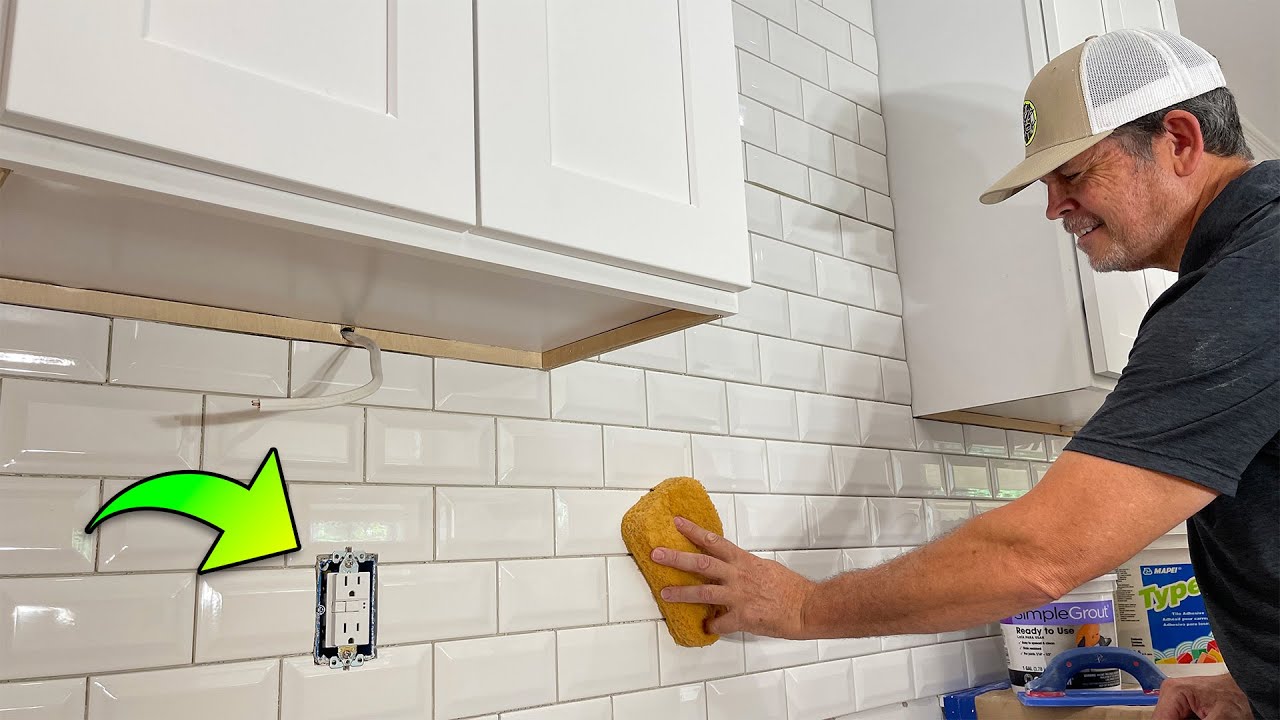
Image Source: i.ytimg.com
Step 1: Planning and Preparation
Good planning is crucial for any DIY project. It helps avoid mistakes and ensures you have everything you need before you start.
Choosing Your New Kitchen Backsplash Materials
The world of kitchen backsplash materials is vast and exciting. Your choice will depend on your aesthetic preferences, budget, and desired durability.
- Ceramic Tile: A classic and versatile choice, ceramic tile is budget-friendly, easy to clean, and comes in countless colors, patterns, and sizes. It’s a great option for DIYers.
- Porcelain Tile: Similar to ceramic but denser and less porous, porcelain is more durable, water-resistant, and can mimic natural stone or wood. It’s a bit harder to cut than ceramic.
- Natural Stone (Marble, Granite, Travertine): Offers a luxurious and unique look. Each piece is distinct. However, natural stone is more expensive, requires sealing to prevent staining, and can be heavier.
- Glass Tile: Adds a modern and bright feel. Glass tiles reflect light beautifully and are easy to clean. They can be more delicate and require special care during cutting and installation.
- Metal Tile (Stainless Steel, Aluminum): Provides a sleek, contemporary look. Metal tiles are durable and easy to wipe clean, but they can scratch and show fingerprints.
- Peel-and-Stick Backsplash: A super-easy DIY option. These come in various designs and are applied directly to the wall. They’re a great temporary or budget-friendly solution, though their long-term durability can vary.
- Subway Tile: A timeless style, typically rectangular and laid in a brick-like pattern. It works well with many kitchen designs.
- Mosaic Tile: Small tiles, often pre-mounted on mesh sheets, allowing for intricate patterns and quick installation over larger areas.
Table 1: Popular Kitchen Backsplash Materials Compared
| Material | Pros | Cons | Skill Level for DIY |
|---|---|---|---|
| Ceramic Tile | Affordable, easy to cut, wide variety, easy clean | Can chip, less durable than porcelain | Easy to Moderate |
| Porcelain Tile | Durable, water-resistant, versatile look, easy clean | Harder to cut, can be heavier, slightly more expensive | Moderate |
| Natural Stone | Luxurious, unique, durable (if sealed) | Expensive, requires sealing, can stain, heavy | Moderate to High |
| Glass Tile | Modern, bright, reflective, easy clean | Can be fragile, special cutting tools needed, pricier | Moderate to High |
| Metal Tile | Modern, durable, easy clean | Can scratch, shows fingerprints, can be expensive | Moderate |
| Peel-and-Stick | Very easy to install, budget-friendly, variety | Durability varies, can look less premium | Very Easy |
Gathering Your Tools and Supplies
Having the right tools makes the job smoother and safer. Here’s a list of essential tiling tools for kitchen projects and supplies you’ll need:
Tiling Tools:
- Safety Glasses: Protect your eyes from dust and debris.
- Work Gloves: Protect your hands.
- Putty Knife or Scraper: For removing old adhesive and caulk.
- Utility Knife: For scoring caulk and cutting materials.
- Chisel: For stubborn adhesive or grout.
- Hammer: To assist with the chisel.
- Pry Bar: For leverage during removal.
- Dust Mask: To avoid inhaling dust during removal.
- Drop Cloths or Plastic Sheeting: To protect countertops and floors.
- Screwdrivers: To remove outlet covers and any fixtures.
- Sponge and Bucket: For cleaning.
- Measuring Tape: For planning and layout.
- Level: To ensure your new tiles are straight.
- Tile Nippers or Wet Saw: For cutting tiles. A wet saw is best for porcelain or glass.
- Notched Trowel: For spreading tile adhesive. The notch size depends on your tile size.
- Tile Spacers: To maintain consistent grout lines.
- Grout Float: For applying grout.
- Grout Sponge: For cleaning excess grout.
- Buckets (at least two): For mixing grout and cleaning tools.
- Caulk Gun: For applying caulk.
- Drill with Mixing Paddle (optional): For easier grout mixing.
Supplies:
- New Backsplash Tiles: Purchase about 10-15% extra to account for cuts and mistakes.
- Tile Adhesive/Thin-set Mortar: Choose one appropriate for your tile type and intended surface.
- Grout: Select a color and type suitable for kitchens.
- Grout Sealer: Protects grout from stains and moisture.
- Caulk: Color-matched to your grout for sealing edges.
- Painter’s Tape: To protect surfaces and create clean lines.
- Cleaning Rags: For wiping surfaces.
- Primer (if needed): For preparing the wall surface.
Preparing the Work Area
Protecting your surroundings is as important as the installation itself.
- Clear the Countertops: Remove everything from your countertops.
- Cover Surfaces: Lay down drop cloths or plastic sheeting over your countertops and floors. Secure them with painter’s tape to prevent shifting.
- Remove Obstructions: Unscrew and remove outlet covers and any switch plates. If there are cabinets or appliances that might interfere, consider if they can be temporarily removed or if you need to work around them carefully.
Wall Preparation for Backsplash
This is a critical step. A clean, smooth, and stable wall surface is essential for a successful DIY backsplash installation.
- Remove Old Backsplash (Kitchen tile removal): This is often the most labor-intensive part.
- Score Caulk: Use a utility knife to score along the edges where the old backsplash meets the countertop and cabinets.
- Pry Gently: Insert a putty knife or scraper between the tile and the wall, starting at an edge or a grout line. Work your way along, gently prying. A pry bar can offer more leverage.
- Chip Away Stubborn Tiles: For tiles that don’t budge, a chisel and hammer can be used carefully. Hold the chisel at a shallow angle to avoid damaging the drywall.
- Adhesive Removal: Once the tiles are off, you’ll likely have old adhesive residue. Use a putty knife or scraper to remove as much as possible. For very tough adhesive, you might need a floor scraper or a special adhesive remover.
- Inspect the Wall: After removing the old backsplash, check the drywall or plaster for any damage, such as gouges, holes, or peeling paint.
- Repair Imperfections:
- Fill Holes and Gouges: Use spackling paste or drywall compound to fill any holes or gouges. Let it dry completely, then sand it smooth.
- Address Moisture Damage: If you find any signs of water damage, repair it now. This might involve replacing sections of drywall.
- Scrape Loose Paint: Scrape away any loose or bubbling paint.
- Clean the Wall: Wipe down the walls thoroughly with a damp cloth to remove dust and debris. Allow the walls to dry completely.
- Prime (If Necessary): If the drywall is in good condition and has a painted surface, you might not need primer. However, if you’ve done significant repairs, or if the wall is unpainted drywall or has a glossy finish, applying a primer specifically designed for tile applications (like a high-adhesion primer) can improve adhesion. Allow the primer to dry according to the manufacturer’s instructions.
Step 2: Laying Out Your New Backsplash
A good layout prevents awkward cuts and ensures a visually pleasing result.
Planning the Tile Placement
- Find the Center: Identify the most visible section of your backsplash area, often centered behind the stove. Measure the width of this area and find the center point.
- Dry Lay Tiles: Before applying any adhesive, lay out a few rows of tiles on your countertop, starting from the center point. This helps you visualize the pattern and identify where cuts will be needed.
- Mark Guidelines: Use your level and pencil to draw horizontal and vertical guideline on the wall. A horizontal line just above the countertop is crucial for ensuring your first row is straight. A vertical center line helps you maintain symmetry.
- Consider Outlet Boxes: You’ll need to cut tiles to fit around electrical outlets. Plan your tile layout so that outlet cuts are as neat as possible and don’t land in the middle of a decorative tile if possible.
Step 3: Installing the Backsplash
Now for the exciting part – bringing your new backsplash to life!
Applying Tile Adhesive
- Mix Thin-set Mortar (if using): Follow the manufacturer’s instructions for mixing thin-set mortar. It should have a peanut-butter-like consistency. Let it slake (rest) for a few minutes as directed, then remix.
- Spread Adhesive: Using the flat side of your notched trowel, spread a thin, even layer of adhesive onto a small section of the wall (about 2-3 square feet at a time). You don’t want the adhesive to dry before you place the tiles.
- Create Ridges: Hold the trowel at a 45-degree angle and comb the adhesive to create uniform ridges. These ridges help ensure full coverage of the tile’s back and good suction.
Setting the Tiles
- Place the First Tile: Begin placing tiles along your horizontal guideline, pressing them firmly into the adhesive with a slight twisting motion. This helps embed the tile and ensure good contact.
- Use Spacers: Insert tile spacers between each tile to maintain consistent grout lines.
- Work in Sections: Continue applying adhesive and setting tiles in small sections, working outward from your starting point.
- Check for Level: Periodically use your level to ensure your rows are straight. Adjust tiles as needed before the adhesive begins to set.
- Cutting Kitchen Tiles:
- Measure and Mark: Hold a tile against the wall where a cut is needed. Mark the cutting line with a pencil. For outlet cutouts, measure carefully and mark the tile.
- Using a Wet Saw: For precise cuts, especially with porcelain or glass, a wet saw is ideal. Always wear safety glasses and follow the saw’s operating instructions.
- Using Tile Nippers: For smaller, more intricate cuts or curves around outlets, tile nippers can be used. Practice on scrap tiles first.
- Scoring and Snapping (for some ceramic tiles): Some ceramic tiles can be scored with a tile cutter and then snapped cleanly over an edge.
- Fit Around Outlets: Carefully cut tiles to fit around electrical boxes. Ensure the cut edges are smooth. You may need to use tile nippers for smaller notches. Once the tiles are installed, you can install outlet extenders to bring the outlet cover flush with the new tile surface.
Adhesive Backsplash Options
For those seeking quicker and potentially simpler solutions, adhesive backsplash options exist.
- Peel-and-Stick Tiles: These are pre-adhesive tiles that you simply peel off their backing and stick onto the prepared wall. Ensure the wall is clean and smooth for best adhesion. They often come on mesh sheets similar to traditional mosaic tiles.
- Adhesive Sheets: Some products are large sheets with adhesive backing that you cut to size and apply.
Important Considerations for Adhesive Backsplashes:
- Surface Prep is Crucial: Even with adhesive, the wall must be clean, smooth, and dry. Any imperfections will show.
- Adhesion Strength: Check reviews and manufacturer claims regarding the strength and longevity of the adhesive.
- Grouting (if applicable): Some peel-and-stick options require grout, while others are designed to be installed without it. If grouting is needed, you’ll follow similar grouting steps as traditional tile.
Cleaning as You Go
Wipe away any excess adhesive that squeezes out between tiles with a damp sponge before it dries. This makes cleanup much easier later.
Step 4: Grouting and Sealing
Grouting fills the gaps, adds structural integrity, and defines the look of your backsplash.
Grouting the Backsplash
- Remove Spacers: Once the adhesive has set (usually after 24 hours, check the adhesive manufacturer’s instructions), carefully remove all the tile spacers.
- Mix the Grout: Prepare your grout according to the manufacturer’s instructions. For grout for kitchen backsplash applications, consider sanded grout for wider grout lines (1/8 inch or more) and unsanded grout for narrower lines or delicate tiles like glass. Aim for a smooth, consistent texture, like thick toothpaste.
- Apply the Grout: Using a grout float, scoop a generous amount of grout and spread it over the tiles, working at a 45-degree angle. Press firmly to push the grout into all the gaps between the tiles.
- Wipe Away Excess: Hold the grout float at a steeper angle (almost 90 degrees) and scrape off excess grout from the tile surfaces. Work diagonally across the tiles to avoid pulling grout out of the joints.
- Initial Cleaning (Hazing): Let the grout set for about 15-20 minutes, or until it forms a slight haze on the tile surface. Then, use a damp (not wet) grout sponge, rinsing it frequently in a clean bucket of water. Wipe gently in a circular motion to remove the grout haze. Rinse the sponge often and change the rinse water frequently to avoid spreading muddy grout.
- Second Cleaning: After another hour or two, you may need to do a second gentle cleaning with a slightly damp sponge to remove any remaining haze.
Sealing the Grout
- Allow Grout to Cure: Grout needs time to cure completely before sealing. This typically takes 24-72 hours, depending on the type of grout and humidity. Always check the grout manufacturer’s recommendations.
- Apply Grout Sealer: Use a small brush or applicator to apply a thin, even coat of grout sealer to the grout lines. Some sealers come with an applicator tip. Wipe off any excess sealer from the tile surface immediately with a clean rag.
- Second Coat (Optional): Depending on the sealer and the grout type, a second coat might be recommended for added protection.
Step 5: Finishing Touches
The final steps pull the project together and ensure a professional finish.
Applying Caulk
- Remove Painter’s Tape: If you used painter’s tape to protect edges, remove it now while the grout is still slightly wet.
- Caulk the Joints: Apply a bead of silicone caulk along the joint where the backsplash meets the countertop and where it meets the underside of the cabinets. Caulk is flexible and waterproof, preventing moisture from getting behind the tiles.
- Smooth the Caulk: Wet your finger with water or a caulk smoothing tool and run it along the bead of caulk to create a smooth, concave seal. Wipe away excess caulk immediately with a damp cloth.
Reinstalling Fixtures
- Outlet Extenders: If your new tile is thicker than the old tile, you may need to install electrical outlet box extenders to bring the outlet boxes forward so the outlet covers fit properly.
- Reattach Outlet Covers: Once the caulk is dry and any outlet extenders are in place, screw your outlet covers and switch plates back onto the outlets.
Frequently Asked Questions (FAQ)
Q1: How long does it take to replace a kitchen backsplash?
A1: For a standard kitchen backsplash, a DIYer can typically complete the project in a weekend. Kitchen tile removal can take several hours, depending on how well the old tiles are adhered. Installation and grouting will also take a significant portion of the time.
Q2: Can I tile over an existing backsplash?
A2: In some cases, yes. If the existing backsplash is flat, well-adhered, and has no significant damage or texture, you might be able to tile directly over it, especially with thinner tiles. However, for the best and most durable results, it’s generally recommended to remove the old backsplash first to ensure a clean, solid surface. This is part of proper wall preparation for backsplash installation.
Q3: What is the best type of adhesive for kitchen backsplashes?
A3: For most ceramic and porcelain tiles, a good quality pre-mixed tile adhesive or thin-set mortar is recommended. For glass tiles or natural stone, ensure the adhesive is specifically rated for those materials. Always check the tile manufacturer’s recommendations.
Q4: How do I clean grout haze?
A4: Grout haze is the powdery residue left on tiles after grouting. It can usually be removed with a damp sponge or microfiber cloth after the grout has set slightly. If it’s stubborn, a specialized grout haze remover can be used, following the product’s instructions carefully.
Q5: Do I need to seal ceramic tile?
A5: Unglazed ceramic tile may benefit from sealing. Glazed ceramic tile, the most common type for backsplashes, is already sealed and non-porous, so it doesn’t require grout sealing. However, the grout lines themselves always need sealing to prevent staining and moisture absorption.
By following these detailed steps, you can confidently tackle the project of replacing your kitchen backsplash, transforming your kitchen’s appearance and adding value to your home. Enjoy your beautiful new kitchen!