
Can you fix a leaking kitchen sink drain yourself? Yes, you can often repair a leaking kitchen sink drain easily with a few basic tools and some common-sense steps. This guide will walk you through the process of performing a kitchen sink drain repair and help you stop sink leak issues at their source. Dealing with a dripping faucet or a slow drain can be frustrating, but many common leaks stem from loose connections or worn-out parts that are simple to fix. We’ll cover everything from identifying the leak to putting everything back together.
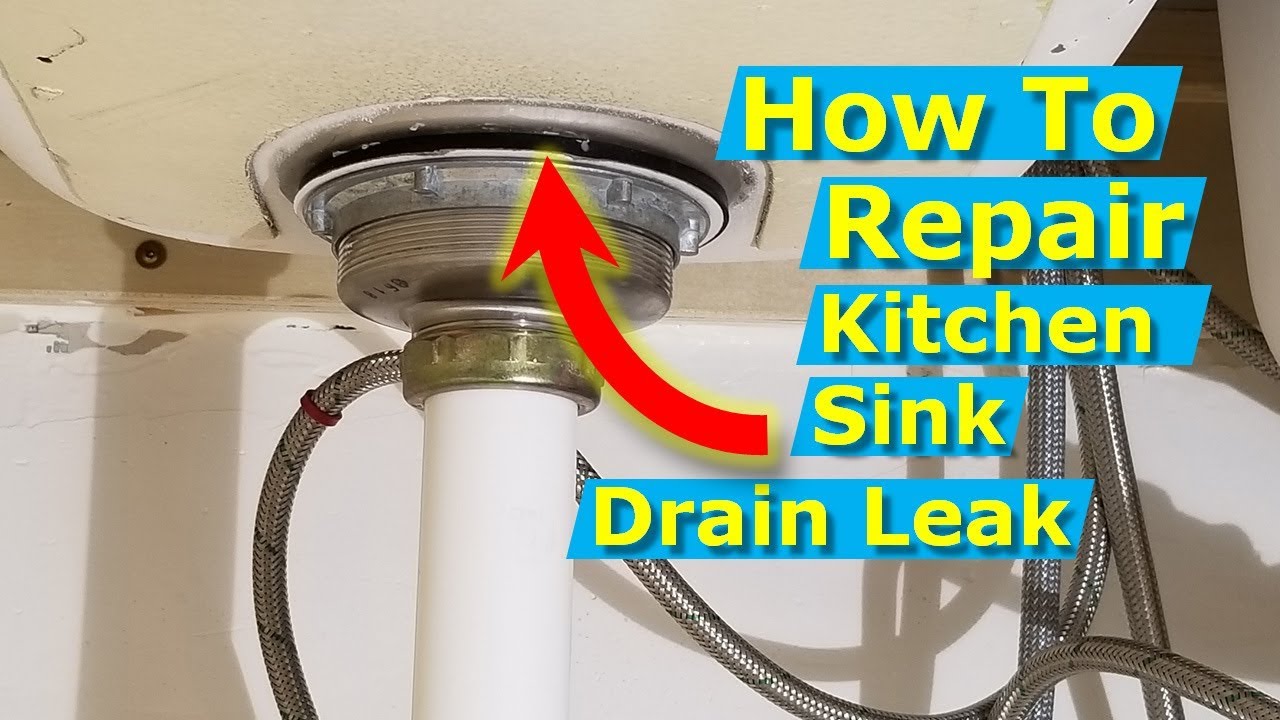
Image Source: i.ytimg.com
Locating the Source of the Drip: A Detective’s Guide
The first step in any kitchen plumbing repair is to pinpoint exactly where the water is coming from. A small leak can sometimes travel, making it seem like the problem is in one place when it’s actually originating a few inches away.
Step 1: Dry Everything Thoroughly
Grab some old towels or rags and completely dry all the pipes and fittings under your sink. Pay close attention to the P-trap (that U-shaped pipe), the tailpiece (the pipe that comes directly from the sink stopper), and the connections to the wall pipe.
Step 2: The Paper Towel Trick
Once everything is dry, place dry paper towels strategically around the suspected leak areas. You can wrap them loosely around joints or tuck them into corners.
Step 3: Run the Water and Observe
Turn on the cold water first, let it run for a minute, and then turn it off. Carefully inspect the paper towels for any signs of moisture. If they are still dry, repeat the process with the hot water. If you have a garbage disposal, run that for a few seconds as well.
Step 4: The Dye Test (For Stubborn Leaks)
If you’re still having trouble finding the exact spot, a food coloring or dye test can be very helpful.
* Add a few drops of food coloring to the sink basin.
* Fill the sink with a few inches of water.
* Let it sit for a few minutes.
* Then, drain the sink.
* Watch closely as the water drains. The colored water will highlight precisely where the leak is occurring.
Common Culprits for a Leaky Kitchen Sink Drain
Once you’ve found the leak, you’ll likely discover it’s one of these common issues:
- Loose Connections: The most frequent cause of a leak is a connection that has simply loosened over time due to vibration or temperature changes.
- Worn-Out Washers or Seals: Rubber washers and seals can degrade over time, becoming brittle or cracked, which compromises their ability to create a watertight seal.
- Cracked Pipes or Fittings: Though less common, a pipe or fitting might have a hairline crack that allows water to escape.
- Improperly Installed Parts: If a component was not installed correctly initially, it can lead to leaks.
Tools You’ll Need for Your DIY Sink Fix
Fortunately, most household repairs like fixing a sink drain don’t require specialized equipment. Here’s a basic toolkit:
- Adjustable Wrench or Pipe Wrench: For tightening or loosening fittings.
- Bucket or Basin: To catch any residual water when you disconnect pipes.
- Plumber’s Tape (PTFE Tape): Used to create a watertight seal on threaded connections.
- Replacement Washers/Seals: If you find a worn-out one, you’ll need the correct size to replace it.
- Rags or Old Towels: For drying and cleaning.
- Safety Glasses: To protect your eyes from debris or drips.
- Gloves (Optional): To keep your hands clean.
- Penetrating Oil (Optional): If fittings are stuck.
Tackling the Leak: Step-by-Step Repair Guide
Let’s get down to the business of fixing that leak. We’ll start with the easiest solutions.
H3: Tightening Drain Connections: The First Line of Defense
Often, a leak is simply a sign that a threaded connection has loosened. This is usually the easiest fix.
H4: The Slip Joint Connection
Most sink drains use slip joint connections. These are the plastic or metal nuts that hold the pipes together.
- Identify the Connection: Look for the large nuts connecting different sections of the drain pipe.
- Gentle Tightening: Try tightening these nuts by hand first. If they feel loose, give them a gentle turn.
- Using a Wrench (Carefully!): If hand-tightening doesn’t work, use your adjustable wrench. Place the wrench on the nut and turn it clockwise. Be careful not to overtighten, as this can crack the plastic fittings. A quarter to half a turn is usually sufficient.
- Test for Leaks: Run water again to see if the tightening has stopped the drip.
H4: Threaded Fittings on the Strainer
The part of the drain assembly that fits into the sink basin itself also has connections that can loosen.
- Locate the Nut: Under the sink, find the large nut holding the drain strainer assembly to the sink.
- Tighten: Again, try hand-tightening first. If it’s still loose, use your wrench to tighten it a bit. Be cautious not to damage the sink itself.
H3: Replacing a Worn-Out Drain Seal: When Tightening Isn’t Enough
If tightening connections doesn’t solve the problem, it’s likely a washer or seal has failed. This is a common reason to replace drain seal components.
H4: Replacing the Strainer Gasket
The gasket between the sink basin and the drain strainer is crucial for preventing leaks from the top.
- Gather Supplies: You’ll need a new sink strainer gasket (available at hardware stores) and your tools.
- Disconnect the Strainer: Loosen the large nut holding the drain assembly to the sink from underneath. You may need to disconnect the tailpiece first if it’s in the way.
- Remove the Old Strainer: Once the nut is off, you should be able to lift the old drain strainer out from the sink basin. There might be some plumber’s putty or sealant around it.
- Clean the Area: Thoroughly clean the sink basin opening and the underside of the new strainer to remove any old putty, sealant, or debris.
- Install the New Gasket: Place the new gasket onto the bottom of the drain strainer assembly. Ensure it’s centered.
- Reassemble: Insert the new strainer back into the sink basin. From underneath, reattach the drain assembly and tighten the large nut securely. You might want to add a bit of plumber’s putty around the flange inside the sink for an extra seal.
- Reconnect Pipes: Reconnect any pipes you disconnected earlier, ensuring slip joint nuts are snug.
- Test Thoroughly: Run water and check for leaks.
H4: Replacing Slip Joint Washers
The rubber washers inside slip joint connections can also wear out.
- Disassemble the Joint: Loosen the slip nut on the leaking connection. You might need to twist the pipes apart slightly after loosening the nut. Have your bucket ready for any residual water.
- Examine the Washer: Carefully pull out the old rubber washer. Look for cracks, flattening, or hardening.
- Purchase the Correct Replacement: Take the old washer to a hardware store to find an identical replacement. If you can’t find an exact match, look for universal drain pipe washers.
- Install the New Washer: Slide the new washer into place in the fitting, ensuring it sits flush.
- Reassemble: Put the pipes back together and tighten the slip nut. Hand-tighten first, then use a wrench for a snug fit, avoiding overtightening.
- Test: Run water to check for leaks.
H3: Fixing a Leaky Drain Pipe: When a Crack is Found
If you discover a crack in the pipe itself, you have a couple of options depending on the severity and material of the pipe.
H4: Temporary Repair with Pipe Clamps or Repair Tape
For minor cracks, especially in plastic pipes, a temporary fix might involve pipe repair tape or a clamp.
- Pipe Repair Tape: This is a specialized waterproof tape that hardens when wrapped around a pipe. Clean and dry the cracked area thoroughly. Wrap the tape tightly around the pipe, overlapping as you go, according to the manufacturer’s instructions.
- Pipe Clamp: A rubber gasket secured by a metal clamp can also create a temporary seal. Place the rubber gasket over the crack and tighten the clamp around it.
Important Note: These are often temporary solutions. For a permanent fix, you’ll need to replace the damaged section of pipe.
H4: Replacing a Section of Pipe
This is a more involved repair, usually necessary for cracked pipes or fittings.
- Measure and Purchase: Measure the damaged section of pipe and purchase an identical replacement, along with any necessary couplings or fittings.
- Disassemble: Carefully disconnect the pipes on either side of the damaged section.
- Cut and Fit: Cut out the damaged pipe using a hacksaw or pipe cutter. Ensure your cuts are clean and straight.
- Install New Section: Fit the new pipe into place using couplings and secure with appropriate fittings. For plastic pipes, you’ll typically use PVC cement. For metal pipes, you might use threaded fittings with plumber’s tape.
- Tighten and Test: Ensure all connections are secure and then test for leaks.
Troubleshooting: When Your Sink Still Drips
If you’ve gone through these steps and the leak persists, don’t despair. Here are a few more things to consider:
H4: The Garbage Disposal Connection
If you have a garbage disposal, the leak might be originating from its connection to the drain pipe or the sink flange. Check these seals and connections carefully.
H4: The Sink Flange Seal
The seal where the drain strainer meets the sink basin is critical. If it’s cracked or deteriorated, it needs to be replaced, as mentioned earlier.
H4: Clogged Drain Remedies and Their Impact
Sometimes, a severely clogged drain can put undue pressure on pipe connections, leading to leaks. While fixing a leak, it’s a good idea to ensure your drain is clear. If you suspect a clog is contributing, try using a drain snake or a plunger. If it’s a persistent clog, you might need to disassemble the P-trap to clean it out manually.
Maintaining Your Kitchen Plumbing
Regular plumbing maintenance can prevent many common problems, including sink drain leaks.
H5: Periodic Checks
Make it a habit to look under your sink every few months. Dry off the pipes and check for any signs of moisture or corrosion.
H5: Gentle Tightening
If you notice any looseness in the slip joint connections, give them a gentle tighten.
H5: Avoid Harsh Chemicals
While we sometimes look for clogged drain remedies, avoid using harsh chemical drain cleaners regularly. These can degrade plastic pipes and seals over time. Opt for mechanical methods or natural solutions like baking soda and vinegar.
H5: Proper Usage
Don’t force anything down the drain that shouldn’t go there. Grease, coffee grounds, and fibrous materials are common culprits for clogs and can stress your plumbing.
Frequently Asked Questions (FAQ)
Q: How often should I replace my sink drain seals?
A: Sink drain seals don’t have a fixed replacement schedule. They typically need replacing when they show signs of wear, such as cracking, hardening, or becoming less pliable. This could be anywhere from 5 to 15 years, depending on usage and water quality.
Q: Can I use plumber’s putty on all sink drain connections?
A: Plumber’s putty is best used for sealing sink flanges against the sink basin itself, creating a watertight barrier. For threaded pipe connections (slip joints), plumber’s tape (PTFE tape) is the preferred sealant.
Q: My drain pipes are old and corroded. What should I do?
A: If your drain pipes are significantly corroded, especially metal ones, it’s often best to replace the affected sections or even the entire drain assembly. Corroded pipes are prone to leaks and can fail unexpectedly. Consult a professional plumber if you’re unsure about replacing old piping.
Q: Is it okay to overtighten a plastic drain fitting?
A: No, it is not okay to overtighten plastic drain fittings. Plastic is brittle and can easily crack if too much force is applied, which will create a new leak that requires replacement. Tighten them until snug, and a little more if needed, but avoid excessive force.
Q: What if my sink drain is leaking from the very top, around the stopper?
A: This usually means the seal between the drain flange and the sink basin has failed. You will need to disassemble the drain assembly from underneath the sink, remove the old flange, clean the sink basin opening, and install a new flange with a fresh gasket and plumber’s putty.
By following these steps, you can effectively address most leaking kitchen sink drain issues, saving yourself the cost of a plumber and the satisfaction of a successful DIY sink fix. Remember to work patiently and methodically, and don’t hesitate to consult a professional if a problem seems beyond your comfort level.