
Can you repair a kitchen sink yourself? Yes, many common kitchen sink problems can be fixed by a DIYer with basic tools and a little guidance. This guide will walk you through the most frequent issues and how to tackle them.
A kitchen sink is the heart of many household tasks, from washing dishes to preparing meals. When it starts to act up, it can be a real nuisance. Leaks, clogs, and sputtering sprayers can disrupt your daily routine. But before you call a plumber, take a look at these common kitchen sink problems and how you can fix them yourself.
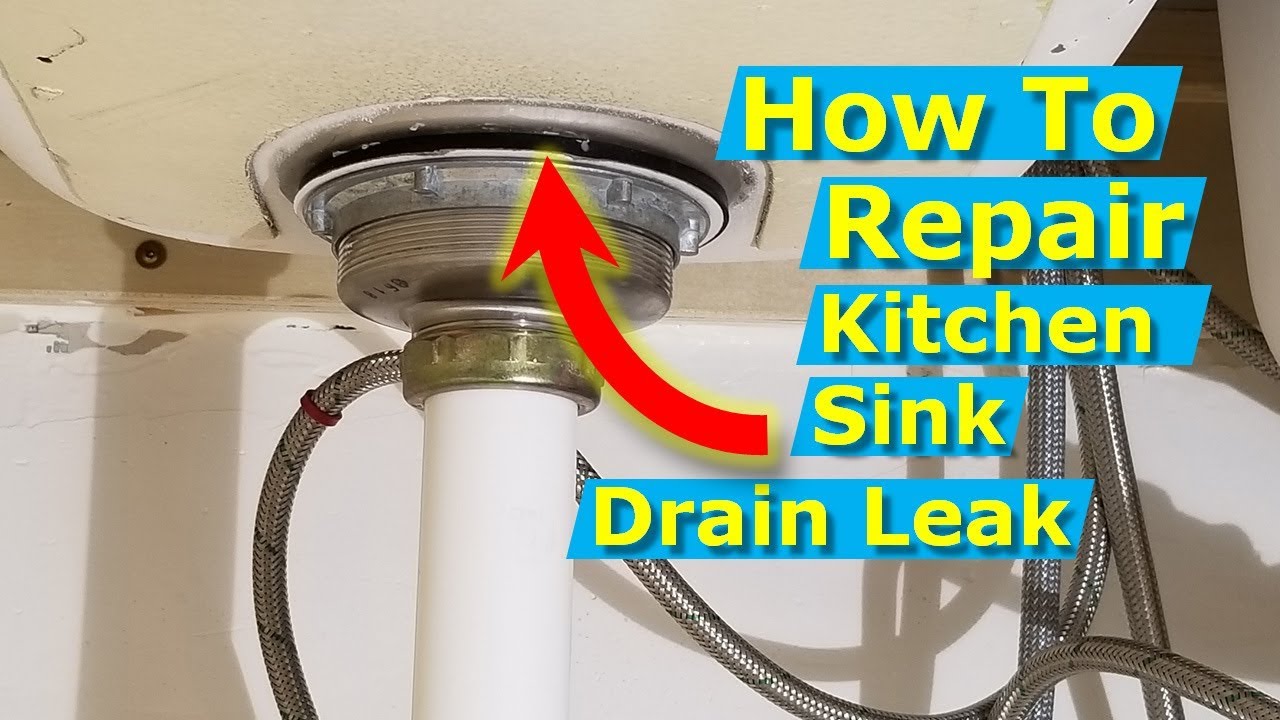
Image Source: i.ytimg.com
Tackling a Leaky Faucet
A dripping faucet is more than just annoying; it wastes water and money. Addressing a leaky faucet repair is often one of the first DIY plumbing tasks homeowners learn.
Why Does My Faucet Drip?
Most kitchen faucets drip because of worn-out internal parts, usually washers or O-rings. These small rubber components create seals to stop water flow. Over time, they can degrade due to mineral buildup or age, creating gaps where water can escape.
Tools You’ll Need for Leaky Faucet Repair:
- Adjustable wrench
- Pliers
- Screwdriver set (Phillips and flathead)
- Replacement washers, O-rings, or cartridges (depending on faucet type)
- Plumber’s grease
- Rag or towel
Steps for Dripping Tap Replacement (Compression Faucet):
- Turn Off the Water Supply: Look under the sink for the hot and cold water shut-off valves. Turn them clockwise until they are completely closed. To be safe, open the faucet to drain any remaining water and confirm the supply is off.
- Remove the Handle: Most faucet handles have a decorative cap that hides a screw. Gently pry off the cap and unscrew the handle screw. Then, lift the handle off.
- Expose the Stem: With the handle removed, you’ll see the valve stem. Use your adjustable wrench to unscrew the packing nut or retaining nut that holds the stem in place.
- Remove the Stem and Washer: Once the nut is off, you should be able to pull or unscrew the valve stem. At the bottom of the stem, you’ll find a rubber washer. This is often the culprit. Use a screwdriver to pry off the old washer. There might also be an O-ring around the stem.
- Replace Worn Parts: Take the old washer and O-ring to a hardware store to find exact replacements. Apply a thin layer of plumber’s grease to the new washer and O-ring. This helps them seal better and last longer.
- Reassemble the Faucet: Insert the new washer onto the stem and slide the stem back into its place. Screw the packing nut or retaining nut back on. Reattach the handle and its screw, and pop the decorative cap back on.
- Turn Water Back On: Slowly open the shut-off valves under the sink. Check for leaks. If it’s still dripping, you might have a ball valve or cartridge faucet, which have different repair procedures.
Ball Valve Faucets:
These faucets have a rotating ball mechanism. If yours is dripping, you’ll likely need to replace the ball, springs, and seals. Kits are available at hardware stores.
Cartridge Faucets:
These are common in modern kitchens. They use a cartridge that controls water flow. To fix a drip, you’ll need to remove the retaining clip or nut holding the cartridge and pull out the old cartridge. Replace it with a new one, ensuring it’s oriented correctly.
Clearing a Clogged Kitchen Sink Drain
A slow-draining or completely blocked sink is a common frustration. A clogged drain fix can often be achieved without calling a professional.
What Causes Sink Clogs?
Kitchen sink clogs are typically caused by a buildup of food scraps, grease, soap scum, and other debris that gets washed down the drain. Over time, this mixture hardens and obstructs the pipe.
Effective Methods for Sink Drain Unclogging:
-
The Kitchen Sink Plunger: This is your first line of defense.
- How to use a kitchen sink plunger:
- Remove any standing water if possible, or leave enough for the plunger to cover the drain opening.
- If you have a double sink, block the second drain with a wet rag or stopper to create a seal.
- Place the plunger firmly over the drain opening, ensuring a good seal.
- Pump the plunger up and down vigorously several times.
- Pull the plunger up sharply. Repeat this process several times.
- Run hot water to see if the clog has cleared.
- How to use a kitchen sink plunger:
-
Boiling Water: For grease-based clogs, boiling water can be surprisingly effective.
- Procedure: Carefully pour a kettle of boiling water slowly down the drain. Wait a few minutes. You may need to repeat this a couple of times.
-
Baking Soda and Vinegar: This classic DIY cleaner can break down minor clogs.
- How to use:
- Pour about half a cup of baking soda down the drain.
- Follow with about a cup of white vinegar.
- Immediately cover the drain with a stopper or rag.
- Let it sit for 15-30 minutes. The mixture will fizz and work to break down the clog.
- Flush with hot water.
- How to use:
-
Drain Snake (Auger): For tougher clogs, a drain snake is a more powerful tool.
- Steps for using a drain snake:
- Feed the snake into the drain opening.
- When you feel resistance, crank the handle to extend the snake and break through the clog.
- Slowly pull the snake back out, bringing any debris with it.
- Flush the drain with hot water.
- Steps for using a drain snake:
-
Cleaning the P-Trap: The P-trap is the U-shaped pipe under your sink. It’s designed to hold water, preventing sewer gases from entering your home, but it’s also a common place for clogs to form.
- Procedure:
- Place a bucket underneath the P-trap to catch water and debris.
- Use pliers or a wrench to loosen the slip nuts on either side of the P-trap.
- Carefully remove the P-trap.
- Empty its contents into the bucket and clean it thoroughly with a brush and hot water.
- Reassemble the P-trap, ensuring the seals are properly in place, and tighten the slip nuts.
- Run water to check for leaks.
- Procedure:
Troubleshooting Your Garbage Disposal
A humming garbage disposal that doesn’t grind, or one that leaks, needs attention. Garbage disposal repair can often be a simple fix.
Common Garbage Disposal Problems:
- Jamming: When the motor hums but the blades don’t spin, it’s usually jammed.
- Leaking: Leaks can occur from various points, often due to loose connections or damaged seals.
- Not Starting: If the disposal doesn’t do anything, it might be a tripped reset button or a breaker issue.
Fixing a Jammed Garbage Disposal:
- Safety First! NEVER put your hand into the garbage disposal.
- Turn Off Power: Ensure the switch for the disposal is turned OFF. Then, locate the circuit breaker for the kitchen and flip it off as well.
- Look for the Reset Button: On the bottom of the garbage disposal unit, there is usually a small red or black reset button. Press it firmly. If it popped out, it likely tripped due to an overload.
- Use the Allen Wrench: Most disposals come with a special Allen wrench. Look for a hexagonal hole in the center of the bottom of the unit. Insert the Allen wrench and turn it back and forth manually. This helps dislodge whatever is causing the jam.
- Clear Debris: After using the Allen wrench, remove any visible debris from the top opening using tongs or pliers.
- Restore Power: Turn the circuit breaker back on. Turn the disposal switch on and test it. If it runs, great! If it hums, repeat the Allen wrench steps.
Fixing Garbage Disposal Leaks:
Leaks can be tricky. Here’s where to look:
- Sink Flange: If water is leaking from where the disposal meets the sink, the mounting ring might be loose or the plumber’s putty seal has failed.
- Fix: Tighten the mounting bolts under the sink. If that doesn’t work, you might need to remove the disposal, clean off old putty, apply new plumber’s putty, and reattach it.
- Dishwasher Connection: If your dishwasher drains into the disposal, check the hose connection. Make sure the clamp is tight.
- Plumbing Connections: Inspect all pipes and connections going into and out of the disposal. Tighten any loose fittings. If a pipe or gasket is cracked or worn, it will need to be replaced.
Replacing a Sink Sprayer Hose
A cracked or leaky sink sprayer hose can spray water where you don’t want it. A sink sprayer hose replacement is a common and manageable repair.
Signs Your Sprayer Hose Needs Replacing:
- Leaking from the hose itself.
- The sprayer head is not working properly.
- The hose feels brittle or cracked.
Steps for Sink Sprayer Hose Replacement:
- Turn Off Water: As with faucet repairs, shut off the hot and cold water supply valves under the sink.
- Access the Hose: Look under the sink where the sprayer hose connects to the faucet body. There’s usually a nut or fitting holding it in place.
- Disconnect the Old Hose: You might need pliers or a wrench to unscrew the fitting. Be prepared for a small amount of residual water to drain out.
- Remove the Hose from the Faucet Body: The hose might screw directly into the faucet body or connect via a quick-connect fitting.
- Remove the Weight (if applicable): Many sprayer hoses have a weight attached to help retract the hose. This weight usually clips onto the hose. Remove it from the old hose and prepare to attach it to the new one.
- Attach the New Hose: Connect the new hose to the faucet body, ensuring a snug fit. Screw the fitting on securely.
- Reattach the Weight: Clip the weight onto the new hose at the appropriate position so the hose retracts smoothly.
- Turn Water Back On: Slowly turn the water supply valves back on and check for leaks at all connections. Test the sprayer.
Sink Strainer Repair and Maintenance
The sink strainer is the metal ring and basket that prevents larger debris from entering the drain. Issues here can cause slow draining or leaks. A sink strainer repair is usually about ensuring a good seal.
Common Strainer Problems:
- Leaking around the Rim: This often means the plumber’s putty or gasket seal under the sink flange has failed.
- Basket is Loose or Damaged: This can hinder proper draining.
Fixing a Leaky Sink Strainer:
- Tighten the Locknut: Underneath the sink, the strainer assembly is secured by a large locknut. Try tightening this first with pliers.
- Replace the Plumber’s Putty/Gasket: If tightening doesn’t help, the seal is likely the problem.
- Place a bucket under the drain pipe.
- Unscrew the locknut.
- Pull the strainer body up and out from the sink basin.
- Scrape away old putty or gasket material from both the sink opening and the strainer flange.
- Apply a generous bead of fresh plumber’s putty around the underside of the strainer flange.
- Press the strainer back into the sink opening.
- From underneath, reattach the rubber gasket (if applicable), fiber washer, and then the locknut.
- Tighten the locknut firmly. Clean away any excess putty that squeezes out around the rim.
- Let the putty cure as recommended on the packaging before using the sink heavily.
Addressing Sink Pipe Leaks
Leaky pipes under the sink can cause water damage and mold growth. A sink pipe leak fix requires identifying the source of the leak.
Where to Check for Leaks:
- Connections: Check all screw-together joints in the drain pipes (slip nuts).
- P-Trap: As mentioned earlier, the P-trap can develop leaks.
- Pipe Itself: Though less common, pipes can crack or corrode.
Fixing Leaky Pipe Connections:
- Identify the Loose Connection: With the sink empty, carefully inspect all pipe joints. You might see drips or dampness.
- Tighten Slip Nuts: If a slip nut is loose, try tightening it by hand first. If it still leaks, use pliers or a pipe wrench to tighten it a quarter to a half turn. Do not overtighten, as this can crack the plastic pipes or strip the threads.
- Replace Gaskets/Washers: If tightening doesn’t work, the rubber gasket inside the slip nut might be worn or damaged.
- Turn off the water and drain the pipes.
- Unscrew the slip nut.
- Remove the old gasket and replace it with a new one of the correct size.
- Reassemble and tighten.
Temporary Fixes for Pipe Cracks (Not Recommended for Long-Term):
While not a permanent solution, for a very minor crack in a metal pipe, you might temporarily wrap it tightly with plumber’s tape and then secure it with a hose clamp. For plastic pipes, specialized pipe repair tape can be used. However, it is highly recommended to replace any damaged pipe sections.
Replacing a Kitchen Faucet: A Step-by-Step Guide
If your faucet is beyond repair, or you simply want an upgrade, replacing sink faucet is a project you can undertake.
Tools You’ll Need:
- Adjustable wrench
- Basin wrench (essential for tight spaces under the sink)
- Pliers
- Screwdriver set
- Plumber’s putty or silicone sealant
- Bucket
- Rags
- New faucet and any necessary supply lines
Steps for Replacing Sink Faucet:
- Turn Off Water Supply: Close the hot and cold water shut-off valves under the sink. Open the old faucet to drain any residual water.
- Disconnect Supply Lines: Use a wrench to disconnect the flexible supply lines from the shut-off valves. Have a bucket and rags ready for any water that might drip out.
- Disconnect Sprayer Hose (if applicable): Disconnect the sprayer hose from the faucet body under the sink.
- Remove the Old Faucet:
- Look under the sink at the base of the faucet. You’ll see mounting nuts or screws that secure it to the sink or countertop.
- Use your basin wrench to loosen and remove these nuts. This is often the most challenging part due to limited space.
- Once the nuts are removed, lift the old faucet assembly straight up and out from the top of the sink.
- Clean the Mounting Surface: Clean away any old putty, sealant, or debris from the sink or countertop where the faucet was mounted.
- Install the New Faucet:
- Follow the manufacturer’s instructions for your new faucet.
- Most new faucets come with a gasket or require plumber’s putty/sealant applied to the base or underside of the faucet.
- Carefully position the new faucet through the holes in the sink or countertop.
- Secure the New Faucet: From underneath the sink, install the mounting hardware (washers, nuts, etc.) that came with your new faucet. Tighten them securely, but avoid overtightening. Ensure the faucet is straight before fully tightening.
- Connect Supply Lines: Connect the new flexible supply lines to the corresponding hot and cold inlets on the faucet. Then, connect the other ends to the shut-off valves. Tighten all connections with a wrench.
- Connect Sprayer Hose (if applicable): Connect the new sprayer hose to the faucet body.
- Turn Water Back On: Slowly open the hot and cold water shut-off valves.
- Test for Leaks: Turn on the new faucet and check all connections, including the supply lines and sprayer hose, for any leaks. Let the water run for a minute or two to flush out air and any debris.
Maintaining Your Kitchen Sink
Regular maintenance can prevent many common issues.
- Avoid Pouring Grease Down the Drain: Always wipe grease from pans into a container and dispose of it in the trash.
- Scrape Food Scraps: Before rinsing dishes, scrape as much food waste as possible into the trash or compost.
- Run Cold Water with Garbage Disposal: When using the disposal, always run cold water to help flush food waste through the pipes.
- Clean Strainers Regularly: Remove and clean sink strainers to prevent buildup.
- Check for Leaks Periodically: Get into the habit of looking under the sink for any signs of moisture or drips.
Frequently Asked Questions (FAQ)
Q1: How often should I replace my kitchen faucet?
A1: Kitchen faucets are generally built to last many years, often 15-20 years or more, with proper maintenance. If your faucet is consistently leaking, has poor water pressure, or the finish is significantly worn, it might be time for a replacement.
Q2: What is the difference between a compression faucet and a cartridge faucet?
A2: Compression faucets (older style) use rubber washers that are compressed against a valve seat to stop water. Cartridge faucets use a movable cartridge that controls water flow and temperature. Cartridge faucets are generally more durable and easier to repair by replacing the cartridge.
Q3: Can I use chemical drain cleaners for a clogged drain fix?
A3: While chemical drain cleaners can sometimes work, they are often harsh and can damage pipes, especially older ones. They can also be harmful to your health and the environment. It’s generally recommended to try mechanical methods like a plunger, drain snake, or P-trap cleaning first.
Q4: My garbage disposal is humming but not grinding. What should I do?
A4: This indicates a jam. First, turn off the power to the disposal at the switch and the circuit breaker. Then, use the Allen wrench that came with your disposal (or a 1/4-inch Allen wrench) in the hex-shaped hole on the bottom center of the unit to manually turn the grinding plate back and forth. This usually dislodges the obstruction. After clearing, reset the disposal using the reset button on the bottom.
Q5: What is plumber’s putty used for?
A5: Plumber’s putty is a pliable, clay-like compound used to create watertight seals around fixtures like sink strainers and faucet bases. It fills gaps between the fixture and the sink or countertop, preventing water from seeping into the cabinet below.
By following these tips and procedures, you can confidently tackle many common kitchen sink problems, saving time and money on costly plumbing services. Remember to always prioritize safety, especially when dealing with water and electricity.