
Can you remove a kitchen faucet handle yourself? Absolutely! Removing a kitchen faucet handle is a straightforward DIY task that most homeowners can accomplish with the right tools and guidance. This guide will walk you through the process step-by-step, empowering you to tackle everything from a simple faucet handle replacement to a more complex leaky faucet repair.
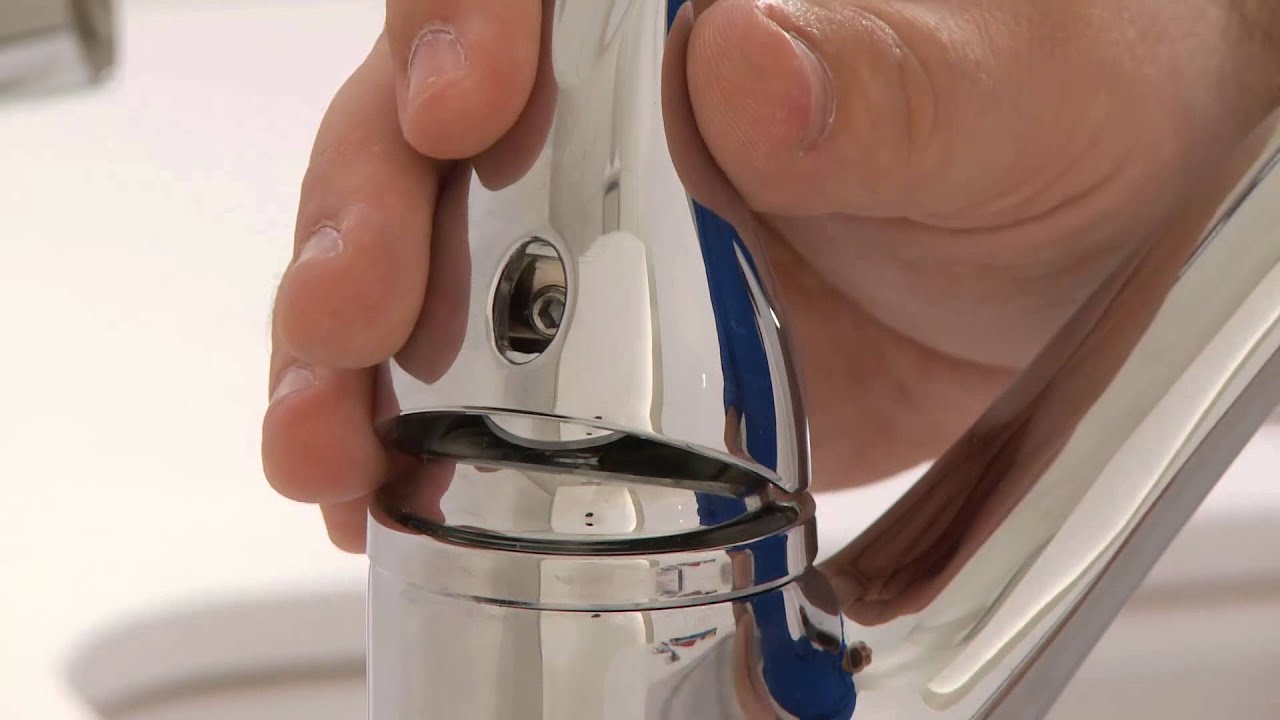
Image Source: i.ytimg.com
Why Remove a Kitchen Faucet Handle?
There are several common reasons why you might need to remove your kitchen faucet handle. Knowing these will help you prepare for the task:
- Leaky Faucet Repair: Often, a dripping faucet is caused by a worn-out washer, O-ring, or cartridge within the handle mechanism. Removing the handle is the first step to accessing these internal parts for repair or replacement.
- Faucet Handle Replacement: If your faucet handle is damaged, corroded, or simply outdated, you’ll need to remove it to install a new one. This can be a great way to update the look of your kitchen.
- Faucet Maintenance: Regular faucet maintenance can prevent future problems. Removing the handle allows for cleaning and lubricating moving parts, ensuring smooth operation.
- Deep Cleaning: Sometimes, you just need to give your faucet a thorough cleaning, and removing the handle can provide better access to all nooks and crannies.
- Upgrading Your Fixture: If you’re undertaking a larger kitchen renovation or simply want to install a new kitchen sink hardware set, you’ll need to remove the old faucet, which includes the handles.
- Dealing with Stiff Handles: A handle that’s difficult to turn might have mineral buildup or a worn internal component. Removing it allows you to address the root cause.
Gathering Your Plumbing Tools for Faucet
Before you begin, ensure you have the necessary plumbing tools for faucet tasks. Having everything ready will make the process smoother and prevent frustrating trips to the hardware store.
Essential Tools:
- Screwdrivers: You’ll likely need both Phillips head and flathead screwdrivers. Having a set with various sizes is ideal.
- Allen Wrench Set (Hex Keys): Many modern faucet handles are secured with a small set screw that requires an Allen wrench. You might need several different sizes.
- Adjustable Wrench or Pliers: These are useful for gripping parts if they’re stubborn, but use them with caution to avoid damaging finishes.
- Penetrating Oil (e.g., WD-40): For older faucets or those with signs of corrosion, a penetrating oil can help loosen stubborn screws or set screws.
- Rag or Towel: To protect your sink and countertop from scratches and to wipe away any debris or water.
- Small Bucket or Bowl: To catch any residual water that might drain from the faucet.
- Flashlight: To help you see clearly, especially when working in dimly lit areas under the sink.
- Replacement Parts (if applicable): If you’re performing a leaky faucet repair or faucet handle replacement, have your new parts ready.
Optional but Helpful Tools:
- Utility Knife or Small Flathead Screwdriver: For prying off decorative caps that hide screws.
- Plumber’s Grease: Useful for lubricating O-rings and cartridges during reassembly.
- Safety Glasses: Always a good idea to protect your eyes from any flying debris.
Step-by-Step Guide: How to Remove Kitchen Faucet Handle
Let’s dive into the actual process of how to remove a kitchen faucet handle. We’ll cover common types and techniques.
Step 1: Shut Off the Water Supply
This is the most critical first step for any plumbing work. You don’t want water spraying everywhere!
- Locate Shut-Off Valves: Look under your kitchen sink for two small valves attached to the pipes leading to your faucet. One is for hot water, and the other is for cold water. They usually have a lever or a round handle.
- Turn Off Valves: Turn both valves clockwise until they are completely shut.
- Test: Turn on the faucet to ensure the water supply has been completely stopped. Let any residual water drain out.
Step 2: Locate the Handle Screw or Set Screw
Faucet handles are typically attached in one of two ways:
Method A: Decorative Cap Hiding a Screw
Many faucet handles have a small decorative cap on the top or front that conceals a screw. This cap is often labeled with “H” for hot or “C” for cold, or it might simply be a colored dot.
- Examine the Handle: Carefully inspect the top and sides of the faucet handle for a small cap.
- Pry Off the Cap: Use a small flathead screwdriver or a utility knife to gently pry off the decorative cap. Be careful not to scratch the faucet finish. It usually pops off with a little pressure.
- Expose the Screw: Once the cap is removed, you’ll see a screw – usually a Phillips head screw – underneath.
Method B: Set Screw on the Side or Underside
Some faucet handles, particularly single-handle faucets or those with a more modern design, are secured with a set screw on the side or underside of the handle. This set screw is usually hexagonal.
- Inspect the Handle Base: Look around the base of the handle, where it meets the faucet body. You might need to feel around for a small indentation.
- Identify the Set Screw: You’ll find a small hole where an Allen wrench fits.
Step 3: Remove the Handle Screw or Set Screw
Once you’ve located the screw, it’s time to remove it.
- For Screw-Secured Handles:
- Insert the appropriate Phillips head screwdriver into the screw.
- Turn the screw counter-clockwise to loosen and remove it.
- Keep the screw in a safe place; you’ll need it for reassembly.
- For Set Screw-Secured Handles:
- Select the correct size Allen wrench from your set.
- Insert the Allen wrench into the set screw.
- Turn the Allen wrench counter-clockwise to loosen the set screw. You usually don’t need to remove the set screw completely; just loosen it enough so the handle can be pulled off.
Step 4: Gently Remove the Faucet Handle
With the screw or set screw loosened or removed, the handle should now be free from the faucet stem.
- Pull Upwards: Most handles are designed to slide straight up off the stem.
- Wiggle if Necessary: If the handle is stuck, try wiggling it gently from side to side while pulling upwards.
- Use Penetrating Oil (if stubborn): If the handle is still stuck after wiggling, apply a small amount of penetrating oil around the base where it meets the stem. Let it sit for a few minutes, then try wiggling and pulling again.
- Avoid Excessive Force: Never use excessive force, as you could damage the faucet stem or the handle itself. If it’s truly stuck, there might be another hidden screw or mechanism.
Step 5: Remove Any Additional Components (if applicable)
Depending on the faucet design, there might be other parts to remove after the handle.
- Escutcheon or Trim Ring: Some faucets have a decorative trim ring or escutcheon that sits under the handle. This might unscrew or simply pull off.
- Bonnet Nut: In some older or more robust faucet designs, you might encounter a bonnet nut that holds the internal cartridge in place. This will likely require an adjustable wrench to loosen and remove, turning counter-clockwise.
Table: Common Faucet Handle Fastening Methods
| Faucet Type | Primary Fastening Method | Screw Location | Tool Required |
|---|---|---|---|
| Traditional (Two-Handle) | Phillips or Flathead Screw | Under decorative cap on top/front of handle | Phillips/Flathead Screwdriver |
| Single-Handle (Lever) | Set Screw | Side or underside of the handle base | Allen Wrench (Hex Key) |
| Older/Heavy-Duty | Screw or Set Screw; may have bonnet nut below | Under decorative cap or side/underside of handle | Screwdriver, Allen Wrench, Adjustable Wrench |
What to Do After Removing the Handle
Once the handle is off, you have access to the inner workings of your faucet. This is where you can address specific issues.
For Leaky Faucet Repair:
If your goal was to fix a drip, you’re now ready to address the common culprits.
- Identify Cartridge or Stem: Depending on your faucet type, you’ll see either a cartridge (a cylindrical unit) or a valve stem assembly.
- Inspect O-rings and Washers: Carefully examine any rubber O-rings or washers. If they look cracked, flattened, or worn, they are likely the source of the leak.
- Replace Worn Parts: Purchase exact replacements for the O-rings, washers, or the entire cartridge. Take the old parts to the hardware store to ensure a perfect match.
- Clean Internal Components: While you have it apart, clean any mineral deposits from the internal parts using a soft brush and vinegar solution.
- Lubricate: Apply a small amount of plumber’s grease to new O-rings before installing them to ensure a good seal and easy operation.
For Faucet Handle Replacement:
- Clean the Stem: Wipe down the faucet stem to remove any dirt or corrosion.
- Install New Handle: Slide the new faucet handle onto the stem. Ensure it’s oriented correctly.
- Reinstall Screw/Set Screw: Secure the new handle by reinserting and tightening the original or new screw/set screw. Don’t overtighten.
- Replace Decorative Cap: Snap the decorative cap back into place.
For General Faucet Maintenance:
- Clean Components: Clean all removed parts thoroughly.
- Lubricate: Apply plumber’s grease to any moving parts, like the valve stem or cartridge seals.
- Reassemble: Put everything back together in reverse order.
Reassembly: Putting It All Back Together
Reassembling your faucet is essentially doing the steps in reverse.
- Place Handle: Slide the faucet handle back onto the stem, ensuring it aligns correctly.
- Secure Handle: Insert and tighten the screw or set screw to hold the handle in place.
- Reinstall Trim (if applicable): If you removed a trim ring or escutcheon, put it back on.
- Turn Water Back On: Slowly turn the hot and cold water shut-off valves back on by turning them counter-clockwise.
- Test for Leaks: Turn the faucet on to check for proper operation and to ensure there are no leaks at the handle or stem.
Troubleshooting Common Issues
Even with careful work, you might encounter a few hiccups.
- Handle Still Stuck: If the handle won’t budge, double-check for any hidden screws or caps. If you suspect corrosion, apply more penetrating oil and wait longer. Gently tapping around the base with the handle of a screwdriver might also help break a seal.
- Stripped Screw: If the screw head is stripped and the screwdriver can’t grip it, you might need a screw extractor kit. This involves drilling into the stripped screw and using a special bit to remove it.
- Parts Don’t Fit: If you’re replacing parts and they don’t seem to fit, verify that you have the correct replacement parts for your specific faucet model. Faucet components can vary greatly between brands and even different models from the same brand.
- New Leak After Repair: If you now have a new leak, it’s likely due to an improperly seated O-ring, a damaged cartridge, or a loose connection. Carefully re-examine your work.
Fathoming Faucet Handle Types
Kitchen faucets come in a variety of styles, and the method for removing the handle can differ slightly. Here’s a look at some common types:
Single-Handle Faucets
These are very popular and often feature a lever that controls both water flow and temperature.
- Design: Usually have a base where the lever pivots.
- Removal: Most commonly secured with a set screw on the side or underside of the lever’s base.
- Tip: Look for a small cap covering the set screw if you can’t find an opening.
Two-Handle Faucets
These have separate handles for hot and cold water.
- Design: Each handle typically sits on its own valve stem.
- Removal: Most often have a decorative cap on top of the handle, hiding a Phillips or flathead screw.
- Tip: Pay attention to the “H” and “C” indicators to correctly orient the handles during reassembly.
Ball Faucets
Characterized by a single handle that moves over a rounded cap.
- Design: Uses a metal or plastic ball to control water.
- Removal: The handle is usually attached with a set screw. The cap on top might then unscrew to access the ball assembly.
- Tip: You might need a faucet repair kit that includes the ball, springs, and O-rings.
Cartridge Faucets
These utilize a self-contained cartridge that mixes hot and cold water.
- Design: Can be single or double-handled. The handle operates a cartridge.
- Removal: The handle is usually removed via a set screw or a cap/screw combination. Once the handle is off, a retaining nut or clip might hold the cartridge in place.
- Tip: Cartridge replacement is a common fix for drips. Ensure you get the correct cartridge for your faucet model.
Ceramic Disc Faucets
A more modern design that uses durable ceramic discs to control water flow.
- Design: Can be single or double-handled.
- Removal: Similar to cartridge faucets, the handle is typically secured by a set screw or a hidden screw. The ceramic disc assembly is then accessed.
- Tip: Ceramic discs are very durable, but leaks can occur if the seals around them fail.
Faucet Maintenance: Preventing Future Issues
Consistent faucet maintenance can save you a lot of trouble, including preventing a persistent leaky faucet.
- Regular Cleaning: Wipe down your faucet regularly with a soft cloth to prevent mineral buildup.
- Check for Leaks: Periodically check for any signs of dripping or leaks, especially around the handles and spout.
- Lubricate: If your handles feel stiff, consider removing them and applying plumber’s grease to the O-rings and valve stems.
- Address Small Leaks Promptly: Don’t ignore a small drip. It can worsen over time and lead to water waste and potential damage. Fixing it early is often a simple repair.
Conclusion: Empowering Your DIY Journey
Removing a kitchen faucet handle is a manageable task that can lead to significant cost savings and a greater sense of accomplishment. By following these steps, gathering the right plumbing tools for faucet work, and proceeding with patience, you can confidently tackle this common home maintenance chore. Whether you’re performing a leaky faucet repair, a faucet handle replacement, or simply conducting routine faucet maintenance, you’re now equipped to handle it. Remember to always shut off the water supply first, work carefully, and keep all small parts in a safe place. Your kitchen sink hardware will be working perfectly in no time!
Frequently Asked Questions (FAQ)
Q1: What if I can’t find the screw to remove the faucet handle?
A1: Double-check the underside and sides of the handle, especially at its base, for a small hole where an Allen wrench (hex key) would fit. Some handles have a decorative cap that hides the screw; try gently prying it off with a thin, flat tool.
Q2: My faucet handle is very old and seems corroded. How can I remove it?
A2: Apply a penetrating oil (like WD-40) around the base of the handle where it meets the faucet stem. Let it soak for 10-15 minutes (or longer for severe corrosion) before trying to remove the handle again. Gentle wiggling can help.
Q3: Can I remove the faucet handle without shutting off the water?
A3: While you can physically remove the handle without shutting off the water, it is strongly advised against. Residual water will drain out, and if you accidentally disturb the valve stem or cartridge, you could cause a significant leak or spray. Always shut off the water supply under the sink first.
Q4: What if the handle itself breaks while I’m trying to remove it?
A4: If the handle breaks, you’ll need to address the remaining part stuck on the stem. If the screw is still in place and the head is damaged, you might need a screw extractor. If the stem itself is damaged, you may need to replace the entire faucet.
Q5: How do I know which replacement parts to buy for a leaky faucet repair?
A5: The best way is to take the old parts (cartridge, O-rings, washers) with you to a plumbing supply store or hardware store. They can help you find an exact match for your faucet brand and model. If you know your faucet’s brand and model number, you can often order parts directly from the manufacturer or find compatible parts online.
Q6: What’s the difference between a cartridge and a valve stem?
A6: A valve stem is typically found in older two-handle faucets and has washers and O-rings that seal against the faucet body. A cartridge is a self-contained unit that mixes hot and cold water and controls flow. Both can be the source of leaks if worn out.
Q7: I have a single-handle faucet. Do I need to remove both handles?
A7: Single-handle faucets have only one handle. Two-handle faucets have separate handles for hot and cold. You only need to remove the handle that is causing the problem or the one you intend to replace.