
Do you want to know how to make your kitchen smell good naturally? Yes, you absolutely can! Making your kitchen smell wonderful doesn’t require harsh chemicals or expensive sprays. You can achieve a pleasant kitchen aroma using simple, everyday items and a few smart habits. This guide will show you how to improve kitchen fragrance and eliminate cooking odors using natural air fresheners and homemade deodorizers.
A fresh-smelling kitchen is more than just a pleasant experience; it can make cooking more enjoyable and create a more inviting atmosphere for your family and guests. Instead of masking unpleasant smells, we’ll focus on methods that tackle the root causes and introduce delightful scents. From simmering spices to clever cleaning hacks, these kitchen scent solutions will transform your cooking space.
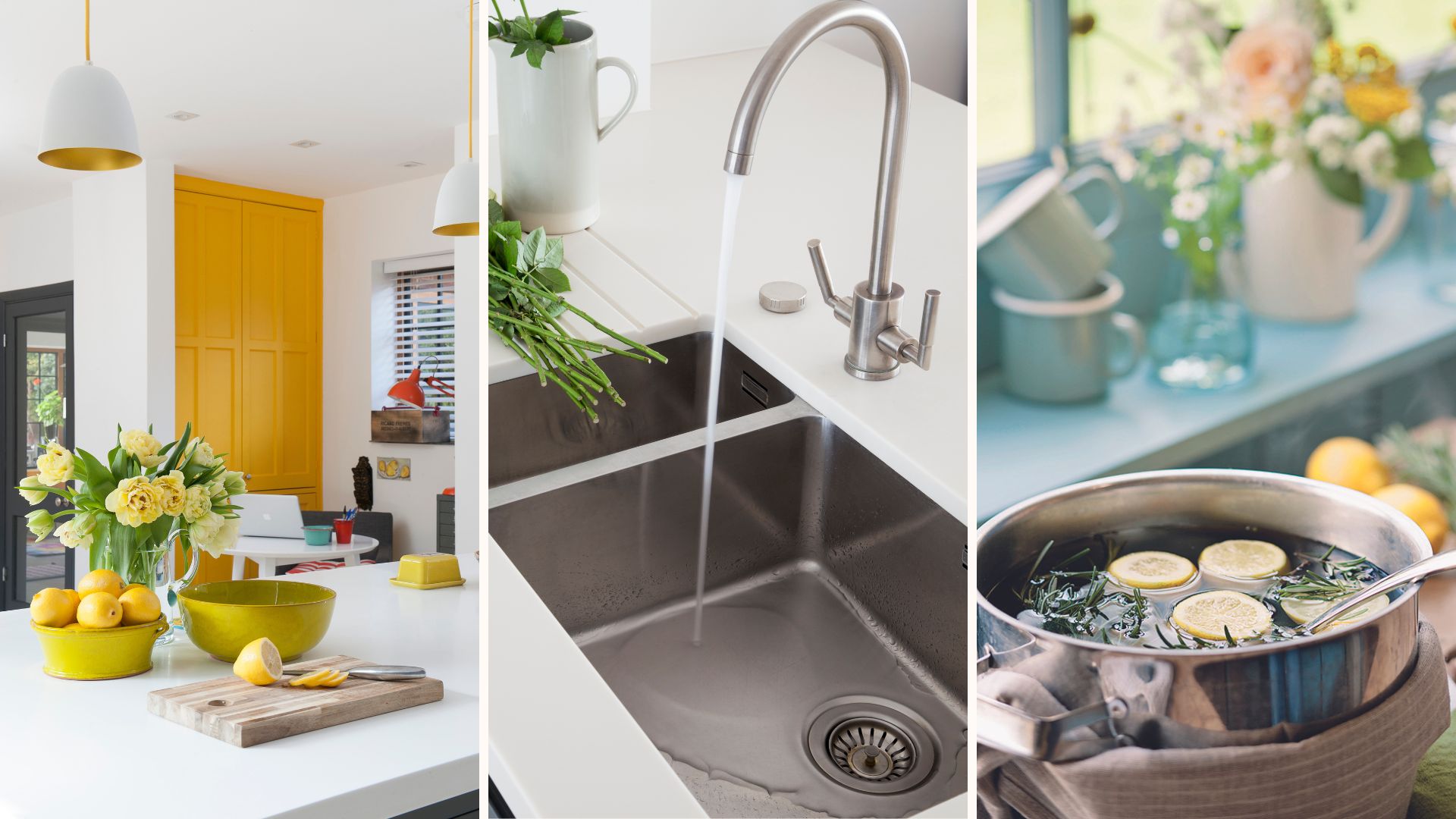
Image Source: cdn.mos.cms.futurecdn.net
The Foundation: Cleanliness is Key
Before we introduce any lovely smells, the most crucial step is to ensure your kitchen is clean. Lingering food particles, grease, and spills are the primary culprits behind bad kitchen odors. Regularly tackling these issues will make all the difference.
Daily Habits for a Fresh Kitchen
- Wipe Down Surfaces: After each meal, quickly wipe down countertops, the stovetop, and the sink. Use a damp cloth with a little dish soap or a natural all-purpose cleaner.
- Deal with Dishes Promptly: Don’t let dirty dishes pile up in the sink. Wash them immediately or rinse and place them in the dishwasher. The longer food sits, the more it can start to smell.
- Empty the Trash Regularly: Your kitchen bin is a prime source of odors. Empty it daily, especially if you’ve discarded food scraps. Rinse the bin itself periodically to prevent smells from building up.
- Clean the Sink: Rinse your sink thoroughly after use. A quick scrub with baking soda can help keep it smelling fresh and remove any lingering food debris.
- Manage Spills: Wipe up any spills as soon as they happen. Leftover liquids or food can quickly become breeding grounds for bacteria and unpleasant smells.
Weekly Deep Cleaning Tasks
- Clean the Refrigerator: Regularly check for expired food and wipe down shelves. A small bowl of baking soda uses (uncovered) inside the fridge is excellent for absorbing odors.
- Scrub the Microwave: Food splatters in the microwave can create strong, persistent smells. A simple trick is to heat a bowl of water with lemon slices or vinegar for a few minutes. The steam will loosen grime, making it easy to wipe away.
- Wash Dishcloths and Sponges: These can harbor bacteria and odors. Wash them frequently in hot water or replace sponges regularly.
- Clean the Garbage Disposal: Run citrus peels (lemon, lime, orange) through the disposal with cold water. This helps to clean it and leave a fresh scent.
- Wipe Down Cabinets and Appliances: Grease and food particles can accumulate on the outside of cabinets and appliances. A gentle cleaner will keep them fresh.
Natural Ways to Eliminate Cooking Odors
Cooking, while enjoyable, can leave behind strong smells like fish, garlic, onions, or burnt food. Here’s how to combat them effectively.
The Power of Ventilation
Ventilation and airflow are your first line of defense.
- Use Your Exhaust Fan: Always turn on your kitchen exhaust fan when cooking, especially when frying, sautéing, or cooking strong-smelling foods. Ensure it vents outside, not just recirculates air.
- Open Windows: Whenever possible, open windows, even for a short time, to allow fresh air to circulate. This is incredibly effective at clearing out stale air and cooking smells.
- Use Ceiling Fans: A ceiling fan can help move air around your kitchen, aiding in ventilation.
Simmering for Scent
Simmering natural ingredients on the stovetop is a wonderful way to create a pleasant kitchen aroma and counteract cooking smells.
Simmer Pot Recipes
Combine water with various fragrant ingredients in a saucepan and let it simmer gently on low heat.
- Citrus Burst: Slices of lemon, lime, or orange with a few cinnamon sticks and a sprig of rosemary.
- Spiced Apple: Apple slices, cinnamon sticks, cloves, and a star anise.
- Herbal Freshness: A combination of fresh herbs for smell like rosemary, thyme, and mint with a slice of lemon.
- Vanilla Comfort: A few drops of vanilla extract in water.
Important: Always keep an eye on the water level and add more as needed to prevent the pot from boiling dry.
Baking Soda: A Natural Deodorizer
Baking soda uses extend far beyond baking! It’s a fantastic natural deodorizer.
- Open Box: Place an open box or a small bowl of baking soda in your kitchen, especially near the trash or sink. It absorbs odors without adding any scent of its own. Replace it every month or so.
- Garbage Can Freshener: Sprinkle a layer of baking soda at the bottom of your trash can before lining it. This helps absorb odors from the waste.
- Sink and Disposal Refresher: Sprinkle baking soda down your sink and run cold water, or use it with your garbage disposal.
Vinegar: The Odor Neutralizer
White vinegar is another powerful natural odor absorber.
- Simmering Vinegar: Similar to simmer pots, you can simmer a small amount of vinegar (about half a cup to a cup) in a saucepan of water. The vinegar smell dissipates quickly, taking other odors with it.
- Wipe Down Surfaces: Diluted vinegar (50/50 with water) can be used to wipe down countertops and appliances, helping to neutralize lingering smells.
Natural Air Fresheners for a Delightful Kitchen
Once the underlying odors are managed, you can introduce lovely scents to enhance your kitchen’s fragrance. These are simple, effective natural air fresheners.
Essential Oils for Scent
Essential oils for scent are potent and versatile. Use them with caution, as they are highly concentrated. Always dilute them properly.
How to Use Essential Oils:
- Diffusers: Add a few drops of your favorite essential oil to a diffuser. Popular choices for kitchens include lemon, orange, grapefruit, peppermint, eucalyptus, and lavender.
- DIY Room Spray: Mix 10-20 drops of essential oil with water and a tablespoon of witch hazel or vodka in a spray bottle. Shake well before each use and lightly mist the air.
- Cotton Balls: Place a few drops of essential oil on cotton balls and tuck them away in inconspicuous places like behind appliances or in drawers.
- Simmer Pot Addition: Add a few drops of essential oil to your simmering water for an extra boost of fragrance.
Popular Essential Oils and Their Benefits:
| Essential Oil | Aroma Profile | Kitchen Benefits |
|---|---|---|
| Lemon | Bright, zesty | Cleansing, uplifting |
| Orange | Sweet, citrus | Cheerful, invigorating |
| Grapefruit | Tangy, fresh | Energizing, purifying |
| Peppermint | Cool, minty | Refreshing, stimulating |
| Lavender | Floral, calming | Relaxing, subtle |
| Eucalyptus | Camphoraceous | Purifying, invigorating |
| Rosemary | Herbaceous, woody | Focusing, cleansing |
Fresh Herbs for Smell
Beyond their culinary uses, fresh herbs for smell can contribute to a beautiful kitchen aroma.
- Bouquets: Create small bouquets of fragrant herbs like mint, rosemary, or basil and place them in jars of water on your windowsill or counter.
- Dried Herbs: You can also use dried herbs in sachets or simmer them in water.
Fruit Power
Certain fruits are excellent for adding natural fragrance.
- Citrus Peels: Don’t throw away citrus peels! Simmer them in water, or dry them and add them to potpourri.
- Fruit Bowls: A bowl of fresh fruit, especially citrus fruits, can add a subtle, pleasant scent.
Coffee Grounds
- Deodorizer: Dried, used coffee grounds can be placed in a bowl to absorb odors. They also impart a subtle coffee aroma, which can be quite pleasant in a kitchen.
Spices
- Simmering Spices: Cinnamon sticks, cloves, and star anise are classic for simmer pots, creating warm, inviting scents, especially during cooler months.
Beyond the Basics: Advanced Kitchen Scent Solutions
For those looking for more long-term or specific solutions, consider these approaches.
Invest in a Good Air Purifier
An air purifier with a HEPA filter and an activated carbon filter can effectively remove airborne particles and odors, improving overall air quality and kitchen fragrance.
Natural Cleaning Products
Many commercial cleaning products contain artificial fragrances that can be overpowering or even irritating. Opt for natural cleaning solutions or make your own using ingredients like vinegar, lemon juice, and baking soda.
Houseplants
Certain houseplants can help purify the air and add a touch of natural freshness. Consider plants like:
- Spider Plant: Known for its air-purifying qualities.
- Snake Plant: Excellent at removing toxins from the air.
- Peace Lily: Adds a touch of elegance and helps improve air quality.
Regular Maintenance of Appliances
- Dishwasher: Run a cleaning cycle with vinegar or a dishwasher cleaner regularly to prevent odors from building up.
- Oven: Clean your oven regularly, as burnt-on food can create unpleasant smells.
- Refrigerator: As mentioned, keeping it clean and using baking soda is vital.
Creating a Welcoming Kitchen Aroma
The goal is to create a consistently pleasant kitchen aroma that welcomes you and your guests. This involves a combination of proactive cleaning and the thoughtful introduction of natural scents.
Seasonal Scents
Tailor your kitchen scents to the seasons:
- Spring/Summer: Citrus, mint, basil, light floral notes.
- Autumn/Winter: Cinnamon, clove, apple, ginger, vanilla, pine.
Mindful Ingredient Selection
Choose ingredients that naturally smell good. Freshly baked bread, simmering herbs, or a pot of simmering fruit can make your kitchen a truly inviting space.
Frequently Asked Questions (FAQ)
Q1: How often should I clean my kitchen to maintain a good smell?
A: Daily wipe-downs of surfaces, immediate dish washing, and regular trash removal are key. A weekly deep clean of appliances and the fridge will also make a big difference.
Q2: Can I use essential oils directly on surfaces to make my kitchen smell good?
A: It’s generally not recommended to apply undiluted essential oils directly to surfaces, as they can sometimes damage finishes. It’s best to use them in diffusers, DIY sprays, or on cotton balls.
Q3: What’s the best way to get rid of strong fish smells after cooking?
A: Good ventilation is crucial. Open windows and use your exhaust fan. Simmering lemon slices or vinegar, or using a baking soda deodorizer can also help neutralize the odor.
Q4: My garbage disposal smells bad. What can I do?
A: Try running citrus peels (lemon, lime, orange) through it with cold water. You can also sprinkle baking soda down the drain, let it sit for a few minutes, then flush with hot water.
Q5: Are there any plants that are particularly good for kitchen air quality and scent?
A: Spider plants and snake plants are excellent for air purification. While they don’t add a strong scent, they help remove odor-causing particles. For gentle fragrance, consider a small herb garden on your windowsill.
By incorporating these simple, natural strategies, you can easily transform your kitchen into a fresh, inviting space with a delightful and pleasant kitchen aroma. Enjoy the process of making your kitchen smell naturally wonderful!