
Image Source: cdn.apartmenttherapy.info
How To Make Kitchen Drain Smell Better Naturally: Easy Odor Solutions
Does your kitchen sink have a bad smell? You’re not alone! A smelly kitchen drain is a common problem. But how can you make your kitchen drain smell better naturally? You can use simple household items like baking soda, vinegar, and boiling water to tackle odors.
Why Do Kitchen Drains Smell?
Kitchen drains can smell bad for a few reasons. Food scraps, grease, and other gunk can build up over time. This buildup can start to rot and create unpleasant odors. It’s like leaving old food out – it starts to stink.
- Food Particles: Small bits of food, like coffee grounds, vegetable peels, and leftover scraps, can get stuck in the pipes.
- Grease and Oil: When you pour grease or oil down the drain, it doesn’t just wash away. It cools and solidifies, sticking to the inside of the pipes. This creates a sticky surface where other debris can cling.
- Soap Scum: Even soap can leave a residue that traps dirt and creates a breeding ground for bacteria.
- Garbage Disposal Issues: If you have a garbage disposal, food waste can get trapped and start to decompose if not cleaned properly.
- Trapped Moisture: Dampness in the pipes can also contribute to mold and mildew growth, which have a distinct musty smell.
Natural Ways to Make Your Kitchen Drain Smell Better
You don’t always need harsh chemicals to get rid of drain odors. Many effective solutions use common kitchen staples. These natural methods are safer for your pipes and the environment.
The Power Duo: Baking Soda and Vinegar
This is a classic for a reason. Baking soda and vinegar create a fizzy reaction that helps break down buildup and neutralize odors. This is a great way to do some kitchen sink odor removal.
What You’ll Need:
- 1/2 cup baking soda
- 1 cup white vinegar
- Boiling water
Steps:
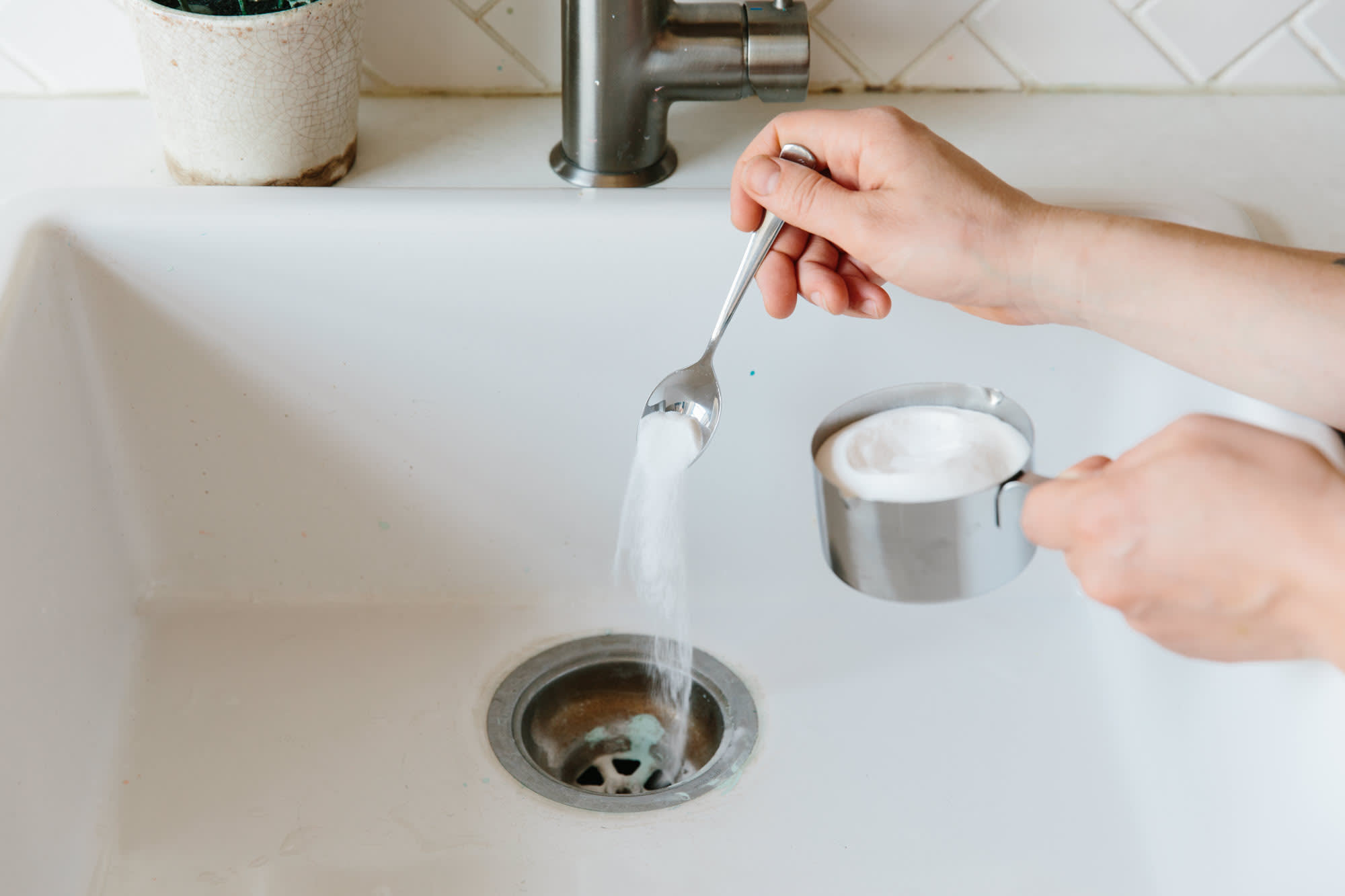
- Pour Baking Soda: First, pour the baking soda directly down the drain. Make sure it goes into the drain opening.
- Add Vinegar: Next, slowly pour the white vinegar into the drain. You’ll see it start to fizz and bubble immediately. This is the reaction working!
- Let It Sit: Let this mixture sit in the drain for at least 30 minutes. An hour is even better if the smell is strong.
- Flush with Hot Water: After waiting, pour a kettle of boiling water down the drain. This helps wash away the loosened debris and the baking soda/vinegar residue.
This baking soda drain cleaner and vinegar drain deodorizer combination is simple and effective. It’s a fantastic natural drain cleaner recipe.
Boiling Water Flush
Sometimes, all your drain needs is a good hot flush. This can help melt away grease and dislodge minor clogs.
What You’ll Need:
- A kettle of boiling water
Steps:
- Boil Water: Heat up a kettle of water until it’s boiling.
- Pour Slowly: Carefully and slowly pour the boiling water directly down the drain. Do this in stages, letting the hot water work for a few seconds between pours.
This is a quick way to rinse out the pipes and can help prevent kitchen sink smells from developing.
Lemon Power: Citrus Freshness
Lemons don’t just taste good; they can make your drain smell amazing! The citric acid helps cut through grease, and the scent is a natural deodorizer.
What You’ll Need:
- Lemon peels (from about 1-2 lemons)
- Optional: 1/2 cup baking soda
Steps:
- Use Peels: After you’ve used lemons, don’t throw away the peels! Drop them down the drain.
- Add Baking Soda (Optional): You can add baking soda along with the lemon peels for extra cleaning power.
- Flush: Follow up with a kettle of boiling water.
This is another great natural drain cleaner recipe that leaves a pleasant, fresh scent.
Salt and Hot Water Method
Salt is a natural abrasive and can help scrub away buildup. Combined with hot water, it can be an effective cleaner.
What You’ll Need:
- 1/2 cup salt
- Boiling water
Steps:
- Pour Salt: Pour the salt down the drain.
- Flush with Boiling Water: Immediately follow with boiling water.
This method is simple and good for a quick refresh.
Tackling Garbage Disposal Odors
If you have a garbage disposal, it’s a common source of bad smells. Food particles can get stuck and rot. Regular cleaning is key to garbage disposal cleaning.
How to Clean Your Garbage Disposal Naturally:
- Ice Cubes: Toss a handful of ice cubes into the disposal. Turn it on with cold water running. The ice can help scrape away food debris clinging to the sides.
- Citrus and Ice: Combine ice cubes with citrus peels (lemon, orange, lime) for a double whammy of cleaning and deodorizing.
- Baking Soda and Vinegar: Pour 1/2 cup of baking soda into the disposal, followed by 1 cup of vinegar. Let it fizz for 10-15 minutes, then flush with cold water.
- Salt and Ice: Use salt with ice cubes for extra abrasive power.
- Avoid Certain Foods: Don’t put fibrous foods (like celery or corn husks), starchy foods (like potato peels or pasta), or coffee grounds down the disposal, as they can cause clogs and smells.
Proper garbage disposal cleaning is essential to prevent kitchen sink smells.
Clearing a Smelly, Clogged Drain
Sometimes, a smelly drain is also a slow or clogged drain. You need to unclog smelly drain situations. The baking soda and vinegar method is a good first step. If that doesn’t work, you might need a bit more power.
Using Salt and Hot Water to Unclog:
This is similar to the deodorizing method but uses more salt.
What You’ll Need:
- 1 cup salt
- 1 cup baking soda
- Boiling water
Steps:
- Mix Dry Ingredients: Combine salt and baking soda in a bowl.
- Pour Down Drain: Pour the mixture down the drain.
- Add Vinegar (Optional): You can add 1 cup of vinegar for extra fizz and cleaning power. Let it sit for 15-20 minutes.
- Flush with Boiling Water: Pour a kettle of boiling water down the drain. Repeat if necessary.
This combination can help break up blockages and tackle odors simultaneously.
Preventing Future Kitchen Sink Smells
The best way to deal with smelly drains is to prevent the problem in the first place. Here are some tips to prevent kitchen sink smells.
- Scrape Plates: Always scrape food scraps into the trash or compost bin before rinsing plates and pans.
- Avoid Pouring Grease: Never pour grease, oil, or fats down the drain. Wipe greasy pans with paper towels before washing, or pour the grease into a disposable container and throw it away.
- Run Cold Water with Garbage Disposal: When using your garbage disposal, always run cold water. This helps solidify any grease, allowing the disposal to break it up and flush it away more easily.
2. Use a Drain Strainer: A simple drain strainer catches food particles and hair, preventing them from going down the drain and causing blockages and smells. Clean it regularly.
3. Regularly Flush with Hot Water: Once a week, pour boiling water down your drains to help clear out any buildup.
4. Occasional Baking Soda/Vinegar Treatment: Even if your drain doesn’t smell, a monthly baking soda and vinegar flush can help keep pipes clean and odor-free.
By following these steps, you can significantly prevent kitchen sink smells and keep your kitchen smelling fresh.
When to Call a Professional
While natural remedies are great for maintenance and minor issues, sometimes a stubborn clog or persistent odor indicates a larger problem. If you’ve tried these drain cleaning tips and the smell or clog persists, it might be time to call a plumber. They can identify issues like pipe blockages further down the line or even problems with your home’s ventilation system.
Comparison of Natural Drain Cleaning Methods
Here’s a quick look at how some of these natural methods stack up for different purposes:
| Method | Primary Purpose | Ease of Use | Effectiveness (Light Odor) | Effectiveness (Grease Buildup) | Effectiveness (Minor Clogs) |
|---|---|---|---|---|---|
| Baking Soda & Vinegar | Odor Removal, Cleaning | Easy | High | Medium | Medium |
| Boiling Water | Flushing, Melting Grease | Very Easy | Medium | High | Low |
| Lemon Peels | Deodorizing, Light Cleaning | Easy | High | Low | Very Low |
| Salt & Hot Water | Scrubbing, Minor Clogs | Easy | Medium | Medium | Medium |
| Baking Soda, Salt, Vinegar | Heavy Odor, Clogs | Easy | High | High | High |
These household remedies for drain odor are excellent for general upkeep and tackling common kitchen sink issues.
Addressing Bathroom Drain Odors
While this article focuses on kitchen drains, many of these principles apply to eliminate bathroom drain smell too. Hair, soap scum, and toothpaste residue can cause similar problems in bathroom sinks and showers.
Tips for Bathroom Drains:
- Baking Soda and Vinegar: Works wonders in bathrooms too.
- Boiling Water: Good for flushing away soap scum.
- Drain Strainers: Essential for catching hair.
- Regular Cleaning: Don’t let buildup occur.
The Science Behind the Fizz: Baking Soda and Vinegar
When baking soda (sodium bicarbonate, a base) and vinegar (acetic acid, an acid) mix, a chemical reaction occurs. This produces carbon dioxide gas, water, and sodium acetate.
NaHCO₃ (baking soda) + CH₃COOH (vinegar) → CO₂ (gas) + H₂O (water) + CH₃COONa (sodium acetate)
The fizzing action of the carbon dioxide gas helps to physically dislodge grime and food particles from the drain pipes. The acidic nature of vinegar can also help break down some types of organic matter and mineral deposits, while baking soda is a mild abrasive and deodorizer. This is why the combination is so effective for kitchen sink odor removal.
A Deeper Dive into Drain Cleaning Tips
Beyond the immediate odor fixes, consider these drain cleaning tips for long-term pipe health:
- Enzyme Cleaners: These are biological cleaners that use enzymes to break down organic waste. They are generally safer than chemical drain cleaners and can be used regularly for maintenance.
- Plunger Power: For a minor clog, a plunger can create suction to dislodge the blockage. Make sure to create a good seal with water in the sink.
- Drain Snake/Auger: For tougher clogs that are too deep for natural remedies, a drain snake can be manually fed into the pipe to break up or pull out the obstruction. This is a useful tool when you need to unclog smelly drain issues that simple flushes can’t fix.
Remember, the goal is to maintain clear, clean pipes to prevent kitchen sink smells.
Common Questions About Drain Odors
Q1: Can I pour bleach down the kitchen sink to remove odor?
A1: While bleach can kill bacteria and temporarily mask odors, it’s generally not recommended for regular drain cleaning. It can be harsh on pipes, especially older ones, and it’s not environmentally friendly. Natural methods are preferred for a natural drain cleaner recipe.
Q2: How often should I clean my kitchen drain?
A2: For prevention, a baking soda and vinegar flush once a month is a good idea. If you notice any smells or slow draining, address it immediately using the drain cleaning tips provided. Regular garbage disposal cleaning is also crucial.
Q3: My drain still smells after using baking soda and vinegar. What else can I do?
A3: If the odor persists, it might indicate a more significant buildup or a different issue. Try using a stronger combination of salt, baking soda, and vinegar, or consider using a drain snake if you suspect a clog. If all else fails, it’s time to call a plumber to unclog smelly drain problems. You might also want to check for odors that aren’t directly from the drain itself, perhaps from under the sink.
Q4: Are there any natural ways to eliminate bathroom drain smell?
A4: Yes, the same principles apply. Baking soda, vinegar, boiling water, and lemon peels are excellent household remedies for drain odor in bathrooms as well. Catching hair with a drain strainer is particularly important for bathroom sinks and showers to eliminate bathroom drain smell.
Q5: What foods cause the worst kitchen sink smells?
A5: Greasy foods, dairy products, rotting vegetables, coffee grounds, and meat scraps are common culprits. These decompose quickly and create strong odors when they get stuck in drains or the garbage disposal. Proper disposal and regular cleaning are key to prevent kitchen sink smells.
By implementing these easy, natural solutions and preventative measures, you can effectively make your kitchen drain smell better and keep your home fresh and clean. These household remedies for drain odor are not only effective but also safe and eco-friendly.