
What are the best ways to get rid of little ants in the kitchen?** The most effective and safe ways to deal with little ants in your kitchen involve a combination of cleaning, blocking entry points, and using targeted treatments like ant baits, ant traps, and natural remedies.
Seeing tiny ants marching across your kitchen counter is never a welcome sight. These persistent little invaders can quickly turn a clean kitchen into a source of frustration. But don’t despair! With the right approach, you can effectively eliminate ants and keep them from returning. This guide will walk you through proven methods for kitchen ant control, focusing on both immediate solutions and long-term prevention.
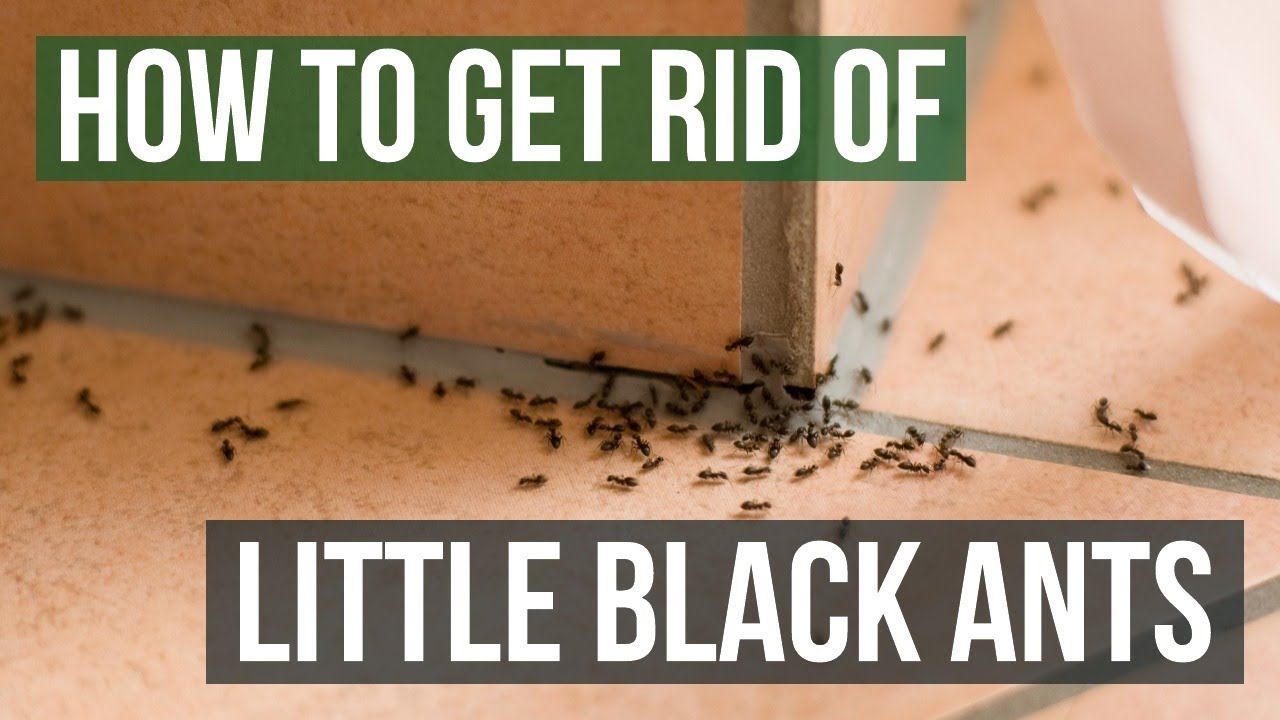
Image Source: i.ytimg.com
Why Are Ants In My Kitchen?
Ants are primarily looking for two things: food and water. Your kitchen, with its accessible crumbs, spills, and moisture sources, is a veritable buffet and spa for them. Even the smallest food particle can attract a scout ant, which then lays down a scent trail for the rest of its colony to follow. Understanding their motivations is the first step to outsmarting them.
Comprehending the Ant Problem: From Scout to Colony
When you see a few ants, it’s usually a scouting party. They’ve found a food source and are reporting back to their ant colony elimination headquarters. Your goal isn’t just to kill the ants you see, but to disrupt their entire operation. This means targeting the source – the colony itself.
Effective Strategies for Eliminating Kitchen Ants
Here’s a breakdown of how to tackle those tiny intruders:
Immediate Action: Clearing the Visible Ants
Before you dive into long-term solutions, you’ll want to deal with the ants currently in your kitchen.
- Wipe Them Out: A simple damp cloth or sponge can physically remove ants from surfaces. Dispose of the cloth immediately outside the house.
- Soapy Water Solution: A spray bottle filled with a 50/50 mix of water and dish soap is a surprisingly effective DIY ant killer. The soap breaks down the ant’s exoskeleton and suffocates them. Spray directly onto ants.
Blocking Entry Points: Sealing the Deal
Ants are tiny and can squeeze through incredibly small cracks. Identifying and sealing these entry points is crucial for long-term kitchen ant control.
- Inspect Thoroughly: Walk around your kitchen, both inside and out. Look for any gaps or cracks in:
- Walls
- Windowsills
- Door frames
- Around pipes and wires entering the house
- Seal with Caulk: Use a good quality caulk to seal any openings you find. This is a simple yet powerful preventative measure.
- Check Window and Door Screens: Ensure screens are in good repair and fit snugly to prevent ants from entering through open windows or doors.
Targeted Treatments: Eliminating the Source
Killing visible ants is only a temporary fix. To truly get rid of them, you need to address the colony. This is where ant baits and other targeted methods come in.
1. Ant Baits: The Trojan Horse Approach
Ant baits are designed to be attractive to ants, who carry the poisoned bait back to their nest, effectively eliminating the colony from within. This is one of the most effective methods for ant colony elimination.
- How They Work: Baits contain a slow-acting poison mixed with a food attractant. Ants eat the bait, feel fine for a while, and then carry it back to the nest. As they share the bait with other ants, including the queen, the entire colony is exposed.
- Types of Ant Baits:
- Gel Baits: Applied in small dots or lines near ant trails. They are convenient and can be placed in discreet locations.
- Liquid Baits: Often come in small bait stations or can be diluted and placed in shallow containers.
- Granular Baits: Good for outdoor use or larger infestations, often sprinkled along ant trails or near entry points.
- Placement is Key: Place ant baits along known ant trails, near entry points, and away from areas where food is prepared. Do NOT spray insecticides near baits, as this will deter ants from taking the bait.
- Patience is a Virtue: It may take a few days to a week to see a significant reduction in ant activity as the bait works its way through the colony.
2. Ant Traps: Capturing the Unwary
While less about colony elimination and more about population reduction, ant traps can be useful in specific situations.
- Sticky Traps: These are simple cardboard or plastic devices with a sticky surface. Ants walk onto them and get stuck.
- Pros: Non-toxic, safe for use around children and pets.
- Cons: Only catch ants that wander onto them; don’t address the colony.
- Bait Traps: Similar to ant baits, these are enclosed stations containing attractant and poison. They are designed to be safer and more contained than open baits.
3. Boric Acid for Ants: A Classic DIY Solution
Boric acid for ants is a time-tested method that can be very effective when used correctly. It acts as both a stomach poison and a desiccant (drying agent) for ants.
- How to Use Boric Acid:
- Boric Acid Bait Mix: Mix 1 part boric acid with 3 parts sugar (granulated or powdered) and 3 parts warm water. You can also add a little bit of honey or syrup to make it more appealing.
- Application: Place small amounts of this bait mixture on small pieces of cardboard or bottle caps. Place these strategically along ant trails but out of reach of children and pets.
- Important Safety Note: Boric acid is toxic if ingested. Always handle it with care, wear gloves, and ensure it’s inaccessible to children and pets. Do not place it directly on food preparation surfaces.
- Why it Works: Ants are attracted to the sugar, consume the boric acid, and carry it back to the nest. The slow-acting nature allows it to spread throughout the colony.
4. Natural Ant Repellent: Eco-Friendly Deterrents
For those who prefer a more natural approach, several natural ant repellent options can help deter ants and keep them away. These are often used in conjunction with other methods.
- Vinegar: A 50/50 mix of white vinegar and water can disrupt ant scent trails and deter them. Spray it on surfaces where ants are seen. The smell dissipates for humans but is offensive to ants.
- Lemon Juice: Similar to vinegar, the acidity of lemon juice can interfere with ant scent trails. You can use undiluted lemon juice or a mixture with water.
- Essential Oils: Certain essential oils are known natural ant repellent agents.
- Peppermint Oil: Ants strongly dislike the scent of peppermint. Mix 10-20 drops of peppermint essential oil with water in a spray bottle and spray around entry points and ant trails.
- Tea Tree Oil: Another powerful repellent. Use a similar dilution as peppermint oil.
- Cinnamon Oil: The strong scent of cinnamon can also deter ants.
- How to Use Essential Oils: Always dilute essential oils with water before spraying. Test on an inconspicuous area first to ensure it doesn’t stain surfaces.
- Diatomaceous Earth (Food Grade): This is a powder made from fossilized aquatic organisms. When ants walk through it, the microscopic sharp edges scratch their exoskeleton, causing them to dehydrate and die.
- Application: Sprinkle a thin layer in dry areas where ants are seen, such as along baseboards, under appliances, and near entry points. Ensure you use food-grade DE, which is safe for homes but still requires careful application to avoid inhalation.
5. Ant Spray: For Immediate Knockdown
While ant spray can kill ants on contact, it’s generally not the most effective solution for ant colony elimination as it doesn’t reach the nest. However, it can be useful for quickly clearing a visible infestation.
- Types of Ant Sprays:
- Contact Sprays: Kill ants immediately upon contact.
- Residual Sprays: Leave a residue that can kill ants that cross it later.
- Considerations:
- Location: Use sprays only in areas where they won’t contaminate food or cooking surfaces.
- Safety: Read and follow all label instructions carefully. Ensure good ventilation when using.
- Impact on Baits: Avoid spraying near ant baits, as this will deter ants from taking the bait back to the colony.
Keeping Your Kitchen Ant-Free: Long-Term Prevention
Once you’ve tackled the immediate problem, ongoing prevention is key to maintaining an ant-free kitchen.
1. Meticulous Cleaning Habits
This is your strongest weapon against ants.
- Wipe Up Spills Immediately: Don’t let sticky residues or crumbs linger.
- Sweep and Mop Regularly: Pay attention to corners and under appliances.
- Store Food Properly:
- Keep all food in airtight containers (glass, plastic, or metal). This includes sugar, flour, cereal, pet food, and even opened bags of chips or crackers.
- Don’t leave dirty dishes in the sink overnight.
- Empty Trash Cans Frequently: Make sure trash cans have tight-fitting lids and take them out regularly, especially if they contain food scraps.
- Clean Pet Food Bowls: Wash pet food bowls daily and avoid leaving pet food out longer than necessary.
2. Eliminate Water Sources
Ants also need water. Addressing moisture issues can make your kitchen less appealing.
- Fix Leaky Faucets and Pipes: Even a small drip can attract ants.
- Dry Out Sinks: Don’t leave standing water in the sink or around the base of appliances.
- Check for Condensation: Ensure appliances like refrigerators are not leaking or causing excessive condensation.
3. Regularly Reapply Natural Repellents
If you’re using natural ant repellent methods like essential oils or vinegar, reapply them periodically, especially after cleaning, to maintain their deterrent effect.
4. Monitor and Maintain Baits
Check your ant baits regularly. If they are drying out or have been completely consumed, replace them. This ensures continuous protection against returning scout ants and potential new colonies.
Addressing Different Ant Types
While the general principles apply to most common kitchen ants (like odorous house ants or pavement ants), knowing the type of ant can sometimes help tailor your approach.
- Sugar Ants: These are often attracted to sweets. Ant baits with sugary formulas are particularly effective.
- Grease Ants: May be attracted to greasy residues. Thorough cleaning of stovetops and range hoods is important.
When to Call a Professional
While most minor ant infestations can be handled with DIY methods, there are times when professional help is necessary.
- Large-Scale Infestations: If you see ants constantly, despite your best efforts, or if they are appearing in large numbers.
- Identifying the Nest: If you suspect the nest is in a wall void or inaccessible area.
- Persistent Problems: If you’ve tried multiple methods and the ants keep returning.
- Specific Ant Species: If you suspect you have more problematic ants like carpenter ants, which can cause structural damage.
Summary Table: Ant Control Methods
| Method | How it Works | Best For | Safety Considerations |
|---|---|---|---|
| Ant Baits | Ants take poisoned food back to the colony. | Ant colony elimination | Keep away from children and pets; follow label instructions. |
| Ant Traps | Physically trap ants or use bait stations. | Population reduction, trapping stragglers. | Generally safe, but keep out of reach of very young children. |
| Boric Acid | Stomach poison and desiccant for ants. | Effective DIY ant killer for colony control. | Toxic if ingested; keep away from children and pets. Use sparingly. |
| Vinegar/Lemon | Disrupts scent trails, acts as repellent. | Deterrent, trail disruption. | Safe, but can be acidic to surfaces; test first. |
| Essential Oils | Strong scents deter ants. | Natural ant repellent. | Dilute properly; test for staining. Keep away from pets. |
| Diatomaceous Earth | Scratches exoskeleton, causing dehydration. | Repellent, slow kill. | Use food-grade only; avoid inhalation. Keep dry. |
| Ant Spray | Kills ants on contact or leaves a residue. | Immediate knockdown of visible ants. | Use in well-ventilated areas; avoid food surfaces; don’t use near baits. |
Frequently Asked Questions (FAQ)
Q1: Will ants disappear on their own?
A1: Ants typically won’t disappear on their own unless their food or water source is completely removed and their entry points are sealed. Without intervention, they will likely continue to forage and expand their presence.
Q2: Can I use a strong insecticide spray to kill all the ants instantly?
A2: While strong sprays can kill ants on contact, they are generally not the best solution for long-term kitchen ant control or ant colony elimination. Sprays can scatter ants, making them harder to track and bait, and can kill beneficial insects. Targeted baits are usually more effective for eradicating the entire colony.
Q3: How long does it take for ant baits to work?
A3: It typically takes a few days to a week for ant baits to show significant results. Ants need time to consume the bait, return to the nest, and share it with the colony, including the queen.
Q4: Is boric acid safe to use around pets and children?
A4: Boric acid for ants is toxic if ingested. While it can be an effective DIY ant killer, it must be used with extreme caution. Always place boric acid baits in locations inaccessible to children and pets. Wear gloves when handling.
Q5: What is the best natural way to repel ants?
A5: A combination of meticulous cleaning, sealing entry points, and using natural ant repellent substances like peppermint oil, vinegar, or diatomaceous earth are considered the best natural ways to deter ants.
Q6: Can I kill ants with boiling water?
A6: Boiling water can kill ants it directly contacts, but it’s not an effective method for ant colony elimination. It also poses a burn risk and is impractical for indoor use.
By combining diligent cleaning, strategic sealing, and the appropriate use of ant baits, ant traps, or DIY ant killer methods like boric acid for ants, you can effectively achieve kitchen ant control and prevent future infestations, ensuring your kitchen remains a clean and ant-free space. Remember, consistency and addressing the root cause (the colony) are key to successful ant colony elimination.