
Can you fix kitchen cupboard hinges yourself? Absolutely! Most common kitchen cabinet hinge repair tasks are straightforward and can be completed with basic tools and a little patience. This guide will walk you through diagnosing and fixing common hinge problems, from sagging cupboard doors to squeaky hinges.
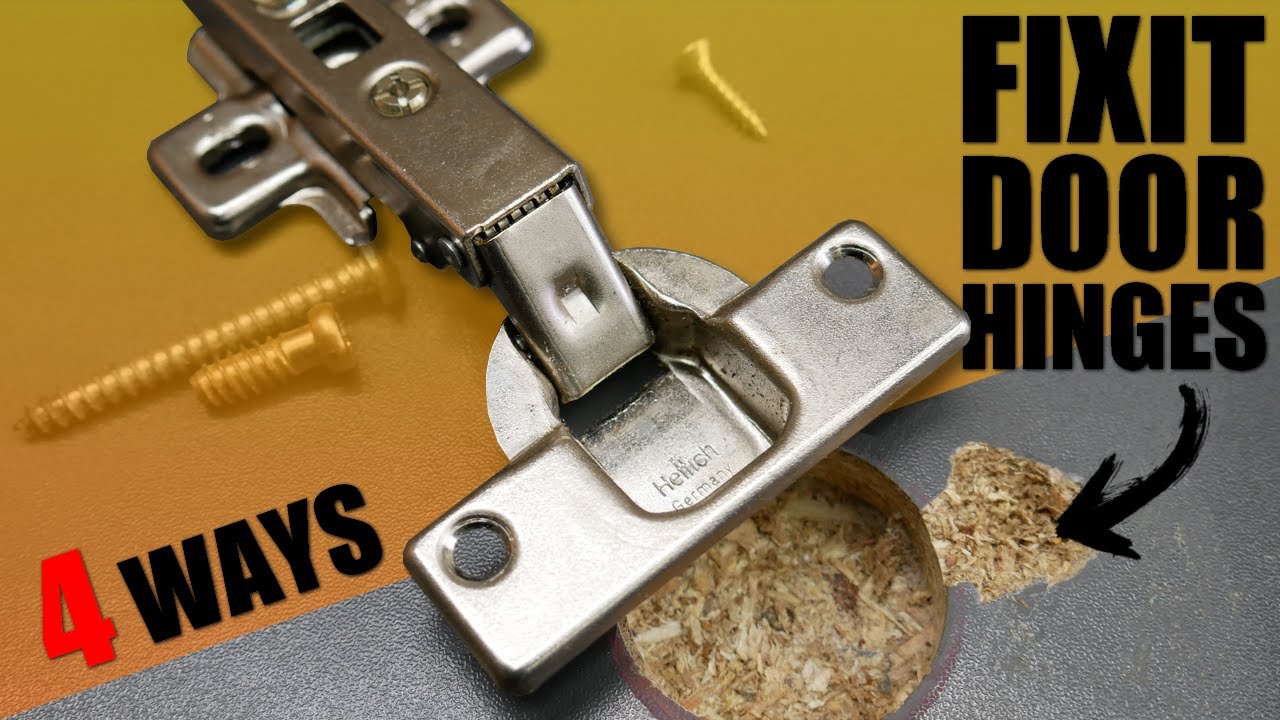
Image Source: i.ytimg.com
Common Kitchen Cabinet Hinge Problems and Solutions
Kitchen cabinet doors are constantly in use, opening and closing multiple times a day. It’s no surprise that their hinges can sometimes develop issues. Recognizing the problem is the first step to a quick fix.
Loose Cabinet Hinges
What causes loose cabinet hinges? Over time, the screws that attach the hinges to the cabinet frame and the door itself can loosen due to repeated use and vibration. This is one of the most common culprits behind poorly functioning cabinets.
Symptoms:
- Doors that don’t close properly.
- Doors that feel wobbly.
- Visible gaps between the door and the cabinet frame.
- The door might rub against adjacent cabinets or countertops.
Fixing Loose Screws:
This is usually the easiest fix.
Tools You’ll Need:
- Screwdriver (Phillips or flathead, depending on your screws)
- Toothpicks or wooden matchsticks (unwaxed)
- Wood glue (optional, but recommended for a stronger repair)
- Hair dryer (optional, for old paint)
Steps:
- Identify the Loose Screws: Open the cupboard door and examine the hinges where they attach to both the cabinet frame and the door. Gently try to wiggle the hinge. If there’s movement, the screws are likely loose.
- Tighten the Screws: Use the appropriate screwdriver to tighten any loose screws. Be firm, but don’t overtighten, as this can strip the screw hole, making the problem worse.
-
Address Stripped Screw Holes: If a screw spins without tightening, the screw hole is stripped. This means the wood around the hole is no longer gripping the screw threads.
-
Toothpick Method:
- If the screw hole is in wood, you can use toothpicks or wooden matchsticks to create a tighter fit.
- Remove the hinge from the stripped hole.
- Dip a few toothpicks (or a small piece of wooden matchstick) in wood glue.
- Insert the glued toothpicks into the stripped screw hole. Break them off flush with the surface.
- Let the glue dry completely (usually 15-30 minutes, or check the glue bottle for specific drying times).
- Once dry, carefully re-drill a pilot hole into the toothpicks for the screw.
- Reattach the hinge with the original screw. It should now have something to grip.
-
Golf Tee Method (for larger holes): For larger stripped holes, a wooden golf tee can be a good substitute for toothpicks. Apply wood glue to the tee, insert it into the hole, break it off, let it dry, and then re-drill.
-
Wooden Dowel Method (for significantly damaged holes): For very damaged holes, you might need a small wooden dowel. Drill out the stripped hole slightly larger with a drill bit that matches the dowel diameter. Apply wood glue to the dowel, insert it into the hole, let it dry, and then cut it flush. Sand smooth and re-drill a pilot hole before reattaching the hinge.
-
-
Rehang the Door: Once all screws are tightened and any stripped holes are repaired, rehang the door and check its operation.
Sagging Cupboard Doors
What causes sagging cupboard doors? Sagging usually occurs when the bottom corner of the door hangs lower than it should. This is often due to loose hinges, worn hinges, or the weight of the door itself causing the frame or hinge mounting points to pull away. This is a common issue when fixing cupboard door sag.
Symptoms:
- The bottom of the door is visibly lower than the top.
- The door may not close flush at the bottom.
- You might see uneven gaps along the sides or bottom of the door.
Adjusting for Sagging:
Many modern kitchen hinges have adjustment screws that allow you to fine-tune the door’s position, which is crucial for door alignment.
Tools You’ll Need:
- Screwdriver (usually Phillips head)
- A helper (recommended, especially for larger doors)
Steps (for adjustable hinges):
- Identify Adjustment Screws: Look at the hinges attached to your cabinet door. Most overlay or inset hinges have at least two, sometimes three, adjustment screws.
- Depth Adjustment: This screw moves the door in or out from the cabinet.
- Height Adjustment: This screw moves the door up or down.
- Side-to-Side Adjustment: This screw moves the door left or right.
- Locate the Sag: Determine which corner of the door is sagging.
- Adjust the Hinge:
- For a door sagging at the bottom, you’ll likely need to adjust the height screws on the hinges.
- If the door sags on the right side, you might need to adjust the side-to-side screw on the left hinge, or vice-versa.
- Small Adjustments: Turn the adjustment screws by a quarter turn at a time.
- Observe the Effect: Close the door slightly after each adjustment to see how it affects the door’s position and alignment. You’re looking for a more even gap around the door.
- Work Systematically: Adjust one hinge at a time, or make small, simultaneous adjustments to both hinges on a door.
- Fine-Tuning: It might take a few tries to get the door perfectly aligned. Be patient and make small adjustments.
- Tighten Everything: Once the door is aligned, ensure all adjustment screws are snug (but not overtightened).
What if my hinges aren’t adjustable? If your hinges don’t have adjustment screws, you’ll need to address the underlying cause of the sag, which is likely loose mounting screws or worn hinges. Follow the steps for loose cabinet hinges and consider hinge replacement if the hinges themselves are worn out.
Squeaky Hinges
What causes squeaky hinges? Squeaking is typically caused by friction between the metal parts of the hinge, often due to a lack of lubrication or accumulated dirt and grime.
Symptoms:
- An annoying squeaking or creaking sound every time the door opens or closes.
Lubricating Squeaky Hinges:
Tools You’ll Need:
- Lubricant (WD-40, silicone spray, or a light machine oil)
- Paper towels or a cloth
- A toothpick or straw attachment for the lubricant can (if applicable)
Steps:
- Clean the Hinge: If the hinge is dirty, wipe it down with a damp cloth to remove any dust or grime.
- Apply Lubricant:
- Direct Application: For spray lubricants like WD-40 or silicone spray, use the straw attachment if provided. Aim it directly at the pivot points of the hinge – where the hinge arm meets the hinge cup, and where the hinge pin inserts into the hinge leaf.
- Small Amounts: Apply a small amount of lubricant. Too much can drip and attract more dust.
- Work the Hinge: Open and close the door several times to work the lubricant into the hinge mechanism.
- Wipe Away Excess: Use a paper towel or cloth to wipe away any excess lubricant that drips.
- Repeat if Necessary: If the squeak persists after a few cycles, apply a little more lubricant and repeat the process.
- For Stiff Hinges (without squeaks): If a hinge is stiff but not squeaky, lubrication can also help.
Important Note: If the squeak is accompanied by a clicking or grinding sound, it might indicate a worn or damaged hinge that needs replacement rather than lubrication.
Troubleshooting Door Alignment Issues
Proper door alignment is crucial for both aesthetics and functionality. Even after tightening screws and lubricating hinges, you might still face alignment challenges.
Fixing Misaligned Doors
What causes doors to be misaligned? Beyond loose hinges, misalignment can stem from:
- Warped Doors: Wood doors can warp over time, especially if exposed to moisture fluctuations.
- Cabinet Frame Issues: The cabinet frame itself might be out of square.
- Incorrect Hinge Installation: Hinges may have been installed at an angle initially.
- Worn Out Hinges: The hinge components themselves can wear down, leading to a drooping door.
Addressing Common Alignment Problems:
- Door Rubbing on Top or Bottom:
- This often indicates a height adjustment issue. Use the height adjustment screws on your hinges (if available) to raise or lower the door.
- If hinges are not adjustable, you might need to shim the hinge. Place a thin piece of cardboard or plastic behind the hinge leaf on the cabinet frame or door to push the door out slightly.
- Door Rubbing on the Side:
- This is usually a side-to-side adjustment. Use the side-to-side adjustment screws on the hinges.
- If no adjustment screws are present, you may need to slightly deepen the mortise (the cutout in the door or frame where the hinge sits) on one side or shim the hinge.
- Gaps Between Doors:
- If two adjacent doors don’t meet properly in the middle, adjust the side-to-side screws on one or both doors to move them closer or further apart.
Types of Kitchen Hinges
Familiarizing yourself with the different types of kitchen hinges can help you identify your problem and find the right replacement parts if needed.
Common Kitchen Hinge Styles
| Hinge Type | Description | Typical Application | Adjustment Capabilities | Common Issues |
|---|---|---|---|---|
| Overlay Hinges | Mount to the outside of the cabinet frame. The door sits on top of the cabinet opening. | Framed cabinets | Yes (often 3-way) | Sagging, loose screws, squeaking |
| Inset Hinges | Mount so the door sits inside the cabinet frame, flush with the front. Requires a recess (mortise) for the hinge. | Frameless (European-style) cabinets, sometimes framed | Yes (often 3-way) | Sagging, loose screws, squeaking, door not sitting flush |
| Concealed Hinges | Hidden within the cabinet when the door is closed, creating a clean, modern look. Often called “Euro” or “cup” hinges. | Frameless cabinets | Yes (usually 3-way) | Sagging, loose screws, squeaking, hinge cup damage |
| Surface-Mount Hinges | Screw directly onto the surface of the cabinet and door, no mortise needed. Often decorative. | Smaller cabinets, utility areas, decorative accents | Limited | Loose screws, sagging, bent hinge pin |
| Bullet Hinges | Small, cylindrical hinges that are often hidden or used for specific decorative effects. | Small boxes, decorative cabinets | None | Bending, failure of pin |
When to Consider Hinge Replacement
If you’ve tried tightening screws, adjusting, and lubricating, but the door still sags, doesn’t align properly, or the hinge is physically damaged (bent, broken, or the mounting plate is loose), it’s time for hinge replacement.
Steps for Hinge Replacement:
- Identify Your Hinge Type: Determine the type of hinge you have (overlay, inset, concealed, etc.) and its specific style. Take photos if you’re unsure.
- Purchase Replacement Hinges:
- Matching Style and Size: Try to find identical hinges. Measure the screw hole spacing and the hinge overlay.
- Brand and Model: If possible, identify the brand of your existing hinges. Many manufacturers have similar hinge styles.
- Universal Hinges: If you can’t find an exact match, look for universal hinges that offer similar functionality and dimensions. Concealed hinges often have some degree of interchangeability.
- Remove the Old Hinges:
- Support the Door: Have someone help you hold the door, or prop it up securely before removing the hinges.
- Remove Door Hinges First: Unscrew the hinges from the door.
- Remove Cabinet Hinges: Unscrew the hinges from the cabinet frame.
- Keep Screws: Keep the original screws if they are still in good condition, or use new screws that are the appropriate size for the hinge and your cabinet material.
- Install New Hinges:
- Positioning: If you’re using exact replacements, the screw holes should line up. If they don’t, you may need to fill the old holes and drill new ones.
- Attach to Door: Screw the new hinges onto the door first. Ensure they are seated correctly.
- Attach to Cabinet: Then, screw the hinges to the cabinet frame.
- Test Alignment: Hang the door and check its alignment. Make minor adjustments using the hinge’s adjustment screws (if available) as needed.
Cabinet Hardware Maintenance Tips
Regular cabinet hardware maintenance can prevent many common problems.
Proactive Care for Your Cabinets
- Regularly Check Screws: Make it a habit to quickly check all visible hinge screws every few months. Tighten any that feel loose.
- Clean Hinges: While cleaning your kitchen, gently wipe down hinge mechanisms with a damp cloth. Avoid harsh chemicals that could damage the finish or lubricant.
- Listen for Squeaks: Address squeaky hinges promptly. A quick spray of lubricant can save you from more significant repairs later.
- Lubricate Annually: Consider a light lubrication of all hinges once a year, especially if you live in a humid climate or notice any stiffness.
- Be Gentle: Avoid slamming doors or forcing them open or closed, as this puts undue stress on hinges and doors.
FAQ: Frequently Asked Questions About Kitchen Cupboard Hinges
Here are answers to some common questions about fixing kitchen cupboard hinges.
Q1: How often should I maintain my kitchen cabinet hinges?
A1: It’s a good idea to do a quick check of all visible screws and listen for any squeaks about every 3-6 months. A more thorough cleaning and lubrication can be done annually.
Q2: My cabinet doors are sticking. Is it a hinge problem?
A2: Sticking doors can be caused by several things. It could be loose hinges affecting alignment, but also swelling of the wood due to humidity, or something obstructing the door’s path. Check hinges first, then consider environmental factors.
Q3: What are the best lubricants for squeaky cabinet hinges?
A3: WD-40 is a popular choice for its penetrating and lubricating properties. Silicone spray is also excellent, as it doesn’t attract as much dust as oil-based lubricants. A light machine oil can also work.
Q4: Can I paint over my cabinet hinges?
A4: It’s generally not recommended to paint over hinges. Paint can build up on the moving parts, causing them to stick, stiffen, or even break. If you’re painting your cabinets, it’s best to remove the hinges first, paint the cabinet and doors separately, and then reattach the clean hinges.
Q5: What do I do if the screw hole in my cabinet frame is too big for the screw?
A5: This is a stripped screw hole. You can fix it by inserting toothpicks or a wooden golf tee coated in wood glue into the hole, letting it dry, and then re-drilling a pilot hole before inserting the screw. For larger holes, a wooden dowel can be used.
Q6: How do I know if I have overlay or inset hinges?
A6: Overlay hinges allow the door to sit on top of the cabinet opening, so the door face is flush with the cabinet face. Inset hinges are mounted so the door sits inside the cabinet opening. If your door is flush with the cabinet frame when closed, you likely have inset hinges, or concealed hinges on a frameless cabinet.
Q7: My cabinet door is crooked, but the hinges look tight. What else could it be?
A7: If the hinges are tight, the issue might be with the door itself (warped) or the cabinet frame being out of square. You can try adjusting your hinges to compensate for minor warpage. For significant warping or frame issues, professional assessment might be needed.
By following these steps, you can effectively tackle most common kitchen cabinet hinge problems, ensuring your cabinets look great and function smoothly for years to come. Happy DIYing!