
Can you fix a leaking kitchen sink drain yourself? Yes, most common kitchen sink drain leaks can be fixed by a homeowner with basic tools and a little patience. What causes a kitchen sink drain to leak? Leaks often happen because of loose fittings, worn-out seals, or clogged pipes. This guide will walk you through how to identify and fix a leaking kitchen sink drain.
Water under the sink can be alarming, but don’t panic! A dripping or pooling sink drain is a common household issue, and often, a simple DIY sink drain fix is all that’s needed. Tackling a kitchen sink leak repair yourself can save you money and the hassle of calling a plumber for minor kitchen plumbing repairs. We’ll cover everything from how to identify sink drain leak points to specific methods for sealing drain pipe connections and addressing a leaking sink trap.
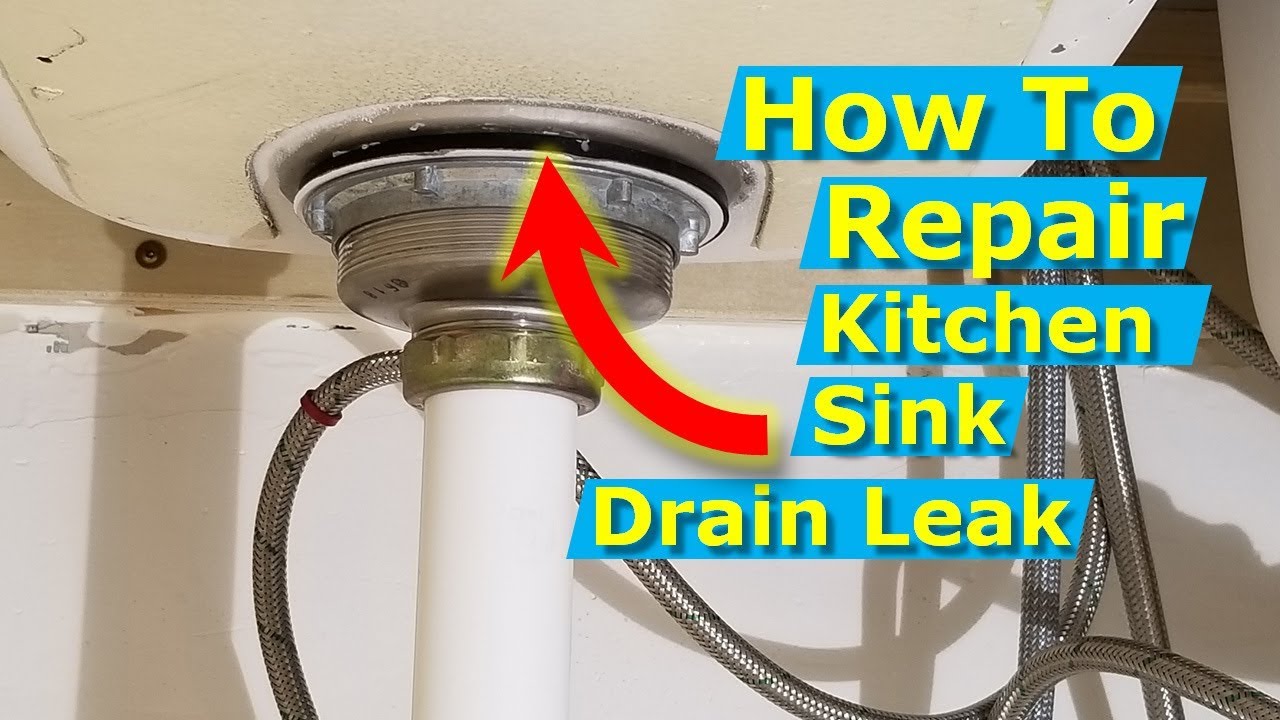
Image Source: i.ytimg.com
Deciphering the Drip: Locating the Leak
Before you can fix a leak, you need to know exactly where it’s coming from. This is the first crucial step in any kitchen sink leak repair. Sometimes the leak is obvious, like a steady drip from a joint. Other times, it’s more subtle, like moisture on the cabinet floor.
Common Leak Sources
- The Drain Flange: This is the metal ring that sits inside your sink basin, where the drain connects to the sink itself. The putty or sealant around it can degrade over time.
- The Sink Trap (P-trap): This U-shaped pipe under your sink is designed to hold water, which prevents sewer gases from entering your home. It’s a frequent culprit for leaks.
- Drain Pipe Connections: These are the points where different sections of the drain pipe join together. They often have rubber gaskets or slip nuts that can loosen or wear out.
- The Strainer Basket: If this isn’t properly sealed into the sink, water can seep out.
- Cracked Pipes: While less common for typical leaks, a crack in the pipe itself can also cause water to escape.
Step-by-Step Leak Detection
- Clear the Area: Remove everything from under the sink. This gives you a clear view and ample working space. Lay down some old towels or a bucket to catch any drips.
- Dry Everything Thoroughly: Use a dry cloth or paper towels to wipe down all the pipes, connections, and the cabinet floor. This makes it easier to spot fresh water.
- Run Water (Controlled): Fill your sink with a few inches of water and then let it drain. Watch closely as the water goes down. Do you see drips forming? Where are they appearing?
- Inspect Connections: Pay close attention to every joint and connection point. Feel around these areas with your hand or a dry paper towel. Even a small amount of moisture is a clue.
- Check the P-trap: This U-shaped pipe is a very common place for a leaking sink trap. Look for drips around its curved section and where it connects to the vertical and horizontal pipes.
- Consider the Faucet Supply Lines: While this guide focuses on the drain, sometimes leaks under the sink are from the hot and cold water supply lines, not the drain. Drip from these lines will typically be clear water, not cloudy drain water. If you suspect a supply line leak, you’ll need to turn off the water supply to the faucet before proceeding.
Tackling Common Leaks: A DIY Approach
Once you’ve pinpointed the source of the leak, you can start the kitchen sink leak repair. Most issues can be resolved with simple tools and materials.
Addressing a Leaking Sink Trap
A leaking sink trap is often caused by loose slip nuts or worn-out rubber washers. This is one of the most common drain pipe connection issues.
Tools and Materials:
- Bucket
- Old towels or rags
- Adjustable wrench or pipe wrench
- Plumber’s tape (PTFE tape)
- Replacement rubber washers (if needed)
- All-purpose plumber’s putty (for flange issues)
Steps to Fix a Leaking Sink Trap:
- Place a Bucket: Position a bucket directly under the P-trap to catch any residual water when you loosen the connections.
- Loosen the Slip Nuts: The P-trap is usually held in place by two large plastic or metal nuts. These are called slip nuts. Loosen these nuts by hand first. If they’re too tight, use an adjustable wrench. Turn them counter-clockwise.
- Inspect the Washers: Once the nuts are loose, you can carefully separate the pipe sections. Inside the connections, you’ll find rubber or plastic washers. Check these for cracks, tears, or signs of wear.
- Tighten or Replace:
- If the washers look good but the nuts were just loose: Reassemble the P-trap and hand-tighten the slip nuts. Then, give them an extra quarter to half-turn with a wrench. Do not overtighten, as this can crack the plastic pipes.
- If the washers are worn or damaged: Replace them with new ones. Make sure to get the correct size. Apply a thin layer of plumber’s grease to the new washers before installing them to help create a better seal.
- Reassemble and Test: Put the P-trap back in place, ensuring the washers are properly seated. Hand-tighten the slip nuts, then use your wrench for a final snug turn. Run water to check for leaks.
Sealing Drain Pipe Connection Issues
Other drain pipe connections can also develop leaks, usually due to loose fittings or problems with the seals.
Tools and Materials:
- Adjustable wrench
- Plumber’s tape (PTFE tape)
- Rag
- Replacement gaskets (if available for specific fittings)
Steps for Sealing Connections:
- Identify the Loose Connection: Carefully examine all the points where drain pipes connect. This might include connections to the sink strainer, the pipe leading into the wall, or other sections of the drain assembly.
- Tighten Fittings: If a connection is simply loose, try tightening the fitting or nut by hand first. If it still leaks, use an adjustable wrench to tighten it a bit more. Again, be careful not to overtighten, especially with plastic pipes.
- Apply Plumber’s Tape: For threaded connections, applying plumber’s tape (PTFE tape) can create a watertight seal.
- Ensure the threads are clean and dry.
- Wrap the tape clockwise around the threads (the direction you’ll be tightening). Use about 2-3 layers of tape.
- Once you’ve applied the tape, reassemble the connection and tighten it as you normally would.
- Check Gaskets: Some pipe connections use rubber or plastic gaskets for sealing. If a gasket is visible and looks worn or damaged, and if the fitting allows for easy replacement, try replacing it.
- Test for Leaks: Run water into the sink and check the connection points for any signs of moisture.
Fixing a Leaking Drain Flange or Strainer Basket
If you notice water around the base of the sink where the drainpipe attaches, the issue might be with the drain flange or the strainer basket seal.
Tools and Materials:
- Putty knife or scraper
- All-purpose plumber’s putty
- Bucket
- Adjustable wrench
- New sink strainer assembly (if needed)
- Safety glasses
Steps to Address Flange/Strainer Leaks:
- Access the Underside: You’ll need to get to the underside of the sink to work on the strainer assembly. This involves removing the P-trap if it obstructs your view or access.
- Remove the Strainer Nut: Locate the large nut that holds the drain strainer assembly to the sink. Loosen this nut with an adjustable wrench.
- Separate the Assembly: Carefully pull the drainpipe from the strainer assembly. The strainer itself should then lift out from inside the sink.
- Clean Old Putty: Use a putty knife or scraper to remove all the old plumber’s putty and sealant from the underside of the sink where the flange sat. Also, clean the flange itself.
- Apply New Putty: Roll a rope of plumber’s putty about 1/2 inch thick. Apply this rope around the underside of the flange of the new or existing strainer assembly.
- Install the New Strainer: Press the strainer assembly firmly into the drain opening in the sink basin. Ensure the putty creates a good seal.
- Reassemble: From underneath the sink, slide any rubber gaskets and the mounting flange onto the strainer body. Then, thread the large strainer nut onto the assembly. Tighten it securely with your adjustable wrench. As you tighten, some of the plumber’s putty will squeeze out around the flange inside the sink and underneath.
- Clean Up Excess Putty: Wipe away the excess putty from inside the sink and underneath with your fingers or a damp cloth.
- Test: Reconnect your drain pipes, run water into the sink, and check for leaks.
When to Call a Professional
While many kitchen plumbing repairs are manageable DIY tasks, there are times when it’s best to call a plumber.
Signs You Need Professional Help
- Persistent Leaks: If you’ve tried the steps above and the leak continues, there might be a more complex issue.
- Cracked Pipes: If you discover a crack in the actual drain pipe (not just a loose fitting), it requires professional repair or replacement.
- Corrosion: Severely corroded pipes or fittings can be difficult to seal and may need replacement.
- Multiple Leaks: If you’re experiencing leaks in several places, it could indicate a larger plumbing problem.
- Unclogging Difficulties: If your leak is also accompanied by slow drains or blockages, and you’ve tried basic unclog kitchen sink drain methods without success, a plumber has specialized tools.
- Lack of Confidence: If you’re not comfortable performing the repairs yourself, it’s always better to err on the side of caution and call an expert.
Preventing Future Leaks
Once your kitchen sink leak repair is complete, taking preventative measures can save you from future headaches.
Maintenance Tips
- Regularly Check Connections: Every few months, take a look under your sink. Feel around the pipe connections for any signs of moisture.
- Avoid Harsh Chemicals: Many drain cleaners contain harsh chemicals that can degrade pipe seals and plastic over time. Opt for natural cleaning methods or professional drain cleaning when needed.
- Don’t Overtighten: When assembling or disassembling pipes, be mindful not to overtighten connections, especially those made of plastic.
- Address Slow Drains Promptly: If you notice your sink draining slowly, it could indicate a blockage that puts extra pressure on your drain system. Try to unclog kitchen sink drain issues as soon as they appear.
Frequently Asked Questions (FAQ)
Q1: How do I know if my kitchen sink drain is leaking?
You’ll typically notice water under your sink, either as a drip, a puddle, or dampness on the cabinet floor. You might also hear a dripping sound.
Q2: Can I use super glue to fix a leaking drain pipe?
It’s generally not recommended. Super glue is not designed for plumbing applications and won’t create a durable, watertight seal for the constant pressure and moisture of a drain system. It might work temporarily for a tiny pinhole, but it’s not a reliable solution for sealing drain pipe issues.
Q3: What is the most common cause of a kitchen sink leak?
The most common causes are loose connections (slip nuts on the P-trap or other fittings) and worn-out rubber washers or gaskets at these connection points.
Q4: How tight should I make the pipe connections?
Hand-tight is a good starting point. Then, use a wrench for about a quarter to half a turn. Overtightening, especially with plastic pipes, can cause them to crack, leading to a worse leak.
Q5: My drain is slow and also leaking. What should I do?
This suggests you have a blockage that is causing pressure. First, try to unclog kitchen sink drain using a plunger or a drain snake. Once the drain is clear, check for and fix any leaks. If the blockage is severe or the leak persists after clearing, it’s time to call a plumber.
Q6: Do I need special tools to fix a leaking sink trap?
Usually, an adjustable wrench and perhaps some plumber’s tape are all you need. For more stubborn fittings, a pipe wrench might be useful, but be very gentle with plastic components.
Q7: What’s the difference between a P-trap leak and a drain flange leak?
A P-trap leak is typically found on the U-shaped pipe under the sink. A drain flange leak occurs where the drain opening meets the sink basin itself, often at the very top of the drain assembly.
By following these steps, you can confidently tackle most kitchen sink leak repair jobs and keep your kitchen dry and functional. Remember to work safely, and if in doubt, always consult a professional plumber.