
The average kitchen table height is typically 28 to 30 inches from the floor to the tabletop. This is the most common measurement for standard dining tables.
Choosing the right kitchen table height is crucial for comfort and functionality in your home. It’s not just about aesthetics; it’s about creating a space where you and your guests can eat, work, and socialize without feeling cramped or awkward. This guide will delve deep into the world of kitchen table dimensions, exploring the various heights available and how to select the perfect one for your needs. We’ll cover everything from the standard dining table dimensions to the nuances of breakfast nooks and elevated dining experiences.
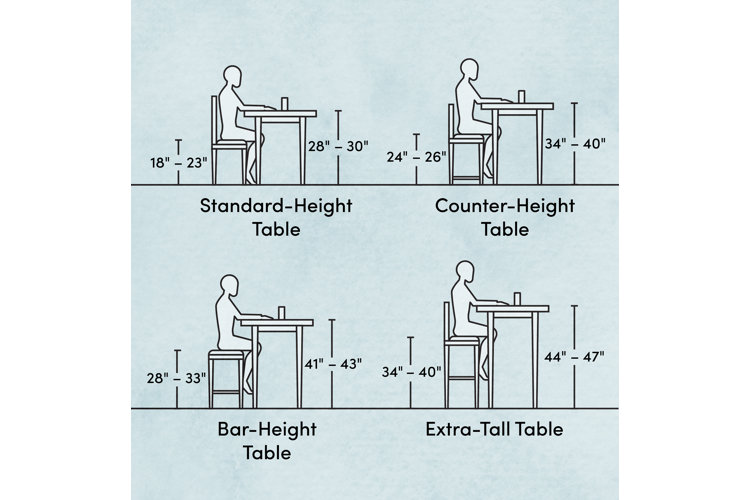
Image Source: assets.wfcdn.com
Deciphering Standard Dining Table Dimensions
When we talk about a “standard” kitchen table, we’re referring to the most common height that fits with a standard dining chair. These tables are designed for comfortable seating, allowing your legs to tuck neatly underneath.
The 28-30 Inch Sweet Spot
The most prevalent average kitchen table height hovers between 28 and 30 inches. This range is ideal because it perfectly complements the typical seat height of dining chairs, which usually falls between 17 and 19 inches. This 10-12 inch difference provides ample legroom, ensuring a comfortable dining experience.
- Why this height? It’s a universal standard developed over decades to accommodate the average human physique. It allows for relaxed posture while eating and easy movement around the table.
- Chair Pairing: When selecting chairs to go with a table in this height range, aim for seats that are about 10-12 inches lower than the tabletop. This gap is key for comfort.
Beyond the Standard: Exploring Variations
While 28-30 inches is the norm, you’ll encounter other heights designed for different purposes and aesthetics.
The Height of Breakfast Tables
A height of breakfast table can sometimes be slightly lower than a formal dining table, though many modern breakfast tables adhere to the standard dining height. The key consideration for a breakfast table is its intended use. If it’s a casual spot for a quick bite, a standard height works well. However, some smaller, more intimate breakfast tables might be found in the 26-28 inch range, often paired with smaller, more compact chairs.
- Casual Comfort: Breakfast tables often prioritize a relaxed feel.
- Space Saving: Smaller breakfast tables might lean towards the lower end of the standard height.
Counter Height Table Size
Moving up from the standard dining height, we encounter counter height tables. These are designed to be used with counter stools and are a popular choice for kitchen islands or more casual dining areas.
- Common Range: Counter height table size typically ranges from 34 to 36 inches.
- Stool Pairing: The accompanying stools should have a seat height of around 24 to 26 inches to provide that crucial 9-12 inch clearance. This slightly lower clearance compared to dining tables is appropriate for the more upright posture associated with counter seating.
- Kitchen Integration: Counter height tables blend seamlessly with kitchen countertops, often creating an extension of the workspace or a casual gathering spot.
Bar Height Table Measurements
Taking it a step further, bar height tables are designed to mimic the experience of sitting at a bar.
- Elevated Experience: Bar height table measurements usually fall between 40 and 42 inches.
- Bar Stool Necessity: These tables require bar stools with seat heights of 28 to 32 inches, maintaining that 10-12 inch gap for comfortable seating.
- Atmosphere: Bar height tables create a more social and lively atmosphere, often found in open-plan living spaces or dedicated entertainment areas.
Comprehending Standard Seating Height for Tables
The relationship between table height and seat height is fundamental to comfortable dining. Standard seating height for tables is achieved when there’s a consistent gap between the tabletop and the seat of the chair or stool.
- The Magic Number: As mentioned, a 10-12 inch gap is the golden rule for comfortable seating.
- Too Little Gap: If the gap is too small, your knees will hit the underside of the table, making it uncomfortable to sit for long periods.
- Too Much Gap: If the gap is too large, you’ll feel like you’re reaching up to eat, which can lead to back strain and a less enjoyable experience.
Fathoming Kitchen Table Width and Length
While height is a primary concern, kitchen table width and length are equally important for functionality and flow in your kitchen or dining area. These dimensions dictate how many people can comfortably sit and the overall presence of the table in the room.
Typical Dining Table Size and Capacity
The typical dining table size varies greatly depending on the shape and the number of people it’s intended to seat.
Round Tables
Round tables are excellent for conversation and fit well in smaller or square rooms.
- 2-4 people: 30-48 inches in diameter.
- 4-6 people: 48-60 inches in diameter.
- 6-8 people: 60-72 inches in diameter.
Rectangular Tables
Rectangular tables are the most common and work well in rectangular rooms.
- 2-4 people: 36-48 inches long x 30-36 inches wide.
- 4-6 people: 48-72 inches long x 30-40 inches wide.
- 6-8 people: 72-90 inches long x 36-48 inches wide.
- 8-10 people: 90-108 inches long x 36-48 inches wide.
Square Tables
Square tables can be intimate and good for conversation, but can feel imposing in a rectangular room.
- 2-4 people: 36-48 inches square.
- 4-6 people: 48-60 inches square.
Considering Table Depth
While not as frequently discussed as width or length, standard table depth (or width in the case of rectangular and square tables) is also important for usability.
- Minimum: 28-30 inches wide is generally considered the minimum for a comfortable dining experience for two people.
- Ideal for Conversation: 36-40 inches width allows for more comfortable seating of four to six people, providing ample space for place settings and serving dishes.
- Larger Gatherings: For larger tables accommodating eight or more, a width of 42-48 inches is often preferred to allow for serving platters and a more generous spread.
Kitchen Island Table Height Considerations
Kitchen islands have become a central hub in many modern homes, often doubling as dining or casual eating areas. The kitchen island table height needs careful consideration to ensure it flows well with your kitchen design and offers comfortable seating.
Integrating Seating with Islands
Many kitchen islands are designed with an overhang to accommodate seating. This overhang dictates the necessary height for the stools or chairs.
- Standard Dining Height Islands: If your island is designed to be the same height as a standard dining table (28-30 inches), you’ll use standard dining chairs. The overhang should be at least 15 inches for comfortable legroom.
- Counter Height Islands: Most commonly, kitchen islands are built at counter height (34-36 inches). This allows for seamless integration with surrounding countertops and accommodates counter stools. An overhang of 10-12 inches is generally sufficient for counter seating.
- Bar Height Islands: Less common for kitchens, but some large islands might be built to bar height (40-42 inches). This is usually for a more entertainment-focused space and requires bar stools. The overhang would need to be at least 12 inches.
The Importance of Overhang
The overhang on a kitchen island is crucial. It provides the necessary clearance for your legs when you’re seated.
- Dining Chairs: Require a deeper overhang (15+ inches).
- Counter Stools: Need a moderate overhang (10-12 inches).
- Bar Stools: Also need a good overhang (12+ inches) as the seating is further from the base of the island.
The Nuances of Table Depth
While the term “depth” usually refers to the shorter dimension of a rectangular table, it’s worth reiterating its importance in overall usability. Standard table depth dictates how much elbow room each diner has and how much space is available for serving dishes.
- Individual Space: A depth of 24 inches per person is often considered a good starting point for comfortable dining. This allows for a plate, cutlery, and a drink without feeling crowded.
- Serving Space: If you plan to serve family-style, a greater depth will be beneficial to accommodate shared platters and bowls in the center of the table.
Choosing the Right Table Height for Your Space
Selecting the correct kitchen table height isn’t a one-size-fits-all decision. It depends on how you intend to use the table, the style of your kitchen, and the furniture you pair it with.
Consider Your Lifestyle
- Formal Dining: If you have a separate dining room or a dedicated formal dining area within your kitchen, a standard 28-30 inch height table is the most versatile.
- Casual Meals & Homework: For everyday family meals, a standard height table works perfectly. If the table also serves as a homework station or a place for casual activities, ensure there’s enough clearance for laptops and books.
- Entertaining & Socializing: Counter height or bar height tables are excellent for casual entertaining, encouraging guests to gather and chat while you’re preparing food.
Match with Seating
Always consider the height of the chairs or stools you plan to use. The 10-12 inch clearance rule is your best guide.
- Dining Chairs: Typically 17-19 inches seat height. Pair with 28-30 inch tables.
- Counter Stools: Typically 24-26 inches seat height. Pair with 34-36 inch counter height tables.
- Bar Stools: Typically 28-32 inches seat height. Pair with 40-42 inch bar height tables.
Room Proportions and Flow
The height of your table also affects how it visually impacts your space.
- Lower tables can make a room feel more spacious and airy.
- Higher tables can create a more intimate or bar-like atmosphere.
Ensure there’s adequate clearance around the table for comfortable movement. Aim for at least 30-36 inches of space between the table and walls or other furniture.
Frequently Asked Questions (FAQ)
What is the standard height for a kitchen table?
The standard height for a kitchen table, also known as a dining table, is between 28 and 30 inches from the floor to the tabletop. This height is designed to be used with standard dining chairs, which typically have a seat height of 17 to 19 inches.
How much space should there be between a table and a chair?
There should be approximately 10 to 12 inches of space between the seat of the chair and the underside of the table for comfortable legroom.
Can I use a counter height table with dining chairs?
No, this is generally not recommended. Counter height tables are typically 34-36 inches tall, while standard dining chairs are around 17-19 inches tall. This would leave too much of a gap, making it uncomfortable to eat. You would need counter stools with a seat height of 24-26 inches for a counter height table.
What is the difference between counter height and bar height tables?
Counter height tables are generally 34-36 inches tall, designed for counter stools (24-26 inch seat height). Bar height tables are taller, typically 40-42 inches tall, and require bar stools with a seat height of 28-32 inches.
How do I determine the correct kitchen table width and length?
This depends on the number of people you want to seat and the shape of your room. For seating, allow about 24 inches of table width per person. Consider the shape of your room – round tables work well in square rooms, while rectangular tables suit rectangular spaces.
What is considered a standard table depth?
When referring to rectangular tables, “depth” is often used interchangeably with “width.” A standard table depth for comfortable dining is typically between 30 and 40 inches, allowing enough space for place settings and serving dishes.
How tall is a breakfast table?
The height of a breakfast table can vary, but it often adheres to the standard dining table height of 28-30 inches. However, some smaller, more casual breakfast tables might be slightly lower.
What are typical dining table sizes?
Typical dining table sizes for 4-6 people are rectangular tables measuring around 48-72 inches long by 30-40 inches wide, or round tables with a diameter of 48-60 inches.
How do I choose the right kitchen island table height?
Consider the height of your kitchen island and the type of seating you plan to use. If your island is at standard counter height (34-36 inches), use counter stools. If it’s lower, you’ll use dining chairs. Ensure there’s adequate overhang for legroom.