
Can you change kitchen cabinet color without painting? Absolutely! You have several fantastic options for a complete kitchen cabinet color change without picking up a paintbrush. This guide explores these methods in detail, offering a fresh perspective on cabinet renewal.
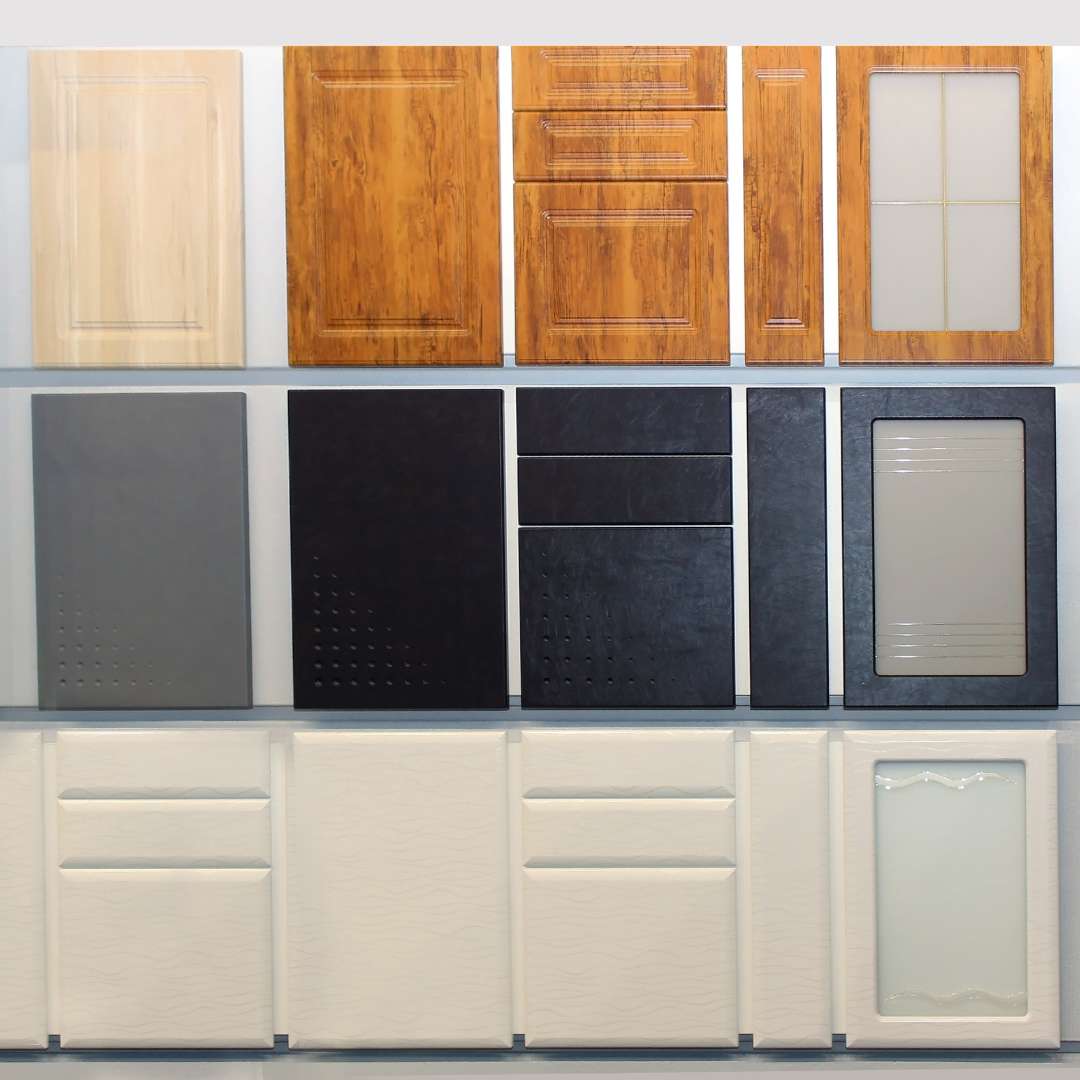
Image Source: novawrap.ae
A New Hue for Your Kitchen: Beyond the Brush
Tired of your kitchen cabinets but not ready for the mess, fumes, and potential commitment of traditional painting? You’re in luck! The world of kitchen cabinet renewal offers innovative and surprisingly simple ways to give your cabinets a dramatic makeover. Whether you’re aiming for a temporary cabinet color change or a more lasting transformation, these no-paint techniques can achieve stunning results. From sleek modern looks to rustic charm, there’s a method to suit every style and skill level. Let’s dive into the exciting alternatives to painting that will breathe new life into your kitchen.
The Allure of No-Paint Transformations
Why shy away from paint? While painting cabinets is a popular choice, it can be time-consuming, messy, and require significant prep work. For many, the smell of paint fumes is a deterrent, and the fear of an imperfect finish can be daunting. Fortunately, modern solutions provide beautiful, durable, and often easier alternatives. These methods allow you to achieve a professional-looking finish without the traditional hassles.
Exploring Your No-Paint Options
Here’s a breakdown of the most effective ways to change your kitchen cabinet colors without painting:
- Cabinet Refinishing
- Cabinet Resurfacing
- Cabinet Staining (for wood cabinets)
- Laminate Cabinet Overlays
- Contact Paper Cabinets
- Cabinet Liners
- Cabinet Wraps
Let’s explore each of these in depth.
1. Cabinet Refinishing: A Gentle Revitalization
Refinishing cabinets is a broad term that can encompass several techniques, but when we talk about no-paint refinishing, we often mean restoring the existing finish or applying a new, transparent stain to enhance the natural beauty of the wood. This is an excellent option for cabinets made of real wood that are in good condition but perhaps dated in color or sheen.
The Process of Refinishing
The process typically involves:
- Cleaning: Thoroughly cleaning the cabinets to remove grease, grime, and any existing polish. A degreaser is your best friend here.
- Sanding (Lightly): A very light sanding with fine-grit sandpaper (220 grit or higher) is often necessary to create a surface that will accept the new finish or stain. This isn’t about removing the old finish entirely, but rather scuffing it up.
- Applying a New Finish/Stain: This is where the color change happens. You can opt for a clear coat for a natural look, a tinted glaze for subtle color, or a stain for a more dramatic shift.
- Sealing: Applying a protective topcoat (like polyurethane or varnish) to seal in the color and protect the wood.
Pros and Cons of Refinishing
| Pros | Cons |
|---|---|
| Enhances natural wood grain | Primarily for solid wood cabinets |
| Can be less labor-intensive than paint | Limited color options compared to paint |
| Creates a natural, sophisticated look | Requires careful preparation and application |
| Durable when done correctly | Can reveal imperfections in the wood |
| Environmentally friendly if using low-VOC products | May require multiple coats for desired depth |
Tip: For a subtle color change, consider a tinted glaze applied over the existing finish after light sanding. This can add depth and a hint of color without a full strip and refinish.
2. Cabinet Resurfacing: A New Skin for Your Cabinets
Cabinet resurfacing offers a more substantial transformation, essentially giving your cabinets a brand-new surface. This method is particularly effective for cabinets that have worn finishes, minor damage, or are made of materials like laminate or thermofoil that are difficult to paint effectively.
How Cabinet Resurfacing Works
Resurfacing typically involves:
- Cleaning: As with refinishing, a deep clean is crucial.
- Repairing: Addressing any minor dents, scratches, or chips.
- Applying a New Surface: This is the key difference. Instead of just a new coat of finish, you’re applying a new material. This can include:
- Veneer: Thin sheets of real wood are adhered to the existing cabinet surfaces. This allows for a wood look without replacing the entire cabinet.
- Laminate: Durable plastic laminates are applied, offering a vast range of colors and patterns, from wood grains to solid colors and even textures.
- Specialty Coatings: Some companies offer spray-applied coatings that bond directly to the existing surface, creating a hard, durable finish.
Pros and Cons of Resurfacing
| Pros | Cons |
|---|---|
| Can cover existing damage and worn finishes | Can be more expensive than other DIY methods |
| Offers a wide range of color and texture options | May require professional installation for best results |
| Very durable and long-lasting | Can add thickness to cabinet doors |
| Faster than full cabinet replacement | Not all materials are suitable for all cabinet types |
Consideration: If you have older cabinets with a good base but a tired finish, resurfacing can be a cost-effective way to achieve a modern look.
3. Cabinet Staining: Unveiling the Wood’s True Colors
Cabinet staining is specifically for cabinets made of solid wood or wood veneer. It’s a fantastic way to alter the color of your cabinets while still allowing the natural wood grain to show through. This is different from painting, where the grain is typically obscured by opaque color.
The Staining Process
- Preparation is Key:
- Remove cabinet doors and drawers.
- Clean thoroughly to remove grease and grime.
- Sand the cabinets. For a color change, you’ll need to sand off the old finish. Start with medium-grit sandpaper (120-150 grit) and finish with fine-grit (180-220 grit).
- Wipe down with a tack cloth to remove all dust.
- Applying Pre-Stain Wood Conditioner (Recommended): This helps the stain absorb more evenly, preventing blotchiness, especially on hardwoods like maple or cherry.
- Applying the Stain:
- Apply the stain with a brush, rag, or foam applicator, working in the direction of the wood grain.
- Allow the stain to penetrate for the time recommended on the product label (usually 5-15 minutes).
- Wipe off the excess stain with a clean rag, again, following the grain.
- Second Coat (Optional): For a darker or richer color, apply a second coat after the first has dried.
- Sealing: Once the stain is completely dry, apply several coats of a clear protective finish like polyurethane or polycrylic. This protects the stain and the wood.
Stain Color Options
| Stain Type | Appearance | Best For |
|---|---|---|
| Transparent | Lets wood grain show clearly, slight color tint | Enhancing natural wood beauty, subtle color change |
| Semi-Transparent | Shows grain pattern, more color depth | Moderate color change, good for highlighting grain |
| Solid (Opaque) | Hides wood grain, like paint but in stain form | When you want color but prefer a stain application |
| Glazes | Applied over existing finish, adds depth/color | Subtle antique or distressed looks, minor color shifts |
Pros and Cons of Staining
| Pros | Cons |
|---|---|
| Highlights natural wood grain | Only suitable for wood or wood veneer cabinets |
| Wide range of colors available | Requires thorough sanding to remove old finishes |
| Can create rich, deep colors | Can be prone to blotchiness if not prepared well |
| Durable finish when properly sealed | Time-consuming preparation and application process |
| Offers a warm, natural aesthetic | Results depend heavily on the type of wood |
Pro Tip: Always test your stain on an inconspicuous area or scrap piece of wood from your cabinets to ensure you achieve the desired color.
4. Laminate Cabinet Overlays: A Modern Skin
Laminate cabinet overlays are sheets of high-pressure laminate (HPL) or low-pressure laminate (LPL) that are adhered directly to the existing cabinet doors and drawer fronts. This is a popular method for a sleek, modern look and is incredibly durable.
The Overlay Process
- Measure Accurately: Precise measurements of each cabinet door and drawer front are essential.
- Cut Laminate: Laminate is cut to size, often with a slight overlap or a specific edge treatment depending on the desired look.
- Adhesive Application: A strong, high-quality adhesive is applied to both the back of the laminate and the cabinet surface.
- Bonding: The laminate is carefully applied to the cabinet surface, ensuring a smooth, bubble-free finish. A roller or specialized tool is often used to press it down firmly.
- Trimming: Any excess laminate is trimmed precisely along the edges.
- Edge Banding (Optional): For a finished look, edge banding can be applied to exposed laminate edges.
Pros and Cons of Laminate Overlays
| Pros | Cons |
|---|---|
| Highly durable and resistant to scratches/stains | Can be difficult to DIY perfectly without experience |
| Wide variety of colors, patterns, and textures | Existing cabinet edges might remain visible depending on style |
| Smooth, easy-to-clean surface | Can chip if hit with a very sharp object |
| Relatively quick transformation | Not ideal for heavily detailed or ornate cabinet doors |
| Modern and sleek appearance | Requires precise cutting and application |
Design Idea: Consider matte finishes for a sophisticated, fingerprint-resistant look. Wood grain laminates can mimic the appearance of real wood quite convincingly.
5. Contact Paper Cabinets: The Temporary Tint Option
Contact paper cabinets are a fantastic solution for a temporary cabinet color change or for renters. This adhesive vinyl paper is designed to stick directly to your existing cabinet surfaces. It’s affordable, comes in a vast array of designs, and is relatively easy to apply.
Applying Contact Paper
- Clean and Dry: Ensure cabinets are perfectly clean and dry. Any dust or grease will prevent proper adhesion.
- Measure and Cut: Measure the cabinet surface and cut the contact paper, leaving a small overlap (about an inch) around the edges.
- Peel and Stick: Slowly peel off the backing paper while carefully applying the contact paper to the cabinet surface.
- Smooth Out Bubbles: Use a squeegee or a credit card to smooth out any air bubbles as you go, working from the center outwards.
- Trim Excess: Use a craft knife to trim the excess paper along the edges for a clean finish.
Pros and Cons of Contact Paper
| Pros | Cons |
|---|---|
| Very affordable and budget-friendly | Durability varies greatly by quality of the paper |
| Easy to apply and remove | Can peel or bubble over time, especially in humid areas |
| Huge selection of colors, patterns, and textures | May not hold up well to heavy use or constant scrubbing |
| Great for temporary changes or renters | Can leave residue upon removal, depending on the adhesive |
| No special tools required | Not ideal for high-moisture areas like directly above sinks |
Quality Matters: Invest in higher-quality contact paper for better adhesion and a more realistic finish. Look for brands specifically designed for furniture or cabinetry.
6. Cabinet Liners: A Protective and Decorative Layer
While often associated with shelves and drawers, specialized cabinet liners can also be used on the visible surfaces of cabinet doors and drawer fronts, especially for a decorative accent or a subtle color enhancement. These are typically thicker, more durable vinyl or laminate materials than standard contact paper.
How Cabinet Liners Work
The application is similar to contact paper:
- Prepare Surfaces: Clean and dry cabinets thoroughly.
- Measure and Cut: Measure each surface precisely and cut the liner material.
- Apply Adhesive: Some liners have a peel-and-stick backing, while others require spray adhesive. Follow the manufacturer’s instructions.
- Smooth and Trim: Use a squeegee to ensure a smooth, bubble-free application and trim any excess with a craft knife.
Pros and Cons of Cabinet Liners
| Pros | Cons |
|---|---|
| Adds a decorative layer | Limited color and pattern options compared to contact paper |
| Can offer some protection to the underlying surface | May not be as durable as laminate overlays |
| Relatively easy to apply | Durability depends heavily on the specific product |
| Can be a good option for updating specific cabinet panels | May not be suitable for all cabinet styles |
Creative Use: Consider using a contrasting cabinet liner on the inside of glass-front cabinets for a unique pop of color.
7. Cabinet Wraps: Professional Finish, DIY Friendly
Cabinet wraps are essentially large sheets of vinyl that are expertly cut and adhered to cabinet doors and drawer fronts. This is a professional-grade technique that can yield incredibly smooth, durable, and visually stunning results. While often done by professionals, DIY kits are becoming more accessible.
The Cabinet Wrapping Process
- Precision Measurement: Like laminate overlays, exact measurements are crucial.
- Wrap Material: High-quality adhesive vinyl is used. These come in an astounding array of colors, finishes (matte, gloss, satin, brushed metal, wood grain), and even textures.
- Application: The vinyl is carefully applied, often with heat (using a heat gun) to help it conform to curves and edges. A squeegee is used to smooth out air bubbles.
- Trimming and Finishing: Excess vinyl is trimmed precisely, and edges are often tucked for a seamless look.
Pros and Cons of Cabinet Wraps
| Pros | Cons |
|---|---|
| Extremely durable and long-lasting | Can be challenging for DIYers, especially around edges |
| Vast selection of colors, finishes, and textures | Requires specialized tools (heat gun, sharp blades) |
| Smooth, seamless finish | Precise measurement and cutting are critical for success |
| Resistant to scratches and moisture | Quality of the vinyl and application technique are vital |
| Can completely transform the look of cabinets | Can be more expensive than contact paper or staining |
DIY Tip: Watch numerous tutorial videos before attempting a cabinet wrap. Practice on a scrap piece of material or an old cabinet door first.
Choosing the Right No-Paint Method for You
The best method depends on your budget, desired durability, the material of your current cabinets, and your DIY comfort level.
Factors to Consider:
- Cabinet Material: Are your cabinets solid wood, veneer, laminate, MDF, or thermofoil? This is the primary determinant of which methods are suitable.
- Desired Longevity: Are you looking for a quick update or a long-term solution?
- Budget: Some methods are significantly more expensive than others.
- DIY Skill Level: Some techniques are more forgiving for beginners than others.
- Aesthetic Goals: Do you want to show wood grain, a solid color, or a specific texture?
Quick Comparison Table
| Method | Best For | Durability | DIY Friendliness | Cost | Temporary? |
|---|---|---|---|---|---|
| Refinishing | Solid wood, good condition | High | Medium | Medium | No |
| Resurfacing | Worn finishes, laminate, MDF | Very High | Medium to High | High | No |
| Staining | Solid wood, wood veneer | High | Medium | Medium | No |
| Laminate Overlays | MDF, particleboard, laminate, good for modern looks | Very High | Medium to High | Medium to High | No |
| Contact Paper Cabinets | Any flat surface, temporary needs | Low to Medium | High | Low | Yes |
| Cabinet Liners | Accent panels, decorative layer | Medium | High | Low to Medium | Yes |
| Cabinet Wraps | MDF, laminate, thermofoil | Very High | Medium to High | Medium to High | No |
Maintaining Your Newly Colored Cabinets
No matter which method you choose, proper care will extend the life and beauty of your updated cabinets.
- Cleaning: Use a soft, damp cloth and mild dish soap for regular cleaning. Avoid abrasive cleaners or harsh chemicals.
- Spills: Wipe up spills immediately, especially acidic liquids like lemon juice or tomato sauce.
- Heat: Be cautious with heat sources near cabinet surfaces, especially with vinyl-based products.
- Moisture: While most of these finishes offer good moisture resistance, excessive prolonged moisture exposure should be avoided.
Frequently Asked Questions (FAQ)
Q1: Can I use contact paper on painted cabinets?
A1: Yes, you can apply contact paper over painted cabinets, provided the paint is in good condition (not peeling or damaged). Ensure the painted surface is clean and dry.
Q2: How long does contact paper last on kitchen cabinets?
A2: The lifespan of contact paper varies greatly depending on the quality of the paper, the application, and the amount of wear and tear it receives. High-quality vinyl can last several years, while cheaper options might start peeling or fading within a year or two.
Q3: Is refinishing cabinets better than painting?
A3: Refinishing is often preferred for solid wood cabinets as it preserves the natural wood grain and can offer a more organic, less “painted-on” look. Painting offers a wider color palette and can cover imperfections more effectively, but it obscures the wood grain. Both can be durable if done correctly.
Q4: What is the most durable no-paint cabinet option?
A4: Laminate overlays and cabinet wraps are generally considered the most durable no-paint options. They offer excellent resistance to scratches, stains, and moisture, making them ideal for high-traffic kitchen environments.
Q5: Can I get a wood grain look without painting or staining?
A5: Yes! Laminate overlays, contact paper, and cabinet wraps all come in a wide variety of realistic wood grain patterns. These can be a great alternative if your existing cabinets are not solid wood or if you prefer a more uniform grain appearance.
Q6: Which method is best for thermofoil cabinets?
A6: Thermofoil cabinets can be tricky to paint because the finish can melt or peel. Cabinet wraps or laminate overlays are excellent choices for thermofoil, as they adhere well and provide a durable, new surface without compromising the base material.
Q7: How do I remove old contact paper from cabinets?
A7: For most contact paper, gentle heat from a hairdryer can help soften the adhesive. Peel slowly, and if residue remains, use an adhesive remover or a mild solvent like mineral spirits on a cloth, testing in an inconspicuous area first.
By exploring these no-paint avenues, you can achieve a stunning cabinet refresh and dramatically alter the color and style of your kitchen without the mess and complexity of traditional painting. Each method offers unique benefits, allowing you to find the perfect solution for your cabinet transformation.