
Image Source: i.ytimg.com
How To Change Drain In Kitchen Sink: Easy Fix
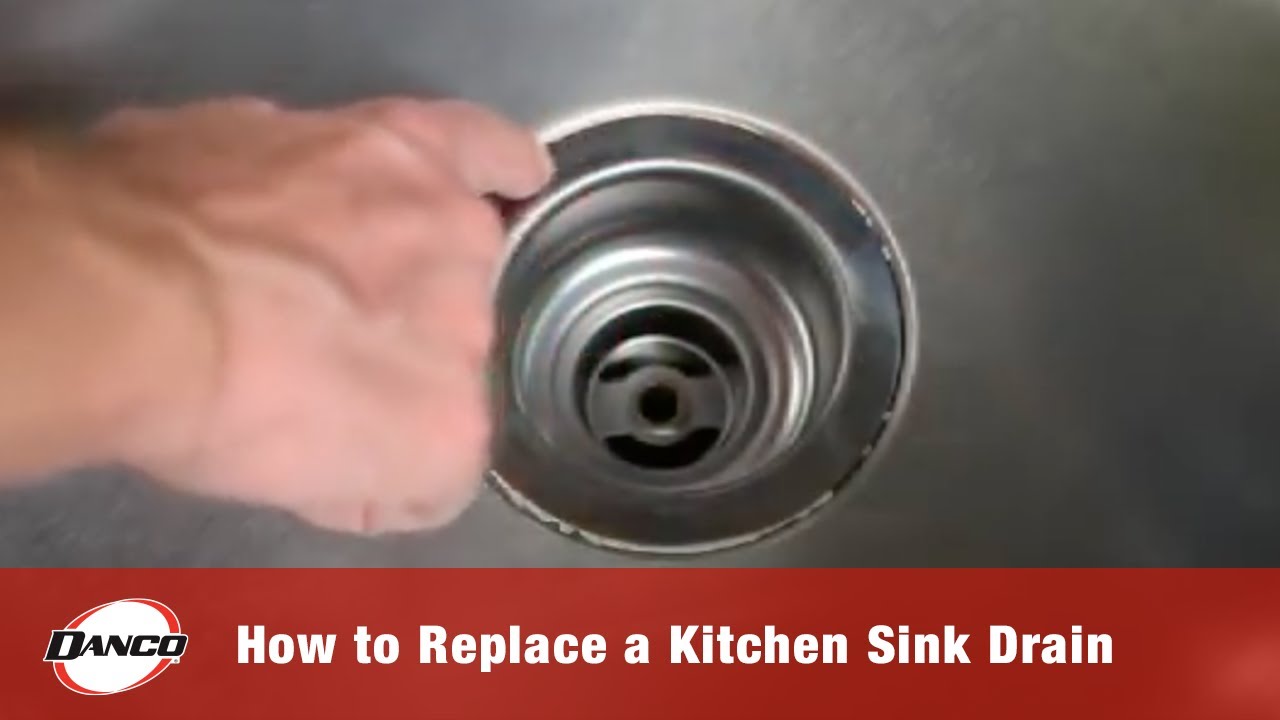
Can you change a kitchen sink drain yourself? Yes, absolutely! With a few basic tools and this step-by-step guide, you can tackle a sink drain replacement and fix common issues like leaks or a worn-out strainer. This guide will walk you through the entire process, from identifying the problem to enjoying a leak-free, fully functional sink. We’ll cover everything from kitchen sink plumbing basics to installing kitchen drain components, making this a truly achievable DIY project.
Why Replace Your Kitchen Sink Drain?
Over time, your kitchen sink drain can suffer from various issues. A common problem is a clogged kitchen sink drain, but sometimes the entire drain assembly needs replacing. You might need to change your drain due to:
- Leaks: Even small drips under the sink can cause water damage and mold. A cracked or loose drain assembly is often the culprit.
- Corrosion: Metal drains can corrode, especially with constant exposure to water and cleaning chemicals. This can lead to leaks and a less-than-ideal appearance.
- Damaged Strainer Basket: The strainer basket, the part you see in the sink bowl, can get bent, cracked, or become difficult to seal properly, leading to slow draining or leaks.
- Outdated Fixtures: If you’re renovating your kitchen, updating the sink drain assembly is a great way to improve both the look and function of your sink.
- Disposal Issues: If you have a garbage disposal, a faulty drain flange or seal can cause leaks around the disposal unit. This often involves sink disposal installation or repair related to the drain.
Tools and Materials You’ll Need
Gathering the right tools before you start will make the process much smoother. You likely have many of these items already.
Essential Tools:
- Adjustable Wrench (or two): For loosening and tightening pipe fittings.
- Plumber’s Putty: A pliable sealant used to create a watertight seal between the drain flange and the sink.
- Plumber’s Tape (PTFE Tape): Used to seal threaded pipe connections, preventing leaks.
- Bucket: To catch any residual water in the pipes.
- Rag or Towels: For wiping up spills and cleaning.
- Pliers (Channel Lock or Tongue-and-Groove): Can be helpful for gripping larger or stubborn parts.
- Screwdriver (Flathead and Phillips): For any screws holding the drain assembly or pipes.
- Utility Knife or Scraper: To remove old plumber’s putty or sealant.
- Safety Glasses: To protect your eyes from debris or splashes.
- Gloves: To keep your hands clean and for better grip.
New Drain Assembly Components:
- Kitchen Sink Drain Assembly: This typically includes the drain flange, body, locknut, rubber gasket, and plastic washer. Ensure it’s compatible with your sink material and thickness.
- Sink Strainer (if not part of the assembly): If you are specifically replacing sink strainer basket and the rest of the drain is fine, you might only need this part.
Step-by-Step Guide to Replacing Your Kitchen Sink Drain
This guide focuses on a standard kitchen sink drain assembly. If you have a garbage disposal, some steps will be slightly different, particularly when dealing with the connection point.
Step 1: Prepare the Work Area and Turn Off Water
Safety first! Before you begin any kitchen sink plumbing work, ensure the area is clear and safe.
- Clear Under the Sink: Remove everything from the cabinet below the sink. This gives you ample space to work. Lay down old towels or a tarp to catch any drips.
- Turn Off Water Supply: Locate the hot and cold water shut-off valves under the sink. These are usually small knobs or levers attached to the pipes coming from the wall. Turn them clockwise until they are snug.
- Test Water: Turn on your kitchen faucet to relieve any remaining pressure in the lines and confirm the water is indeed off. Let any residual water drain out.
Step 2: Disconnect the Drain Pipes
Now it’s time to disconnect the existing drain. This is often the messiest part.
- Place Bucket: Position your bucket directly under the trap (the U-shaped pipe) to catch any water that remains in the pipes.
- Loosen Slip Nuts: You’ll see slip nuts connecting the different sections of the drainpipe. Use your adjustable wrench or pliers to loosen these nuts. Turn them counter-clockwise. They might be tight, so a bit of force might be needed.
- Remove P-Trap: Once the slip nuts are loosened, carefully detach the P-trap. Some water will likely spill into the bucket.
- Disconnect from Drain Tailpiece: The P-trap connects to the drain tailpiece, which is directly attached to the drain assembly under the sink. Loosen the slip nut connecting the P-trap to the tailpiece.
- Remove Tailpiece (if necessary): If your new drain assembly comes with a new tailpiece, disconnect the tailpiece from the drain body under the sink. You might need to loosen another slip nut or simply pull it away if it’s just a friction fit with sealant.
Step 3: Remove the Old Sink Drain Assembly
This is where you’ll remove the part that’s actually inside and under your sink bowl.
- Locate the Locknut: Under the sink, look for a large metal or plastic nut that secures the drain flange to the sink. This is the drain locknut.
- Loosen the Locknut: Use your adjustable wrench to loosen this locknut by turning it counter-clockwise. It can be quite tight. If it’s difficult to get a grip, channel lock pliers might be more effective.
- Remove the Old Drain: Once the locknut is removed, the entire drain assembly should come apart. You might need to push the drain flange up from inside the sink bowl. The old assembly will consist of the flange (top part in the sink), a rubber gasket, a plastic washer, and the metal or plastic body that connects to the tailpiece.
- Clean the Sink Opening: Use your utility knife or scraper to carefully remove any old plumber’s putty or sealant from the sink drain opening. Wipe the area clean with a rag. A clean surface is crucial for a good seal.
Step 4: Install the New Drain Flange and Body
This is the core of the sink drain replacement process.
- Apply Plumber’s Putty: Take a generous amount of plumber’s putty and roll it into a rope about ½ inch thick. Press this rope firmly around the underside of the new drain flange, creating a continuous seal.
- Insert New Drain Flange: Carefully press the new drain flange down into the sink opening from the top, ensuring the plumber’s putty makes good contact with the sink surface.
- Assemble Underneath: From under the sink, slide the rubber gasket onto the threaded shank of the drain assembly, followed by the plastic washer (if included) and then the locknut.
- Tighten the Locknut: Thread the locknut onto the drain shank. Hand-tighten it first, then use your adjustable wrench to snug it up. Be careful not to overtighten, which could crack a ceramic sink. The goal is to compress the plumber’s putty and rubber gasket to create a watertight seal.
- Clean Excess Putty: From inside the sink, use a damp cloth to wipe away any excess plumber’s putty that squeezed out around the flange.
Step 5: Reconnect the Drain Pipes
Now, reassemble the drain pipes, ensuring a good seal at each connection.
- Attach Tailpiece (if applicable): If your new drain came with a new tailpiece, attach it to the drain body under the sink. You might need a new slip nut and washer for this connection.
- Reconnect P-Trap: Align the P-trap with the tailpiece and the drainpipe leading to the wall. Make sure the plastic washers are properly seated in the slip nuts.
- Tighten Slip Nuts: Hand-tighten the slip nuts first, then use your wrench or pliers to snug them up. Again, don’t overtighten.
Installing Kitchen Drain with a Garbage Disposal
If you’re performing a sink disposal installation or replacing the drain where a disposal is attached, the process is similar, but there are key differences:
- Drain Flange: The drain flange for a disposal unit is slightly different. It’s typically made of metal and has a wider opening to accommodate the disposal’s input pipe.
- Disposal Connection: The disposal unit usually screws directly onto the drain flange’s threaded shank. You’ll need to follow the disposal manufacturer’s instructions for connecting it to the sink drain.
- Sink Flange Gasket: The gasket and any necessary fiber washers will be placed between the disposal unit and the sink flange.
- Mounting Assembly: Disposals have a specific mounting assembly (a metal ring with screws and a locking mechanism) that attaches the disposal securely to the sink flange.
- Plumber’s Putty: Still use plumber’s putty under the disposal drain flange to create a watertight seal with the sink.
When installing kitchen drain components alongside a garbage disposal, ensure you have the correct flange and mounting hardware for your specific disposal model. Refer to your disposal’s manual for precise details.
Step 6: Test for Leaks
This is a critical step to ensure your DIY work is successful.
- Run Water: Turn the water supply valves back on slowly (turn counter-clockwise).
- Check Connections: With the water running, thoroughly inspect all the connections you worked on:
- Around the drain flange inside the sink.
- The locknut under the sink.
- The tailpiece connections.
- The P-trap connections.
- Any connections to the wall drainpipe.
- Fill the Sink: Fill the sink bowl with water by plugging the drain. Let it sit for a few minutes.
- Drain the Sink: Pull the plug and let the water drain. Watch closely for any drips or leaks as the water level drops and flows through the pipes.
- Tighten if Necessary: If you spot any leaks, try tightening the offending connection slightly. Sometimes, a loose slip nut or locknut is all it takes. If a leak persists after gentle tightening, you might need to disassemble that specific joint, check the gasket, and reapply plumber’s tape or putty.
Troubleshooting Common Issues
Even with careful work, you might encounter minor problems.
- Persistent Leaks: If a leak won’t stop, double-check that you used enough plumber’s putty or tape. Ensure all gaskets and washers are seated correctly. Sometimes, a slightly warped flange or an uneven sink surface can cause issues.
- Slow Draining: If the sink still drains slowly after replacement, the issue might be further down the line in your under sink plumbing or main drain. You might need to use a drain snake or chemical drain cleaner (use with caution).
- Loose Flange: If the drain flange feels loose in the sink, the locknut might not be tight enough, or the plumber’s putty seal might be compromised.
When to Call a Professional
While DIY sink drain projects are common, there are times when calling a plumber is the best course of action.
- Stubbornly Stuck Parts: If old pipes or fittings are corroded and won’t budge, forcing them could break them and create a bigger problem.
- Major Leaks or Water Damage: If you discover significant water damage or have persistent, large leaks you can’t control, a professional can quickly diagnose and fix the issue.
- Unfamiliar Plumbing Systems: If your under sink plumbing looks complex or you’re unsure about any part of the process, it’s always safer to get expert help.
- Garbage Disposal Problems: While some disposal maintenance is DIY, complex issues or installations might require a licensed plumber.
Maintaining Your Kitchen Sink Plumbing
Once your new drain is installed, proper maintenance will ensure it lasts for years.
- Avoid Harsh Chemicals: Try to avoid pouring harsh drain cleaners down the sink regularly. These can degrade pipes and seals over time.
- Scrape Food Scraps: Scrape food scraps into the trash or compost bin before rinsing dishes. This prevents unnecessary strain on your drain and disposal.
- Use a Strainer Basket: A good quality strainer basket catches larger debris, preventing them from entering the drain and causing blockages. Regularly clean out the strainer basket.
- Run Cold Water with Disposal: If you have a garbage disposal, always run cold water before, during, and for a short time after using it. This helps solidify grease and food particles, making them easier to flush away.
- Occasional Flush: Periodically flush the drain with hot water or a mixture of baking soda and vinegar to help keep it clear of grease and buildup.
Frequently Asked Questions (FAQ)
Q1: How often should I replace my kitchen sink drain?
A1: There’s no set schedule for sink drain replacement. You should replace it if you notice leaks, corrosion, damage to the strainer basket, or if it’s consistently clogged.
Q2: What is plumber’s putty, and why is it used?
A2: Plumber’s putty is a soft, pliable compound used as a sealant. It’s placed between the drain flange and the sink surface to create a watertight seal, preventing water from leaking out around the drain opening.
Q3: Can I replace just the sink strainer without replacing the whole drain assembly?
A3: Yes, if the rest of your drain assembly is in good condition, you can often just replace the replacing sink strainer basket and its associated rubber gasket. This is a simpler fix if the leak or problem is solely with the visible part in the sink bowl.
Q4: What’s the difference between a kitchen sink drain and a garbage disposal drain?
A4: A standard kitchen sink drain has a flange, a body, and typically connects to a tailpiece and then a P-trap. A garbage disposal connects directly to the sink drain flange via a special mounting assembly and then leads to the P-trap. The flange for a disposal is also designed to accept the disposal unit. Sink disposal installation involves integrating the disposal into the drain system.
Q5: My kitchen faucet drain is leaking, what could be the cause?
A5: The term “kitchen faucet drain” might be a bit confusing. Leaks associated with a faucet are usually at the faucet base or the water supply lines. If you mean the drain in the sink basin itself, the causes are typically a faulty seal under the drain flange, a loose locknut, or a cracked drain body. The steps in this guide address these issues.
Q6: How do I fix a clogged kitchen sink drain?
A6: For a clogged kitchen sink drain, start with simpler methods like a plunger. If that doesn’t work, try using a drain snake. Chemical drain cleaners can be a last resort but use them cautiously. If these methods fail, or if the clog is persistent, there might be a blockage further down your under sink plumbing.
Q7: Is installing a new kitchen drain a difficult DIY job?
A7: Installing kitchen drain components is generally considered a moderate DIY project. With basic tools and by following the steps carefully, most homeowners can successfully complete a sink drain replacement. The most challenging parts are usually loosening old, stubborn fittings and ensuring all seals are watertight.
Changing your kitchen sink drain might seem daunting at first, but by breaking it down into manageable steps, it’s a very achievable DIY task. Whether you’re dealing with a leak, a worn-out part, or just want to refresh your kitchen sink plumbing, this guide provides the knowledge you need for a successful sink drain replacement. Remember to work carefully, prioritize safety, and don’t hesitate to call a professional if you encounter difficulties.