
Can you replace a kitchen sink yourself? Yes, with the right tools and a step-by-step approach, anyone can tackle replacing a kitchen sink. This guide will walk you through the entire process of kitchen sink installation, from removing the old one to securing the new fixture. We’ll cover everything you need to know about replacing a kitchen sink as a DIY project, including kitchen sink plumbing and common pitfalls.
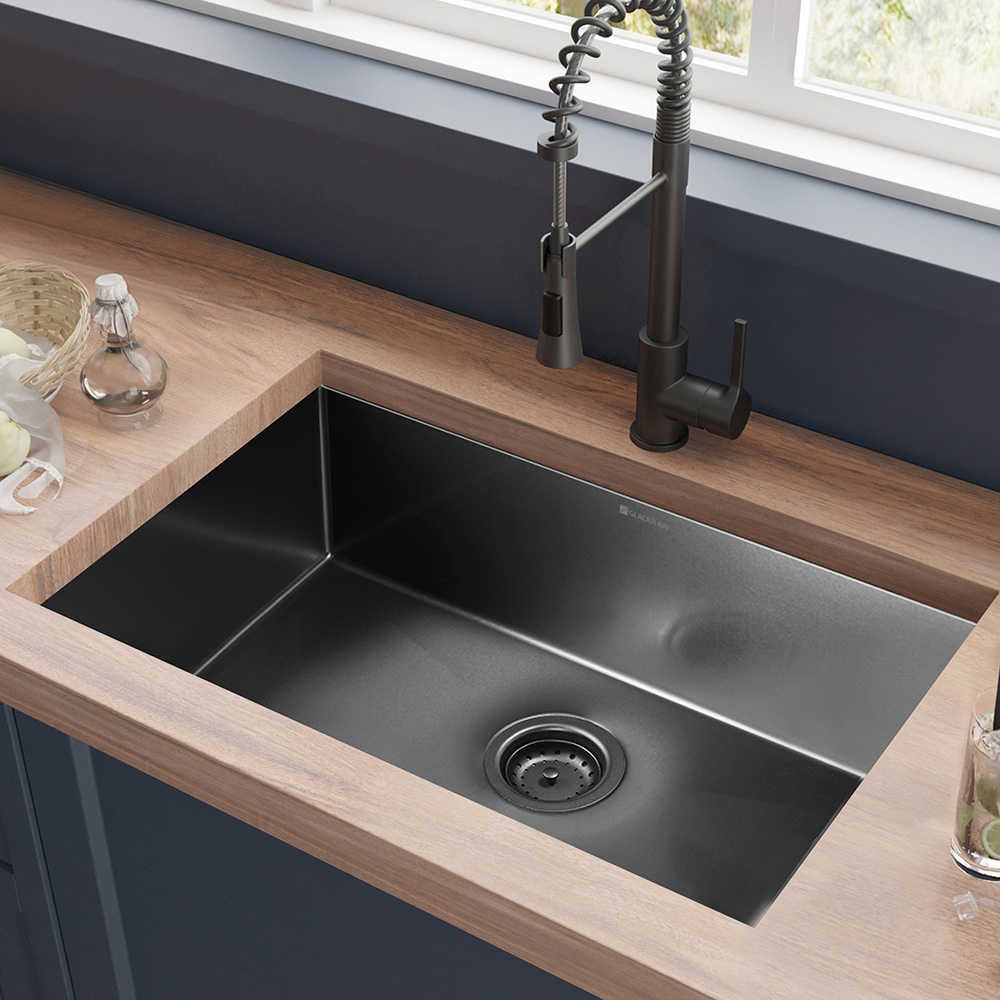
Image Source: contentgrid.homedepot-static.com
Why Replace Your Kitchen Sink?
Kitchen sinks see a lot of action. Over time, they can become worn, stained, chipped, or simply outdated. You might also want to replace your sink to update your kitchen’s look, improve its functionality, or even to accommodate a new appliance like a kitchen sink disposal installation. Whatever the reason, a DIY kitchen sink replacement is a rewarding project that can significantly enhance your kitchen’s appeal and usability.
Getting Started: Tools and Materials
Before you begin how to remove a kitchen sink, gather all your necessary tools and materials. Having everything on hand will make the process smoother and prevent frustrating trips to the hardware store.
Essential Tools
- Adjustable Wrench: For loosening and tightening plumbing connections.
- Pipe Wrench: Useful for stubborn or larger fittings.
- Basin Wrench: A specialized tool for reaching nuts in tight spaces behind the sink bowl. This is crucial for kitchen sink mounting bracket adjustments and faucet connections.
- Screwdriver Set: Both Phillips and flathead are usually needed.
- Putty Knife: To scrape away old caulk and sealant.
- Bucket: To catch any residual water from the pipes.
- Rags and Towels: For cleaning up spills and drying components.
- Safety Glasses: To protect your eyes from debris.
- Work Gloves: To protect your hands.
- Pliers: Various types, including slip-joint and needle-nose.
- Utility Knife or Caulk Removal Tool: For cutting through old sealant.
- Pliers: For gripping and turning.
- Optional: Plumber’s Putty or Silicone Sealant: For sealing the new sink.
- Optional: PTFE Tape (Teflon Tape): For sealing threaded pipe connections.
Materials You’ll Need
- New Kitchen Sink: Make sure it fits the existing cutout in your countertop.
- New Faucet Assembly (Optional): If you’re also doing a kitchen faucet replacement, have it ready.
- Drain Assembly (P-trap kit): It’s good practice to replace the old drain components when replacing the sink. This includes the tailpiece, slip nuts, washers, and P-trap. If you’re doing a kitchen sink drain replacement, ensure you have all the necessary parts.
- New Supply Lines: For connecting the faucet to the water shut-off valves.
- New Shut-off Valves (Optional but recommended): If the old ones are corroded or leak.
- New Strainer Basket: The part that goes into the drain hole of the sink.
- New Sink Mounting Clips or Brackets: Your new sink may come with these, but check. These are essential for undermount kitchen sink installation as well as top-mount.
Step 1: Preparing for the Removal
Before diving into how to remove a kitchen sink, ensure your workspace is ready. Clear everything out from under the sink cabinet. Place a bucket directly beneath the P-trap and any other accessible pipe connections to catch water. Lay down some old towels or rags to absorb drips.
Step 2: Shutting Off the Water Supply
This is a critical safety step. Locate the hot and cold water shut-off valves under the sink. They are usually small knobs or levers attached to the pipes coming out of the wall. Turn them clockwise until they are completely closed.
- Test the Shut-off: Turn on the faucet to confirm that the water supply has been successfully stopped. No water should come out. If water still flows, you may need to shut off the main water supply to your house.
Step 3: Disconnecting the Plumbing
Now comes the part where you disconnect the existing kitchen sink plumbing.
Disconnecting the Faucet Supply Lines
- Use an adjustable wrench to loosen the nuts connecting the flexible supply lines to the faucet shanks.
- Be prepared for a small amount of residual water to drain out.
Disconnecting the Drain Pipes
This is usually the messiest part of how to remove a kitchen sink.
- Under the Sink: You’ll see a U-shaped pipe, known as the P-trap, connected to the sink drain.
- Loosen Slip Nuts: There are typically large plastic or metal nuts (slip nuts) connecting the tailpiece (the pipe coming directly from the sink drain) to the P-trap, and then the P-trap to the drainpipe going into the wall.
- Use Your Bucket: Place your bucket directly under the P-trap.
- Loosen by Hand or Wrench: Try loosening these nuts by hand first. If they are too tight, use an adjustable wrench or pipe wrench. Turn them counter-clockwise.
- Remove the P-trap: Once the slip nuts are loose, you should be able to carefully remove the P-trap. Empty any water inside into the bucket.
- Disconnect the Tailpiece: If the tailpiece is separate from the sink, you’ll need to disconnect it from the sink’s strainer basket. This often involves a large nut or a compression fitting.
Disconnecting the Dishwasher or Garbage Disposal (If Applicable)
- Dishwasher Drain Hose: If your dishwasher drains into the sink or garbage disposal, disconnect the rubber hose. There’s usually a clamp holding it in place.
- Garbage Disposal: If you have a garbage disposal, this is a more involved step.
- Disconnect the Electrical Plug: Crucially, unplug the garbage disposal before attempting any work.
- Remove the Disposal: Most disposals are attached to the sink with a mounting ring. You’ll need to twist this ring to detach the disposal from the sink flange. It’s heavy, so be prepared to support its weight. You might need a special disposal wrench or a large screwdriver to loosen the ring.
- Disconnect Drain Lines: The disposal also has drain connections for dishwashers and the main drain line. Disconnect these as you did with the regular drain pipes.
Step 4: Detaching the Sink
With all the plumbing disconnected, it’s time to free the sink from the countertop. The method for this depends on the type of sink and how it was installed.
For Top-Mount (Drop-In) Sinks
These sinks rest on top of the countertop, with clips underneath securing them.
- Locate Mounting Clips: Look underneath the sink rim. You’ll see metal clips that are screwed into the underside of the countertop or secured with screws into the sink’s kitchen sink mounting bracket.
- Loosen or Remove Clips: Use a screwdriver or wrench to loosen or remove these clips.
- Break the Seal: The sink is usually sealed to the countertop with plumber’s putty or silicone caulk. Use a utility knife or putty knife to carefully cut through this seal around the entire perimeter of the sink.
- Lift the Sink: Once all clips are loosened and the seal is broken, carefully lift the sink straight up and out of the countertop opening. You might need to gently rock it to free it.
For Undermount Sinks
Undermount kitchen sink installation means the sink is mounted beneath the countertop. This is generally a bit trickier to remove.
- Locate Mounting Hardware: Undermount sinks are secured with clips or brackets that are screwed into the underside of the countertop. These are often hidden behind the sink bowl. You might need a basin wrench to reach them.
- Remove Mounting Hardware: Unscrew all clips and brackets.
- Break the Seal: Similar to top-mount sinks, undermount sinks are sealed with silicone. Cut through the silicone around the sink’s rim where it meets the countertop. Be thorough.
- Support the Sink: Before completely detaching it, support the sink from below. It can be heavy.
- Lower the Sink: Once all fasteners and sealant are removed, carefully lower the sink.
Step 5: Cleaning the Countertop Opening
After removing the old sink, you’ll likely have residue from the old sealant, plumber’s putty, or grime.
- Scrape Away Residue: Use a putty knife or caulk removal tool to scrape off any remaining sealant or putty from the countertop edge.
- Clean the Area: Clean the area thoroughly with a mild degreaser and a cloth to ensure a clean surface for the new sink. A clean surface is essential for a good seal.
Step 6: Preparing the New Sink for Installation
Before you put the new sink in place, you need to install the drain and faucet.
Installing the Faucet
If you’re doing a kitchen faucet replacement simultaneously, now is the best time.
- Follow Manufacturer Instructions: Each faucet is slightly different, but generally:
- Feed the faucet’s supply lines and mounting studs through the appropriate holes in the sink.
- From underneath the sink, attach the faucet using the provided mounting hardware (washers, nuts, or mounting plates).
- Tighten securely but avoid over-tightening, which can damage the sink or faucet.
- Attach the spray hose if your faucet has one.
Installing the Drain Assembly
This involves installing the strainer basket and the tailpiece.
- Strainer Basket:
- Apply a generous rope of plumber’s putty or a bead of silicone sealant around the underside of the strainer basket flange.
- Press the strainer basket firmly into the sink drain opening from the top.
- From underneath, slide a rubber gasket, then a metal washer, and finally the locknut over the threaded tailpiece of the strainer basket.
- Tighten the locknut securely with a wrench. Excess putty or sealant will squeeze out; wipe it away.
- Tailpiece:
- Attach the tailpiece (the straight pipe coming down from the strainer basket) to the strainer basket.
- Use the supplied gasket and slip nut. Tighten it securely.
Step 7: Installing the New Sink
This is where your kitchen sink installation comes to life.
For Top-Mount (Drop-In) Sinks
- Apply Sealant: Apply a continuous bead of silicone sealant or a rope of plumber’s putty around the underside of the sink rim where it will meet the countertop. Plumber’s putty is generally preferred for stone countertops as silicone can sometimes cause staining. Check your countertop manufacturer’s recommendations.
- Position the Sink: Carefully lower the new sink into the countertop opening. Make sure it’s centered and sits flush.
- Secure the Sink: From underneath, attach the kitchen sink mounting bracket clips provided with the sink. Screw them into place to hold the sink securely against the countertop. Tighten them evenly around the perimeter.
- Wipe Away Excess Sealant: Immediately wipe away any excess sealant that squeezed out around the sink’s edge with a damp cloth or paper towel.
For Undermount Kitchen Sink Installation
This requires more precision.
- Position the Sink: Carefully lift the sink into position from below the countertop.
- Secure with Clips: Apply sealant to the underside of the countertop where the sink flange will sit. Then, position the sink and secure it using the provided mounting clips or brackets. These are often screwed into the underside of the countertop. Tighten them evenly. For heavier sinks like granite or cast iron, you may need additional adhesive or support systems recommended by the manufacturer.
- Allow Sealant to Cure: Follow the sealant manufacturer’s instructions for curing time before putting any weight on the sink or using it.
Step 8: Reconnecting the Plumbing
Now it’s time to connect the new kitchen sink plumbing.
Connecting the Drain Pipes
- Assemble the P-trap: Connect the P-trap to the tailpiece coming from the sink strainer basket and to the drainpipe in the wall.
- Use New Washers: Always use new rubber washers with slip nuts. Ensure they are seated correctly (cone-shaped washer, cone facing upstream towards the sink).
- Hand-Tighten First: Hand-tighten all slip nuts, then use your wrench to give them a quarter to half turn. Don’t over-tighten plastic fittings, as they can crack.
Connecting the Faucet Supply Lines
- Connect to Faucet: If you haven’t already, connect the new supply lines to the faucet shanks.
- Connect to Shut-off Valves: Connect the other end of the supply lines to the corresponding hot and cold water shut-off valves. These usually have a compression fitting, so you’ll tighten the nut onto the valve stem.
Reconnecting the Garbage Disposal and Dishwasher (If Applicable)
- Garbage Disposal:
- Lift the disposal into place and align it with the mounting flange on the sink.
- Twist the mounting ring to lock it into place.
- Reconnect any drain lines (dishwasher, main drain) to the disposal.
- Plug the garbage disposal back in only after all water connections are tested and secure.
- Dishwasher Drain Hose: Reattach the dishwasher drain hose to the appropriate connection point (either the disposal inlet or a dedicated sink drain pipe inlet) and secure it with a clamp.
Step 9: Testing for Leaks
This is the moment of truth!
- Turn on Water Slowly: Slowly turn the hot and cold water shut-off valves back on.
- Check Faucet: Turn on the faucet and let the water run for a minute. Check all connections at the faucet and the supply lines for any drips.
- Check Drains: Close the sink stoppers and fill the sink bowl about halfway. Then, release the stoppers and watch all the drain connections closely for leaks. Pay special attention to the strainer basket locknut and the P-trap connections.
- Run Disposal (If Applicable): If you reinstalled a garbage disposal, run a small amount of water and then turn on the disposal briefly to ensure it’s working and not leaking.
- Tighten if Necessary: If you find any drips, try tightening the offending connection slightly. If a leak persists, you may need to disassemble the connection, check the washer and seating, and reassemble.
Frequently Asked Questions (FAQ)
Q: How long does it typically take to replace a kitchen sink?
A: For an experienced DIYer, replacing a kitchen sink can take anywhere from 2 to 4 hours. For a first-timer, it might take longer, possibly a full day, especially if you encounter unexpected issues or are also replacing the faucet and disposal.
Q: What type of sealant should I use for my new sink?
A: For most countertop materials, a good quality 100% silicone sealant is recommended for sealing the sink to the countertop. However, for natural stone countertops like granite or marble, it’s often advised to use plumber’s putty as silicone can sometimes cause staining. Always check the recommendations from your countertop manufacturer.
Q: Do I need to replace the drain pipes when replacing the sink?
A: While not strictly necessary if your old drain pipes are in good condition, it’s highly recommended to replace the P-trap kit and strainer basket. These are relatively inexpensive parts, and replacing them ensures a leak-free system and prevents potential issues with old, corroded components.
Q: My new sink has a different number of holes than my old one. What do I do?
A: If your countertop has unused holes for an old faucet or sprayer, you can purchase a sink that matches your countertop’s hole configuration, or use sinkhole covers or a matching deck plate for your new faucet to hide the extra openings. For undermount sinks, the countertop will have been cut for the sink.
Q: What if my new sink doesn’t fit the existing countertop cutout?
A: Before purchasing a new sink, it’s crucial to measure the existing countertop opening accurately. If your new sink is a different size, you may need to modify the countertop opening. This can be a complex task, and for materials like granite or quartz, it’s usually best left to professionals.
Q: Can I install a garbage disposal with any sink?
A: Most modern kitchen sinks are designed to accommodate a garbage disposal, featuring a larger 3.5-inch drain opening. You’ll need to ensure your new sink is compatible and that you have the necessary electrical outlet nearby.
Conclusion
Replacing a kitchen sink is a manageable DIY project that can refresh your kitchen’s look and functionality. By carefully following these steps, gathering the right tools, and paying attention to detail, you can successfully complete a DIY kitchen sink replacement. Remember to prioritize safety, especially when working with water and electrical connections. Enjoy your updated kitchen!