
A key question for anyone designing or renovating a kitchen is: What is the ideal space between a kitchen island and the surrounding countertops? The answer is generally 36 to 48 inches, but this can vary based on your kitchen’s layout, size, and how you intend to use the island. This space is crucial for ensuring easy movement, efficient workflow, and a comfortable kitchen experience.
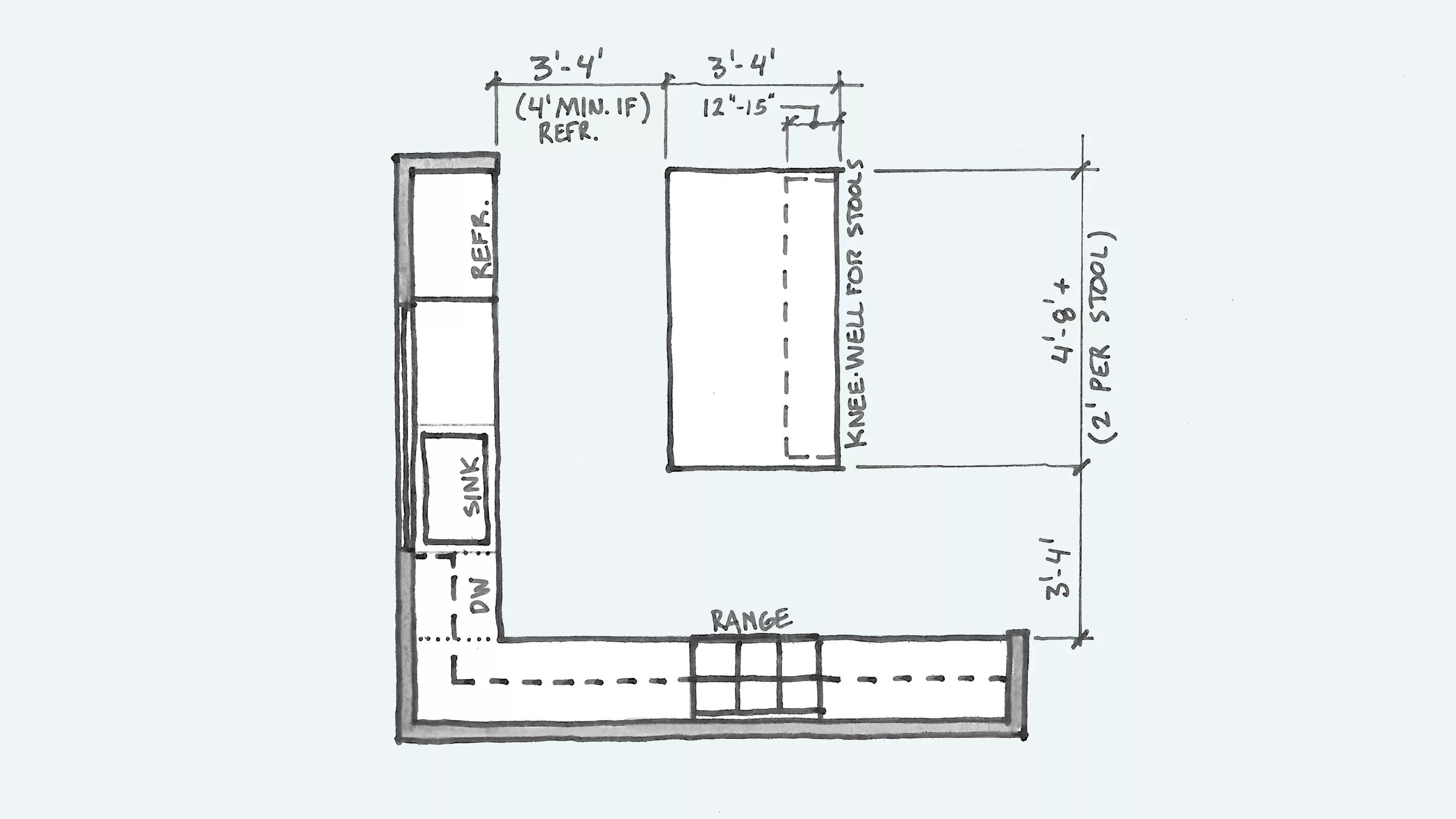
Image Source: www.boardandvellum.com
Designing for Smooth Traffic Flow
Your kitchen is the heart of your home, and efficient movement is paramount. When planning your kitchen, kitchen island placement is one of the most critical decisions. Proper spacing around your island directly impacts traffic flow kitchen island. Too little space, and your kitchen will feel cramped and awkward to navigate. Too much, and you might waste valuable square footage or create an inconveniently spread-out workspace. The goal is to create a seamless environment where you can move freely, access appliances and cabinets, and entertain guests without feeling like you’re in each other’s way.
The Importance of Walkway Space
The space between your kitchen island and the main countertops isn’t just empty air; it’s your primary walkway space kitchen island. This walkway needs to accommodate everyday kitchen activities, from carrying groceries to prepping meals, and even allowing multiple people to work in the kitchen simultaneously. Consider how many people typically occupy your kitchen and what kind of work is done there. A busy family kitchen will have different needs than a kitchen used for occasional entertaining.
Standard Kitchen Island Spacing Recommendations
When aiming for functionality and comfort, adhering to standard kitchen island spacing is a good starting point. These guidelines have been established through years of kitchen design and user experience, focusing on creating optimal usability.
Minimum Safe Clearances
-
36 inches: This is often cited as the absolute minimum kitchen island clearance for a single walkway. This distance allows one person to comfortably walk past the island, open appliance doors (like an oven or dishwasher) that might be on the adjacent counter, and access cabinets. However, it can feel tight, especially if you have high-traffic areas or need to pass someone carrying items.
-
42 inches: This is a more comfortable minimum for high-traffic areas or when you anticipate two people needing to pass each other or work on opposite sides of the island. It provides a bit more breathing room and reduces the feeling of being hemmed in.
Optimal Distances for Better Functionality
-
48 inches: This is widely considered the optimal kitchen island distance for most kitchens. It provides ample room for two people to pass each other comfortably, allows for easier movement when the island is in frequent use, and accommodates the opening of cabinet doors and appliance doors without obstruction. It also allows for more relaxed movement and makes the kitchen feel more open.
-
54-60 inches: If your kitchen is large and you want to create a more expansive feel, or if your island has significant features like deep drawers or appliances on the working side, this increased spacing is beneficial. It allows for a more luxurious feel and excellent maneuverability.
Factors Influencing Your Island Spacing Decision
While the 36-48 inch rule is a good guideline, several factors can influence your island to cabinet distance and overall spacing.
Kitchen Size and Layout
The dimensions of your kitchen play a significant role.
-
Small Kitchens: In smaller kitchens, you might be tempted to push the island closer to the perimeter cabinets to maximize counter space. However, resist the urge to go below 36 inches. If space is extremely limited, consider a smaller, perhaps mobile island, or a peninsula that attaches to a wall.
-
Medium Kitchens: Most standard-sized kitchens will benefit from the 42-48 inch spacing. This offers a good balance between workspace and movement.
-
Large Kitchens: In expansive kitchens, you have more flexibility. You can afford to have wider walkways (48 inches or more) without sacrificing functionality. This creates a more luxurious and airy feel and can accommodate larger islands.
Kitchen Work Triangle and Island Integration
The concept of the kitchen work triangle island is crucial. Traditionally, this triangle connects the sink, refrigerator, and stove. When an island is introduced, it can become a central hub for some of these functions or create a new workspace.
-
Island as a Work Hub: If your island houses a sink, cooktop, or prep area, the spacing around it becomes even more critical for efficient workflow. Ensure there’s enough room between the island and the perimeter counters for multiple people to work simultaneously.
-
Island as a Traffic Director: Sometimes, an island can help organize traffic flow, channeling people around it rather than through the main work areas. This is particularly true if the island is placed in a central location.
Island Functionality and Features
The intended use of your island will dictate the necessary spacing.
-
Prep and Cooking Island: If you plan to do a lot of chopping, mixing, or cooking on your island, you’ll want ample space around it for movement and access to ingredients and tools. This often means favoring the higher end of the spacing recommendations.
-
Island with Seating: This is where kitchen island seating clearance becomes a major consideration. When planning for stools or chairs, you need to account for the space the seating itself occupies, plus the clearance needed for people to get in and out of their seats.
Calculating Seating Clearance
-
Space behind seating: Aim for at least 36 inches of clearance behind seated guests. This allows people to get up and down from the stools without bumping into the cabinets or appliances behind them.
-
Walkway space with seating: If there’s a walkway behind the seating, you’ll need more space. Ideally, 48 inches from the island edge to the obstruction behind the seating will accommodate both movement and seated individuals. If there’s another counter or appliance directly behind the seating, you might need up to 60 inches for comfortable passage.
-
Stool overhang: Consider how far the stools tuck under the island. Most counter-height stools need about 9-12 inches of overhang. Bar-height stools may need slightly more.
Appliance Doors and Cabinet Access
Remember to factor in the swing of appliance doors and cabinet doors.
-
Oven and Dishwasher Doors: If an oven or dishwasher is located on the perimeter counter adjacent to the island, you need enough space to open its door fully without hitting the island. A minimum of 48 inches is often recommended if doors will be open simultaneously.
-
Cabinet and Drawer Access: Ensure that opening drawers or cabinets on the island and the perimeter counters doesn’t obstruct the main walkways. Deeper drawers or appliance garages on the island might require slightly more island to cabinet distance.
Visualizing Your Kitchen Island Spacing
It can be challenging to visualize how different spacing will feel in your kitchen. Here are some practical tips:
Using Tape to Mark Layouts
A simple yet effective method is to use painter’s tape on your existing floor to mark out the proposed dimensions of your island and the surrounding walkways. This allows you to walk the space, open imaginary cabinet doors, and get a real feel for the clearances.
Considering Different Island Dimensions
Before committing to a size, explore various kitchen island dimensions. Islands come in all shapes and sizes, from narrow and long to square and chunky. The size of your island will directly influence the required spacing.
Table 1: Recommended Spacing Based on Kitchen Use
| Kitchen Use Scenario | Recommended Walkway Space (Island to Counter) | Notes |
|---|---|---|
| Light Use / Single Occupant | 36-42 inches | Suitable for smaller kitchens or kitchens with minimal daily activity. Can feel a bit tight. |
| Moderate Use / Frequent Cooking | 42-48 inches | Ideal for most family kitchens, allowing comfortable movement and simultaneous work. |
| Heavy Use / Multiple Cooks / Seating | 48-60 inches | Best for larger kitchens, busy households, or islands with seating, ensuring ample room for passing, prep, and comfortable seating. |
Island Placement Strategies
The placement of your island can significantly impact traffic flow.
-
Central Placement: Placing the island in the center of the kitchen, equidistant from major work zones, is common and often the most effective for traffic flow.
-
Offset Placement: In some layouts, an offset placement might work better, especially if you have an unusual kitchen shape or want to create specific zones.
Common Mistakes to Avoid
When planning your kitchen island spacing, be aware of common pitfalls.
Forgetting About Appliance Door Swings
This is a frequent oversight. If your dishwasher, oven, or even refrigerator door opens into the main walkway, it can create a significant obstruction and hazard. Always check the swing radius of these appliances.
Underestimating Seating Needs
If you envision casual dining or chatting at your island, don’t skimp on seating clearance. This is often where kitchens feel most cramped if not planned correctly.
Ignoring the “Work Triangle” Evolution
The island can alter the traditional work triangle. Ensure the new arrangement still allows for efficient movement between the sink, refrigerator, and cooktop, whether they are on the perimeter or incorporated into the island.
Customizing Your Spacing for Your Home
While general guidelines are helpful, your unique kitchen and lifestyle should guide your final decisions.
Interpreting Your Kitchen’s Needs
Consider:
- How many people use the kitchen daily?
- What are the primary activities performed in the kitchen (cooking, baking, homework, entertaining)?
- What is the overall square footage and shape of your kitchen?
- Are there other doorways or high-traffic areas that intersect with the island’s location?
When to Deviate from the Norm
There are times when you might need to adjust standard spacing:
-
Very Large Islands: If you have a large island with extensive storage or a substantial work surface, you might opt for wider walkways to maintain balance and ease of movement.
-
Narrow Kitchens: In very narrow kitchens, you might have to compromise slightly on walkway space. In such cases, prioritize at least 36 inches and consider a narrower island profile.
Frequently Asked Questions (FAQ)
Q1: What is the minimum space required between a kitchen island and the counter?
A1: The minimum recommended space is 36 inches. This allows for basic movement and appliance door clearance.
Q2: Can I place my island closer than 42 inches if my kitchen is small?
A2: While you might be tempted, it’s strongly advised to maintain at least 36 inches. For smaller kitchens, consider a smaller island or a mobile cart to avoid a cramped feel.
Q3: How much space do I need behind kitchen island seating?
A3: You need at least 36 inches of clear space behind the seating for people to get up and down. If there’s a walkway behind the seating, aim for 48 inches or more.
Q4: What is the optimal kitchen island distance for traffic flow?
A4: 48 inches is generally considered the optimal distance, allowing two people to pass comfortably and providing ample room for kitchen activities.
Q5: Does the type of island (e.g., with seating, with appliances) affect the required spacing?
A5: Yes, absolutely. Islands with seating require extra clearance for access. Islands with appliances that have swinging doors (like ovens or dishwashers) also need more space to prevent collisions.
Q6: How do I figure out the best kitchen island placement for my space?
A6: Measure your kitchen thoroughly. Use painter’s tape on the floor to outline potential island sizes and walkways. Consider your existing work triangle and how the island will fit into your daily routines.
By carefully considering these guidelines and your specific kitchen needs, you can ensure your island is not only a beautiful focal point but also a functional and comfortable part of your home.