
Can you build a kitchen cabinet yourself? Yes, you absolutely can! With patience, the right tools, and this detailed guide, you can successfully build your own custom kitchen cabinets, saving money and gaining a huge sense of accomplishment. This guide covers everything from initial planning and material selection to the final touches of your DIY kitchen cabinets.
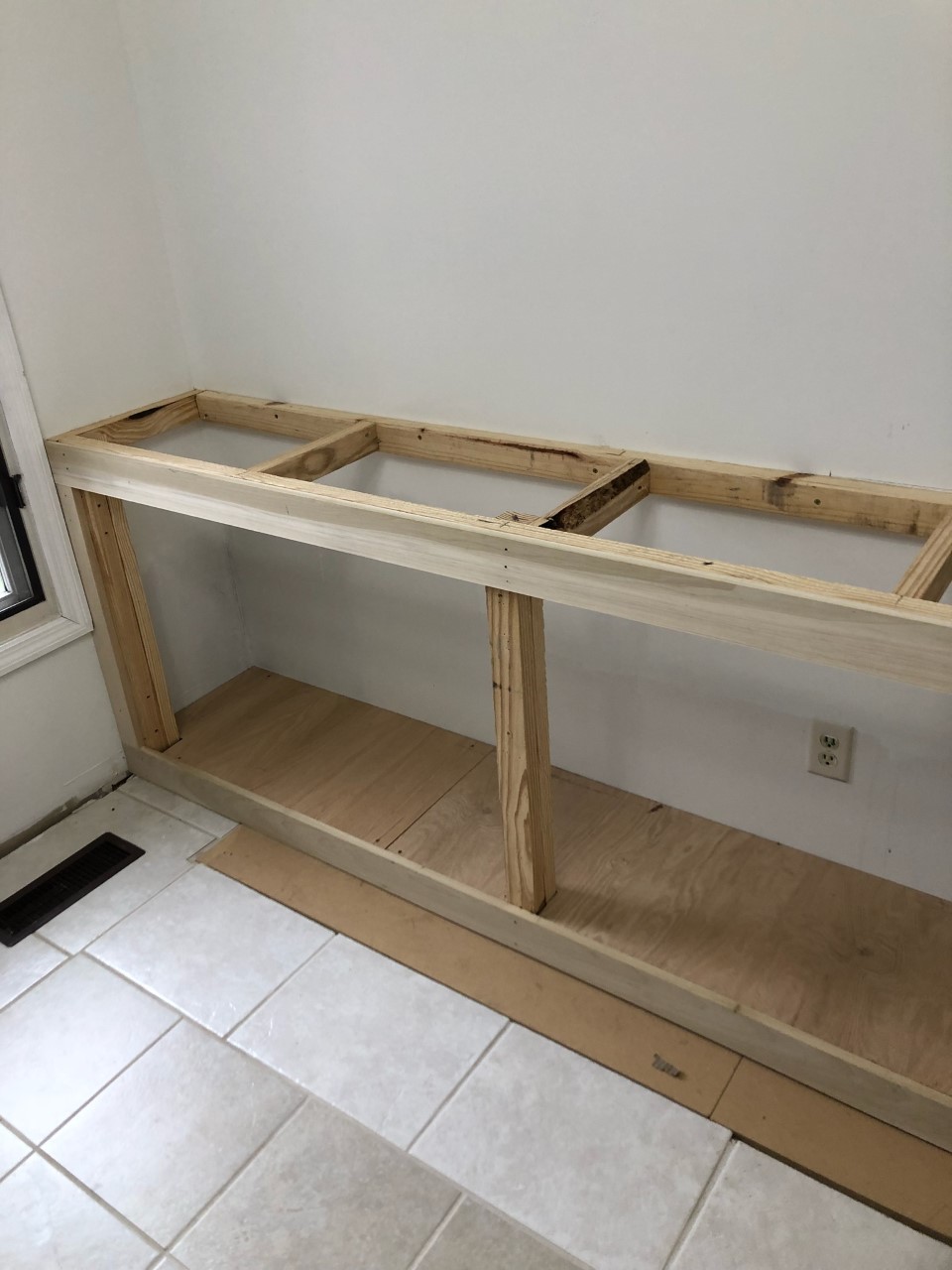
Image Source: designingvibes.com
Planning Your Dream Kitchen Cabinetry
Before you even pick up a saw, it’s crucial to plan. This is where your kitchen cabinet design takes shape. Think about the space you have, what you need to store, and the overall style of your kitchen. Consider the types of cabinets you want: base cabinets, wall cabinets, or perhaps a pantry unit.
Measuring Your Space
Accurate measurements are paramount for successful cabinet making.
- Height: Measure from the floor to the ceiling for wall cabinets. For base cabinets, measure from the floor to the desired countertop height (typically 36 inches).
- Width: Measure the entire length of the wall where the cabinets will go. Mark any obstructions like windows, doors, or appliance locations.
- Depth: Standard wall cabinet depth is 12 inches, and base cabinet depth is typically 24 inches (to accommodate standard countertops). However, you can adjust this for your specific needs.
Sketching Your Design
Create a detailed sketch or use design software to visualize your custom cabinetry. This helps you map out the layout, determine the number of cabinets, and plan their sizes.
- Base Cabinets: These sit on the floor and support your countertops. Standard dimensions are 34.5 inches high and 24 inches deep. Widths vary greatly.
- Wall Cabinets: These hang on the wall. Standard heights are 30, 36, or 42 inches, with a typical depth of 12 inches.
- Appliance Garage: Consider dedicated spaces for appliances.
- Toe Kick: This is the recessed area at the bottom of base cabinets that allows you to stand close to the counter without bumping your toes. It’s usually 4 inches high and 2 inches deep.
Material Selection
The materials you choose will impact the durability, look, and cost of your DIY kitchen cabinets.
Wood Types
- Plywood: This is the most common material for cabinet boxes. It’s strong, stable, and comes in various grades.
- Birch Plywood: Good strength and a smooth surface, often used for cabinet interiors.
- Maple Plywood: Very durable and attractive, suitable for both boxes and doors.
- Oak Plywood: Strong and has a distinct grain pattern.
- Solid Wood: Often used for cabinet doors, drawer fronts, and face frames.
- Maple: Hard, smooth, and takes finishes well.
- Oak: Strong, durable, with a pronounced grain.
- Cherry: Beautiful color that deepens with age, but can be more expensive.
- Pine: Softer and less expensive, but can dent easily.
Hardware
Don’t forget the essential cabinet hardware.
- Hinges: For doors. Options include concealed (European style) or visible hinges.
- Drawer Slides: For smooth drawer operation. Full-extension slides are recommended for better access.
- Knobs and Pulls: For opening doors and drawers.
- Shelf Pins: To support adjustable shelves.
Building the Cabinet Boxes: The Foundation of Your Project
The core of any cabinet is its box. Proper building cabinet boxes ensures a strong and long-lasting unit. Most DIYers opt for plywood for the cabinet box due to its stability and ease of use.
Essential Tools
- Table saw or circular saw with a guide
- Measuring tape
- Pencil
- Drill and drill bits
- Pocket hole jig (highly recommended)
- Wood glue
- Screws (specific for your wood thickness and joinery method)
- Clamps (bar clamps, pipe clamps, or corner clamps)
- Orbital sander and sandpaper (various grits)
- Safety glasses and hearing protection
Cutting Your Plywood Panels
Precision is key here. You’ll need panels for the sides, top, bottom, and back of your cabinet box.
- Sides: Typically two identical pieces.
- Top & Bottom: These attach to the sides.
- Back: Can be a thin plywood panel (1/4 inch or 1/2 inch) or a thicker material for added rigidity.
Example Cabinet Box Dimensions (for a 30″ wide, 34.5″ high base cabinet):
| Panel | Height | Width | Thickness |
|---|---|---|---|
| Left Side | 34.5 inches | 23.25 inches | 0.75 inch |
| Right Side | 34.5 inches | 23.25 inches | 0.75 inch |
| Top | 34.5 inches | 30 inches | 0.75 inch |
| Bottom | 33.75 inches | 30 inches | 0.75 inch |
| Back | 34.5 inches | 29.25 inches | 0.25 inch |
Note: These are example dimensions. Adjust based on your specific design and desired overhangs or inset.
Joinery Methods for Cabinet Boxes
Good cabinet joinery is crucial for strength and stability.
1. Pocket Holes (Most Recommended for DIYers)
Pocket holes are a quick and strong way to join cabinet box panels.
- Process:
- Use a pocket hole jig to drill angled holes on the edges of the panels that will be screwed into.
- Apply wood glue to the joining edges.
- Align the panels and drive pocket hole screws through the drilled holes into the mating panel.
- Use clamps to hold the pieces firmly while the glue dries.
2. Dados and Rabbets
These are more traditional woodworking joinery techniques that create strong, interlocking joints.
- Dado: A groove cut across the grain of a board.
- Rabbet: A step-like cut along the edge of a board.
- Process: These require a table saw with a dado blade or multiple passes with a standard blade. The bottom panel might sit in dadoes cut into the side panels, and the back panel might fit into rabbets.
3. Butt Joints with Screws and Glue
This is the simplest method, but often the weakest. Reinforce with glue and strategically placed screws.
Assembling the Cabinet Box
- Dry Fit: Before applying glue or screws, assemble the pieces to ensure they fit correctly.
- Glue and Clamp: Apply a good quality wood glue to all joining surfaces.
- Secure with Fasteners: Use pocket hole screws, nails, or other fasteners as per your chosen joinery method. Ensure the cabinet box is square. Use a carpenter’s square to check corners.
- Attach the Back Panel: The back panel adds significant rigidity.
- Option 1: If using a thin plywood back, it can be glued and stapled or screwed around the perimeter of the box.
- Option 2: For thicker backs or for added strength, you can cut rabbets into the back edges of the side, top, and bottom panels for the back panel to slot into.
Building Cabinet Doors and Drawer Fronts
This is where your cabinet making truly comes to life and adds significant aesthetic appeal to your DIY kitchen cabinets.
Door Styles
- Flat Panel (Slab): Simple and modern, made from a single piece of wood or a plywood panel.
- Shaker Style: Features a raised center panel with a flat profile and a distinct frame.
- Raised Panel: The center panel has a profiled edge, creating a more traditional look.
Drawer Fronts
These are typically made from solid wood or a combination of solid wood and plywood. They should match the style of your cabinet doors for a cohesive look.
Construction Methods
1. Solid Wood Doors (e.g., Shaker Style)
- Components: Stiles (vertical frame pieces) and Rails (horizontal frame pieces) with a center panel.
- Joinery:
- Mortise and Tenon: A very strong and traditional joint where a tenon (tongue) on one piece fits into a mortise (hole) on another. This requires specialized tools like a mortising machine or careful chisel work.
- Pocket Holes: A more accessible method for DIYers. Drill pocket holes on the back of the rails and attach them to the stiles. The center panel can be dadoed into the stiles and rails, or it can be attached from the back with glue and brad nails or screws.
- Center Panel: Can be a solid wood panel or a plywood panel with a profiled edge. It’s often set into grooves (dadoes) in the stiles and rails to allow for wood expansion and contraction.
2. Flat Panel (Slab) Doors and Drawer Fronts
- Material: Typically made from a single sheet of high-quality plywood (like maple or birch veneer) or solid wood.
- Construction: Cut to size, and the edges can be left square or routed with a decorative edge profile.
Drawer Construction
- Drawer Box: Usually made from 1/2 inch or 3/4 inch plywood or solid wood. Use pocket holes, dadoes, or rabbets for joinery.
- Drawer Bottom: Typically 1/4 inch plywood, which slides into grooves cut into the sides and front/back of the drawer box. This adds significant strength.
- Drawer Front: Attached to the assembled drawer box, often with screws from the inside of the drawer box.
Cabinet Joinery: Ensuring Strength and Durability
The quality of your cabinet joinery directly impacts the lifespan and appearance of your custom cabinetry. While pocket holes are excellent for beginners, other techniques offer superior strength and a cleaner look, especially for visible joints.
Pocket Holes
- Pros: Fast, easy to learn, strong.
- Cons: Visible holes on the inside of the cabinet box unless plugged.
Dados and Rabbets
- Pros: Very strong, provides a good surface area for glue, hidden when assembled.
- Cons: Requires more precise cuts, often necessitates a table saw with a dado blade.
Dovetail Joints
- Pros: The hallmark of fine furniture and cabinetry, exceptionally strong, beautiful appearance.
- Cons: Challenging to master, requires specialized jigs or significant hand-tool skill.
Biscuit Joints
- Pros: Helps with alignment during glue-up, adds some strength.
- Cons: Not as strong as other methods on its own, best used in conjunction with glue.
Cabinet Finishing: The Protective and Aesthetic Layer
Proper cabinet finishing protects your wood and gives your DIY kitchen cabinets their final look.
Sanding
Thorough sanding is essential for a smooth finish.
- Start with a coarser grit (e.g., 100 or 120) to remove any imperfections or machine marks.
- Progress to finer grits (e.g., 150, 180, 220) for a smooth surface.
- Always sand with the grain.
- Wipe away dust with a tack cloth or damp rag between grits.
Staining
Stain adds color to the wood.
- Pre-stain Conditioner: Recommended for some woods (like pine or maple) to ensure even stain absorption.
- Application: Apply stain with a brush or rag, wiping off excess with a clean rag, following the grain.
- Multiple Coats: Apply multiple coats for deeper color, allowing adequate drying time between each.
Painting
Painting offers a different aesthetic and can hide wood grain.
- Primer: Apply a good quality wood primer to ensure even paint coverage and adhesion.
- Application: Use a high-quality paint brush or roller for a smooth finish. Multiple thin coats are better than one thick coat.
- Sanding Between Coats: Lightly sand with a very fine grit sandpaper (e.g., 220 or 320) between coats for a smoother finish.
Sealing and Top Coating
A clear topcoat protects the stain or paint and the wood itself.
- Polyurethane: Durable and available in oil-based (more durable, amber tone) and water-based (clearer, faster drying) formulations.
- Lacquer: Dries quickly and can be sprayed for a very smooth finish.
- Varnish: Offers good protection but can be more prone to yellowing over time.
- Application: Apply thin, even coats, allowing them to dry completely and lightly sanding between coats with fine-grit sandpaper.
Kitchen Cabinet Installation: Bringing Your Project to Fruition
The final step is kitchen cabinet installation. This is where all your hard work comes together.
Tools for Installation
- Level (4-foot and torpedo level)
- Stud finder
- Drill and driver bits
- Shims
- Measuring tape
- Pencil
- Safety glasses
- Cabinet screws (typically 2.5 to 3 inches)
Installing Base Cabinets
- Mark Layout Lines: Use your level to draw a level line on the wall where the top of your base cabinets will sit. Also, mark the stud locations.
- Start in a Corner: Begin with a corner cabinet. Place the cabinet in position.
- Level and Shim: Use a level to ensure the cabinet is perfectly plumb (vertical) and level (horizontal). Use shims behind the cabinet where necessary to adjust for uneven walls.
- Secure to Wall: Drive cabinet screws through the back of the cabinet into the wall studs. Make sure to screw through the reinforced areas or the dado/rabbet if you’ve designed them for mounting.
- Install Adjacent Cabinets: Place the next cabinet next to the first. Ensure the front faces are flush and the tops are level. Clamp them together for alignment.
- Screw Cabinets Together: Drill pilot holes and drive screws through the face frames or side panels of adjacent cabinets to join them securely.
Installing Wall Cabinets
- Mark Layout Lines: Use a level to draw a line on the wall where the bottom of your wall cabinets will sit (typically 54 inches from the floor, but adjust for your ceiling height and desired countertop clearance). Mark stud locations.
- Use a Helper or Cabinet Jack: Wall cabinets are heavy and awkward to lift and position alone. A helper or a cabinet jack is highly recommended.
- Position and Level: Place the cabinet in position, ensuring it’s level and plumb. Use shims behind the cabinet if needed.
- Secure to Wall: Drive cabinet screws through the back of the cabinet into the wall studs. Again, ensure you are screwing into reinforced areas.
- Install Adjacent Cabinets: As with base cabinets, clamp adjacent wall cabinets together for alignment, then screw them to each other.
Installing Doors and Drawers
- Attach Hinges: Mount hinges to your cabinet doors according to the manufacturer’s instructions.
- Attach to Cabinet Boxes: Mount the other half of the hinges to the cabinet boxes. Adjust the screws to ensure doors hang straight and have even gaps.
- Install Drawer Slides: Attach the drawer slides to the cabinet boxes and to the sides of your drawers.
- Install Drawer Fronts: Attach the drawer fronts to the drawer boxes, ensuring they are aligned perfectly with the cabinet doors.
Adding Cabinet Hardware
- Measure and Mark: Carefully measure and mark the placement of your knobs and pulls.
- Drill Pilot Holes: Drill pilot holes for screws.
- Attach Hardware: Secure your chosen cabinet hardware.
Frequently Asked Questions (FAQ)
What is the best wood for kitchen cabinets?
For cabinet boxes, plywood is generally preferred due to its stability and resistance to warping. Birch, maple, and oak plywood are excellent choices. For cabinet doors and drawer fronts, solid wood like maple, oak, cherry, or alder is commonly used for their durability and beauty.
Can I build custom kitchen cabinets on a budget?
Yes, you can build custom cabinetry on a budget by carefully selecting materials, utilizing plywood for cabinet boxes, and simplifying door styles. Buying materials in bulk or looking for sales can also help reduce costs.
How do I make my DIY kitchen cabinets look professional?
Achieving a professional look involves meticulous attention to detail. This includes precise cuts, strong cabinet joinery, thorough sanding, and careful application of finishes. Choosing quality cabinet hardware also makes a significant difference.
What is the most important tool for building kitchen cabinets?
While many tools are essential, a table saw or a high-quality circular saw with a straight-edge guide is crucial for making accurate cuts, which is fundamental to good cabinet making. A pocket hole jig is also a game-changer for DIY cabinet construction.
How do I ensure my cabinets are level and square during installation?
Use a good quality level (at least a 4-foot level) and a carpenter’s square. Always check for plumb (vertical) and level (horizontal) as you install. Use shims behind cabinets to compensate for uneven walls. Double-check that your cabinet boxes are square before you begin the kitchen cabinet installation.