
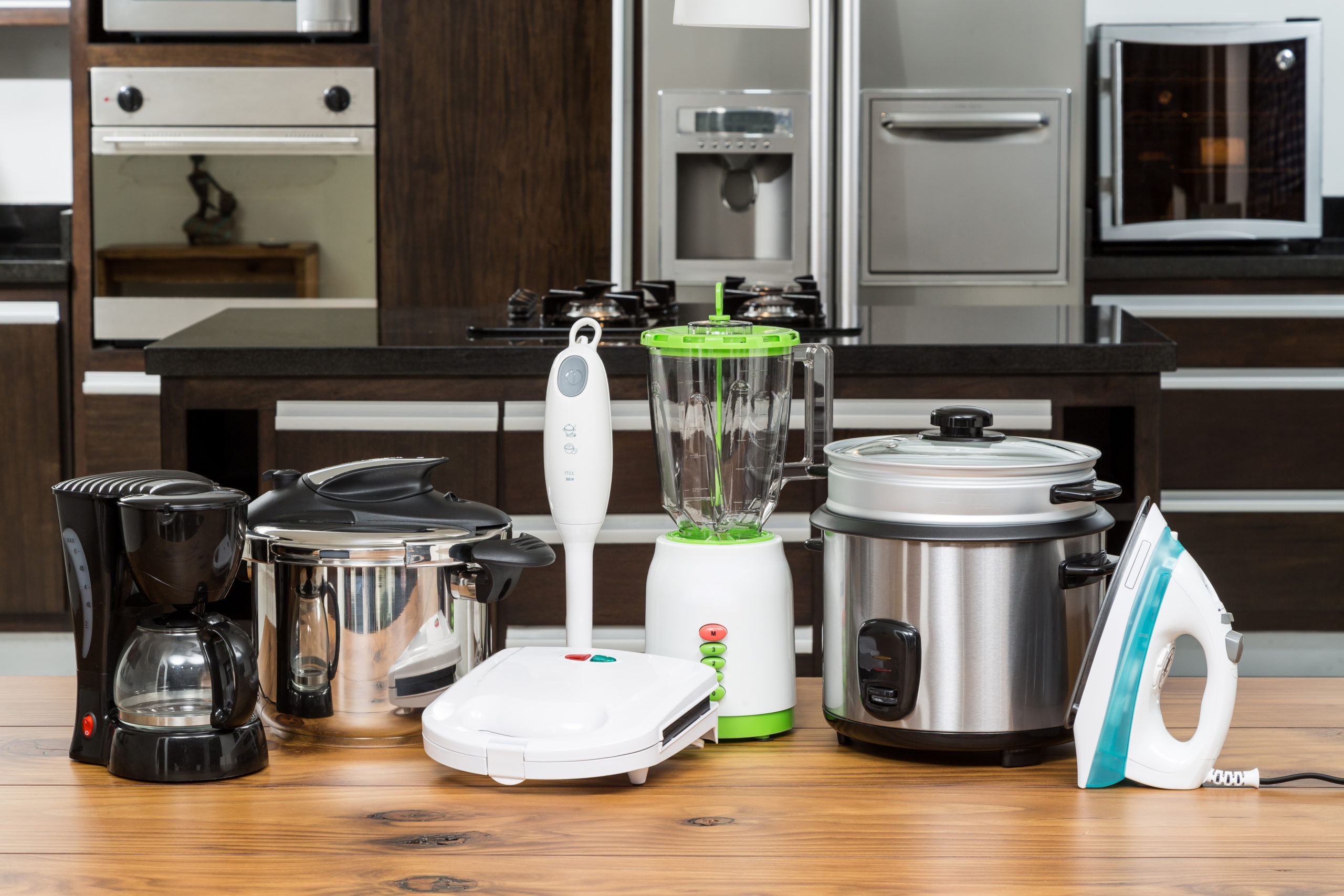
Image Source: www.hightechrecyclingmi.com
How To Dispose Of Small Kitchen Appliances Eco-Friendly
Can you recycle small kitchen appliances? Yes, you can and should recycle most small kitchen appliances. Disposing of them responsibly is crucial for protecting our environment. When your trusty old toaster finally gives up, or your broken blender is beyond repair, don’t just toss it in the trash. There are better, greener ways to handle these common household items. This guide will walk you through the best practices for eco-friendly appliance disposal, ensuring your kitchen castoffs don’t become landfill liabilities.
Why Responsible Disposal Matters for Small Appliances
Small kitchen appliances, like toasters, blenders, coffee makers, and electric kettles, are everywhere in our homes. They make our lives easier, but what happens when they reach the end of their lifespan? Simply throwing them away is a missed opportunity and can contribute to serious environmental problems.
- Landfill Overload: Every item thrown into a landfill takes up valuable space. Small appliances, even though “small,” contribute to this growing issue.
- Harmful Materials: Many electronic items contain materials that can be harmful to the environment if not disposed of properly. This is where electronic waste disposal (e-waste) becomes critical. These items can contain heavy metals like lead, mercury, and cadmium, which can leach into the soil and water if they end up in a landfill.
- Resource Waste: These appliances are made from valuable resources – metals, plastics, and other components. When we don’t recycle them, these resources are lost, meaning new ones must be extracted, which often has a significant environmental footprint. Small appliance recycling recovers these materials so they can be used again, reducing the need for virgin resources.
- Energy Consumption: Manufacturing new appliances requires a lot of energy. Recycling and reusing components of old appliances can save significant energy compared to creating them from scratch.
Identifying What Can Be Recycled and What Cannot
Most small kitchen appliances are considered e-waste, meaning they contain electronic components and should be treated as such. This includes most items that plug into a wall or run on batteries.
Common Small Kitchen Appliances Suitable for E-Waste Recycling:
- Toasters (including old toaster disposal)
- Blenders (including broken blender disposal)
- Coffee makers (drip, espresso, pod-based)
- Electric kettles
- Toaster ovens
- Microwaves (although larger, often treated similarly)
- Food processors
- Hand mixers and stand mixers
- Waffle makers
- Electric grills and griddles
- Electric knives
- Juicers
- Rice cookers
- Slow cookers
- Electric can openers
- Popcorn makers
- Electric whisks
- Sandwich makers
Items That May Require Special Handling (Hazardous Waste):
While most small appliances are recyclable e-waste, some components or specific types of appliances might fall into different categories. It’s important to be aware of potential hazardous waste kitchen items.
- Batteries: If your small appliance uses removable batteries, these should be removed and recycled separately. Many retailers and local recycling centers have battery drop-off points. Lithium-ion batteries, in particular, can be a fire hazard if damaged and disposed of improperly.
- Fluorescent Bulbs (in some older appliances): Certain older appliances, like some microwave ovens or toaster ovens, might contain small fluorescent bulbs. These bulbs contain mercury and require special handling. Check your local hazardous waste disposal guidelines.
- Refrigerants (in mini-fridges): While not typically “small” kitchen appliances in the same vein as a toaster, if you have a mini-fridge or a small wine cooler, these contain refrigerants that are harmful to the ozone layer and must be handled by professionals for safe removal before the appliance is scrapped. This falls under responsible appliance disposal for larger items.
Your Options for Eco-Friendly Appliance Disposal
When it’s time to say goodbye to a small kitchen appliance, you have several avenues for eco-friendly appliance disposal. The best option often depends on the appliance’s condition and your local resources.
1. Appliance Donation: Giving Your Working Appliances a Second Life
If your small kitchen appliance is still in good working order, appliance donation is a fantastic way to ensure it’s used and appreciated by someone else. This reduces waste and helps those in need.
Where to Donate:
- Local Charities and Shelters: Many organizations accept working small appliances. Examples include Goodwill, Salvation Army, Habitat for Humanity ReStores, and local women’s shelters or community centers. Always call ahead to confirm they accept the item you wish to donate.
- Thrift Stores: Community thrift stores are excellent outlets for functional used goods.
- Friends, Family, or Neighbors: Sometimes, someone you know might be in need of the appliance you no longer use.
- Online Platforms: Websites like Freecycle, Buy Nothing groups on Facebook, or even local online marketplaces can be great places to offer working items for free.
Tips for Donating:
- Cleanliness is Key: Ensure the appliance is clean and in good working condition. Wipe it down, and if possible, test it to make sure it functions correctly.
- Include Accessories: If you have the original manual or any attachments (like blender cups or mixer attachments), include them.
- Be Honest: If there’s a minor flaw, mention it to the recipient.
2. Small Appliance Recycling: The Greenest Choice for Broken Items
For appliances that are broken or beyond repair, small appliance recycling is the most environmentally responsible path. This process ensures that valuable materials are recovered and harmful substances are managed safely.
How to Find Recycling Centers:
- Local Municipal Recycling Programs: Check your city or county’s waste management website. Many have specific e-waste collection days or permanent drop-off locations.
- Retailer Take-Back Programs: Some electronics retailers offer recycling programs for small appliances, especially when you purchase a new one. Stores like Best Buy often have e-waste recycling bins.
- Specialized E-Waste Recyclers: Search for dedicated e-waste recycling facilities in your area. These facilities are equipped to safely dismantle electronics and process their components.
- Manufacturer Take-Back Programs: Some manufacturers offer their own recycling programs. Check the manufacturer’s website for information on how to return old products.
What Happens During Recycling?
- Dismantling: Trained professionals carefully take apart the appliance.
- Material Separation: Components are sorted into different material streams: plastics, metals (steel, aluminum, copper), glass, and circuit boards.
- Processing: Metals are melted down and reformed. Plastics are shredded and processed for reuse. Circuit boards often contain precious metals that can be recovered.
- Hazardous Material Management: Any hazardous materials are carefully removed and disposed of according to strict environmental regulations.
3. Junk Appliance Removal Services: When You Need It Gone Fast
If you have multiple old appliances or need a quick and hassle-free solution, hiring a junk appliance removal service is an option. Many of these services prioritize eco-friendly practices.
What to Look For in a Removal Service:
- Recycling Commitment: Ask if they have a policy for recycling the appliances they collect. Many reputable services partner with recycling facilities.
- Donation First: Inquire if they have a process for donating working appliances before taking them to be recycled or scrapped.
- Licensing and Insurance: Ensure the service is properly licensed and insured.
- Pricing: Get quotes from a few different services to compare costs.
4. Manufacturer and Retailer Take-Back Programs
Many manufacturers and retailers are increasingly offering eco-friendly appliance disposal options through take-back programs.
- When Buying New: When you purchase a new small kitchen appliance, ask the retailer if they offer a take-back program for your old one. Some offer free removal or a small fee for recycling.
- Manufacturer Initiatives: Some major appliance brands have programs where you can mail back old or broken products for recycling.
Specific Appliance Disposal Guidance
Let’s look at some common small kitchen appliances and their disposal considerations.
Old Toaster Disposal
Your old toaster might be a relic of your childhood kitchen, but when it’s time for old toaster disposal, don’t just chuck it. Toasters contain metal, plastic, and electrical components.
- Working: Donate to a charity or offer to a neighbor.
- Broken: Take it to an e-waste recycling center. It’s a classic example of an item that benefits greatly from small appliance recycling.
Broken Blender Disposal
A broken blender disposal requires a similar approach. Blenders have motors, blades, and plastic or glass containers.
- Working: Donate to a thrift store or offer online.
- Broken: Remove any glass components that might be hazardous if broken further. Take the entire unit to an e-waste recycling facility. The metal and plastic parts can be valuable for recycling.
Microwave Disposal
While often larger than other “small” appliances, microwave disposal is still a common concern. Microwaves contain a magnetron, capacitors, and other electronic components that require careful handling. They can also contain glass turntables and metal interiors.
- Working: Donate to a local charity, community center, or offer to someone in need.
- Broken: Microwaves are definitely e-waste. They should never be put in regular trash or recycling bins. Take them to a designated e-waste recycling center. Some municipalities have specific drop-off points for microwaves due to their electronic components.
What About Hazardous Waste Kitchen Items?
As mentioned earlier, while most small appliances are standard e-waste, some situations warrant attention for hazardous waste kitchen items.
- Old Refrigerators or Freezers: These are not typically “small” kitchen appliances but are often found in kitchens. They contain refrigerants and insulation foam that can be environmentally damaging if released. These require professional handling and disposal, often through specialized appliance recycling programs that recover these harmful substances.
- Appliances with Fluorescent Lighting: If you have an older appliance with a small fluorescent bulb, this bulb is a source of mercury. It should be removed (if possible and safe to do so) and taken to a household hazardous waste collection site, not thrown in the regular trash.
The Importance of Responsible Appliance Disposal in the Circular Economy
Our approach to waste is shifting towards a circular economy, where materials are kept in use for as long as possible. Responsible appliance disposal plays a key role in this transition.
- Conserving Resources: Recycling small kitchen appliances conserves precious raw materials, reducing the need for mining and manufacturing processes that are energy-intensive and environmentally damaging.
- Reducing Pollution: Proper e-waste disposal prevents toxic substances from contaminating our soil, water, and air.
- Creating Green Jobs: The recycling and refurbishment industries create jobs in collection, processing, and remanufacturing.
Planning Your Eco-Friendly Disposal Trip
Before you head out, a little planning can make your eco-friendly appliance disposal journey smoother.
- Research Local Options: Use online search engines with terms like “e-waste recycling near me,” “small appliance recycling,” or your city’s waste management website.
- Check Accepted Items: Most recycling centers will have a list of accepted materials. Make sure your appliance is on their list.
- Prepare Your Appliance:
- Unplug it.
- Clean it thoroughly.
- Remove any detachable parts that might be recyclable separately (like glass trays from toaster ovens, or removable battery packs).
- Gather Information: If you’re considering donating, call the organization first. If using a removal service, get a quote and schedule a pickup.
What Not To Do When Disposing of Small Kitchen Appliances
To ensure truly eco-friendly appliance disposal, it’s vital to know what actions to avoid.
- Do NOT put them in your curbside recycling bin: Most municipal recycling programs are not equipped to handle e-waste. Small appliances can contaminate the entire recycling stream, leading to more waste.
- Do NOT throw them in the regular trash: This sends them directly to a landfill, where they can leach harmful chemicals.
- Do NOT attempt to dismantle complex components yourself: Unless you are trained, you risk injury or releasing hazardous materials. Leave the dismantling to professionals at certified e-waste facilities.
- Do NOT burn them: Burning electronics releases toxic fumes into the atmosphere.
Understanding the E-Waste Landscape
The term electronic waste disposal is broad, but it specifically applies to discarded electronic devices, including our small kitchen appliances. The global e-waste problem is significant, with millions of tons generated each year. By participating in small appliance recycling, you are directly contributing to a solution for this growing environmental challenge.
The Role of Manufacturers and Retailers
Increasingly, manufacturers and retailers are taking responsibility for the end-of-life of their products. This includes:
- Designing products that are easier to disassemble and recycle.
- Offering take-back and recycling programs.
- Using more sustainable materials in their products.
Supporting businesses that prioritize responsible appliance disposal and sustainable manufacturing practices is a powerful way to drive positive change.
Making Disposal a Habit
Integrating eco-friendly appliance disposal into your routine, much like sorting your paper and plastics, can make a big difference.
- Declutter Regularly: Go through your kitchen periodically and identify appliances you no longer use or need.
- Keep a Recycling List: Have a running list of local e-waste drop-off points or donation centers handy.
- Educate Yourself and Others: Share this information with friends and family to encourage responsible disposal habits throughout your community.
Frequently Asked Questions (FAQ)
Q1: Can I put a small kitchen appliance in my regular curbside recycling bin?
A1: No, you generally cannot. Most curbside recycling programs are not equipped to handle e-waste. Small appliances can contaminate the recycling stream and end up in a landfill anyway. Look for specialized e-waste recycling options.
Q2: What if my small appliance is still working?
A2: If your appliance is working, appliance donation is your best bet. Charities, thrift stores, or offering it to friends and family are excellent options. This gives it a second life and reduces waste.
Q3: Where can I find a local e-waste recycling center?
A3: You can find local centers by searching online for “e-waste recycling near me,” checking your city or county’s waste management website, or looking for electronics retailers that offer take-back programs.
Q4: Are there fees associated with recycling small kitchen appliances?
A4: Some recycling centers or services may charge a small fee to cover processing costs, especially for items with potentially hazardous components. However, many municipal programs and donation centers offer free disposal or donation.
Q5: What are some examples of hazardous waste kitchen items?
A5: While most small appliances are e-waste, potential hazardous waste kitchen items can include appliances with mercury-containing fluorescent bulbs or older refrigerators/freezers with refrigerants. Batteries from appliances should also be recycled separately.
Q6: How do I dispose of an old microwave?
A6: Microwave disposal requires taking it to a designated e-waste recycling facility. They are not suitable for regular trash or recycling bins due to their electronic components and potential for containing hazardous materials.
By following these guidelines, you can ensure that your old kitchen gadgets are disposed of in a way that benefits both your home and the planet. Responsible appliance disposal is a simple yet impactful action we can all take.