
What is kitchen hardware? Kitchen hardware refers to the decorative and functional metal or other material pieces attached to cabinets and drawers, such as handles, knobs, and hinges. Can I mix hardware finishes? Yes, you can mix hardware finishes, but it’s best to do so thoughtfully to create a cohesive look. Who is responsible for choosing kitchen hardware? Ultimately, the homeowner is responsible for choosing kitchen hardware, often in consultation with a designer or contractor.
Selecting the right kitchen hardware is a crucial step in your kitchen renovation or redesign. It’s more than just a small detail; it’s the jewelry for your cabinets and drawers. The right cabinet pulls and drawer knobs can elevate your entire kitchen’s aesthetic, making a significant impact on both style and functionality. Think of them as the exclamation point on your design. When you get it right, they tie everything together, from your cabinet handle styles to your overall kitchen hardware trends.
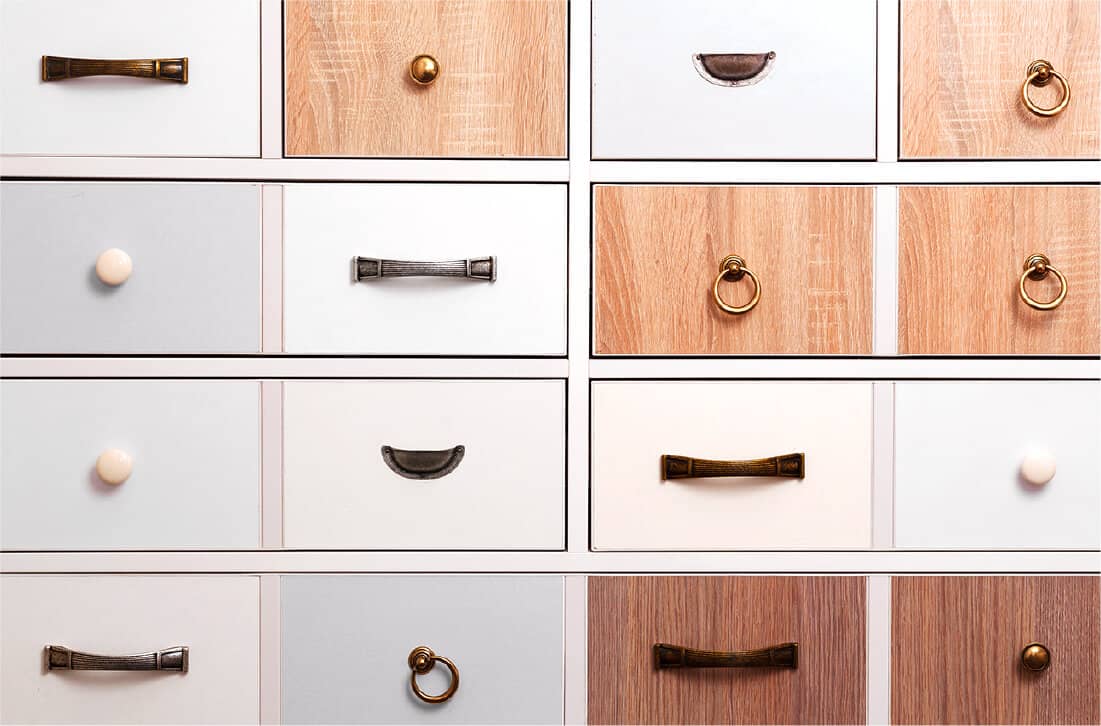
Image Source: cdn.kitchencabinetkings.com
Fathoming the Factors for Hardware Selection
Choosing hardware might seem simple, but there are many factors to consider to ensure you make a smart selection that you’ll love for years to come. It’s about finding pieces that not only look good but also feel good in your hand and work perfectly with your kitchen cabinet hardware setup.
Style Synergy: Matching Hardware to Your Kitchen’s Vibe
The first and perhaps most important aspect of choosing kitchen hardware is ensuring it complements your kitchen’s overall style. This is where cabinet handle styles come into play. Are you aiming for a sleek, modern look, a warm and inviting farmhouse feel, or a classic, timeless design?
- Modern & Contemporary: Think clean lines, geometric shapes, and minimalist designs. Stainless steel, brushed nickel, matte black, and chrome are popular hardware finishes. Bar pulls, slim pulls, and simple, unadorned knobs work well.
- Traditional & Classic: Opt for ornate details, curves, and timeless finishes like polished brass, antique brass, oil-rubbed bronze, and brushed gold. Pulls with decorative backplates or intricately shaped knobs fit this style.
- Farmhouse & Rustic: Shabby chic, vintage-inspired, or distressed looks are key. Materials like wrought iron, aged bronze, matte black, and even ceramic can be excellent choices. Bin pulls, cup pulls, and simple, sturdy knobs are common.
- Transitional: This style blends modern and traditional elements. You can experiment with a mix of finishes and slightly more decorative, yet still clean, designs.
Material Matters: Durability and Feel
The hardware materials you choose will impact the look, feel, and durability of your cabinet hardware. Different materials have distinct properties and appearances.
- Metals:
- Stainless Steel: Durable, resistant to corrosion, and offers a sleek, modern look. It’s a popular choice for contemporary kitchens.
- Brass (Polished, Brushed, Antique): Adds warmth and elegance. Polished brass offers a bright shine, brushed brass a softer sheen, and antique brass a vintage charm. Brass can develop a patina over time, adding to its character.
- Nickel (Polished, Brushed, Satin): Similar to chrome but often warmer. Brushed or satin nickel provides a softer, less reflective finish than polished nickel or chrome.
- Chrome: Bright, reflective, and very durable. It’s a classic choice that pairs well with many styles.
- Bronze (Oil-Rubbed, Venetian, Tuscan): Oil-rubbed bronze typically has a dark, rich finish with subtle coppery undertones. Venetian bronze is similar but can be slightly lighter. Tuscan bronze often has a warmer, more reddish hue.
- Aluminum: Lightweight and often used for modern designs. It can be found in various finishes.
- Wrought Iron: Offers a rustic, industrial, or farmhouse feel. It’s known for its strength and distinctive texture.
- Other Materials:
- Ceramic: Often used for knobs, ceramic hardware can feature painted designs, patterns, or solid colors, adding a decorative touch, especially in vintage or country kitchens.
- Glass: Crystal or colored glass knobs can add sparkle and a touch of vintage glamour.
- Wood: Less common for pulls, but wood knobs can offer a natural, earthy feel.
Finish Focus: The Nuances of Hardware Finishes
Hardware finishes are crucial for both aesthetics and maintenance. What looks good today should still look good tomorrow.
- Polished Finishes (Chrome, Brass, Nickel): Highly reflective and bright. They can show fingerprints and water spots more easily, requiring frequent cleaning.
- Brushed/Satin Finishes (Nickel, Brass, Stainless Steel): Offer a softer, more muted sheen. They are generally more forgiving when it comes to fingerprints and smudges, making them easier to maintain.
- Matte Finishes (Black, White, Gray): Non-reflective and sophisticated. Matte black is a particularly popular kitchen hardware trend for its modern appeal and ability to blend with various color palettes.
- Antiqued/Aged Finishes (Bronze, Brass): Designed to look old. They often have darker undertones and a textured appearance, adding character and warmth.
- Dual-Tone Finishes: A growing trend where hardware incorporates two different finishes, such as brushed gold with matte black accents, offering a unique and customizable look.
| Finish Type | Appearance | Maintenance Level | Best For Styles |
|---|---|---|---|
| Polished Chrome | Bright, highly reflective | High | Modern, Contemporary |
| Brushed Nickel | Soft, muted sheen, less reflective | Medium | Transitional, Modern, Casual |
| Matte Black | Non-reflective, sophisticated | Medium | Modern, Industrial, Farmhouse |
| Polished Brass | Shiny, warm yellow | High | Traditional, Classic, Glam |
| Brushed Brass | Softer sheen, warm yellow | Medium | Transitional, Farmhouse |
| Oil-Rubbed Bronze | Dark brown with coppery undertones, aged | Low | Traditional, Rustic, Farmhouse |
| Wrought Iron | Textured, dark, often matte | Low | Rustic, Industrial, Farmhouse |
Functionality First: Ease of Use
Beyond looks, hardware needs to be functional. How will you be using these pieces daily?
- Cabinet Pulls vs. Drawer Knobs:
- Drawer Knobs: Typically round or decorative pieces used for smaller drawers and cabinets. They are usually a single point of contact.
- Cabinet Pulls: Longer handles that often span two screw holes, providing a more secure grip. They are ideal for larger drawers, base cabinets, and appliance panels.
- Comfort and Grip: Consider the size and shape. Will they be comfortable to grasp, especially for those with larger hands or for heavy drawers? For appliance panels or frequently used drawers, a longer, ergonomic pull is often preferred.
- Accessibility: For people with mobility issues or arthritis, larger knobs or pulls that require less grip strength are beneficial.
Scale and Proportion: The Right Size for Your Cabinets
The size of your hardware should be in proportion to your cabinets. Tiny knobs on large cabinets can look lost, while oversized pulls on small drawers can overwhelm the space.
- Drawer Size: For drawers, consider the length of the pull relative to the drawer width. A good rule of thumb is for the pull to be about one-third to one-half the width of the drawer.
- Cabinet Door Size: For cabinet doors, knobs are often used on upper cabinets, and pulls on lower cabinets or pantry doors. The size of the knob or the length of the pull should be proportional to the door’s height and width.
- Appliance Pulls: These are generally larger and more substantial to accommodate the weight and size of appliances like refrigerators, dishwashers, and ovens.
Installation Considerations: What You Need to Know
Before you buy, think about how the hardware will be installed.
- Hole Spacing (Center-to-Center): For pulls, this is the distance between the centers of the two mounting screws. Standard measurements are 3 inches, 4 inches, and 96mm (approx. 3.75 inches), but other sizes exist. Ensure the new hardware matches your existing hole spacing if you’re replacing hardware. If not, you’ll need to drill new holes, which can be challenging on finished cabinets.
- Single-Point vs. Multi-Point Mounting: Knobs are single-point, while most pulls have two points of contact. This affects installation and the stability of the hardware.
- Door Hinges and Other Cupboard Fittings: While your focus might be on pulls and knobs, don’t forget about other cupboard fittings. Consider if your door hinges and drawer slides are in good condition and match your new hardware’s style and finish, or if they need updating as well.
Exploring Popular Kitchen Hardware Trends
Staying aware of current kitchen hardware trends can provide inspiration, but always prioritize timeless appeal and personal preference.
- Matte Black: Continues to be a dominant trend, offering a bold, sophisticated look that complements a wide range of cabinet colors and materials.
- Brushed Gold & Brass: These warm metallic finishes are regaining popularity, adding a touch of luxury and vintage charm. They work beautifully with both light and dark cabinetry.
- Mixed Finishes: Designers are increasingly mixing finishes within the same kitchen, for example, using brushed gold for the main hardware and matte black for the island.
- Minimalist & Sleek Designs: Ultra-slim pulls, bar pulls with no ornamentation, and simple, geometric knobs are favored in modern and transitional kitchens.
- Appliance Pulls: More thought is being put into the design of appliance pulls to ensure they seamlessly integrate with the overall cabinet hardware scheme, often mirroring the style and finish of cabinet handles.
- Unique Textures: Hardware with hammered, knurled, or fluted textures adds tactile interest and a bespoke feel.
Practical Tips for Making Your Choice
Here’s a straightforward approach to selecting your kitchen hardware:
Step 1: Define Your Kitchen Style
- What is the dominant style of your cabinetry, countertops, backsplash, and appliances?
- Do you lean towards modern, traditional, transitional, farmhouse, or eclectic?
Step 2: Consider Your Cabinetry Color and Material
- White Cabinets: Almost any hardware finish works well. Consider matte black for contrast, brushed gold for warmth, or polished nickel for a clean look.
- Gray Cabinets: Matte black, brushed nickel, or polished chrome offer a sophisticated pairing.
- Wood Toned Cabinets (Light to Dark): Brushed brass, antique brass, or oil-rubbed bronze can add warmth. Matte black also provides a striking contrast.
- Dark/Black Cabinets: Brushed gold, brass, or polished chrome can create a luxurious, high-contrast look. Stainless steel offers a more subdued, modern feel.
Step 3: Decide on Hardware Types (Pulls vs. Knobs)
- Upper Cabinets: Knobs are often a good choice for upper cabinets, as they are easy to operate with one hand and can add decorative flair without being overwhelming.
- Base Cabinets & Drawers: Longer pulls provide better leverage and are often preferred for base cabinets and drawers, especially larger ones.
- Appliance Panels: Always use pulls for large appliance panels. Choose substantial ones that match or complement your cabinet hardware.
- Mix and Match: You can use knobs on upper cabinets and pulls on lower ones, or use a combination of different pull styles.
Step 4: Select Your Finish
- Consistency: For a cohesive look, stick to one primary finish for all your hardware.
- Mixing Finishes: If you want to mix, choose two finishes that complement each other. For example, brushed gold and matte black. You might use one finish on your main cabinets and a different, complementary finish on your island.
Step 5: Choose Materials and Styles
- Look at samples if possible to feel the weight and see the finish up close.
- Consider the cabinet handle styles that best represent your chosen aesthetic.
Step 6: Measure and Confirm Hole Spacing
- If replacing existing hardware, carefully measure the center-to-center distance of the existing holes.
- If drilling new holes, decide on your preferred pull length and knob diameter, and plan your placement.
Step 7: Don’t Forget the Details
- Think about drawer slides and door hinges. Are they functional and aesthetically pleasing, or will they need updating too?
- Consider appliance pulls as part of the overall hardware scheme.
Making a Unified Statement
When selecting hardware for your entire kitchen, aim for a sense of unity, even if you choose different styles of cabinet pulls or drawer knobs. The key is to ensure they share a common element, whether it’s the hardware finishes, the hardware materials, or the overall style.
For example, if you have a modern kitchen with sleek cabinetry, you might opt for brushed nickel bar pulls on your drawers and simple, cylindrical brushed nickel knobs on your upper cabinets.
If you’re going for a farmhouse look, you could use matte black cup pulls on your base cabinets and drawers, and simple matte black round knobs on your upper cabinets.
Frequently Asked Questions (FAQ)
Q1: How do I decide between knobs and pulls?
A1: Knobs are generally good for upper cabinets and smaller drawers, offering a classic look and easy one-handed operation. Pulls are better for larger drawers and base cabinets, providing a more substantial grip and often a more modern or transitional feel. Many people mix them in a kitchen for variety and functionality.
Q2: Can I use different hardware finishes in my kitchen?
A2: Yes, you can mix hardware finishes, but it’s best to do so intentionally. Choose two complementary finishes, such as brushed gold and matte black, or polished nickel and oil-rubbed bronze. Ensure there’s a consistent element, like style or material, to tie them together.
Q3: What are the most durable hardware materials?
A3: Solid brass, stainless steel, and high-quality plated metals are generally the most durable. Avoid hardware made from hollow metal or soft alloys if durability is your top priority.
Q4: How do I clean and maintain my hardware finishes?
A4: Maintenance depends on the finish. Polished finishes require more frequent cleaning to prevent tarnishing and water spots. Brushed and matte finishes are more forgiving. Always check the manufacturer’s care instructions, but generally, a soft, damp cloth is best, followed by a dry cloth. Avoid abrasive cleaners.
Q5: What if my new hardware doesn’t match the existing holes?
A5: If the hole spacing (center-to-center measurement) doesn’t match, you have a few options. You can buy hardware that fits the existing spacing. Alternatively, you can fill the old holes with wood filler and drill new ones, or use a larger backplate on your new hardware to cover the old holes. Drilling new holes requires precision to ensure they are straight and correctly spaced.
Choosing the right kitchen hardware is an exciting part of designing your dream kitchen. By carefully considering style, functionality, material, finish, and scale, you can select pieces that not only enhance your kitchen’s beauty but also improve its usability for years to come. Happy hardware hunting!