
Can I replace a shut-off valve under my kitchen sink myself? Yes, you absolutely can replace a shut-off valve under your kitchen sink yourself with the right tools and a little patience. This guide will walk you through the entire process, making kitchen sink shutoff valve replacement a manageable DIY project.
A faulty sink shutoff valve or a leaky kitchen shutoff valve can be more than just an annoyance; they can lead to significant water damage if not addressed promptly. Knowing how to change a shutoff valve kitchen sink involves a few key steps, primarily focused on turning off water kitchen sink supply and safely removing the old valve to install new shutoff valve sink. This detailed guide covers everything you need to know to tackle this common kitchen plumbing valve repair.
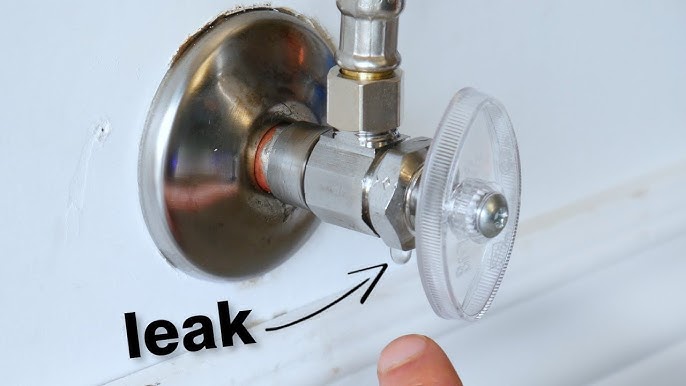
Image Source: i.ytimg.com
Why Replace Your Kitchen Sink Shut-Off Valve?
Several reasons might prompt you to replace under sink water valve:
- Leaks: The most common reason is a leaky kitchen shutoff valve. Even a small drip can waste water and cause damage over time.
- Corrosion: Older valves can become corroded, making them difficult to turn or prone to failure.
- Stiffness: If you can’t easily turn the valve handle, it’s a sign of potential problems and might need a stop valve replacement kitchen sink.
- Upgrade: You might want to upgrade to a more reliable or modern type of valve.
- Renovations: During kitchen renovations, it’s a good time to replace old, worn-out valves.
Tools and Materials You’ll Need for DIY Under Sink Shutoff Valve Replacement
Before you begin, gather all your tools and materials. Having everything on hand will make the job much smoother.
Essential Tools:
- Adjustable Wrenches (Two): One to hold the valve body and another to turn the fitting.
- Pipe Wrench (Optional, for stubborn connections): Use with caution to avoid damaging pipes.
- Bucket or Towels: To catch any residual water.
- Plumber’s Tape (PTFE Tape): For sealing threaded connections.
- Pipe Dope (Pipe Joint Compound): An alternative or supplement to plumber’s tape for sealing threads.
- Safety Glasses: To protect your eyes from debris or water.
- Gloves: For a better grip and to keep your hands clean.
- Rags or Old Towels: For wiping up spills.
- Flashlight or Headlamp: To see clearly under the sink.
Materials:
- New Shut-Off Valve(s): Ensure you get the correct type and size for your plumbing. Common types include:
- Angle Stop Valves: These have an L-shaped body and are typically used when the water pipe comes out of the wall at a 90-degree angle.
- Straight Stop Valves: These have a straight body and are used when the water pipe comes out of the wall straight.
- Compression Fitting Valves: These are the easiest to install for DIYers as they don’t require soldering. They create a watertight seal by compressing a ferrule onto the pipe.
- Sweat (Soldering) Valves: These require soldering and are usually for copper pipes. If your existing pipes are copper and you’re not comfortable soldering, opt for compression fittings.
- Push-to-Connect Valves: While convenient, these might not be ideal for a primary shut-off valve due to potential long-term reliability concerns compared to compression or threaded fittings.
- Replacement Flexible Water Supply Lines (Recommended): It’s good practice to replace these when replacing the shut-off valve, especially if they are old or show signs of wear.
Step-by-Step Guide to Replacing Your Kitchen Sink Shut-Off Valve
Follow these steps carefully to successfully replace under sink water valve:
Step 1: Turn Off the Main Water Supply
This is the most crucial step in turning off water kitchen sink.
- Locate Your Main Water Shut-Off Valve: This is usually found in your basement, crawl space, garage, or near your water meter. It’s a lever or a knob that controls all water entering your house.
- Close the Valve: Turn the handle clockwise until it’s completely shut.
- Verify Water is Off: Go to your kitchen sink and turn on both the hot and cold water faucets. Any water that comes out is the residual water in the pipes. Once it stops, the water supply is off. You can also check other faucets in your home to ensure the main valve is indeed shut.
Step 2: Prepare the Work Area
- Clear the Cabinet: Remove everything from under the kitchen sink. This will give you plenty of room to work.
- Place a Bucket and Towels: Put a bucket directly under the existing shut-off valve and supply line connection. Have plenty of towels ready to catch any drips.
Step 3: Disconnect the Flexible Water Supply Line
- Identify the Connections: You’ll see a flexible hose connecting the shut-off valve to your faucet’s supply line.
- Use Wrenches: Place one adjustable wrench on the body of the shut-off valve to keep it from rotating. Use the second adjustable wrench to loosen the nut connecting the flexible supply line to the valve. Turn the nut counter-clockwise.
- Catch Residual Water: Be prepared for a small amount of water to drain out. This is why the bucket and towels are important.
Step 4: Remove the Old Shut-Off Valve
This step involves loosening the valve from the pipe coming out of the wall. The method for this depends on how the valve is connected to the pipe.
For Compression Fitting Valves:
Compression fittings have a nut and a ferrule (a metal ring) that compresses onto the pipe to create a seal.
- Loosen the Compression Nut: Place one wrench on the body of the shut-off valve to hold it steady. Use another wrench to loosen the compression nut connecting the valve to the pipe. Turn this nut counter-clockwise.
- Remove the Valve: Once the nut is loose, you should be able to pull the valve away from the pipe. The ferrule may be stuck on the pipe.
For Threaded Valves (Less Common for DIY installations, but possible):
If your valve is screwed directly onto a threaded pipe nipple.
- Hold the Valve: Use one wrench to hold the body of the shut-off valve.
- Unscrew the Valve: Use another wrench to unscrew the valve from the threaded pipe. Turn counter-clockwise.
For Sweat (Soldered) Valves:
If your existing valve is soldered onto copper pipe, this is a more advanced repair.
- Heat the Joint: You’ll need a propane torch to heat the solder joint where the valve connects to the copper pipe.
- Remove Solder: Once heated, the solder will melt. You might need to gently twist the valve to break the seal.
- Important Note: Soldering requires practice and proper safety precautions. If you are not experienced with soldering copper pipes, it is highly recommended to call a plumber for this type of valve replacement, or choose a compression-fit valve if possible.
Step 5: Clean the Pipe End
Before installing the new valve, ensure the end of the pipe is clean and free of any old plumber’s tape, pipe dope, or debris.
- For Compression Fittings: If the old ferrule is stuck on the pipe, you might need a ferrule removal tool or carefully try to pry it off with a utility knife, being careful not to nick the pipe. Wipe the pipe clean with a rag.
- For Threaded Fittings: Clean the threads on the pipe nipple with a wire brush and a rag.
Step 6: Prepare and Install the New Shut-Off Valve
The process for installing the new valve depends on the type you purchased.
Installing a New Compression Fitting Valve:
This is generally the easiest and most common method for DIYers.
- Apply Plumber’s Tape/Dope (if applicable): Some compression valves have threaded inlet connections. If yours does, wrap plumber’s tape or apply pipe dope to the threads of the pipe nipple. If the valve has a built-in compression ring, you might not need tape on the pipe threads. Follow the manufacturer’s instructions.
- Slide Components onto the Pipe: Slide the compression nut onto the pipe first, followed by the compression ferrule (the metal ring). Ensure the ferrule is oriented correctly – usually, the tapered end faces the valve body.
- Position the Valve: Slide the valve body onto the pipe, ensuring the pipe sits flush against the valve’s internal seat.
- Tighten the Compression Nut: Slide the ferrule and nut up to the valve body. Hand-tighten the nut as much as you can.
- Tighten with Wrenches: Now, use your wrenches. Place one wrench on the valve body to prevent it from turning. Use the other wrench to tighten the compression nut. Tighten about ½ to ¾ of a turn after hand-tightening. Do not overtighten, as this can damage the ferrule or the valve. Follow the manufacturer’s specific tightening instructions, as this is critical for a leak-free seal.
Installing a New Threaded Valve:
- Apply Plumber’s Tape/Dope: Wrap plumber’s tape clockwise around the threads of the pipe nipple several times. You can also apply pipe dope over the tape for an extra layer of protection.
- Screw on the Valve: Carefully thread the new valve onto the pipe nipple, turning it clockwise. Hand-tighten it as much as possible.
- Tighten with Wrenches: Use one wrench to hold the valve body steady and another wrench to tighten the valve another ¼ to ½ turn. Be careful not to overtighten.
Installing a New Sweat (Soldering) Valve:
As mentioned, this requires soldering skills.
- Clean the Pipe and Valve: Ensure both the copper pipe end and the inside of the valve are clean and free of any grease or old solder.
- Apply Flux: Apply a thin, even layer of flux to the outside of the pipe and the inside of the valve fitting.
- Assemble: Slide the valve onto the pipe.
- Heat the Joint: Heat the joint evenly with a propane torch until it’s hot enough to melt solder.
- Apply Solder: Touch the solder to the joint. The heat from the pipe and valve will draw the solder into the gap. Continue heating and feeding solder until a small bead forms around the entire joint.
- Wipe Excess Solder: While the solder is still molten, use a dry rag to wipe away any excess solder from the outside of the joint.
- Let Cool: Allow the joint to cool completely without disturbing it.
Step 7: Reconnect the Flexible Water Supply Line
- Ensure Connections are Clean: Make sure the threads on both the new shut-off valve and the flexible supply line are clean.
- Apply Plumber’s Tape/Dope (if needed): If the supply line connection is threaded, wrap plumber’s tape or apply pipe dope to the threads of the shut-off valve.
- Connect the Supply Line: Hand-tighten the supply line nut onto the new shut-off valve.
- Tighten with Wrenches: Use one wrench to hold the shut-off valve steady. Use the second wrench to tighten the supply line nut. Tighten about a quarter turn past hand-tight. Again, avoid overtightening.
Step 8: Turn the Water Back On and Check for Leaks
- Slowly Open the Main Water Valve: Return to your main water shut-off valve and turn it counter-clockwise to restore water flow to your home.
- Check the New Valve: Go back to the kitchen sink and carefully inspect the new shut-off valve and its connections for any signs of leaks. Feel around the fittings with your hand.
- Turn On the Faucet: Slowly turn on the kitchen faucet to allow water to flow. Check again for leaks at the valve and supply line connections.
- Monitor: Let the water run for a minute. Then, turn off the faucet and continue to monitor the valve for any drips for the next hour or so.
Step 9: Test the New Valve
- Close the New Valve: Turn the handle of the newly installed shut-off valve clockwise to shut off the water supply to the faucet.
- Check the Faucet: Turn on the faucet. No water should come out.
- Open the New Valve: Turn the handle counter-clockwise to open the valve.
- Check the Faucet Again: Turn on the faucet. Water should flow normally.
Common Issues and How to Fix Them
-
Leaky Compression Fitting: If you have a leak at a compression fitting, it’s often due to:
- Improper Tightening: Not tight enough, or overtightened and damaged the ferrule.
- Damaged Ferrule: The metal ring that seals the pipe.
- Damaged Pipe: Nicks or scratches on the pipe.
- Solution: Try tightening the compression nut a little more. If that doesn’t work, you may need to cut off the old ferrule and install a new one (or replace the entire section of pipe if damaged). If you’re unsure, it’s best to start over with a new valve and compression fitting.
-
Leaky Threaded Connections:
- Insufficient Sealant: Not enough plumber’s tape or pipe dope.
- Cross-Threading: The threads were not aligned properly when tightening.
- Solution: Back off the fitting and reapply plumber’s tape or pipe dope, ensuring proper alignment before re-tightening.
When to Call a Professional Plumber
While many kitchen plumbing valve repair tasks are suitable for DIYers, there are times when it’s best to call in a professional:
- Soldering Required: If your existing valve is soldered onto copper pipe and you’re not comfortable with soldering.
- Damaged Pipes: If the pipes are corroded, cracked, or you discover significant damage during the process.
- Unsure About Valve Type: If you’re not sure what type of valve you have or what type to replace it with.
- Persistent Leaks: If you’ve tried to fix a leak and it continues to persist.
- Lack of Confidence: If you feel uncomfortable or unsure at any point in the process.
Frequently Asked Questions (FAQ)
Q1: How often should I replace my kitchen sink shut-off valves?
A1: Shut-off valves can last for many years, but it’s good practice to inspect them annually for signs of wear, corrosion, or leaks. If you notice any issues, it’s best to replace them proactively. Many plumbers recommend replacing them every 10-15 years as preventative maintenance, especially in older homes.
Q2: What is the difference between an angle stop and a straight stop valve?
A2: The difference lies in their shape. An angle stop valve has an L-shape and is used when the water pipe comes out of the wall at a 90-degree angle to the floor. A straight stop valve is straight and is used when the water pipe comes out of the wall parallel to the floor.
Q3: Can I use a push-to-connect valve for my kitchen sink shut-off?
A3: While push-to-connect fittings are convenient and easy to install, they are generally not recommended for primary shut-off valves under sinks, especially for DIYers. Compression or threaded fittings are considered more robust and reliable for long-term use. If you do use one, ensure it’s from a reputable brand and follow installation instructions precisely.
Q4: What happens if I overtighten a compression fitting?
A4: Overtightening a compression fitting can deform the ferrule, potentially cracking it or making it difficult to remove later. It can also damage the valve body or the pipe itself, leading to leaks. Always use two wrenches and tighten just enough to create a seal – typically ½ to ¾ of a turn after hand-tightening, but always check the manufacturer’s specific instructions.
Q5: Is it okay to leave the old flexible supply lines connected?
A5: It’s highly recommended to replace flexible water supply lines when you replace the shut-off valve. These lines can degrade over time, and a failure can cause significant water damage. Replacing them at the same time is a good preventative measure.
Replacing a shut-off valve is a practical skill that can save you money and give you peace of mind. By following these detailed steps, you can confidently perform a kitchen sink shutoff valve replacement and ensure your kitchen plumbing is in good working order. Remember to prioritize safety and don’t hesitate to seek professional help if you encounter anything beyond your comfort level.