
How Much Is It To Reface Kitchen Cabinets: DIY vs Pro Cost Breakdown
Refacing kitchen cabinets can significantly update your kitchen’s look without the full expense and mess of a complete replacement. But how much does it actually cost? The cabinet refacing cost varies widely depending on whether you tackle it yourself or hire a professional. Generally, you can expect to spend anywhere from $1,000 to $5,000 or more for a professional job, while a DIY approach might range from $500 to $2,500. This blog post dives deep into the factors influencing these costs and provides a clear comparison between doing it yourself and hiring experts.
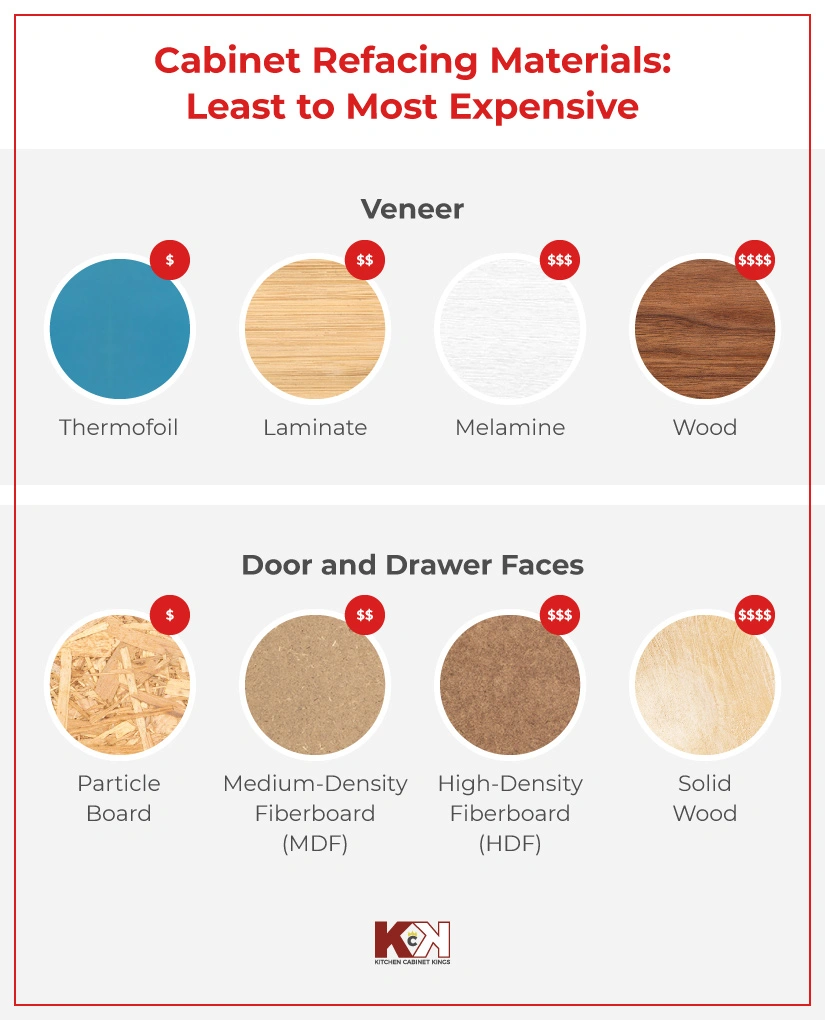
Image Source: cdn.kitchencabinetkings.com
Deciphering the Costs of Cabinet Refacing
When you’re looking to refresh your kitchen, cabinet refacing offers a middle-ground solution between a minor cosmetic update and a full gut renovation. The core idea is to keep your existing cabinet boxes (the frames) intact and replace the visible parts like doors, drawer fronts, and often the visible sides of the cabinets. This dramatically changes the look of your kitchen for a fraction of the cost of new cabinets.
The kitchen cabinet resurfacing price is influenced by several key elements:
- Materials Used: The type of material you choose for your new doors and drawer fronts will have a significant impact on the overall cost. Options range from laminate and vinyl veneers to solid wood species like maple, cherry, or oak.
- Size of Your Kitchen: Naturally, a larger kitchen with more cabinets and drawers will require more materials and labor, leading to a higher price tag.
- Complexity of the Job: Intricate door styles, custom finishes, or cabinets with special features can increase both material and labor costs.
- Labor Costs (for Professional Jobs): Geographic location and the reputation of the contractor will affect how much you pay for professional installation.
DIY Cabinet Refacing Cost: Saving Money, Gaining Sweat Equity
Tackling cabinet refacing yourself can be a rewarding experience and a significant money-saver. However, it requires time, patience, and a willingness to learn new skills.
Components of DIY Cabinet Refacing Expenses:
- New Doors and Drawer Fronts: This is usually the largest expense. You can order custom-sized doors and drawer fronts from online suppliers or local woodworking shops. Prices vary greatly based on material and style.
- Laminate/Veneer Doors: These are the most budget-friendly, often costing $15-$30 per door.
- Solid Wood Doors: Expect to pay $30-$100 or more per door, depending on the wood species and craftsmanship.
- Drawer Fronts: Typically priced similarly to doors, or slightly less.
- Veneer for Cabinet Boxes: To cover the visible sides and edges of your existing cabinet boxes, you’ll need veneer sheets. These can be peel-and-stick or require adhesive.
- Cost: Approximately $50-$150 for enough veneer for a standard kitchen.
- Hardware: New hinges, drawer slides, and cabinet knobs/pulls can add up.
- Cost: $5-$20 per hardware set (hinges + pull), multiplied by the number of doors and drawers. Expect to spend $200-$800+ for hardware on a full kitchen.
- Tools and Supplies: You might need to purchase or rent specific tools, as well as adhesives, primers, paints, or stains, and protective finishes.
- Cost: $100-$300, depending on what you already own.
- Paint/Stain and Primer: If you plan to repaint or restain the cabinet boxes and new doors, factor in the cost of high-quality products.
- Cost: $100-$250 for good quality paint or stain supplies.
DIY Cabinet Refacing Cost Estimate Breakdown:
Let’s consider a hypothetical kitchen with 15 cabinet doors and 10 drawer fronts, plus the visible sides of the cabinets.
| Item | Estimated Cost (DIY) | Notes |
|---|---|---|
| Custom Doors & Drawer Fronts | $750 – $2,500 | Based on material choice (laminate vs. solid wood) |
| Veneer for Cabinet Boxes | $50 – $150 | Peel-and-stick or adhesive veneer |
| Hardware (Hinges, Pulls) | $200 – $800 | For 15 doors + 10 drawers, depends on style |
| Paint/Stain & Supplies | $100 – $250 | Primer, paint/stain, brushes, rollers, sandpaper |
| Tools (if needed) | $100 – $300 | Caulk gun, utility knife, level, measuring tape, etc. |
| Total DIY Cost | $1,200 – $3,900 |
Key Advantages of DIY:
* Significant cost savings compared to professional installation.
* Complete control over the materials, colors, and styles.
* The satisfaction of a job well done.
Key Disadvantages of DIY:
* Time-consuming and labor-intensive.
* Requires basic carpentry and finishing skills.
* Potential for mistakes that can be costly to fix.
* Access to professional-grade tools might be limited.
Professional Cabinet Refacing Cost: Convenience and Expertise
Hiring professionals for your cabinet refacing project offers convenience, expertise, and a guarantee of quality. The average cost of cabinet refacing through a professional service typically falls between $3,000 and $7,000 for a standard-sized kitchen.
Factors Influencing Professional Cabinet Refacing Cost:
- Company Reputation and Overhead: Established companies with good reputations often charge more due to their brand, marketing, and the experience of their teams.
- Quality of Materials: Professionals usually offer a range of material options, with higher-quality woods and finishes commanding higher prices. This includes the cost to reface kitchen doors and drawer fronts.
- Scope of Work: Beyond just doors and drawer fronts, professionals may offer to re-finish or replace exposed cabinet sides, the inside of cabinets, or even upgrade cabinet interiors (e.g., adding pull-out shelves).
- Design Consultation and Customization: Many professional services include design consultations, which adds value but also contributes to the overall cost.
- Labor and Installation: This includes the skilled labor required for precise measurements, cutting, fitting, and installation of all components. The refacing cabinets cost estimate from a professional will heavily weigh this.
Professional Cabinet Refacing Cost Estimate Breakdown:
Using the same hypothetical kitchen (15 doors, 10 drawers), here’s a general cost range for professional services:
| Service Component | Estimated Cost (Professional) | Notes |
|---|---|---|
| Custom Doors & Drawer Fronts | $1,500 – $4,000 | Premium materials, professional finishes |
| Veneer for Cabinet Boxes | $300 – $800 | Applied by professionals for a seamless look |
| Hardware (Hinges, Pulls) | $300 – $1,000 | Professional installation included, quality hardware |
| Labor & Installation | $1,000 – $3,000+ | Skilled installation, site prep, cleanup |
| Design Consultation/Upgrades | $200 – $700 | Optional, but can add significant value |
| Total Professional Cost | $3,300 – $9,500+ | Varies significantly based on company and material choice |
Important Note on Professional Pricing: It’s crucial to get multiple quotes from different companies. The refacing cabinet fronts price can differ significantly between providers. Ask for a detailed breakdown of what’s included in their quote.
Key Advantages of Professional Service:
* Saves you significant time and effort.
* Expertise ensures a high-quality, durable finish.
* Often comes with warranties on materials and labor.
* Minimizes the risk of costly mistakes.
Key Disadvantages of Professional Service:
* Higher overall cost compared to DIY.
* Less control over the minute details of the process.
* You need to schedule around the contractor’s availability.
Exploring Specific Cost Factors in Detail
Let’s break down the elements that contribute to the overall cabinet refacing cost more granularly.
Material Choice for Doors and Drawer Fronts
The visual centerpiece of your refaced cabinets is undoubtedly the doors and drawer fronts. Your choice of material profoundly impacts both aesthetics and budget.
Laminate and Thermofoil
- What it is: Laminate is a durable plastic material applied over particleboard or MDF. Thermofoil is a vinyl film heat-sealed onto MDF. Both offer a smooth, consistent finish.
- Pros: Very affordable, wide range of colors and wood-grain patterns, easy to clean, durable against moisture.
- Cons: Can chip or peel over time, especially at edges or if subjected to high heat; less repairable than wood; can look less premium than wood.
- Cost: For custom-made doors and drawer fronts, expect to pay approximately $15-$40 per piece. This is often the most budget-friendly option for refacing cabinet fronts price.
Veneered Wood
- What it is: Thin slices of real wood are applied to a substrate like plywood or MDF. This offers the look of real wood at a reduced cost.
- Pros: More affordable than solid wood, provides a genuine wood appearance, can be stained or painted.
- Cons: Substrate can swell if exposed to excessive moisture; veneer can be scratched or dented.
- Cost: $30-$60 per piece for custom doors and drawer fronts.
Solid Wood
- What it is: Doors and drawer fronts are crafted entirely from solid wood planks. Common species include maple, cherry, oak, hickory, and alder.
- Pros: Most premium look and feel, highly durable, can be stained, painted, or glazed, repairable.
- Cons: Most expensive option, can be susceptible to warping or cracking with significant humidity changes.
- Cost: $50-$150+ per piece, depending heavily on the wood species and complexity of the door style. This is a significant factor in the average cost of cabinet refacing.
Refinishing vs. Replacing Existing Doors
It’s important to distinguish refacing from refinishing.
- Refinishing: This involves sanding down your existing cabinet doors and drawers, then repainting or restaining them. It’s a more intensive DIY project and can be outsourced to painters.
- DIY Refinishing Cost: Primarily the cost of sandpaper, primer, paint/stain, brushes, rollers, and potentially a sprayer. Roughly $100-$300 for materials.
- Professional Refinishing Cost: Can range from $1,000-$3,000 for a whole kitchen, depending on the number of doors and the chosen finish.
- Refacing: As discussed, this involves replacing the doors and drawer fronts entirely, and often applying veneer to the cabinet boxes. This is what we are focusing on. The cost to reface kitchen doors specifically refers to purchasing new ones.
Hardware Upgrades
New hardware can be the finishing touch that really elevates the look of your refaced cabinets.
- Knobs and Pulls: These range from simple, inexpensive designs to ornate, high-end pieces.
- Cost: $2-$15 per knob/pull for budget options, $20-$50+ per piece for designer or specialty hardware.
- Hinges: If your existing hinges are outdated or don’t allow for soft-close functionality, you might want to replace them.
- Cost: $5-$15 per hinge for standard concealed hinges, $20-$40+ per hinge for soft-close or specialized types.
- Drawer Slides: Upgrading to full-extension, soft-close drawer slides can dramatically improve cabinet functionality.
- Cost: $20-$50 per set for good quality slides.
The cabinet refacing expenses are often underestimated when it comes to hardware, but a complete overhaul can easily add several hundred dollars to the project total.
Veneering the Cabinet Boxes
The cabinet boxes (the frames) are typically not replaced during refacing. However, the visible sides, door edges, and toe kicks are often covered to match the new doors.
- Peel-and-Stick Veneer: This is the most common DIY choice. It’s essentially a large sticker made of wood veneer or laminate that you cut to size and apply.
- DIY Cost: Rolls or sheets can cost $50-$150 depending on the size and quality.
- Adhesive Veneer: This requires spray adhesive or contact cement for application. It can offer a more durable bond than peel-and-stick.
- DIY Cost: Similar to peel-and-stick, perhaps slightly more due to adhesive costs.
- Professional Veneering: Contractors will use high-quality veneers and adhesives, often expertly applied for a seamless factory finish. This is included in their overall refacing cabinets cost estimate.
DIY Cabinet Refacing: A Step-by-Step Look at the Process and Costs
Embarking on a DIY cabinet refacing project is a multi-stage process. Here’s a breakdown of the typical steps involved and how they translate into costs:
Step 1: Planning and Measurement
- Action: Meticulously measure every cabinet door, drawer front, and exposed cabinet side. Decide on door styles (shaker, raised panel, flat panel, etc.) and finishes.
- Cost Implication: No direct cost, but accurate measurements are crucial to avoid costly mistakes when ordering new doors.
Step 2: Ordering New Doors and Drawer Fronts
- Action: Source your custom-sized doors and drawer fronts from reputable online suppliers or local cabinet shops.
- Cost Implication: This is a major expenditure. For a standard kitchen (approx. 15 doors, 10 drawers), expect to spend anywhere from $750 (laminate) to $2,500+ (solid wood).
Step 3: Preparing Cabinet Boxes
- Action: Remove existing doors and drawer fronts. Clean the cabinet boxes thoroughly. Sand any rough spots. If you’re painting or staining the boxes, this is when you’d do it.
- Cost Implication: Cost of cleaning supplies, sandpaper, primer, paint/stain, brushes, rollers. Budget $100-$250.
Step 4: Applying Veneer
- Action: Carefully measure, cut, and apply veneer to the exposed sides of cabinet boxes, cabinet frames, and toe kicks. This requires precision to avoid bubbles or wrinkles.
- Cost Implication: Cost of veneer sheets and any necessary adhesive. Budget $50-$150.
Step 5: Installing New Doors and Drawer Fronts
- Action: Attach new hinges to the doors and cabinet boxes. Mount the doors and drawer fronts, ensuring they are level and have consistent gaps. Install new knobs or pulls.
- Cost Implication: Cost of new hardware (hinges, pulls). Budget $200-$800.
Step 6: Cleanup and Touch-ups
- Action: Clean up your workspace, remove any dust, and make any necessary touch-ups to paint or finish.
- Cost Implication: Minimal, usually just cleaning supplies.
Total DIY Effort: This project can easily take a full weekend or even several weekends to complete, depending on your skill level and the size of your kitchen.
Professional Cabinet Refacing: What to Expect in the Process
When you hire a professional for kitchen cupboard refacing, the process is streamlined and handled by experts.
Step 1: Initial Consultation and Quote
- Action: A representative from the refacing company will visit your home, assess your existing cabinets, discuss material options, styles, and provide a detailed quote. This quote will outline the refacing cabinets cost estimate.
- Cost Implication: No direct cost, but compare quotes carefully.
Step 2: Precise Measurements and Design Finalization
- Action: A professional measurement technician will take exact measurements to ensure custom doors and drawer fronts fit perfectly. Design details and hardware choices are finalized.
- Cost Implication: Included in the overall service cost.
Step 3: Manufacturing of New Components
- Action: Based on the precise measurements, your new doors, drawer fronts, and any necessary veneer pieces are custom-made in a workshop.
- Cost Implication: This labor and material cost is factored into the quote.
Step 4: Installation Day(s)
- Action: A professional installation team will arrive. They will carefully remove old doors and drawer fronts, apply any new veneer to the cabinet boxes, and then install the new doors and drawer fronts, along with new hardware.
- Cost Implication: This is the largest portion of the professional fee, covering skilled labor and expertise. This contributes significantly to the cabinet refacing expenses.
Step 5: Quality Check and Cleanup
- Action: The team will ensure all components are perfectly aligned and functioning smoothly. They will clean up the work area and remove all debris.
- Cost Implication: Included in the service.
Total Professional Effort: Typically, the installation phase takes 1-3 days, depending on the kitchen size and complexity.
Factors That Can Increase Your Cabinet Refacing Cost
Regardless of whether you DIY or hire a pro, certain choices and circumstances can drive up the total price.
- High-End Wood Species: Opting for premium woods like cherry, walnut, or mahogany will significantly increase the cost of doors and drawer fronts compared to maple or oak.
- Intricate Door Styles: Doors with detailed profiles, multiple panels, or decorative inserts are more complex to manufacture and will be more expensive.
- Specialty Finishes: Custom glazes, multi-layer paint jobs, or distressed finishes require more labor and expertise, thus costing more.
- Adding New Cabinetry: If you decide to add new cabinets to your layout as part of the refacing project, this will add considerable cost, as it involves building new boxes.
- Upgrading Cabinet Interiors: Replacing old drawer slides, adding pull-out shelves, or upgrading cabinet organizers are additional costs.
- Complex Kitchen Layout: Kitchens with many corners, unusual cabinet shapes, or extensive cabinetry will naturally cost more due to increased material and labor requirements.
- Geographic Location: Labor rates and material costs can vary significantly by region. Major metropolitan areas often have higher costs for both DIY materials and professional services.
- Urgency: If you need the project completed on a tight deadline, you may incur rush fees from suppliers or contractors.
Can You Reface Kitchen Cabinets on a Tight Budget?
Yes, it is possible to reface kitchen cabinets on a budget, especially if you opt for the DIY route and make smart material choices.
- DIY with Laminate/Thermofoil: This combination will offer the lowest DIY cabinet refacing cost. You can find attractive laminate doors for well under $30 each.
- Refinish Existing Doors: If your current doors are in good structural condition, refinishing them yourself is the most budget-friendly option. This isn’t technically “refacing” but achieves a similar update.
- Focus on High-Impact Areas: If your budget is extremely limited, consider refacing only the most visible cabinet doors or a specific section of your kitchen.
- Shop Around for Deals: Look for sales on hardware, veneer, and paint. Online suppliers often have competitive pricing on custom doors.
- Prioritize Functionality: While aesthetics are important, sometimes choosing simpler hardware or a more basic door style can save significant money without compromising the overall look too much.
Is Professional Cabinet Refacing Worth the Extra Cost?
The decision to go DIY or professional hinges on your budget, time, skills, and desired outcome.
Professional refacing is often worth the extra cost if:
- You value your time and want a hassle-free experience.
- You lack the necessary tools or confidence in your DIY skills.
- You desire a high-quality, factory-like finish and durability.
- You want a warranty on the work performed.
- Your kitchen has complex angles or requires precise fitting that might be challenging for a novice.
DIY refacing might be the better choice if:
- Your primary goal is cost savings.
- You have ample free time and enjoy hands-on projects.
- You possess good DIY skills, including carpentry, measuring, and finishing.
- You’re willing to accept a less-than-perfect finish to save money.
Frequently Asked Questions About Cabinet Refacing
Q1: How much does it typically cost to reface kitchen cabinets professionally?
A1: The average cost of professional cabinet refacing ranges from $3,000 to $7,000 for a standard kitchen, but can go higher for larger kitchens or premium materials.
Q2: What is the difference between refacing and refinishing cabinets?
A2: Refacing involves replacing doors, drawer fronts, and applying veneer to the existing cabinet boxes. Refinishing means sanding, painting, or staining your existing doors and cabinet boxes.
Q3: Can I reface just the kitchen cabinet doors?
A3: Yes, you can purchase new doors and drawer fronts and apply veneer to the existing cabinet boxes yourself. This is a common approach for DIYers. The cost to reface kitchen doors is a significant part of the overall project.
Q4: How long does cabinet refacing take?
A4: A professional job typically takes 1-3 days for installation. A DIY project can take several weekends, depending on your speed and skill.
Q5: Is cabinet refacing cheaper than buying new cabinets?
A5: Generally, yes. Cabinet refacing can save you 40-60% compared to the cost of replacing your cabinets entirely with new ones of similar quality.
Q6: What are the most expensive materials for cabinet refacing?
A6: Solid hardwood doors, especially in premium species like cherry, walnut, or exotic woods, and doors with complex designs or premium finishes are the most expensive.
Q7: Can I get a refacing quote online?
A7: Many companies offer online quote tools or estimators, but for an accurate refacing cabinets cost estimate, an in-home consultation is usually required.
Q8: What should I look for in a cabinet refacing company?
A8: Look for companies with good reviews, a portfolio of completed projects, clear pricing, a warranty, and a professional, communicative approach. Ensure they provide a detailed breakdown of cabinet refacing expenses.
In conclusion, cabinet refacing is a fantastic way to revitalize your kitchen. Whether you choose the hands-on approach of DIY or the convenience of professional service, carefully weighing the costs, benefits, and your own capabilities will help you make the best decision for your home and budget. Remember to get multiple quotes for professional work and thoroughly research materials if you plan to tackle it yourself to ensure the best outcome for your kitchen cabinet resurfacing price.