
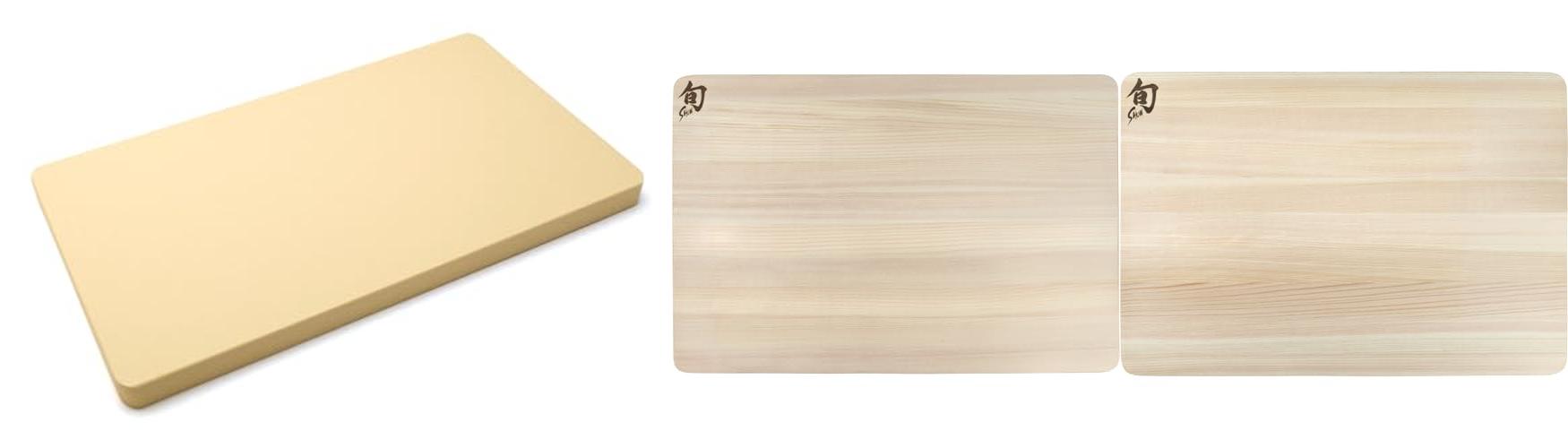
Imagine this: you’re a culinary artist, ready to craft a masterpiece in your kitchen. But your cutting board is dull, rough, and just plain uninspiring. It’s like trying to paint a vibrant sunset with a crayon! A good cutting board isn’t just a surface; it’s a partner in your cooking journey. Yet, when you look for a Japanese cutting board, it can feel like navigating a maze. So many types, so many materials – which one is truly the best for you?
Choosing the right Japanese cutting board can be tricky. You want something that keeps your knives sharp, is easy to clean, and looks beautiful in your kitchen. But the sheer variety can leave you feeling overwhelmed. Are you worried about damaging your expensive knives? Do you wonder which material will be the most hygienic? We get it. It’s a common struggle for home cooks and seasoned chefs alike.
This post is here to cut through the confusion. We’ll explore what makes Japanese cutting boards so special and guide you through the different types available. By the end, you’ll understand the key features to look for, helping you pick the perfect board that will elevate your cooking experience and protect your beloved knives. Get ready to discover your new kitchen essential!
Our Top 5 Japanese Cutting Board Recommendations at a Glance
Top 5 Japanese Cutting Board Detailed Reviews
1. Yoshihiro Hi Soft High Performance Professional Grade Cutting Board Japanese Sashimi Chef’s Tool Made in Japan (Medium)

Rating: 9.2/10
The Yoshihiro Hi Soft High Performance Professional Grade Cutting Board is a top-notch tool for any home chef, especially those who love working with sharp knives. This medium-sized board measures 17.3″ x 9.8″ x 0.8″, making it a good size for most kitchen tasks. It’s designed with your knives in mind. A cutting board can really affect how long your knife stays sharp. This one is built to be super gentle on your knife’s edge. It’s made from a special plastic that’s not wood, so it’s different from other boards you might have used. It’s made in Japan, which is known for making quality kitchen tools.
What We Like:
- Keeps your knife edge sharp and lasting longer.
- Made with a special material that’s easy on your hands and your blades.
- Resistant to odors, so your food always tastes fresh.
- Easy to clean up after you’re done cooking.
- Comes in many different sizes, so you can find the perfect fit for your kitchen.
- Made in Japan, promising high quality and craftsmanship.
What Could Be Improved:
- It is not made of wood, which some chefs prefer for its feel.
This cutting board is a fantastic investment for anyone who values their knives. It offers superior performance and durability for a better cooking experience.
2. Shun Cutlery Large Hinoki Cutting Board

Rating: 8.8/10
The Shun Cutlery Large Hinoki Cutting Board is a beautiful and functional addition to any kitchen. This generous 17.75″ x 11.75″ board is crafted from hinoki, a special Japanese cypress known for its lovely scent and gentle nature. It’s designed to be kind to your knives, helping them stay sharp longer.
What We Like:
- The medium-soft hinoki wood is gentle on knife edges, helping to keep them sharp.
- It’s a large cutting board, giving you plenty of space for all your chopping and slicing.
- The wood’s natural beauty and delicate fragrance add a touch of elegance to your kitchen.
- It’s made from sustainably managed forests, so you can feel good about your purchase.
- You can use both sides of the board, making it very versatile for preparing food or serving snacks.
- It’s easy to clean with a little soap and water, and a lemon can help with tough stains.
What Could Be Improved:
- The board requires specific care to prevent staining and maintain its beauty.
- It’s a wooden board, so it might absorb strong odors if not cleaned promptly.
This Shun cutting board combines traditional Japanese craftsmanship with practical design. It’s a board that will serve you well for years to come.
3. Shun Hinoki Cutting Board – Medium – 15.75″ x 10.75″ x 0.5″

Rating: 8.8/10
The Shun Hinoki Cutting Board – Medium – 15.75″ x 10.75″ x 0.5″ brings Japanese craftsmanship and natural beauty to your kitchen. This board is designed to protect your valuable knives while you prepare your favorite meals.
What We Like:
- This medium-sized board is perfect for most kitchen tasks.
- The soft hinoki wood is gentle on your knife edges, keeping them sharp longer.
- Hinoki wood has a pleasant, natural scent.
- It’s made from sustainably managed forests, which is good for the environment.
- The board is double-sided, giving you more cutting space.
- It’s easy to clean and care for.
- The Japanese craftsmanship ensures high quality.
What Could Be Improved:
- Requires some care to prevent staining, like dampening before use.
- May show knife marks over time, though this is common with wood boards.
This Shun Hinoki Cutting Board is a beautiful and functional addition to any kitchen. It’s a smart investment for anyone who values their knives and enjoys cooking.
4. Kitchen Star Tsukihoshi Rubber Cutting Board Made in Japan

Rating: 9.2/10
The Kitchen Star Tsukihoshi Rubber Cutting Board, made in Japan, is a fantastic addition to any kitchen. Its durable synthetic rubber construction offers a superior cutting experience. This board is designed for serious home cooks, making meal prep easier and cleaner.
What We Like:
- This cutting board resists scratches, so food bits don’t get stuck.
- It hardly absorbs water, which means it dries really fast.
- The board has a good weight, keeping it steady on your counter.
- It’s gentle on your knives, reducing fatigue and damage.
- A handy mark helps you tell the sides apart, perfect for different foods like meat and veggies.
- It’s dishwasher-safe for easy cleaning.
- It comes with a special scraper for synthetic rubber boards.
What Could Be Improved:
- The scraper might not remove dirt from very deep scratches.
- You should test the scraper on a hidden spot first if you’re worried about scratches.
- Be careful when using the scraper to avoid cutting yourself.
- Keep the scraper away from fire.
This cutting board set offers a premium and practical solution for your kitchen tasks. It’s built to last and makes cooking more enjoyable.
5. Asahi Cookin Cut Rubber Cutting Board

Rating: 9.4/10
The Asahi Cookin Cut Rubber Cutting Board, model NE05103, is a fantastic tool for any kitchen. This board is designed for home use and is made in Japan, promising quality craftsmanship. Its generous LL size, measuring 16.5 x 9.8 x 0.5 inches (42cm x 25cm x 1.3cm), gives you plenty of space to chop, slice, and dice all your ingredients.
What We Like:
- The rubber material is gentle on your knives, helping them stay sharp longer.
- It provides a stable, non-slip surface, which makes cooking safer and easier.
- Cleaning is a breeze; it’s easy to wipe down after each use.
- The board is durable and built to last through many meal preparations.
- It doesn’t absorb odors, so your food will always taste fresh.
- The size is just right for prepping family meals.
What Could Be Improved:
- While durable, it can show knife marks over time.
- It’s a bit heavier than some plastic boards, which might be a small issue for some.
- Availability outside of Japan can be limited.
This Asahi cutting board truly enhances the cooking experience. It’s a reliable and practical addition that you’ll reach for again and again.
The Ultimate Buying Guide: Choosing Your Perfect Japanese Cutting Board
Japanese cutting boards are more than just a kitchen tool; they are a piece of culinary art. They help you prepare food safely and efficiently. Let’s explore what makes them special and how to pick the best one for your kitchen.
Why Choose a Japanese Cutting Board?
Japanese cutting boards often stand out for their thoughtful design and high-quality materials. They aim to protect your knives, prevent cross-contamination, and look beautiful on your countertop.
Key Features to Look For
When you’re shopping, keep these features in mind:
- **Knife-Friendliness:** A good Japanese cutting board will be gentle on your knife’s edge. This means your knives stay sharp longer.
- **Non-Slip Base:** Some boards have rubber feet or a special design to keep them from sliding around. This makes chopping safer.
- **Drainage Grooves:** These small channels catch juices from meats and fruits. They keep your counter clean and prevent messes.
- **Hygienic Properties:** Materials that resist bacteria and odors are important for food safety.
- **Size and Thickness:** Think about how much space you have and what you usually cut. Larger boards are great for big tasks, while smaller ones fit well in tight kitchens.
Important Materials
The material of your cutting board greatly affects its performance and durability.
- **Hinoki Cypress:** This is a popular choice. It’s lightweight and naturally resistant to mold and bacteria. It also has a pleasant scent.
- **Kiri (Paulownia Wood):** Kiri wood is very light and soft. It’s excellent for protecting knife edges. It also dries quickly.
- **Bamboo:** Bamboo is a strong and sustainable option. It’s harder than wood, so it can be a bit tougher on knives. It’s also very water-resistant.
- **Composite Materials:** Some modern Japanese boards use layers of different materials. These are often very durable and hygienic.
Factors That Improve or Reduce Quality
Several things can make a Japanese cutting board great or not so great.
Factors That Improve Quality:
- **Solid Construction:** A board made from a single piece of wood or well-joined pieces will last longer.
- **Fine Grain:** Woods with a fine grain are often smoother and less prone to absorbing moisture and odors.
- **Proper Seasoning/Treatment:** Some boards are treated to resist staining and warping.
- **Handcrafted Details:** Boards made with care and attention to detail often have better finishes.
Factors That Reduce Quality:
- **Poorly Joined Seams:** Gaps can trap food and bacteria.
- **Splintering Wood:** This is a sign of low-quality material or poor craftsmanship.
- **Warping:** A board that bends or twists is difficult to use and can harbor germs.
- **Harsh Materials:** Very hard materials can quickly dull your expensive knives.
User Experience and Use Cases
Using a Japanese cutting board can elevate your cooking experience.
Everyday Use:
For daily chopping of vegetables, fruits, and herbs, a medium-sized board made of Kiri or Hinoki is ideal. Its lightness makes it easy to handle and clean. The gentle surface keeps your favorite chef’s knife sharp.
Specialty Tasks:
When preparing fish or raw meats, a board with drainage grooves is a lifesaver. It keeps the juices contained, preventing cross-contamination and keeping your workspace tidy. Some boards are designed with a slightly angled surface for better drainage.
Knife Care Enthusiasts:
If you invest in high-quality Japanese knives, you know how important it is to protect their edges. Boards made from soft woods like Kiri or Hinoki are your best friends. They provide a forgiving surface that minimizes wear and tear on your blades.
Aesthetic Appeal:
Many Japanese cutting boards are beautiful enough to be displayed. They can add a touch of elegance to your kitchen. Imagine serving appetizers directly from a stylish wooden board.
Frequently Asked Questions (FAQ)
Q: What is the best material for a Japanese cutting board?
A: Hinoki cypress and Kiri wood are often considered the best. They are gentle on knives and have natural antibacterial properties.
Q: How do I clean my Japanese cutting board?
A: Wash it with mild soap and warm water. Rinse thoroughly and dry it immediately with a clean towel. Avoid soaking it in water.
Q: Should I oil my wooden cutting board?
A: Yes, oiling your board helps protect it from moisture and prevents it from drying out and cracking. Use food-grade mineral oil or a specialized board conditioner.
Q: How often should I oil my cutting board?
A: Oil your board once a month, or whenever it starts to look dry or faded.
Q: Can I use a Japanese cutting board for raw meat?
A: Yes, but it’s best to have a separate board for raw meat to prevent cross-contamination. Look for boards with drainage grooves.
Q: Will a Japanese cutting board damage my knives?
A: High-quality Japanese cutting boards are designed to be gentle on knives. Softer woods like Kiri and Hinoki are particularly good for knife care.
Q: How do I prevent my cutting board from warping?
A: Always dry your board completely after washing. Store it on its side or on a rack so air can circulate around it. Avoid extreme temperature changes.
Q: Are Japanese cutting boards worth the price?
A: For many, yes. They offer durability, knife protection, hygiene, and aesthetic appeal that lasts for years.
Q: Can I put my Japanese cutting board in the dishwasher?
A: No, never put a wooden cutting board in the dishwasher. The heat and prolonged moisture will damage it.
Q: How long do Japanese cutting boards typically last?
A: With proper care, a good Japanese cutting board can last for many years, even a lifetime.
In conclusion, every product has unique features and benefits. We hope this review helps you decide if it meets your needs. An informed choice ensures the best experience.
If you have any questions or feedback, please share them in the comments. Your input helps everyone. Thank you for reading.