
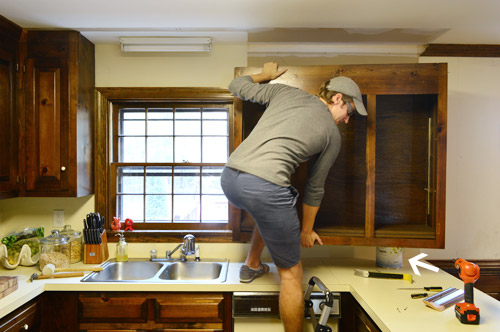
Image Source: images.younghouselove.com
How To Take Off Kitchen Cabinets: DIY Step-by-Step
Yes, you can take off kitchen cabinets yourself with the right tools and a clear plan! This guide will walk you through the entire process, from preparing your workspace to safely uninstalling your cabinets. Whether you’re undertaking a full kitchen remodel cabinet removal or simply replacing your old cabinets, this step-by-step approach will make the task manageable.
Preparing for Cabinet Removal
Before you even think about touching a screwdriver, proper preparation is key to a smooth and safe cabinet removal. This involves gathering your tools, protecting your kitchen, and planning your strategy.
Gathering Your Tools and Supplies
Having the right equipment on hand will save you time and frustration. Here’s a comprehensive list of what you’ll likely need for cabinet removal:
- Safety Gear:
- Safety glasses or goggles
- Work gloves
- Dust mask
- Basic Hand Tools:
- Screwdrivers (Phillips head and flathead, various sizes)
- Pry bar (a few different sizes can be helpful)
- Putty knife
- Hammer
- Adjustable wrench or socket set (for plumbing connections, if applicable)
- Power Tools:
- Cordless drill/driver with various bits
- Reciprocating saw (optional, but useful for stubborn fasteners or if you plan on cabinet demolition)
- Support and Protection:
- Drop cloths or old sheets
- Painter’s tape
- Buckets or containers (for hardware and small parts)
- Wood shims or scrap wood (to prop up cabinets)
- Utility knife
- Measuring and Marking:
- Measuring tape
- Pencil
- Cleaning:
- Broom and dustpan
- Vacuum cleaner
- Rag
Protecting Your Workspace
Your kitchen surfaces are valuable, so protecting them is crucial.
- Flooring: Lay down drop cloths or old sheets over your countertops, backsplash, and especially your flooring. Cabinets can be heavy, and dropped tools or hardware can cause damage. Tape the edges of the drop cloths securely with painter’s tape to prevent them from shifting.
- Appliances: If appliances will remain in the kitchen during cabinet removal, cover them as well to protect them from dust and debris.
- Walls: Use painter’s tape to mark the perimeter of the cabinets on the walls. This can help you identify where the cabinets are attached and also provides a visual reminder of the cabinet’s original position.
Planning Your Cabinet Disassembly Strategy
Think about the order in which you’ll tackle the cabinets. Generally, it’s easier to remove wall cabinets before base cabinets.
- Order of Operations: Start with upper cabinets, then move to lower ones. This prevents large pieces from falling on top of lower cabinets or being in your way as you work.
- Teamwork: If you have heavy or awkward cabinets, recruit a helper. Two people can make the process much safer and easier.
Step-by-Step Guide to Cabinet Removal
This section breaks down the process into manageable steps.
Step 1: Remove Cabinet Doors and Drawers
Before you can remove the cabinets themselves, you need to lighten the load by taking off the doors and drawers.
- Cabinet Door Removal:
- Cabinet Hardware Removal: Use a screwdriver to remove the hinges from the cabinet doors. Often, hinges are attached with just a couple of screws. Keep the screws in a labeled container.
- Some hinges might require you to lift the door off a mounting plate. If so, look for a small clip or lever on the hinge mechanism.
- Drawer Removal: Most drawers can be pulled out completely. Some might have glides that need to be released. Look for small plastic tabs or levers on the drawer slides that you can press to disengage the drawer from the cabinet frame.
- If drawers are stuck, check if there are any screws securing them to the cabinet interior.
Step 2: Disconnect Utilities (If Necessary)
If you have cabinets with integrated lighting, garbage disposals, or dishwashers nearby, you’ll need to disconnect these.
- Electrical: If there are any lights or electrical components within or attached to the cabinets, turn off the power at the breaker box first. Then, use a screwdriver to disconnect the wiring. Cap off any exposed wires with wire nuts for safety.
- Plumbing: For cabinets located near sinks, you’ll need to turn off the water supply valves under the sink. Disconnect any water supply lines to the dishwasher or faucet. Have a bucket ready to catch any residual water.
Step 3: Locate and Remove Cabinet Mounting Screws
This is the most critical part of the cabinet removal process. Cabinet mounting screws are typically hidden and securely fasten the cabinets to the wall studs.
-
Finding the Screws:
- Base Cabinets: Look for screws along the top edge of the cabinet face frame, where it meets the underside of the countertop (if the countertop is still in place). You might also find screws along the back, connecting the cabinet to the wall.
- Wall Cabinets: These are usually screwed through the back of the cabinet into wall studs. You’ll often find them along the top and bottom edges of the cabinet’s back panel or frame. Some may also be attached through the cabinet’s hanging rails.
- Inside the Cabinet: Open the cabinet doors and look for screws inside, often along the top and bottom edges of the cabinet frame, screwing into the wall.
- Prying Gently: Use a putty knife or a thin pry bar to gently separate the cabinet from the wall. If you feel resistance, there’s likely a screw you’ve missed.
-
Using Your Drill/Driver: Select the appropriate screwdriver bit for your drill/driver. Set your drill to a low torque setting to avoid stripping the screw heads.
-
Removing the Screws:
- Start by carefully trying to loosen any visible screws.
- If screws are countersunk or painted over, you might need to use a utility knife to score around the screw head before attempting to drive your screwdriver into it.
- Be patient. Some screws can be stubborn and may require a bit of force or a penetrating lubricant if they are rusted.
Step 4: Remove Wall Cabinets
Once all fasteners are removed, you can begin the cabinet removal.
- Support is Crucial: Have your helper ready. For upper cabinets, you’ll likely need something to support the cabinet as you remove the last screws. Wood shims or blocks placed strategically can help hold the cabinet in place.
- Careful Removal: With one person supporting the cabinet from underneath, the other person can remove the final mounting screws.
- Gently Pry Away: Once the screws are out, carefully pry the cabinet away from the wall. Start from one end and gently work your way along.
- Lowering the Cabinet: With the cabinet loosened, carefully lower it away from the wall. Avoid letting it hang unsupported, as this could damage the cabinet or the wall.
- Repeat for All Wall Cabinets: Follow this process for each wall cabinet.
Step 5: Remove Base Cabinets
Base cabinets are generally more straightforward to remove, but they can be heavier due to their structure and any appliances they might house (like a dishwasher or oven).
- Check for Fasteners: Base cabinets are often secured through the back or sides to wall studs, and sometimes from the front through the cabinet’s kick plate or face frame.
- Countertop Considerations: If the countertop is still attached, you’ll need to address that first. Countertops are usually secured from underneath by screws that go through the cabinet frames into the countertop support. You might need to remove these screws before you can lift the cabinet away.
- Support: As with wall cabinets, use shims or blocks to support the base cabinet as you remove the final fasteners.
- Gentle Leverage: Use your pry bar gently to create a small gap between the cabinet and the wall. This can help you see any remaining screws or clips.
- Pulling Out: Once all screws are removed, carefully pull the base cabinet out from the wall. Be mindful of any wires or pipes that might still be connected.
Step 6: Final Touches and Clean-Up
After all cabinets are removed, there are a few finishing steps.
- Inspect the Walls: Check the walls for any damage, such as gouges or missing drywall. Make a note of these for any repair work needed later.
- Clean Up: Sweep or vacuum up all debris, dust, and any fallen screws.
- Organize Hardware: Keep all your removed cabinet hardware (screws, hinges, knobs, pulls) organized in labeled containers. This is especially important if you plan to reuse them or sell them.
Special Considerations for Kitchen Remodel Cabinet Removal
When undertaking a kitchen remodel, the process of cabinet removal can have some nuances.
Cabinet Disassembly for Reuse or Sale
If your goal is to reuse or sell your cabinets, you’ll want to be more careful during the cabinet removal process.
- Minimize Damage: Avoid using excessive force or power tools that could easily damage the cabinet frames or doors.
- Document Everything: Take photos of how the cabinets are assembled and attached before you start. This will be helpful if you plan to reassemble them elsewhere.
- Labeling: Label each cabinet and its corresponding doors and drawers with numbers or letters. This makes reassembly or installation much easier.
Dealing with Old or Damaged Cabinets (Kitchen Cabinet Demolition)
If your cabinets are in poor condition and you’re performing kitchen cabinet demolition, you can be a bit more aggressive.
- Power Tools: A reciprocating saw can be a quick way to cut through stubborn screws or even sections of the cabinet if needed.
- Pry Bar Heavy Use: Don’t be afraid to use your pry bar to force stubborn sections apart.
- Safety First: Even with demolition, always wear your safety glasses and gloves. Old cabinets can have nails, staples, or sharp edges.
Frequently Asked Questions About Taking Off Kitchen Cabinets
Here are some common questions people have when undertaking this DIY project.
Q1: How do I know where the cabinet mounting screws are?
A1: Cabinet mounting screws are typically driven through the back of the cabinet frame into wall studs. Look for them along the top and bottom edges of the cabinet’s back panel or along the mounting rail. Sometimes, they are also screwed through the cabinet face frame into the wall. Gently prying the cabinet away from the wall with a putty knife can reveal hidden screws.
Q2: Can I remove kitchen cabinets by myself?
A2: Yes, you can remove kitchen cabinets yourself. However, wall cabinets, especially, can be heavy and awkward. It is highly recommended to have a helper for safety and ease of removal.
Q3: What if the cabinets are glued or caulked to the wall?
A3: Sometimes, cabinets are further secured with construction adhesive or caulk. After removing all visible screws, use a utility knife to score along any painted or caulked edges. Then, use a pry bar gently to break the seal. Work slowly and carefully to avoid damaging the wall behind the cabinets.
Q4: Do I need to remove the countertop before removing base cabinets?
A4: In most cases, yes. Countertops are typically screwed to the cabinet frames from underneath. You’ll need to remove these screws before you can pull the base cabinets away from the wall.
Q5: What should I do with old cabinets?
A5: Options include reselling them if they are in good condition, donating them to a reuse center or charity, or disposing of them responsibly. Check with your local waste management for guidelines on disposing of construction materials.
Conclusion
Taking off kitchen cabinets is a significant undertaking for any DIYer, but with careful planning and the right approach, it’s a project you can successfully complete. By following these steps, from preparing your workspace to safely uninstalling each cabinet, you’ll be well on your way to your next home improvement project. Remember to prioritize safety, take your time, and don’t hesitate to ask for help when needed.