
Can you replace a sink strainer yourself? Yes, absolutely! Replacing a kitchen sink strainer is a manageable DIY project for most homeowners. This guide will walk you through the entire process, from gathering your tools to tightening that final nut. It’s a great way to tackle a leaky sink or simply upgrade your sink’s appearance.
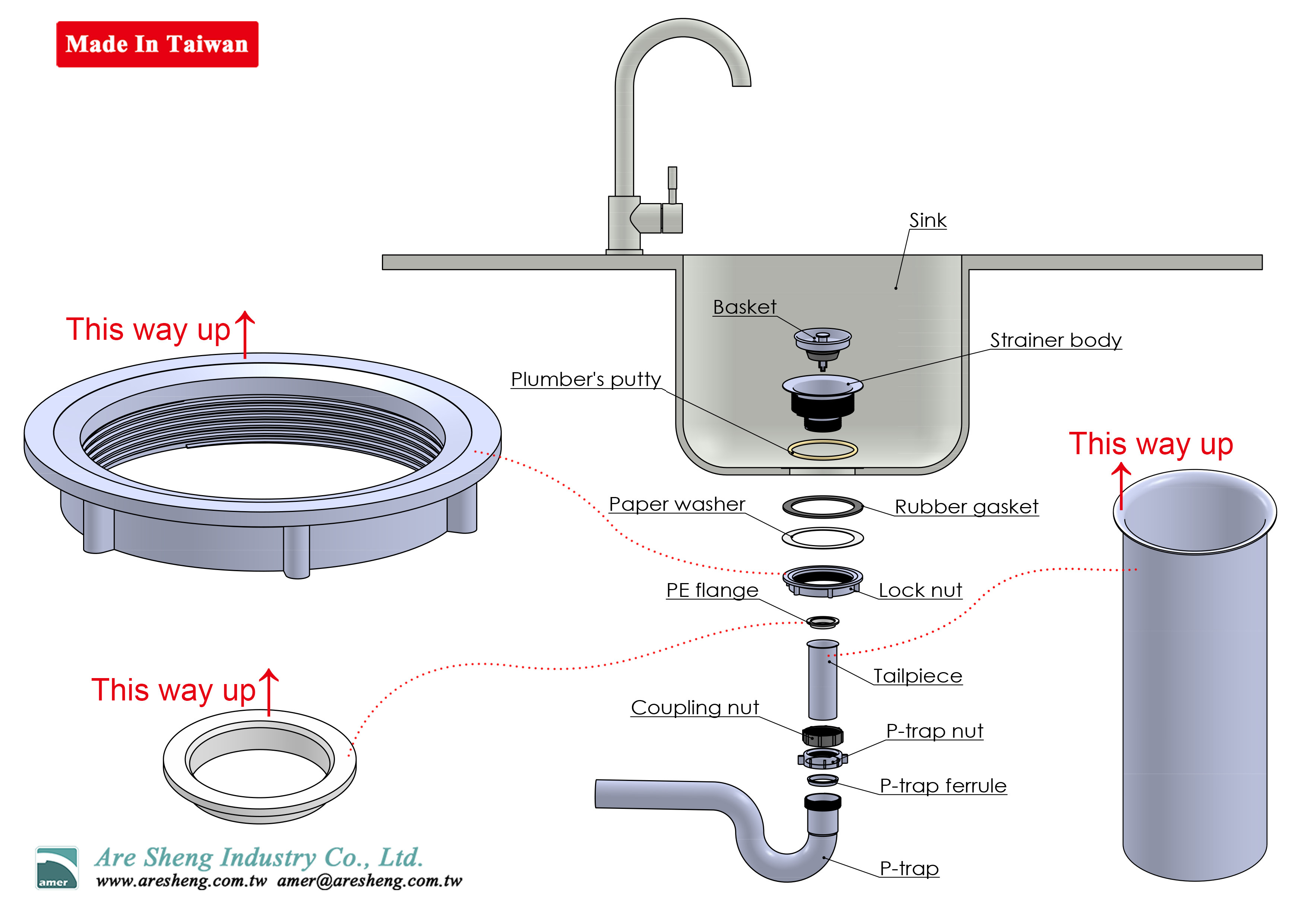
Image Source: www.aresheng.com.tw
Why Replace Your Kitchen Sink Strainer?
Over time, even the most robust kitchen sink strainers can wear out. You might notice leaks, clogs, or simply a strainer that’s seen better days. A damaged or old strainer can lead to slow drains, unpleasant odors, and potential water damage. Replacing a sink strainer is a common kitchen plumbing repair that can significantly improve your sink’s functionality and aesthetics. It’s also a key step when you’re looking to install new sink drain components or perform a full kitchen sink drain replacement.
When to Consider Replacing Your Sink Strainer
Several signs indicate it’s time for a new sink strainer:
- Leaking: If you notice water pooling around the base of the strainer, especially when the sink is full, it’s a sure sign the seals have failed. This is a common reason people look for how to fix a leaky sink strainer.
- Clogging: While clogs can occur deeper in the pipes, a faulty strainer can trap debris more easily and lead to frequent blockages.
- Rust or Corrosion: Metal strainers can rust or corrode over time, affecting their appearance and potentially their seal.
- Loose Fit: If the strainer basket feels loose or wobbly in the sink drain opening, it might be time to replace it.
- Damaged Basket: A cracked or bent strainer basket won’t effectively catch food scraps and can be a nuisance.
- Aesthetic Upgrade: Sometimes, you might just want to update the look of your sink with a shiny new strainer.
Tools You’ll Need
Before you start, gather these essential tools. Having everything ready makes the job much smoother.
- Adjustable Wrench: For loosening and tightening nuts.
- Plumber’s Putty: This is crucial for creating a watertight seal between the strainer and the sink.
- Screwdriver (Flathead and Phillips): To remove any screws that might be present.
- Bucket or Basin: To catch any residual water from the drainpipe.
- Rags or Old Towels: For cleaning up spills and drying parts.
- Safety Glasses: To protect your eyes from debris and drips.
- Gloves: To keep your hands clean and protected.
- Putty Knife or Scraper: To remove old plumber’s putty.
- New Sink Strainer Assembly: Make sure it’s the correct size for your sink and comes with all necessary parts, like the gasket and locknut.
Step-by-Step Guide to Replacing Your Kitchen Sink Strainer
This comprehensive guide will help you successfully replace your kitchen sink strainer. We’ll cover everything from removing the old one to installing the new one.
Step 1: Prepare the Work Area
Safety and cleanliness are key. Start by clearing out the cabinet beneath your sink. Remove all cleaning supplies and anything else stored there. Place your bucket or basin directly under the drainpipe to catch any water that might drip out. Lay down some old towels or rags to absorb spills.
Step 2: Remove the Old Sink Strainer
This is often the trickiest part, especially if the old putty has hardened or the nuts are difficult to loosen.
Detaching the Strainer from Above
- Remove the Strainer Basket: If your strainer has a removable basket, lift it out. This might involve unscrewing a central post or simply pulling it straight up.
- Examine the Top: Look for any screws or clips securing the strainer flange to the sink. Many modern strainers don’t have these, but older ones might.
Detaching the Strainer from Below
- Locate the Locknut: Underneath the sink, you’ll see the drainpipe assembly connected to the strainer body. There will be a large, usually hexagonal, locknut that secures the strainer to the sink.
- Loosen the Locknut: Use your adjustable wrench to turn the locknut counter-clockwise. This might require some force, especially if it’s old and corroded. If it’s stubborn, you might need to use a pipe wrench, but be careful not to overtighten and damage the sink itself.
- Disconnect the Tailpiece: Once the locknut is loose, the tailpiece (the pipe that extends down from the strainer) should detach from the strainer body. You might need to gently wiggle it.
- Remove the Old Strainer: With the locknut and tailpiece removed, you should be able to push the old strainer body up and out from the sink opening above. It might require a bit of wiggling. If it’s stuck, gently tap it from the top with a rubber mallet or the handle of your screwdriver.
Cleaning the Sink Opening
- Scrape Away Old Putty: Use your putty knife or scraper to carefully remove all traces of the old plumber’s putty from the sink surface around the drain opening. It’s essential to have a clean surface for the new putty to seal effectively.
- Wipe Clean: Wipe the area with a damp cloth to remove any remaining debris and dust.
Step 3: Install the New Sink Strainer
Now it’s time to put in the new sink strainer installation.
Applying Plumber’s Putty
- Form a Rope: Take a generous amount of plumber’s putty and roll it into a long rope, about 1/2 inch thick.
- Apply to Strainer Flange: Carefully press this putty rope around the underside of the new strainer flange (the part that sits against the sink). Ensure it forms a continuous, unbroken seal. This putty is crucial for preventing leaks.
Placing the New Strainer
- Insert from Above: From the top of the sink, carefully press the new strainer flange down into the drain opening. Make sure it’s centered.
- Press Firmly: Apply firm pressure to compress the putty and ensure a good seal. You should see a bit of the putty squeeze out around the edges.
Securing the Strainer from Below
- Position the Gasket: From underneath the sink, slide the rubber gasket onto the threaded body of the strainer. Make sure the gasket is oriented correctly to create a watertight seal.
- Thread the Locknut: Screw the locknut onto the threaded body of the strainer. Hand-tighten it first.
- Tighten with Wrench: Use your adjustable wrench to tighten the locknut. Tighten it firmly, but avoid over-tightening, which can crack the sink or damage the strainer. Aim for snug, plus about a quarter to half turn. The putty squeeze-out from the top is a good indicator of a proper seal.
Connecting the Tailpiece
- Attach the Tailpiece: Connect the tailpiece (or the old one if it’s still in good condition) to the bottom of the new strainer.
- Tighten Fittings: Secure the tailpiece using the provided slip nuts and washers. Hand-tighten first, then use your wrench for a snug fit.
Step 4: Test for Leaks
This is a critical step to ensure your kitchen plumbing repair was successful.
- Plug the Sink: Place the new strainer basket into the sink opening and plug the drain.
- Fill with Water: Fill the sink with a few inches of water.
- Check for Drips: Carefully inspect all connections underneath the sink for any signs of dripping or leaks. Pay close attention to the area around the locknut and where the tailpiece connects.
- Unplug and Drain: Once you’re confident there are no leaks, unplug the sink and let the water drain. Observe the drainpipe as the water flows to ensure everything is secure.
- Address Any Leaks: If you find any leaks, turn off the water supply if necessary, and re-tighten the locknut or other fittings slightly. You may need to drain the sink, remove the strainer, and reapply plumber’s putty if the seal is compromised. This is when knowing how to fix a leaky sink strainer comes in handy again.
Step 5: Reassemble and Clean Up
- Reinstall Items: Once you’re satisfied that everything is watertight, put back any items you removed from the cabinet.
- Wipe Down: Clean up any excess plumber’s putty that squeezed out around the sink opening. A little bit of mineral spirits can help remove stubborn putty residue.
- Install Strainer Basket: Place the new strainer basket into the installed strainer.
Replacing a Sink Basket
Sometimes, you might only need to replace the strainer basket itself, not the entire assembly. This is a much simpler task. If your current strainer is functional but the basket is damaged or missing, you can often buy a replace sink basket unit separately.
How to Replace Sink Basket
- Remove the Old Basket: Simply pull out the old strainer basket. It usually lifts straight out or might twist off if it has a stopper mechanism.
- Clean the Strainer Body: Wipe out any debris from the existing strainer body in the sink.
- Insert the New Basket: Place the new sink basket into the strainer body. Ensure it fits snugly. If you have a stopper, make sure it aligns and operates correctly.
Choosing the Right Kitchen Sink Drain Parts
When you embark on a kitchen sink drain replacement or simply need to replace sink basket strainer components, selecting the correct kitchen sink drain parts is crucial.
Types of Strainers
- Strainer Basket: This is the most common type. It consists of a metal basket that fits into the drain opening and catches debris. Some have stoppers integrated into them.
- Strainer with Overflow: If your sink has an overflow hole (a small hole near the top of the sink bowl), you’ll need a strainer assembly that accounts for it.
- Garbage Disposal Flange: If you have a garbage disposal, you’ll need a specific flange that connects the disposal unit to the sink.
Materials
- Stainless Steel: Durable, resistant to rust and corrosion, and aesthetically pleasing.
- Brass: Often used for its durability and can be plated with various finishes (chrome, nickel, bronze).
- Plastic: Less durable but inexpensive, often used for strainer baskets in less demanding situations.
Sizing
Most standard kitchen sinks use a 3-1/2 inch drain opening. However, it’s always best to measure your existing strainer or sink drain opening to ensure you purchase the correct size. Check the diameter of the opening in the sink itself, not just the diameter of the old strainer.
Common Issues and How to Fix Them
Even with careful installation, you might encounter minor hiccups. Here’s how to address them:
How to Fix a Leaky Sink Strainer
The most common cause of leaks is an improper seal.
- Plumber’s Putty: Ensure enough putty was used and that it formed a continuous rope. Reapplying putty and retightening the locknut is often the solution.
- Tightening: The locknut might not be tight enough. Try tightening it a quarter turn at a time.
- Damaged Gasket: The rubber gasket might be cracked or torn. Replacing it should resolve the issue.
- Cracked Sink or Strainer: In rare cases, the sink itself or the strainer body might be cracked. This would require replacing the entire strainer assembly or, in severe cases, the sink.
Sink Stopper Repair
If your sink stopper isn’t sealing properly or is difficult to operate:
- Clean the Stopper: Remove any debris or mineral buildup from the stopper and the strainer body.
- Check the Seal: Ensure the rubber gasket or seal on the stopper is intact and free of damage. Replace it if necessary.
- Lubricate: A small amount of plumber’s grease can help the stopper move smoothly and create a better seal.
Maintaining Your Kitchen Sink Drain
Regular maintenance can prevent future problems.
- Run Hot Water: After washing greasy dishes, run hot water down the drain to help flush away residue.
- Avoid Harsh Chemicals: Repeated use of harsh chemical drain cleaners can degrade seals and pipes. Opt for natural cleaning methods like baking soda and vinegar.
- Clean the Strainer Regularly: Remove food particles from the strainer basket promptly to prevent clogs.
Frequently Asked Questions (FAQ)
Here are some common questions people have about replacing their kitchen sink strainers.
Q1: How often should I replace my kitchen sink strainer?
A1: There’s no set schedule. Replace it when you notice leaks, significant corrosion, or persistent clogging issues. With proper care, a strainer can last for many years.
Q2: Do I need plumber’s putty for every sink strainer installation?
A2: Yes, plumber’s putty is essential for creating a watertight seal between the strainer flange and the sink basin. Some modern strainers might come with a rubber gasket for the top seal, but putty is still needed for the underside.
Q3: My old locknut is seized. What can I do?
A3: If the locknut is very stubborn, you can try applying a penetrating oil (like WD-40) and letting it sit for a few hours. You might also need to use a pipe wrench for extra leverage, but be cautious not to damage the sink or the pipes. Sometimes, gently heating the nut with a hairdryer can help expand it slightly, making it easier to turn.
Q4: Can I use silicone sealant instead of plumber’s putty?
A4: While silicone can create a seal, plumber’s putty is the traditional and recommended material for sink strainers. It remains pliable and creates a more reliable, removable seal. Silicone can be too permanent and make future repairs more difficult.
Q5: What is the difference between a sink strainer and a drain stopper?
A5: The sink strainer is the metal basket assembly that fits into the drain opening and catches debris. A drain stopper is a component, often part of the strainer assembly, that you can use to plug the drain. Some strainers have built-in stoppers, while others are separate.
This kitchen sink plumbing guide should equip you with the knowledge to confidently tackle a sink strainer replacement. By following these steps, you can ensure a leak-free and fully functional sink for years to come. Remember, when in doubt, consulting a professional plumber is always a good option for any kitchen plumbing repair.