
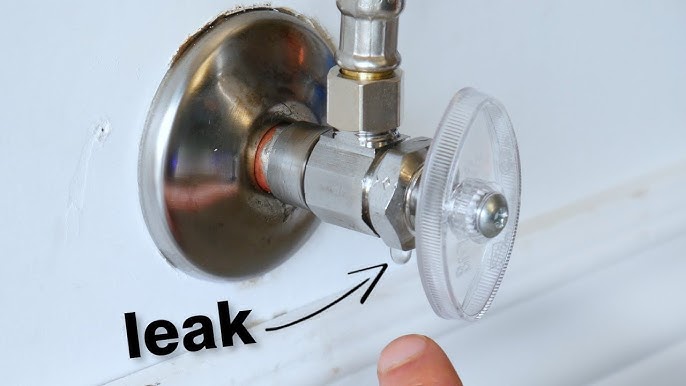
Image Source: i.ytimg.com
How To Replace Shut Off Valve Under Kitchen Sink: Easy Guide
Can I replace a shut-off valve under my kitchen sink myself? Yes, you can replace a shut-off valve under your kitchen sink yourself with basic tools and a little patience. This guide will walk you through the process step-by-step, making it easier than you might think. Dealing with a leaky kitchen sink valve or a stubborn under sink water stop valve doesn’t have to mean calling a plumber immediately. Knowing how to change sink valve can save you time and money.
Why You Might Need to Replace Your Kitchen Sink Shut-Off Valve
There are several common reasons why you might need to replace a kitchen sink water shut off valve. The most frequent culprit is a leak. A leaky kitchen sink valve can waste water, cause damage, and lead to mold growth. Another reason is that the valve might be difficult to turn, stiff, or frozen. This makes it hard to control the water supply, which is crucial during any faucet repair or replacement. Over time, the internal seals can wear out, leading to drips or a complete failure to shut off water. Sometimes, you might be upgrading your faucet and need to replace kitchen faucet valve to accommodate new supply lines. For any plumbing valve replacement under your sink, ensuring you have the right parts is key. You want to make sure you install a new shut-off valve kitchen fixture that will last.
Tools and Materials You’ll Need
Before you begin, gather all the necessary tools and materials. Having everything ready will make the process much smoother.
Essential Tools:
- Adjustable Wrench (or two): You’ll need these to loosen and tighten the nuts connecting the valve to the water pipe and the supply line.
- Bucket or Towels: To catch any residual water when you disconnect the old valve.
- Plumber’s Tape (PTFE Tape): This seals the threads on the water pipe to prevent leaks.
- New Shut-Off Valve: Make sure you purchase the correct type and size for your plumbing. We’ll discuss this more later.
- Pliers (optional but helpful): For gripping stubborn fittings.
- Safety Glasses: To protect your eyes from debris or water spray.
- Work Light: It can be dark under the sink, so good lighting is essential.
- Rag or Sponge: To clean up any spills.
Materials:
- New Shut-Off Valve: Ensure it matches the type of pipe you have (e.g., copper, PEX). Common types include compression valves and sweat valves. For most DIYers, compression valves are the easiest to install.
- Appropriate Size Supply Lines: If your old supply lines are also worn or don’t fit the new valve, you’ll need new ones.
Choosing the Right Replacement Shut-Off Valve
Selecting the correct kitchen supply line valve is critical for a successful replacement. There are a few main types you’ll encounter under a kitchen sink:
- Compression Valve: These are the most common and easiest for DIYers. They use a nut and ferrule (a small ring) that compress onto the pipe, creating a watertight seal without soldering. They are readily available as a new shut-off valve kitchen option.
- Sweat (Soldering) Valve: These require soldering the valve directly onto a copper pipe. This method is more permanent but requires specialized tools and skills. If you’re not comfortable with soldering, opt for a compression valve.
- Push-to-Connect Valve: These can also be easy to install, but they can be more expensive and may not be as universally compatible as compression valves.
Key Considerations When Buying:
- Pipe Size: Measure the diameter of the pipe the valve connects to. Common sizes are 1/2 inch and 3/8 inch.
- Type of Connection: Does it connect to the water supply pipe (often copper or CPVC) and then to the faucet supply line? Most valves will have one end for the supply pipe and another for the flexible supply line.
- Angle: Most valves under the sink are angle stops (L-shaped) that connect to the wall pipe and then route the supply line down to the faucet. Straight stops are less common for kitchen sinks.
- Material: Brass is a durable and common material for shut-off valves.
Tip: If you’re unsure about the size or type, take a picture of your existing valve or bring the old valve with you to the hardware store. This ensures you get the right replacement.
Step-by-Step Guide to Replacing Your Shut-Off Valve
Here’s how to tackle the shutoff valve repair kitchen sink project:
Step 1: Turn Off the Main Water Supply
This is the most important step. You absolutely must shut off the water to your entire house before you start.
- Locate the Main Water Shut-Off Valve: This is usually found in your basement, garage, crawl space, or near your water meter. It might be a gate valve (a round handle that you turn clockwise) or a ball valve (a lever handle that you turn 90 degrees).
- Turn Off the Water: Turn the handle clockwise (for a gate valve) or turn the lever handle so it is perpendicular to the pipe (for a ball valve).
- Verify the Water is Off: Go back to your kitchen sink and turn on both the hot and cold water handles for the faucet. Let the water run until it stops completely. This will also help drain any remaining water in the pipes.
Step 2: Prepare Your Workspace
- Clear Under the Sink: Remove everything from the cabinet beneath your kitchen sink. This gives you plenty of room to work.
- Place a Bucket and Towels: Put a bucket directly under the shut-off valve you’ll be working on. Lay down some old towels around the area to catch any drips or spills.
Step 3: Disconnect the Old Shut-Off Valve
Now it’s time to remove the old valve.
- Disconnect the Supply Line: This is the flexible hose that connects your faucet to the shut-off valve. Use an adjustable wrench to loosen the nut connecting the supply line to the valve. Turn the nut counter-clockwise. You might need a second wrench to hold the valve steady if it starts to twist.
- Disconnect from the Wall Pipe: Use your adjustable wrench to loosen the nut that connects the shut-off valve to the pipe coming out of the wall. Again, turn counter-clockwise. Be prepared for a small amount of water to drain from the pipe and valve into your bucket.
Step 4: Remove the Old Valve
Once both connections are loose, you should be able to unscrew the old shut-off valve completely.
- For compression valves: These typically thread onto a fitting that’s attached to the pipe. Unscrew the entire valve assembly.
- If the old valve is difficult to remove: You may need to apply a bit more force, but be careful not to damage the pipe it’s connected to. A penetrating oil might help if it’s corroded.
Step 5: Clean the Pipe Threads
Before installing the new valve, clean the threads on the pipe coming from the wall.
- Use a clean rag to wipe away any debris, old plumber’s tape, or mineral deposits. Good threads ensure a proper seal for the new valve.
Step 6: Install the New Shut-Off Valve
This is where your new new shut-off valve kitchen fixture comes into play.
- Apply Plumber’s Tape: Wrap plumber’s tape around the threads of the pipe coming from the wall. Wrap it in the same direction you will be tightening the valve (usually clockwise). Typically, 3-5 wraps are sufficient. This helps create a watertight seal.
- Thread the New Valve: Carefully thread the new shut-off valve onto the pipe by hand. Make sure it’s going on straight to avoid cross-threading.
- Tighten with a Wrench: Once hand-tight, use your adjustable wrench to tighten the valve another half to three-quarters of a turn. Do not overtighten, as this can damage the valve or the pipe.
- Attach the Supply Line: If you’re using a new supply line, attach it to the threaded outlet on the new shut-off valve. Hand-tighten first, then use a wrench for a final snug turn (usually about a quarter turn past hand-tight).
Step 7: Turn the Water Back On and Check for Leaks
This is the moment of truth!
- Turn On the Main Water Supply: Slowly turn the main water shut-off valve back on.
- Check the New Valve: Carefully inspect the new shut-off valve for any signs of leaks at both connections (where it meets the wall pipe and where the supply line connects).
- Slowly Turn On the Shut-Off Valve: Gently open the new kitchen sink water shut off valve by turning the handle counter-clockwise.
- Check Faucet Operation: Turn on your kitchen faucet to ensure water is flowing normally.
- Re-Check for Leaks: After a few minutes and again after an hour, re-inspect the valve and connections for any drips. If you see any leaks, turn the main water off again and gently tighten the connection slightly. If the leak persists, you may need to remove the valve, reapply plumber’s tape, and re-install it.
Step 8: Clean Up
- Wipe up any spilled water.
- Put your cleaning supplies back under the sink.
- Place all your items back into the cabinet.
Troubleshooting Common Issues
Even with careful work, you might encounter a few snags. Here’s how to address them:
Leaky Connections
- Cause: Insufficient or improperly applied plumber’s tape, or the nut is not tight enough.
- Solution: Turn off the main water supply again. Tighten the connection slightly. If that doesn’t work, disconnect, clean the threads, reapply plumber’s tape carefully, and re-tighten.
Valve Doesn’t Shut Off Water Completely
- Cause: Debris in the valve, or the valve itself is faulty.
- Solution: Try opening and closing the valve several times. If it still doesn’t shut off completely, you may need to replace the valve again. Ensure the main water supply is fully off before attempting another replacement.
Difficulty Removing Old Valve
- Cause: Corrosion or mineral buildup.
- Solution: Apply a penetrating oil (like WD-40) to the threads and let it sit for 15-30 minutes. Then, try loosening again with a wrench. Gentle tapping with the wrench handle might also help break it loose. If it’s a compression fitting, you might need a pipe wrench for extra grip.
New Valve Is Too Tight to Turn
- Cause: Cross-threading or overtightening during installation.
- Solution: Turn the main water off. Loosen the valve slightly, then try to retighten it, ensuring it’s going on straight. If it feels like it’s binding, it might be cross-threaded, and you may need to replace the valve again.
Replacing a Faucet Valve vs. a Supply Line Valve
It’s important to distinguish between the shut-off valve and the faucet itself. This guide is about replacing the shut off valve under kitchen sink that controls water flow to the entire faucet. Sometimes, a faucet might have internal valves that are not easily replaceable by a DIYer. If your issue is a dripping faucet after you’ve confirmed the shut-off valves are working correctly, you might be looking at a faucet cartridge or washer replacement, which is a different DIY project. This article focuses on the plumbing valve replacement on the supply lines.
When to Call a Professional Plumber
While this guide aims to make the process accessible, there are situations where it’s best to call a professional:
- Unfamiliarity with Plumbing: If you’re not comfortable with any step, especially turning off the main water supply, a plumber can handle it.
- Old or Corroded Pipes: If your pipes are very old, brittle, or heavily corroded, attempting a DIY replacement could cause more damage.
- Soldering Required: If your system uses copper pipes and requires sweat (soldering) valves, and you lack the experience, it’s safer to hire a pro.
- Persistent Leaks: If you’ve tried to fix a leak and it continues, a professional has the expertise to diagnose and solve the problem.
- No Main Water Shut-Off: If you cannot locate or operate your main water shut-off valve, do not attempt the repair.
Frequently Asked Questions (FAQ)
Q1: How often should I replace my kitchen sink shut-off valves?
A1: Shut-off valves don’t have a set replacement schedule. You should replace them if they leak, are difficult to operate, or show signs of corrosion. Many plumbers recommend replacing older compression valves as a preventative measure if you’re undertaking other kitchen plumbing work.
Q2: What’s the difference between a shut-off valve and an angle stop?
A2: In the context of a kitchen sink, the terms are often used interchangeably. An “angle stop” refers to the valve’s shape (L-shaped) which turns the water from a straight pipe coming out of the wall down to a flexible supply line going to the faucet. The main function is still to shut off the water.
Q3: My shut-off valve is very stiff. Can I just force it?
A3: No, forcing a stiff valve can break it, leading to a more serious leak. If it’s stiff, try applying a penetrating lubricant and gently working it back and forth. If it still won’t move, it’s best to replace it.
Q4: Do I need to replace the supply lines when I replace the shut-off valve?
A4: It’s a good idea to replace the supply lines if they are old, kinked, or show any signs of wear, especially if you are doing a plumbing valve replacement. New supply lines ensure optimal water flow and prevent future leaks.
Q5: What if my shut-off valve is soldered onto the pipe?
A5: If your valve is soldered directly onto a copper pipe, you will need to cut the pipe below the valve and then solder on a new valve or a transition fitting to attach a compression valve. This requires specific tools and skills, and if you’re not experienced, it’s recommended to hire a plumber.
Replacing a kitchen sink water shut off valve is a manageable DIY project that can save you money and give you peace of mind. By following these steps, you can confidently tackle this common plumbing task and ensure your kitchen sink has reliable water control.