
Image Source: contentgrid.homedepot-static.com
How to Replace Kitchen Sink Shut Off Valve: Easy Guide
Can you replace a kitchen sink shut-off valve yourself? Yes, with the right tools and a step-by-step approach, you can successfully replace a kitchen sink shut-off valve. This guide will walk you through the entire process, from identifying the problem to making the final connection, ensuring you can tackle this common plumbing repair with confidence.
Why You Might Need to Replace a Kitchen Sink Shut-Off Valve
Your kitchen sink shut-off valves, often called stop valves under the kitchen sink, are essential for controlling the flow of water to your faucet. These small but mighty components allow you to isolate the sink’s water supply for repairs or maintenance without shutting off the water to your entire home. You might need to replace a kitchen sink water valve replacement if you notice:
- Leaks: Dripping from the valve handle or where the supply line connects is a clear sign of a worn-out valve.
- Corrosion: Visible rust or mineral buildup can impede the valve’s function and lead to leaks.
- Difficulty Turning: If the valve is stiff, hard to turn, or won’t shut off completely, it’s time for a replacement.
- Low Water Pressure: A partially closed or faulty shut-off valve can restrict water flow to your faucet.
- Age: Like any mechanical part, shut-off valves wear out over time. If yours are old, proactive replacement can prevent future problems.
When it comes to the hot and cold water lines under your sink, having functioning shut-off valves is crucial. Knowing how to change sink faucet valve can save you time and money. This guide focuses on the DIY kitchen sink valve repair, making the replace sink shut-off valve process manageable.
Tools and Materials You’ll Need
Before you start this DIY kitchen sink valve repair, gather all the necessary tools and materials. Having everything ready will make the process smoother and prevent trips to the hardware store mid-project.
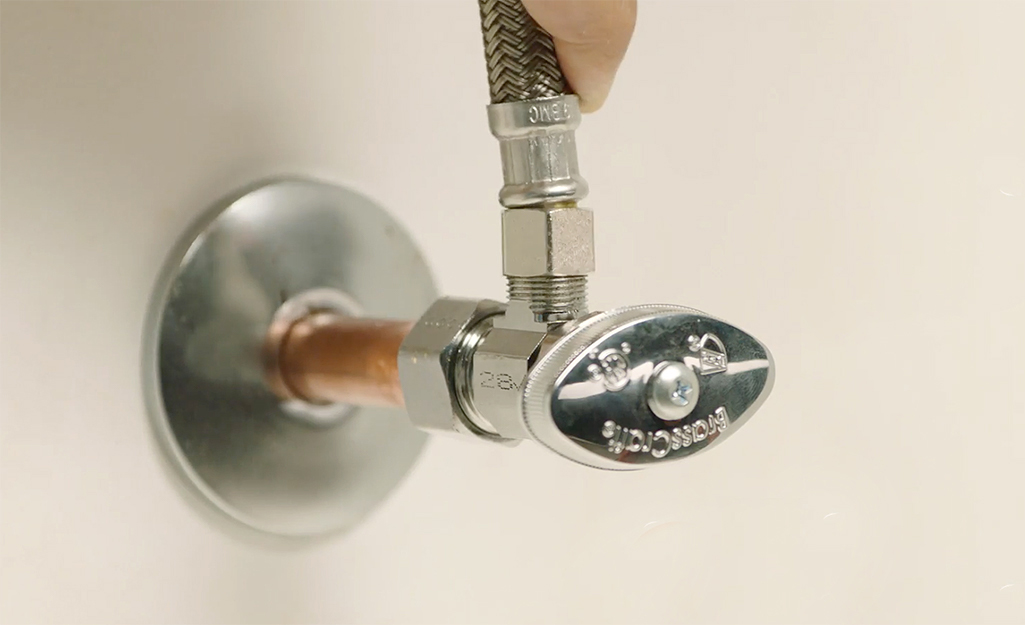
- Replacement Shut-Off Valve(s): Ensure you have the correct type and size for your existing plumbing. Common types include angle stops (which turn at a 90-degree angle from the pipe to the faucet) and straight stops (which run parallel to the pipe). Measure the diameter of your existing supply lines and the pipe threads.
- Adjustable Wrenches (2): You’ll need two wrenches – one to hold the existing valve in place and another to turn the nut connecting to the supply line.
- Channel-Lock Pliers: Useful for gripping and turning stubborn fittings.
- Bucket or Towels: To catch any residual water in the pipes.
- Plumber’s Tape (PTFE Tape): For creating a watertight seal on threaded connections.
- Dielectric Grease (Optional but Recommended): Helps prevent galvanic corrosion between dissimilar metals.
- Wire Brush or Steel Wool: To clean pipe threads.
- Safety Glasses: To protect your eyes from debris and water.
- Work Gloves: For better grip and protection.
- Flashlight or Headlamp: To see clearly under the sink.
- Rag: For wiping up spills.
Step-by-Step Guide to Replacing Your Kitchen Sink Shut-Off Valve
Replacing a shut-off valve under the kitchen sink is a straightforward process if you follow these steps carefully. This guide is designed for ease of comprehension, making the replace plumbing shut-off valve kitchen task accessible.
Step 1: Turn Off the Main Water Supply
Crucial First Step: Before you do anything else, you must locate and turn off the main water supply to your house. This is usually found in your basement, crawl space, garage, or near your water meter. Turn the valve clockwise until it stops. To be absolutely sure, go to your kitchen sink and turn on the faucet. No water should come out.
Step 2: Relieve Water Pressure
Open both the hot and cold water faucets at your kitchen sink. Let the water run until it stops completely. This helps to drain any remaining water in the pipes and relieve pressure, minimizing spills when you disconnect the supply lines.
Step 3: Prepare the Work Area
Place a bucket or several towels directly underneath the shut-off valve you’ll be working on. This will catch any drips or residual water. Ensure you have good lighting so you can see what you’re doing clearly.
Step 4: Disconnect the Faucet Supply Lines
You’ll see two flexible supply lines running from the shut-off valves to your faucet.
- Identify the valve: Determine if you are working on the hot water shut off valve kitchen sink or the cold water shut off valve kitchen sink. The hot water line is typically on the left, and the cold water line is on the right.
- Loosen the connection: Use an adjustable wrench to loosen the nut that connects the supply line to the shut-off valve. Turn the nut counter-clockwise. You may need to use a second wrench to hold the valve body steady to prevent it from twisting and damaging the pipe.
- Remove the supply line: Once loose, gently pull the supply line away from the valve. Have your bucket or towels ready to catch any remaining water. Repeat this for the other supply line if you are replacing both.
Step 5: Remove the Old Shut-Off Valve
This is where you’ll replace the actual stop valve under kitchen sink.
- Locate the valve connection to the pipe: The shut-off valve connects to the water supply pipe coming out of the wall or floor. This connection is usually threaded.
- Hold the pipe steady: Use one adjustable wrench or pliers to firmly grip the copper or PEX pipe that the shut-off valve is attached to. This is vital to prevent damaging the plumbing behind the wall.
- Unscrew the old valve: Use your second adjustable wrench to loosen the nut that connects the shut-off valve to the pipe. Turn this nut counter-clockwise. It might be a bit stiff due to age or mineral buildup. Apply steady pressure.
- Inspect the pipe threads: Once the old valve is removed, inspect the threads on the pipe. Clean them thoroughly with a wire brush or steel wool to remove any old tape, debris, or corrosion. Clean threads ensure a good seal for the new valve.
Step 6: Prepare the New Shut-Off Valve
Before installing the new under sink water shutoff valve, prepare it for a leak-free connection.
- Apply Plumber’s Tape: Wrap plumber’s tape (PTFE tape) around the threads of the pipe that the new valve will connect to. Wrap it clockwise, in the direction you will be screwing the valve on. Typically, 3-5 wraps are sufficient. This tape creates a watertight seal.
- Apply Dielectric Grease (Optional): If your new valve has a brass fitting and your pipe is copper or galvanized, apply a thin layer of dielectric grease to the threads. This helps prevent galvanic corrosion, which can occur when two dissimilar metals are in contact in the presence of an electrolyte (water).
Step 7: Install the New Shut-Off Valve
Now it’s time to install the new kitchen sink water valve replacement.
- Thread the new valve: Carefully thread the new shut-off valve onto the cleaned pipe threads. Start by hand-tightening it to avoid cross-threading. Ensure it’s going on straight.
- Tighten with wrenches: Once hand-tight, use your adjustable wrench to tighten the valve. Again, use your second wrench to hold the pipe steady. Tighten the valve until it is snug, but do not overtighten, as this can damage the valve or the pipe. A good rule of thumb is to tighten it about a quarter to half a turn past hand-tight.
Step 8: Reconnect the Faucet Supply Lines
This step is essentially reversing Step 4.
- Connect to the new valve: Take the supply line that was connected to the old valve and attach it to the corresponding outlet on the new shut-off valve.
- Hand-tighten first: Start by hand-tightening the nut onto the valve outlet.
- Use wrenches to secure: Once hand-tight, use your adjustable wrench to tighten the nut. Hold the new valve body steady with a second wrench to prevent it from turning. Tighten until snug. Again, avoid overtightening.
Step 9: Turn the Water Supply Back On and Check for Leaks
This is the moment of truth!
- Slowly turn on the main water supply: Go back to your main water shut-off valve and turn it counter-clockwise slowly.
- Check all connections: Immediately go back to your kitchen sink and inspect all the connections you worked on. Look for any drips or signs of water around the shut-off valve, the pipe connection, and where the supply lines connect to the new valve.
- Turn on the faucet: Slowly turn on the kitchen faucet (both hot and cold if you replaced both valves). Let the water run for a minute. Listen for any hissing sounds and carefully examine all connections again for leaks.
- Tighten if necessary: If you see any drips, try gently tightening the leaking connection a little more. Sometimes a slight adjustment is all that’s needed.
Step 10: Test the Shut-Off Valve
To confirm your new valve works correctly, you need to test its shut-off capability.
- Close the new shut-off valve: Turn the handle of the newly replaced shut-off valve clockwise until it stops.
- Turn on the faucet: Turn on the kitchen faucet. The water flow should stop completely once the shut-off valve is closed.
- Open and close again: Turn the shut-off valve back on (counter-clockwise) and ensure water flows freely to the faucet. Repeat this a couple of times to ensure smooth operation.
Common Pitfalls and How to Avoid Them
Even with a straightforward guide, plumbing can present challenges. Here are some common issues and how to sidestep them when you replace sink shutoff valve.
- Overtightening Fittings: This is a very common mistake. Overtightening can strip threads, crack plastic fittings, or damage the valve body, leading to leaks. Tighten fittings until they are snug, then give them a quarter to half a turn more.
- Not Turning Off the Main Water Supply: Always, always turn off the main water supply. Failing to do so will result in a significant water mess.
- Not Relieving Pressure: Even with the main off, there’s water in the lines. Opening the faucet helps drain this and reduces the likelihood of a spray when disconnecting.
- Cross-Threading: When attaching a new valve or supply line, ensure you start the threads by hand and that they are aligned perfectly straight. Forcing a cross-threaded connection will damage the threads and likely cause leaks.
- Using the Wrong Type of Valve: Make sure the replacement valve matches the type (angle or straight) and size of your old one.
- Not Cleaning Pipe Threads: Old tape, debris, or corrosion on the pipe threads will prevent a good seal, leading to leaks. Always clean them thoroughly.
- Forgetting Plumber’s Tape: This is crucial for creating a watertight seal on threaded connections.
When to Call a Professional Plumber
While replacing a kitchen sink shut-off valve is a manageable DIY project, there are times when it’s best to call a professional plumber.
- Uncertainty: If you’re uncomfortable at any stage of the process, or unsure about any of the steps, it’s safer to call a professional.
- Old or Corroded Plumbing: If your existing pipes or connections are very old, corroded, or look like they might break, a plumber has the expertise and tools to handle them without causing further damage.
- Persistent Leaks: If you’ve replaced the valve and are still experiencing leaks, a plumber can diagnose the problem, which might be with the pipe itself or another part of the system.
- Limited Access: If the shut-off valves are in a very tight or awkward space, making it difficult to work, a plumber might be able to access them more easily and safely.
- Major Pipe Issues: If you discover significant damage to the pipes behind the wall, this is beyond the scope of a simple valve replacement and requires professional attention.
Knowing how to change sink faucet valve is a great skill, but recognizing your limits is also important. For most homeowners, replacing the kitchen sink water valve replacement is a feasible DIY task.
Frequently Asked Questions (FAQ)
Here are some common questions related to replacing kitchen sink shut-off valves:
Q1: How often should I replace my kitchen sink shut-off valves?
A1: Shut-off valves don’t have a fixed replacement schedule, but it’s good practice to inspect them annually. If they are more than 10-15 years old, show signs of wear (leaks, stiffness), or you’re doing other plumbing work under the sink, it’s a good idea to replace them proactively.
Q2: What kind of shut-off valve do I need?
A2: You’ll need to match the type of valve to your existing setup. The most common are angle stops (L-shaped) and straight stops. You also need to match the size of the threads that connect to your water supply pipe and the compression fitting size for your faucet supply line.
Q3: Can I use Teflon tape on plastic fittings?
A3: Yes, Teflon tape (PTFE tape) is generally safe to use on plastic pipe threads, but be very gentle when tightening. Overtightening can easily crack plastic fittings. Some plastic fittings may have rubber gaskets that provide the seal, in which case tape might not be necessary on that specific connection.
Q4: My old valve is stuck. What can I do?
A4: If the old valve is very stiff, you can try applying a penetrating lubricant like WD-40 (ensure it’s safe for plumbing applications if possible) and letting it sit for a while. Using two wrenches to apply opposing force can also help. However, if it’s extremely corroded or won’t budge, it might be safer to call a plumber to avoid breaking the pipe.
Q5: Do I need to replace both the hot and cold shut-off valves?
A5: Not necessarily, but it’s often recommended if one is failing or very old. Replacing them at the same time ensures both are in good working condition and saves you from potentially having to do the job again soon if the other valve fails.
Q6: What is dielectric grease used for in plumbing?
A6: Dielectric grease is used to prevent galvanic corrosion. This occurs when two dissimilar metals (like copper pipes and brass fittings) are in contact in the presence of water. The grease acts as an insulator, preventing this electrochemical reaction and extending the life of your connections.
By following this comprehensive guide, you should be well-equipped to handle your kitchen sink shut-off valve replacement. This DIY kitchen sink valve repair is a valuable skill that can save you money and give you peace of mind. Remember to work carefully, have the right tools, and don’t hesitate to call a professional if you encounter any difficulties.