
Can I replace my kitchen faucet myself? Yes, you absolutely can! Replacing a kitchen faucet with two handles is a manageable DIY project for most homeowners. This guide will walk you through the process step-by-step, ensuring you can achieve a professional-looking result and a leak-free faucet installation. We’ll cover everything from gathering the right faucet parts and tools to the final connections for your hot and cold water lines.
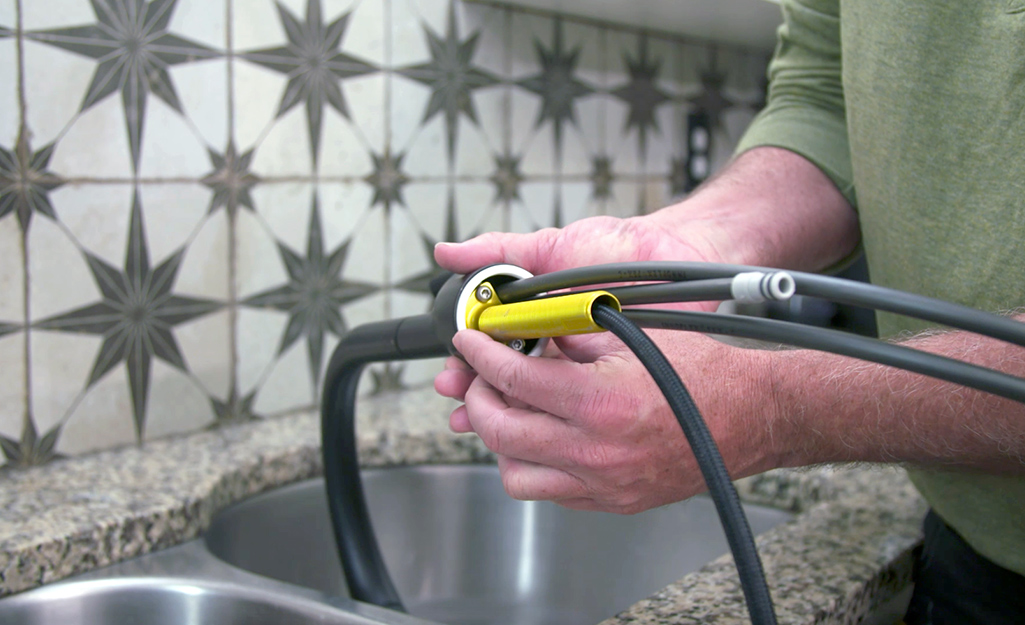
Image Source: contentgrid.homedepot-static.com
Getting Started: Preparing for Your Two-Handle Faucet Installation
Before you dive into the actual kitchen faucet replacement, a little preparation goes a long way. This makes the entire process smoother and safer.
What You’ll Need: Essential Faucet Parts and Tools
Having the correct tools and supplies readily available will save you time and frustration. Here’s a comprehensive list:
- New Kitchen Faucet: Ensure it’s designed for a two-handle setup and fits your sink’s hole configuration.
- Adjustable Wrenches (two sizes): Essential for tightening and loosening nuts and fittings.
- Basin Wrench: This specialized tool is a lifesaver for reaching nuts in tight spaces under the sink.
- Plumber’s Putty or Silicone Sealant: Used to create a watertight seal between the faucet base and the sink.
- Bucket: To catch any residual water in the pipes.
- Towels or Rags: For wiping up spills and keeping the work area dry.
- Safety Glasses: To protect your eyes from debris or splashing water.
- Work Light or Headlamp: To see clearly in the often dim space under the sink.
- Screwdriver Set: For any screws holding the old faucet in place.
- Pipe Wrench (optional but helpful): For stubborn connections.
- Hose Cutters or Utility Knife: If you need to trim supply lines.
- Penetrating Oil (like WD-40): Can help loosen corroded or stuck fittings.
- Cleaning Supplies: To clean the sink area before installing the new faucet.
Turning Off the Water: A Crucial First Step
This is the most important step in any plumbing basics for kitchens task involving faucet replacement. You don’t want to be dealing with a sudden spray of water!
- Locate the Shut-Off Valves: Under your kitchen sink, you should find two shut-off valves, one for the hot water and one for the cold water. They are typically small knobs or levers attached to the pipes coming from the wall.
- Turn Off the Water: Turn both valves clockwise until they are completely shut.
- Test the Water Flow: Turn on the old faucet handles (both hot and cold) to release any remaining water in the lines and confirm that the water supply is indeed off. Let the water run until no more comes out.
Clearing the Workspace: Making Room to Work
Working in tight spaces can be challenging. Make sure you have ample room to maneuver.
- Remove Everything from Under the Sink: Take out any cleaning supplies, bins, or other items stored in the cabinet below your sink.
- Lay Down Protection: Place towels or rags on the cabinet floor to absorb any drips.
- Position Your Bucket: Place a bucket directly beneath the water supply lines to catch any residual water when you disconnect them.
Removing the Old Kitchen Faucet
Once you’re prepared, it’s time to tackle the removal of your old faucet. This part of the kitchen faucet replacement might require a little patience, especially if fittings are old or corroded.
Disconnecting the Water Supply Lines
This is where your adjustable wrenches come in handy.
- Identify the Supply Lines: These are the flexible hoses connecting the shut-off valves to the faucet tails.
- Loosen the Connections: Using an adjustable wrench, carefully loosen the nuts connecting the supply lines to the faucet tails. Remember: “Lefty loosey, righty tighty.”
- Catch the Drip: Have your bucket and rags ready, as a small amount of water will likely drip out.
- Disconnect Completely: Once loosened, you should be able to unscrew the nuts by hand.
Detaching the Faucet from the Sink
This is often the trickiest part of a DIY faucet change, especially if your basin wrench hasn’t been used before.
- Locate the Mounting Nuts: Look up under the sink where the faucet is secured to the sink or countertop. You’ll find large nuts or clips holding the faucet body in place.
- Use the Basin Wrench: Position the jaws of the basin wrench around the mounting nut. Its long handle and pivoting head are designed for these awkward spots.
- Turn Counterclockwise: Slowly turn the basin wrench to loosen and remove the mounting nuts. This might take some effort, especially if they are old and corroded. Applying penetrating oil can help here.
- Remove Any Retaining Clips: Some faucets might have additional clips or screws that need to be removed.
- Lift Out the Old Faucet: Once all the connections and nuts are removed, you should be able to lift the old faucet assembly straight up and out of the sink holes from above.
Cleaning the Sink Area
With the old faucet removed, take this opportunity to clean the sink surface thoroughly.
- Scrape Away Old Putty: Use a plastic scraper or putty knife to remove any old plumber’s putty or sealant residue.
- Clean the Surface: Wipe down the area around the faucet holes with an all-purpose cleaner or a mild degreaser to ensure a clean surface for the new faucet’s seal.
Installing Your New Two-Handle Faucet
Now comes the exciting part – bringing your new faucet to life! This is where you’ll focus on a leak-free faucet installation.
Preparing the New Faucet
Most new faucets come with some assembly required.
- Read the Manufacturer’s Instructions: This is crucial! Every faucet model can have slight variations in its installation process.
- Attach Supply Lines (if not pre-attached): Screw the new flexible supply lines into the faucet tails. Hand-tighten first, then give them a quarter-turn with an adjustable wrench. Be careful not to overtighten, which can damage the threads.
- Apply Plumber’s Putty or Sealant:
- Plumber’s Putty: Roll a rope of plumber’s putty into a thin snake. Place it around the underside of the faucet base and escutcheon (the decorative plate).
- Silicone Sealant: If your faucet instructions recommend silicone sealant, apply a thin bead around the underside of the faucet base.
Positioning the New Faucet
Carefully place the new faucet into the sink holes.
- Align the Faucet: Guide the faucet tails and mounting posts through the corresponding holes in your sink or countertop.
- Ensure Proper Seating: Make sure the faucet is sitting straight and the base is firmly seated against the putty or sealant.
Securing the Faucet from Underneath
This step ensures your new faucet is firmly attached.
- Attach Mounting Hardware: From under the sink, slide the rubber washers, metal washers, and mounting nuts onto the faucet tails.
- Tighten the Nuts: Hand-tighten the nuts as much as you can. Then, use your basin wrench or adjustable wrench to tighten them securely. Ensure the faucet remains straight as you tighten. You want it snug, but don’t overtighten, as this can crack porcelain sinks.
- Wipe Away Excess Sealant: From the top side of the sink, carefully wipe away any plumber’s putty or sealant that squeezed out around the faucet base with a damp cloth.
Connecting the Hot and Cold Water Lines
This is a key part of your two-handle faucet installation, and getting it right ensures proper operation.
- Identify Hot and Cold: Most faucet tails will be marked (red for hot, blue for cold), and your shut-off valves should also correspond.
- Connect Supply Lines to Valves: Align the threaded end of the hot water supply line with the hot water shut-off valve and the cold water supply line with the cold water shut-off valve.
- Tighten the Connections: Hand-tighten the nuts first, then use your adjustable wrench to tighten them. A common recommendation is a quarter to a half turn past hand-tight. Again, avoid overtightening.
Testing for Leaks and Final Touches
You’re almost there! Now it’s time to check your work and enjoy your new faucet.
Turning the Water Back On
- Slowly Open the Valves: Turn the hot and cold water shut-off valves back on by turning them counterclockwise.
- Inspect for Leaks: Immediately check all the connections you made under the sink for any signs of dripping or leaking. Pay close attention to where the supply lines connect to both the shut-off valves and the faucet tails.
Testing the Faucet Operation
- Run the Water: Turn on both the hot and cold water handles on your new faucet.
- Check Handle Functionality: Ensure the handles move smoothly and control the water flow as expected.
- Inspect Again: With the water running, do a final check for any leaks under the sink. If you see any drips, try gently tightening the problematic connection by about an eighth of a turn. If a leak persists, you may need to shut off the water, disconnect the line, reapply putty/sealant, and reconnect.
Troubleshooting Common Issues
Even with careful work, minor issues can arise during a kitchen faucet replacement.
- Dripping from Connections: If a connection is dripping, shut off the water, and try tightening it a bit more. If that doesn’t work, you might need to unscrew it, check the washer or seal, and reapply plumber’s putty or sealant.
- Low Water Pressure: This could be due to debris in the aerator (the tip of the spout). Unscrew the aerator and clean out any sediment.
- Leaking from the Faucet Base: Ensure the mounting nuts are tight enough and that the plumber’s putty or sealant created a good seal.
Frequently Asked Questions About Kitchen Faucet Replacement
Here are some common questions people have when undertaking a DIY faucet change.
Q1: How tight should I make the connections?
A1: Hand-tighten all connections first. Then, use a wrench to tighten them a quarter to a half turn past hand-tight. Overtightening can strip threads or crack fittings.
Q2: My old faucet is really stuck. What can I do?
A2: Apply penetrating oil to the corroded fittings and let it sit for 15-30 minutes. You might need to use more leverage with your wrench, but be careful not to damage the sink or countertop. A pipe wrench can sometimes provide better grip on stubborn nuts.
Q3: What’s the difference between plumber’s putty and silicone sealant?
A3: Plumber’s putty is traditional and works well for most non-porous surfaces like stainless steel sinks. Silicone sealant is often recommended for granite, marble, or quartz countertops because putty can stain porous materials. Always check your faucet manufacturer’s recommendation.
Q4: Do I need to replace my old supply lines?
A4: It’s highly recommended. Older supply lines can become brittle or corroded and are a common source of leaks. Replacing them with new ones during your kitchen faucet replacement ensures a more reliable installation.
Q5: How do I know if I have the right faucet for my sink?
A5: Check the number of holes in your sink or countertop. Most kitchen sinks have 1, 3, or 4 holes. Faucets are designed for specific hole configurations. A two-handle faucet typically requires two or three holes (one for each handle and one for the spout, or sometimes integrated into the handles).
Conclusion: Enjoy Your New Faucet!
Replacing a kitchen faucet with two handles is a rewarding DIY project. By following these steps carefully, you can successfully complete your kitchen faucet replacement, enjoy improved functionality, and have the satisfaction of a job well done. Remember, taking your time, using the right tools, and double-checking your connections are key to a successful and leak-free faucet installation. With a little effort, you’ll have a beautifully updated kitchen!