
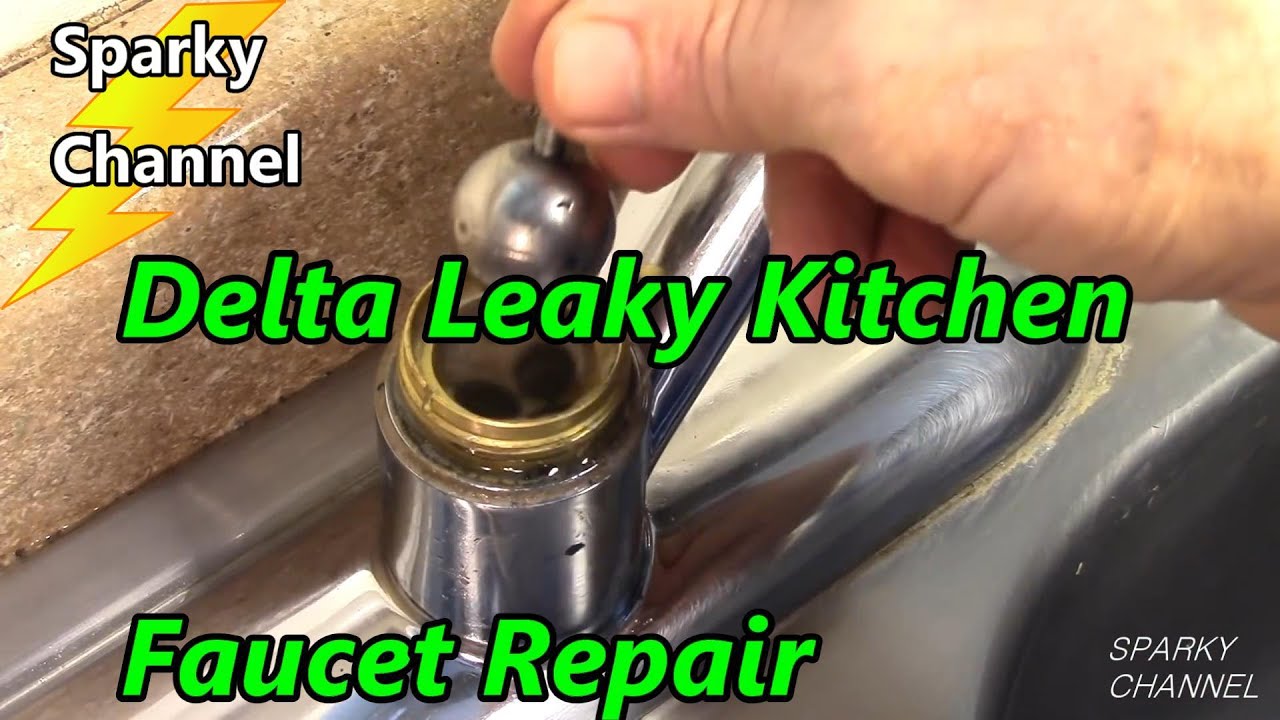
Image Source: i.ytimg.com
How To Replace a Delta Kitchen Faucet: A Step-by-Step DIY Guide
Can you replace a Delta kitchen faucet yourself? Yes, with the right tools and instructions, you can successfully replace your Delta kitchen faucet as a DIY project. This guide will walk you through the entire process of changing a kitchen faucet, from gathering your supplies to the final leak check. Whether you’re looking for Delta kitchen faucet repair tips or a complete Delta faucet replacement, this guide has you covered.
Replacing an old, leaky, or outdated Delta kitchen faucet can seem daunting, but it’s a very achievable DIY project. This detailed guide will equip you with the knowledge and steps needed to tackle this task confidently, saving you money on professional plumbing services. We’ll cover everything from identifying the right Delta faucet replacement parts to the final touches of a new Delta faucet installation.
Step 1: Preparation is Key – Gathering Your Tools and Supplies
Before you even think about unscrewing anything, it’s crucial to have all your tools and supplies ready. This will prevent you from stopping mid-project to run to the hardware store. Think of it as building a solid foundation for your DIY kitchen faucet replacement.
Essential Tools You’ll Need:
- Adjustable Wrenches (Two): One to hold and one to turn. This is critical for managing tight spaces and preventing damage to pipes.
- Basin Wrench: This specialized tool is a lifesaver for reaching nuts in tight spots under the sink. It’s designed specifically for faucet installation and removal.
- Plumber’s Putty or Silicone Caulk: To create a watertight seal between the new faucet base and the sink or countertop.
- Bucket or Towels: To catch any residual water when you disconnect the old faucet. Have plenty on hand!
- Safety Glasses: Protect your eyes from falling debris or splashing water.
- Flashlight or Headlamp: The area under the sink is often dark. Good lighting is essential.
- Screwdriver Set (Phillips and Flathead): You might need these for certain mounting brackets or components.
- Pipe Wrench (Optional): For stubborn connections, though adjustable wrenches often suffice.
- Utility Knife or Putty Knife: To scrape away old plumber’s putty or caulk.
- Penetrating Oil (e.g., WD-40): For loosening corroded or stuck nuts and bolts.
Your New Delta Kitchen Faucet:
- New Delta Kitchen Faucet Assembly: Ensure you have the correct model and all its components. Check the box contents against the instruction manual.
- Mounting Hardware: Typically included with the new faucet.
- Supply Lines: It’s highly recommended to replace old supply lines with new ones when installing a new faucet for optimal performance and to prevent leaks. Ensure you get the correct lengths and connector types for your plumbing.
Step 2: Shutting Off the Water Supply – A Critical First Step
This is arguably the most important step in any DIY kitchen faucet replacement. Failure to shut off the water can lead to a mess and potential water damage.
Locating Your Faucet Shut-Off Valves:
- Under the Sink: Look for two small valves (usually chrome or brass) connected to the hot and cold water supply lines that lead up to your current faucet.
- Valve Operation: Turn the handles of these valves clockwise until they are fully closed. If you don’t have individual shut-off valves under your sink, you’ll need to shut off the main water supply to your house. The main shut-off valve is usually located where the water pipe enters your home, often in the basement, garage, or utility closet.
Testing the Water Shut-Off:
- Turn On the Old Faucet: Once the valves are closed, turn on your old kitchen faucet (both hot and cold) to relieve any remaining pressure in the lines and confirm that the water is indeed off. Let it run until no more water comes out.
Step 3: Removing the Old Delta Faucet
Now that the water is off, it’s time to dismantle the old fixture. This stage often involves working in cramped spaces, so patience is key. This is where the basin wrench really shines.
Disconnecting the Supply Lines:
- Position Your Bucket: Place your bucket or towels directly under the water supply line connections to catch any residual water.
- Loosen the Connections: Use an adjustable wrench to loosen the nuts connecting the hot and cold supply lines to the faucet shanks. Turn counter-clockwise. If they are difficult to loosen, a little penetrating oil can help.
- Separate the Lines: Once loosened, carefully pull the supply lines away from the faucet shanks.
Disconnecting the Sprayer Hose (If Applicable):
- Locate the Hose Connection: Most kitchen faucets have a sprayer hose that connects to the faucet body underneath the sink.
- Unscrew the Hose: Use an adjustable wrench to unscrew the sprayer hose from the faucet. There might be a quick-connect fitting on some newer models.
Removing the Mounting Nuts and Hardware:
- Access the Nuts: The faucet is typically secured to the sink or countertop by large nuts threaded onto the faucet shanks from underneath.
- Use the Basin Wrench: This is where the basin wrench is invaluable. Position the head of the basin wrench on the nut and use the handle to turn it counter-clockwise. It might take some effort, especially if the nuts are old or corroded.
- Remove All Fasteners: Continue loosening and removing all mounting nuts and any washers or metal plates that hold the faucet in place.
Lifting Out the Old Delta Faucet:
- Gently Pull Up: Once all connections and mounting hardware are removed, you should be able to gently lift the old faucet assembly straight up and out from the top of the sink.
- Clean the Sink Surface: Use a putty knife or utility knife to carefully scrape away any old plumber’s putty or caulk residue from the sink surface. Clean the area thoroughly.
Step 4: Preparing for the New Faucet Installation
With the old faucet removed, it’s time to get ready for the new arrival. A clean installation surface ensures a proper seal.
Cleaning the Sink Deck:
- Scrape Away Residue: Use your putty knife or utility knife to remove any remaining old putty or caulk from the sink holes.
- Wipe Down: Clean the area with a damp cloth and allow it to dry completely.
Reviewing the New Faucet’s Instructions:
- Familiarize Yourself: Take a few minutes to read through the specific installation instructions that came with your new Delta kitchen faucet. While the general process is similar, some models may have unique steps or components.
- Identify Parts: Lay out all the parts included with your new faucet and compare them to the parts list in the manual.
Step 5: Installing Your New Delta Kitchen Faucet
This is the exciting part – the new Delta faucet installation! Follow these steps carefully for a smooth process.
Assembling the Faucet (If Necessary):
- Pre-Assembly: Some faucets require minor assembly before mounting, such as attaching the spout or handles. Follow the manufacturer’s instructions.
Applying Plumber’s Putty or Silicone:
- For Faucets Without a Gasket: If your new faucet does not come with a rubber or plastic gasket for its base, you’ll need to apply a thin, even bead of plumber’s putty or silicone caulk around the underside of the faucet base plate or escutcheon. This creates a watertight seal.
- For Faucets With a Gasket: If a gasket is provided, ensure it is properly seated on the faucet base. You may not need additional putty unless instructed by the manufacturer.
Positioning the New Faucet:
- Insert into Sink Holes: Carefully feed the faucet’s shanks and mounting posts through the designated holes in your sink or countertop. Ensure the faucet is oriented correctly.
- Align Properly: Make sure the faucet is centered and sits flush against the sink surface.
Securing the Faucet from Below:
- Install Washers and Nuts: From under the sink, slide any provided washers or metal plates onto the faucet shanks. Then, thread the mounting nuts onto the shanks.
- Hand-Tighten First: Hand-tighten the nuts as much as you can.
- Tighten with Basin Wrench: Use your basin wrench to firmly tighten the mounting nuts. Be careful not to overtighten, which can crack the sink or countertop. Ensure the faucet is snug and doesn’t wiggle.
Connecting the Supply Lines:
- Attach to Faucet Shanks: Connect the new flexible water supply lines to the corresponding hot and cold water inlets on the faucet shanks. Make sure to connect the hot water supply to the hot side of the faucet and the cold water supply to the cold side.
- Tighten Connections: Hand-tighten the connection nuts, then use an adjustable wrench to snug them up another quarter to half turn. Avoid overtightening, which can damage the threads.
Connecting the Sprayer Hose (If Applicable):
- Attach to Faucet Body: Connect the sprayer hose to the designated outlet on the faucet body. If it’s a quick-connect fitting, simply push it until it clicks into place. If it’s a threaded connection, tighten it with an adjustable wrench.
- Attach the Weight: Most sprayer hoses have a weight that clips onto the hose below the sink. This weight helps the sprayer retract properly. Make sure it’s attached according to the faucet’s instructions.
Installing Delta Faucet Replacement Parts (If Applicable):
- Check for Specific Parts: If your new faucet came with specialized Delta faucet replacement parts (like a new aerator or specific valve cartridges), ensure they are installed as per the instructions.
Step 6: Testing for Leaks and Finishing Touches
You’re almost there! Now it’s time to turn the water back on and ensure everything is working correctly and, most importantly, leak-free.
Turning the Water Back On:
- Slowly Open Valves: Slowly turn the faucet shut-off valves under the sink counter-clockwise to open them. If you had to shut off the main water supply, turn that back on slowly.
- Check for Immediate Leaks: Keep a close eye on all the connections you made under the sink. Look for any drips or sprays.
Testing the New Faucet:
- Turn On Faucet: Turn on the new Delta kitchen faucet, starting with cold water, then hot.
- Check Flow and Temperature: Ensure water flows properly from the spout and that you get both hot and cold water.
- Operate Sprayer (If Applicable): Test the sprayer function to make sure it works smoothly and doesn’t leak.
- Inspect All Connections Again: With the water running, get under the sink and re-inspect all supply line connections, sprayer hose connections, and the mounting nuts for any signs of leaks.
- Tighten if Necessary: If you find a slight drip, try tightening the connection by a quarter turn. If the leak persists, you may need to turn off the water again, disconnect the line, re-apply plumber’s tape (if the connection uses threaded pipe fittings, which is less common for supply lines), and reconnect.
Final Clean-Up:
- Wipe Away Excess Putty/Caulk: If you used plumber’s putty, there might be some excess squeezed out around the faucet base. Carefully wipe this away with a damp cloth. Silicone caulk might need to be trimmed with a utility knife once it has fully cured if applied a bit too liberally.
- Organize Your Tools: Put away your tools and enjoy your new, functional kitchen faucet!
Troubleshooting Common Issues
Even with careful work, sometimes issues arise. Here are a few common problems and how to address them when you’re changing a kitchen faucet.
Low Water Pressure:
- Check Aerator: The aerator at the tip of the spout is the most common culprit. Unscrew it and check for debris. Clean it and screw it back on.
- Supply Lines: Ensure the supply lines are not kinked.
- Shut-Off Valves: Confirm that the shut-off valves are fully open.
Leaking from the Base of the Faucet:
- Tighten Mounting Nuts: The mounting nuts might not be tight enough. Turn off the water and carefully tighten them.
- Sealant Issue: The plumber’s putty or silicone might not have created a proper seal. You may need to remove the faucet, clean the area, reapply sealant, and reinstall.
Leaking from Supply Line Connections:
- Tighten Connections: Gently tighten the compression nuts at the supply line connections.
- Damaged Washer or O-ring: If tightening doesn’t work, the rubber washer or O-ring inside the connection might be damaged or missing. You may need to replace the supply line.
Sprayer Not Working Correctly:
- Check Hose Connection: Ensure the sprayer hose is securely connected at both the faucet body and the sprayer head.
- Weight Position: Verify the sprayer hose weight is correctly positioned to allow the sprayer to retract smoothly.
- Internal Clog: If there’s a blockage within the sprayer itself, you might need to consult the faucet’s manual for specific cleaning instructions.
Frequently Asked Questions (FAQ)
Q1: How long does it typically take to replace a kitchen faucet?
A: For a DIYer with basic tools and some experience, replacing a kitchen faucet usually takes between 1 to 3 hours. If you encounter stubborn old fittings or have to turn off the main water supply, it might take a bit longer.
Q2: Do I need special tools for a Delta kitchen faucet replacement?
A: The most crucial specialized tool is a basin wrench, which is designed for reaching nuts in tight spaces under the sink. Adjustable wrenches, screwdrivers, a bucket, towels, and safety glasses are also essential.
Q3: What is plumber’s putty used for when installing a faucet?
A: Plumber’s putty is used to create a watertight seal between the faucet base and the sink or countertop. It’s applied around the underside of the faucet’s mounting flange. Some modern faucets come with a rubber gasket, which may negate the need for putty, so always check the manufacturer’s instructions.
Q4: Can I reuse my old supply lines when installing a new faucet?
A: While it’s sometimes possible, it’s highly recommended to replace old supply lines with new ones when you install a new faucet. Old lines can degrade over time, leading to leaks or bursts. New supply lines are inexpensive and provide peace of mind.
Q5: What if I can’t find the shut-off valves under my sink?
A: If your kitchen sink plumbing doesn’t have individual shut-off valves for the faucet, you will need to locate and shut off the main water supply to your entire house. This valve is typically found in a basement, garage, or utility closet, often near where the water pipe enters the building.
Q6: My new faucet seems loose. How do I tighten it?
A: You’ll need to get under the sink and use your basin wrench (or an appropriate socket wrench if accessible) to tighten the mounting nuts that secure the faucet to the sink. Tighten them evenly and firmly, but avoid overtightening, which could damage the sink or faucet.
By following these comprehensive steps, you can confidently tackle the task of changing a kitchen faucet and enjoy your newly installed Delta kitchen faucet. Remember to work methodically, prioritize safety, and don’t hesitate to consult your specific faucet’s manual for any unique installation requirements.