
Does your kitchen sink smell bad? You can usually get rid of sink smells fast with simple, natural methods. What is the best way to freshen a kitchen sink? Baking soda and vinegar are a classic, effective combination for cleaning and deodorizing.
A smelly kitchen sink can be a real nuisance. It’s not just unpleasant; it can signal underlying issues that need attention. Luckily, you don’t need harsh chemicals to eliminate sink odors. This guide will walk you through easy, natural solutions to get your kitchen sink smelling fresh again, covering everything from everyday maintenance to tackling tougher problems.
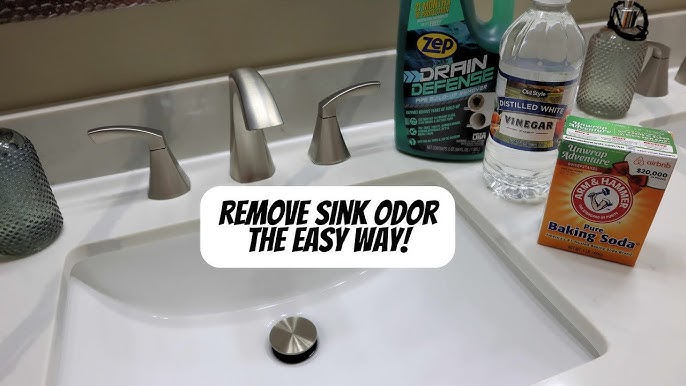
Image Source: i.ytimg.com
Why Does My Kitchen Sink Smell?
Before we dive into solutions, let’s figure out why your kitchen sink might be developing those unpleasant odors. Several culprits can contribute to a stinky sink drain.
Common Causes of Kitchen Sink Smells
- Food Scraps and Debris: This is the most frequent offender. When food particles, grease, and other organic matter go down the drain, they can get stuck in the pipes and garbage disposal. Over time, these particles decompose, leading to foul odors.
- Grease and Fat Buildup: Pouring cooking grease, oils, and fats down the drain is a big no-no. These substances solidify as they cool, coating the inside of your pipes. This buildup traps food debris and creates a perfect breeding ground for bacteria that produce nasty smells.
- Mold and Mildew: Damp, dark environments are ideal for mold and mildew growth. The interior of sink pipes and the garbage disposal unit can become prime locations for these organisms, especially if there’s consistent moisture and organic matter.
- Dirty Garbage Disposal: If you have a garbage disposal, food particles can accumulate in its grinding chamber and under the rubber splash guard. This trapped food waste can quickly turn rancid and emit strong odors.
- Trapped Sewer Gases: The “P-trap” is the curved pipe under your sink. It’s designed to hold water, which acts as a barrier against sewer gases from rising into your home. If the trap is dry or clogged, these gases can escape, causing a sewage-like smell.
- Hard Water Deposits: In areas with hard water, mineral deposits can build up inside the pipes. These deposits can trap grime and create rough surfaces where odors can develop.
- Clogged Drains: A partially or fully clogged sink prevents water from draining properly. Stagnant water and trapped debris are prime sources of odors. Sometimes, you need to unclog sink and remove odor together.
Natural & Easy Solutions to Freshen Your Kitchen Sink
Now that we know what causes the stink, let’s explore effective ways to eliminate sink odors naturally. These methods are budget-friendly, safe for your plumbing, and good for the environment.
1. The Baking Soda and Vinegar Power Duo
This is a classic for a reason. Baking soda is a natural abrasive and deodorizer, while vinegar is a mild acid that can break down grime and kill bacteria.
How to Use Baking Soda and Vinegar
- Pour Baking Soda: Start by pouring about ½ cup to 1 cup of baking soda directly down the sink drain. Try to get it to coat the sides as much as possible.
- Add Vinegar: Follow with an equal amount of white vinegar. You’ll see and hear a fizzing reaction. This is the cleaning in action!
- Cover and Wait: Cover the drain with a stopper or a wet cloth to keep the reaction contained within the pipes. Let it sit for at least 15-30 minutes, or even an hour for tougher odors.
- Flush with Hot Water: After waiting, remove the stopper and flush the drain thoroughly with plenty of very hot water.
This method is excellent for regular kitchen sink maintenance and can help deodorize your sink effectively. It’s one of the best natural sink odor removal techniques.
2. Boiling Water Flush
Sometimes, all you need is a good flush to clear out lingering smells. Boiling water can melt away grease and help dislodge minor blockages.
How to Do a Boiling Water Flush
- Boil Water: Boil a kettle or pot full of water.
- Pour Slowly: Carefully pour the boiling water down the drain in stages. Don’t pour it all at once, especially if you have PVC pipes, as extreme heat over a prolonged period could potentially cause damage. A steady, slow pour is best.
- Repeat if Necessary: You might need to do this a couple of times for stubborn grease buildup.
This is a quick way to freshen your kitchen sink, especially after greasy meals.
3. Lemon or Citrus Peels
Citrus peels are fantastic for leaving a fresh scent and can help cut through grease.
Using Citrus Peels
- Collect Peels: Save peels from lemons, oranges, or grapefruits.
- Grind Them Up: If you have a garbage disposal, cut the peels into smaller pieces and feed them into the disposal with cold water running. Grind them thoroughly.
- For Drains Without Disposals: You can boil the peels in water, let it cool slightly, and then pour the citrus-infused water down the drain. Alternatively, chop the peels finely and run them through the disposal if you have one.
This is a delightful way to freshen your kitchen sink and tackle minor odors.
4. Coffee Grounds for Deodorizing
Used coffee grounds can act as a mild abrasive and a natural deodorizer.
How to Use Coffee Grounds
- Collect Grounds: Save used coffee grounds. Make sure they are not excessively wet.
- Pour Down Drain: Pour about ½ cup of dried coffee grounds directly into the drain.
- Flush with Water: Follow with cold water to flush them through the pipes.
Be mindful that excessive amounts of coffee grounds can contribute to clogs, so use this method sparingly. It’s more of a deodorizing agent than a cleaning one.
5. Salt and Ice Cubes (for Garbage Disposals)
This method is specifically for garbage disposals and helps clean and sharpen the blades while deodorizing.
Using Salt and Ice
- Add Ice: Fill your garbage disposal with ice cubes.
- Add Salt: Sprinkle about ½ cup of coarse salt over the ice.
- Turn On Disposal: Turn on the cold water and run the garbage disposal until the ice and salt are completely ground up.
The ice helps scrub the disposal’s interior, the salt aids in cleaning and deodorizing, and the cold water helps flush everything away.
Tackling Stubborn Odors and Clogs
If the natural methods above don’t fully resolve the issue, you might be dealing with a more significant buildup or a partial clog.
1. Unclog Sink and Remove Odor with Baking Soda and Salt
This combination is powerful for both clearing minor clogs and deodorizing.
The Baking Soda and Salt Method
- Mix: Combine ½ cup of baking soda with ½ cup of salt.
- Pour: Pour the mixture down the drain.
- Wait: Let it sit for at least 30 minutes, or even several hours for tougher clogs.
- Flush: Flush with boiling water.
This is a great strategy when you need to unclog sink and remove odor simultaneously.
2. Using Hydrogen Peroxide
Hydrogen peroxide is a mild disinfectant and can help kill odor-causing bacteria.
How to Use Hydrogen Peroxide
- Pour: Pour about ½ cup of 3% hydrogen peroxide down the drain.
- Wait: Let it sit for about 10-15 minutes.
- Flush: Flush with cold water.
You can also combine hydrogen peroxide with baking soda for an extra cleaning boost.
3. Enzymatic Drain Cleaners
These are a fantastic natural alternative to harsh chemical drain cleaners. Enzymatic cleaners use bacteria and enzymes to break down organic waste like grease, food particles, and hair.
Why Use Enzymatic Cleaners?
- Safe for Pipes: They are gentle on all types of plumbing, including PVC pipes.
- Effective on Organic Waste: They specifically target the Gunk that causes odors and clogs.
- Environmentally Friendly: They are biodegradable and don’t contain harsh chemicals.
How to Use Enzymatic Drain Cleaners
- Follow Product Instructions: Each product is slightly different, but generally, you pour a specific amount down the drain, usually at night when water usage is low.
- Allow Time to Work: The enzymes need time to break down the waste.
- Flush: Flush with water in the morning.
These are excellent for regular kitchen sink maintenance and preventative care.
Plumbing Odor Solutions: Addressing the Root Cause
Sometimes, the smell isn’t just about debris in the drain. It could be related to your plumbing system itself.
Checking the P-Trap
The P-trap is crucial for blocking sewer gases. If you suspect this is the issue, here’s what to do:
Inspecting the P-Trap
- Locate the P-Trap: This is the U-shaped pipe directly under your sink.
- Check for Water: Ensure there is water in the trap. If it’s dry, it means no water has been used in that sink for a while, or there’s a ventilation issue causing the water to siphon out. Running water will refill it.
- Clean if Necessary: If you see a lot of gunk or debris buildup in the visible part of the P-trap, you might need to disconnect it (with a bucket underneath to catch water) and clean it out thoroughly. This is usually a more involved process and might require tools. If you’re uncomfortable with this, call a plumber.
Garbage Disposal Maintenance
A dirty garbage disposal is a common source of persistent kitchen sink smells.
Deep Cleaning Your Garbage Disposal
- Safety First: Ensure the power to the disposal is turned OFF at the breaker box before you start.
- Remove Debris: Use tongs or pliers to remove any visible large food particles or foreign objects. Never put your hand inside.
- Scrub the Splash Guard: This rubbery flap at the top often harbors food particles and mold. Use an old toothbrush and some soapy water or a mixture of vinegar and baking soda to scrub it clean. Rinse thoroughly.
- Grind Ice and Salt: As mentioned before, grinding ice and salt is a good way to scrub the interior.
- Baking Soda and Vinegar Treatment: Pour ½ cup of baking soda into the disposal, followed by ½ cup of vinegar. Let it fizz for 15 minutes, then flush with cold water while running the disposal.
- Citrus Power: Grinding citrus peels (lemon, lime, orange) is a great way to deodorize and clean.
Regular cleaning of your garbage disposal is key to preventing odors.
Preventative Measures for a Fresh Sink
The best way to deal with a smelly sink is to prevent odors from forming in the first place. Good kitchen sink maintenance goes a long way.
What NOT to Put Down Your Sink
- Grease, Oil, and Fat: Always dispose of these in the trash or a dedicated grease container.
- Coffee Grounds and Eggshells: While sometimes touted as natural cleaners, they can build up and contribute to clogs and odors over time. Dispose of them in the trash or compost.
- Fibrous Vegetables: Celery, corn husks, artichokes, and asparagus can wrap around disposal blades and create clogs.
- Starchy Foods: Pasta, rice, and potato peels can expand with water and clog pipes.
- Hard Bones and Fruit Pits: These are too hard for most garbage disposals to grind effectively.
- Chemicals and Bleach: Avoid pouring harsh chemicals down the drain, as they can damage pipes and are harmful to the environment.
Regular Cleaning Habits
- Flush with Hot Water Daily: After using the sink, especially after washing greasy dishes, run hot water for about 30 seconds to help flush away residual debris.
- Monthly Deodorizing Treatment: Perform the baking soda and vinegar treatment at least once a month as part of your kitchen sink maintenance routine.
- Clean the Sink Itself: Don’t forget the sink basin. Wipe it down regularly to prevent food particles from drying and entering the drain.
- Check Strainer: Clean the sink strainer regularly. Food debris often gets trapped here.
Frequently Asked Questions (FAQ)
Q1: How often should I clean my kitchen sink drain to prevent odors?
A1: For regular maintenance and to prevent odors, performing a baking soda and vinegar treatment once a month is a good practice. If you notice any slight smell, you can do it more frequently.
Q2: Can I use bleach to clean my kitchen sink drain?
A2: While bleach can kill bacteria, it’s generally not recommended for regular drain cleaning. It can be harsh on pipes and is not as effective at breaking down organic matter as other methods. Plus, it can create dangerous fumes if mixed with other cleaners, especially ammonia or vinegar. Natural methods are safer and often more effective for odor removal.
Q3: My garbage disposal smells. What’s the best way to fix it?
A3: For garbage disposal odors, try grinding citrus peels (like lemon or orange) with cold water. Alternatively, use the ice and salt method or a baking soda and vinegar treatment. Ensure you always run cold water when using the disposal.
Q4: Is it safe to pour boiling water down my drain?
A4: Yes, pouring boiling water down your drain is generally safe and effective for melting grease and flushing out debris. However, if you have older PVC pipes, it’s best to pour the boiling water slowly and in stages rather than all at once to avoid potential softening or warping.
Q5: What if none of these natural methods work?
A5: If you’ve tried several natural solutions and the odor persists, or if you suspect a deeper clog or plumbing issue, it’s time to call a professional plumber. They can diagnose and fix more complex problems that natural methods can’t address.
By incorporating these natural and easy solutions into your routine, you can effectively remove odor from your kitchen sink fast and keep it smelling fresh, contributing to a cleaner and more pleasant kitchen environment. Good kitchen sink maintenance is key to avoiding these smelly problems.