
Does your kitchen sink emit an unpleasant odor that lingers long after you’ve finished washing dishes? You’re not alone! The question of how to remove bad smell from kitchen sink is a common one, and thankfully, there are many effective ways to tackle it. Can you use baking soda and vinegar to clean your kitchen sink? Absolutely! This classic combination is a fantastic natural sink cleaner that can help deodorize your kitchen drain and eliminate sink odor.
A smelly drain can be more than just a nuisance; it can be a sign of buildup and potential blockages. In this comprehensive guide, we’ll delve into various methods to eliminate sink odor, deodorize kitchen drain effectively, and keep your kitchen smelling fresh. We’ll cover everything from quick fixes to deeper drain cleaning techniques, helping you prevent sink smell from returning.
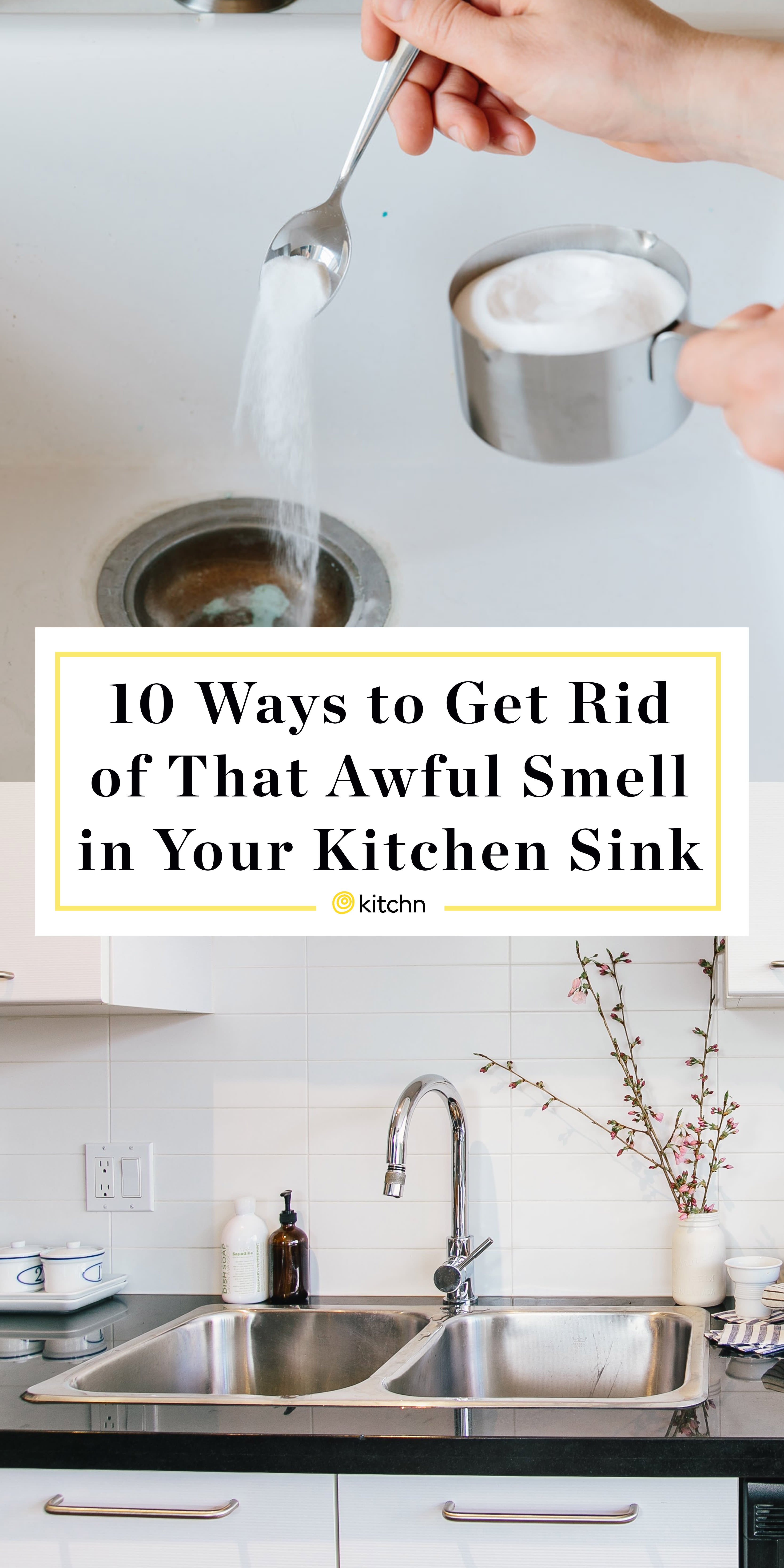
Image Source: cdn.apartmenttherapy.info
The Root Causes of a Smelly Kitchen Sink
Before we jump into solutions, let’s explore why kitchen sinks become smelly in the first place. Grasping these causes is key to prevention.
- Food Scraps and Grease Buildup: This is the most common culprit. When food particles, especially greasy ones, go down the drain, they don’t always wash away completely. They cling to the inside of your pipes, forming a sticky film. Bacteria love to feast on this organic matter, and as they break it down, they release foul-smelling gases.
- Sump Pump Issues (if applicable): If you have a sump pump connected to your kitchen drain, a malfunctioning or dirty sump pump can also contribute to odors.
- Lack of Regular Cleaning: Like any part of your kitchen, your sink and drain need regular cleaning to prevent odor buildup.
- Hard Water Deposits: In areas with hard water, mineral deposits can accumulate in the pipes, providing more surfaces for bacteria and grime to cling to.
- Garbage Disposal Problems: If you have a garbage disposal, food debris can get trapped in its blades and housing, creating a breeding ground for bacteria and a source of odor. Sink disposal cleaning is crucial if you use one.
- Trapped Air: Sometimes, the P-trap (the U-shaped pipe under your sink) can trap sewer gases if it dries out or if there’s an issue with your plumbing’s ventilation.
Fast Fixes to Eliminate Sink Odor
When you need a quick solution to eliminate sink odor, these methods are your go-to. They work by neutralizing odor-causing agents and often have a mild cleaning effect.
1. The Classic Baking Soda and Vinegar Combo
This is arguably the most popular and effective natural sink cleaner. It’s gentle, safe, and readily available.
How it works:
Baking soda is alkaline and abrasive, helping to scrub away buildup. Vinegar is acidic and helps to dissolve grease and kill bacteria. When combined, they create a fizzy reaction that helps loosen debris from the pipe walls.
Steps:
- Pour Baking Soda: Start by pouring about half a cup to a full cup of baking soda directly down the drain.
- Add Vinegar: Slowly pour about a cup of white vinegar over the baking soda. You’ll hear and see a fizzing reaction.
- Let it Sit: Cover the drain opening (a drain stopper or a damp cloth works well) to keep the reaction contained within the pipes. Let it sit for at least 15-30 minutes, or even longer for tougher odors.
- Flush with Hot Water: After the waiting period, pour a kettle of boiling or very hot water down the drain to flush away the loosened debris and neutralize any remaining odors.
This is a great way to deodorize kitchen drain and is a fundamental step in prevent sink smell.
2. Boiling Water Flush
Sometimes, all it takes is a good hot water flush to clear out minor grease and debris that might be causing a mild odor.
Steps:
- Boil Water: Bring a kettle or pot of water to a rolling boil.
- Pour Slowly: Carefully pour the boiling water directly down the drain. Do this in stages, allowing the hot water to work its way down the pipes.
- Repeat if Necessary: For persistent odors, you can repeat this process a couple of times.
Caution: While effective, avoid this method if you have very old or fragile PVC pipes, as extreme heat could potentially damage them. For most modern plumbing, it’s safe.
3. Citrus Peels Power
Citrus peels are fantastic for adding a fresh scent and contain natural oils that can help break down grease.
How it works: The oils in citrus peels have degreasing properties, and their fragrant nature helps to refresh kitchen sink and mask any lingering odors.
Steps:
- Collect Peels: Save peels from lemons, oranges, or grapefruits.
- Grind or Blend: Cut the peels into smaller pieces. You can either chop them finely or toss them into a blender with a little water to create a pulp.
- Run Through Disposal (if you have one): If you have a garbage disposal, feed the citrus peel pieces through it. Run cold water while doing so.
- Alternative (No Disposal): If you don’t have a disposal, you can place the chopped peels in a pot of water, bring it to a boil, and let it simmer for about 15-20 minutes. The steam will help deodorize kitchen drain and your kitchen.
4. Salt and Ice Cubes
This method is particularly useful if you have a garbage disposal and want to deodorize kitchen drain while also cleaning the disposal blades.
How it works: The ice cubes act as an abrasive, helping to scrape away buildup from the disposal blades. The salt adds further abrasive power and can help absorb some odors.
Steps:
- Ice Cubes: Fill your garbage disposal with ice cubes.
- Add Salt: Pour about half a cup of coarse salt (like kosher salt or rock salt) over the ice cubes.
- Run Disposal: Turn on the cold water and run your garbage disposal. The ice and salt will grind together, cleaning the disposal’s interior.
- Flush: Once done, flush with plenty of cold water.
This is a direct way to achieve sink disposal cleaning and refresh kitchen sink area.
Deeper Drain Cleaning for Persistent Smells
If quick fixes don’t do the trick, or if you suspect more significant buildup, it’s time for some more intensive drain cleaning. These methods aim to tackle the gunk clinging to your pipes.
5. The Power of Baking Soda and Salt
A slightly more potent version of the baking soda and vinegar method, adding salt can increase the abrasive power.
How it works: Salt, especially coarse salt, acts as a powerful scrubbing agent, helping to dislodge stubborn grime.
Steps:
- Mix: Combine half a cup of baking soda, half a cup of salt, and a quarter cup of cream of tartar (optional, but it adds extra cleaning power).
- Pour: Pour this dry mixture down the drain.
- Let Sit: Allow the mixture to sit for at least 30 minutes, or preferably overnight, for maximum effect.
- Flush: Flush thoroughly with very hot water or boiling water.
This is a fantastic smelly drain solution that goes beyond surface-level cleaning.
6. Hydrogen Peroxide for Disinfection
Hydrogen peroxide is a mild disinfectant and can help kill odor-causing bacteria.
How it works: Hydrogen peroxide releases oxygen when it breaks down, which helps to oxidize and break apart grime and kill microorganisms.
Steps:
- Pour: Pour about half a cup of 3% hydrogen peroxide directly down the drain.
- Let Sit: Let it sit for about 30 minutes.
- Flush: Flush with cold water.
This can be a good alternative to chemical drain cleaners if you’re looking for a less harsh disinfectant.
7. Dish Soap and Hot Water Deep Clean
Dish soap is designed to cut through grease, making it an excellent tool for drain cleaning.
How it works: Dish soap emulsifies grease, breaking it down into smaller particles that can be washed away more easily.
Steps:
- Pour Dish Soap: Squirt a generous amount of liquid dish soap (about a quarter cup) down the drain.
- Follow with Hot Water: Immediately follow with a kettle of very hot, but not boiling, water.
- Let it Work: Let the mixture sit for about 15-20 minutes.
- Flush: Flush with more hot water.
This is a good way to prevent sink smell from grease buildup.
Tackling Sink Disposal Cleaning
If your kitchen sink has a garbage disposal, it’s a common source of odors if not maintained. Proper sink disposal cleaning is essential to eliminate sink odor.
Cleaning the Disposal Blades and Housing
Food particles, especially fibrous vegetables, can get stuck in the disposal’s blades and grinding chamber.
Method:
- Safety First: NEVER put your hand into a garbage disposal.
- Turn Off Power: Ensure the disposal is turned OFF at the switch and unplugged from the power source for safety.
- Baking Soda and Vinegar: Pour about half a cup of baking soda into the disposal, followed by half a cup of vinegar. Let it fizz for 10-15 minutes.
- Scrubbing (Optional): Use a stiff brush or an old toothbrush to scrub the rubber splash guard at the opening of the disposal. This is a prime spot for gunk and odor.
- Flush: Remove any debris you can reach with tongs or pliers. Then, turn the power back on, run cold water, and run the disposal for a minute to flush everything out.
Using Disposal Cleaning Tablets
There are commercial disposal cleaning tablets available that are designed to clean and deodorize kitchen drain. Follow the manufacturer’s instructions for use.
Unclogging Sink and Smelly Drains
Sometimes, the smell is exacerbated by a slow drain or a partial clog. Addressing this is part of effective drain cleaning and will help prevent sink smell.
Mechanical Methods for Unclogging Sink
When you have a clog, it’s time for some hands-on approaches.
-
Plunger:
- Fill the sink with a few inches of water.
- Ensure the plunger creates a good seal over the drain.
- Pump the plunger vigorously up and down several times.
- Break the seal by lifting the plunger quickly.
- Repeat until the clog is cleared.
-
Drain Snake (Auger):
- Feed the snake down the drain.
- When you hit resistance, crank the handle to break up or hook the clog.
- Slowly pull the snake back out, bringing the clog with it.
Natural Unclogging Solutions
Sometimes, the baking soda and vinegar method, when repeated or left overnight, can help loosen minor clogs.
- Baking Soda, Vinegar, and Boiling Water: Pour half a cup of baking soda, followed by a cup of vinegar. Let it fizz for 30 minutes, then flush with boiling water. Repeat this process a few times for stubborn clogs. This acts as both a cleaner and can help break down softer clogs.
Preventing Sink Smell: Long-Term Solutions
The best way to deal with a smelly sink is to prevent the odor from developing in the first place. Proactive measures are key to a continuously fresh kitchen.
Regular Cleaning Habits
- Daily Rinse: After each use, rinse the sink and drain opening with plenty of hot water to wash away food particles and grease.
- Weekly Deep Clean: Make it a habit to use one of the natural sink cleaner methods (like baking soda and vinegar) at least once a week to maintain a clean drain.
- Wipe Down: Regularly wipe down the sink basin and faucet to prevent buildup.
Smart Garbage Disposal Use
- Avoid Fibrous Foods: Don’t put fibrous vegetables like celery or asparagus down the disposal, as they can wrap around the blades and cause clogs.
- Avoid Grease and Oil: Never pour grease, oil, or fat down the drain, even with a disposal. They solidify in pipes and cause major buildup.
- Run Cold Water: Always run cold water when using the disposal, and let it run for about 15-20 seconds after you finish grinding to ensure everything is flushed through.
- Periodic Cleaning: Regularly use the sink disposal cleaning methods described earlier.
What NOT to Pour Down the Drain
Avoiding certain items is crucial for prevent sink smell and blockages.
- Fats, Oils, and Grease: As mentioned, these are major culprits for buildup.
- Coffee Grounds: While they seem small, coffee grounds can clump together and create blockages.
- Eggshells: The membrane inside eggshells can stick to pipes, and the shell fragments can accumulate.
- Flour and Starchy Foods: These can form a paste-like consistency when wet, leading to clogs.
- Pasta and Rice: These expand with water, increasing the risk of clogs.
- Harsh Chemical Drain Cleaners: While they might offer a quick fix for a clog, they can damage pipes over time and are harmful to the environment. They often don’t address the underlying bacterial growth causing smells, and can even react negatively with other substances in the pipes, creating dangerous fumes.
Using Natural Deodorizers
You can also use natural items to keep your drain smelling pleasant.
- Essential Oils: A few drops of lemon, tea tree, or eucalyptus oil down the drain can help deodorize kitchen drain and provide a pleasant scent. Follow with a hot water flush.
- Herbs: Dropping a few sprigs of mint or rosemary down the drain can leave a fresh aroma.
Troubleshooting Persistent Smells
If you’ve tried several methods and the smell persists, it might be time to consider other issues.
- P-Trap Issues: The P-trap is designed to hold water, creating a seal against sewer gases. If it’s not holding water (e.g., due to an improper installation or a loose connection), sewer gas can enter your kitchen. Check for leaks or signs of damage. Sometimes, just running water for a minute can refill the trap.
- Vent Pipe Blockage: Your plumbing system has vent pipes that allow air to enter the system, preventing a vacuum and helping gases escape properly. If a vent pipe is blocked (often by leaves or debris on the roof), it can cause unusual drain smells. This usually requires professional inspection.
- Grout and Sealant Issues: Sometimes, odors can be trapped in porous grout or sealant around your sink. Thoroughly cleaning these areas might help.
Frequently Asked Questions (FAQ)
Q1: How often should I clean my kitchen sink drain?
A: For regular maintenance, a quick baking soda and vinegar flush once a week is ideal. If you notice a slight odor or slow draining, you might need to do it more often or try a deeper cleaning method.
Q2: Can I use bleach to clean my kitchen sink drain?
A: While bleach can kill bacteria, it’s not the best long-term solution for a smelly drain. It can be harsh on pipes and doesn’t effectively break down grease and food buildup. Plus, never mix bleach with vinegar or other cleaners, as this can create toxic fumes. Natural methods are generally preferred for both effectiveness and safety.
Q3: My garbage disposal smells, what’s the best way to fix it?
A: For sink disposal cleaning, try running ice cubes and coarse salt through it, or use the baking soda and vinegar method. Citrus peels are also excellent for deodorizing. Regular cleaning is key to preventing these smells.
Q4: What is the best natural sink cleaner?
A: The combination of baking soda and vinegar is widely considered one of the best natural sink cleaner options due to its effectiveness in cleaning, deodorizing, and its availability.
Q5: What if these methods don’t unclog my sink?
A: If you’ve tried multiple drain cleaning methods and the sink remains clogged, you may have a more significant blockage further down the pipe. In this case, it’s best to call a plumber or use a mechanical unclogging sink tool like a drain snake.
Q6: How can I prevent sink smell in the future?
A: To prevent sink smell, establish a routine of regular cleaning, avoid pouring grease and certain food scraps down the drain, and use your garbage disposal correctly. Consistent maintenance is the most effective strategy.
By understanding the causes and employing these effective methods, you can successfully eliminate sink odor and maintain a fresh, clean kitchen sink. Whether you need a quick fix or a deeper clean, these tips will help you refresh kitchen sink and tackle any smelly drain solution challenges.