
Can you install a kitchen sink drain yourself? Yes, with the right tools and a bit of patience, you can absolutely install a kitchen sink drain yourself. This guide will walk you through the entire process, from gathering your materials to the final leak check. Installing a kitchen sink drain is a fundamental part of kitchen sink installation and a valuable skill for any homeowner looking to tackle DIY sink repair or upgrades.
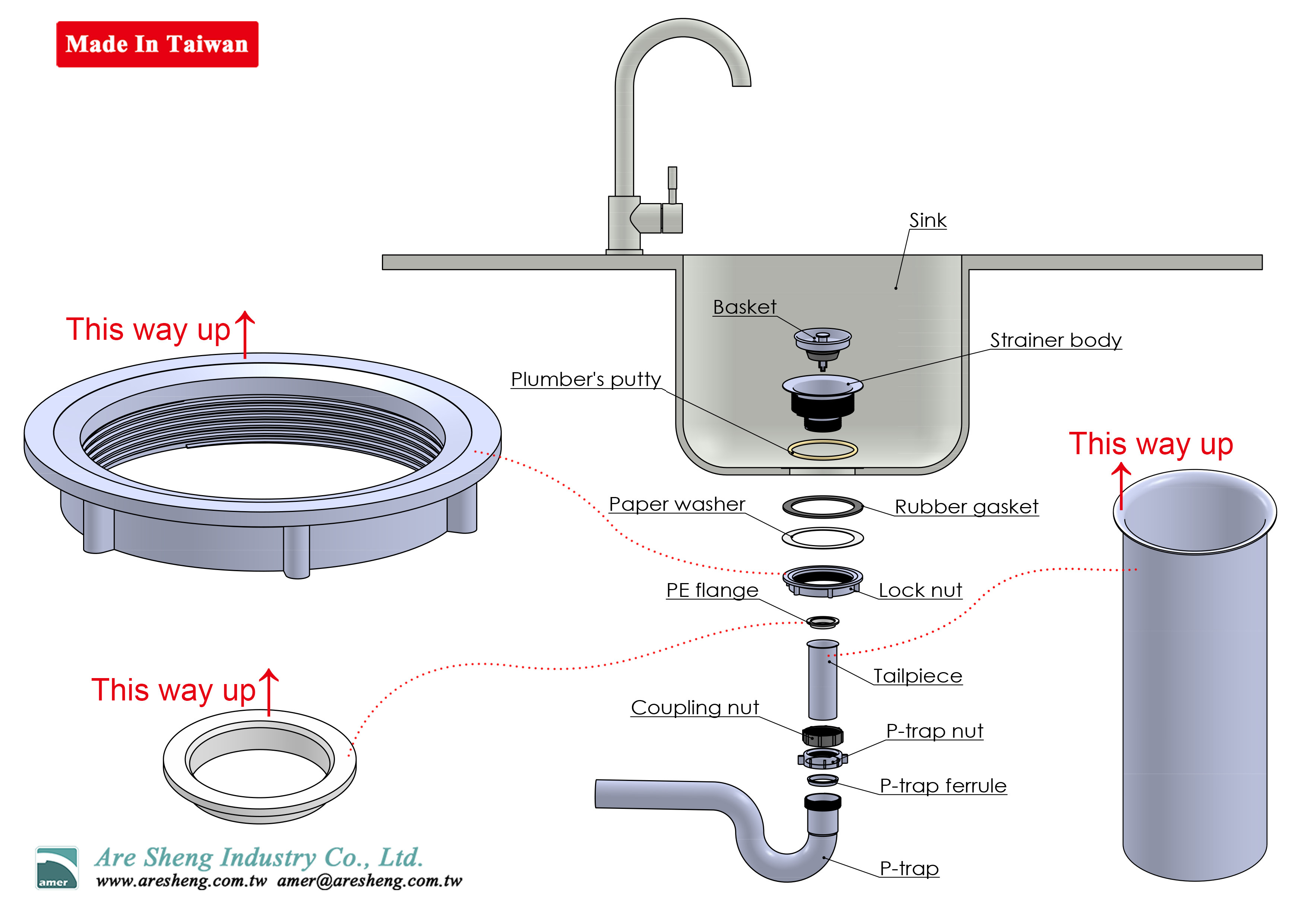
Image Source: www.aresheng.com.tw
What You’ll Need: Tools and Materials
Before you start, make sure you have all the necessary tools and materials on hand. This will save you time and frustration later.
Essential Tools:
- Adjustable wrench (or two)
- Plumber’s putty or silicone sealant
- Pipe wrench
- Screwdriver (Phillips and flathead)
- Bucket
- Rag or old towels
- Utility knife or PVC pipe cutter
- Measuring tape
- Safety glasses
- Gloves (optional)
- Flashlight or headlamp
Essential Materials:
- Kitchen sink strainer assembly (includes strainer body, locknut, and rubber gasket)
- Tailpiece (the pipe that extends from the strainer body)
- Slip-joint nuts and washers (usually come with tailpiece or P-trap kit)
- P-trap kit (includes P-trap, trap arm, and trap arm extension if needed)
- PVC primer and cement (if using PVC pipes)
- Galvanized pipe fittings and pipe dope/Teflon tape (if using galvanized pipes)
Step-by-Step Guide to Installing Your Kitchen Sink Drain
This guide covers the most common drain configurations. We’ll touch on variations, especially concerning garbage disposal installation.
Step 1: Prepare the Sink and Existing Plumbing
First, clear out everything from the cabinet under your sink. Place a bucket and some rags or towels directly under the existing drain assembly. This will catch any residual water.
Removing the Old Drain Assembly:
If you’re replacing an old drain, you’ll need to disconnect it.
- Loosen the Slip-Joint Nuts: Use your adjustable wrench to loosen the slip-joint nuts connecting the P-trap to the tailpiece and the wall drainpipe. Turn the nuts counter-clockwise. Be prepared for a small amount of water to drain into the bucket.
- Remove the P-trap: Once the nuts are loose, the P-trap should come apart. You might need to wiggle it a bit.
- Disconnect the Tailpiece: Loosen the slip-joint nut connecting the tailpiece to the sink strainer. Remove the tailpiece.
- Remove the Sink Strainer: Inside the sink bowl, you’ll see the sink strainer.
- With Plumber’s Putty: If it was installed with plumber’s putty, you might need to use a putty knife to gently pry around the edge of the strainer.
- With a Locknut: From underneath, find the large locknut that holds the strainer in place. Use a large adjustable wrench or channel locks to loosen and remove this locknut. The strainer should then push out from the top.
Step 2: Install the New Sink Strainer
This is the part that sits directly in your sink drain opening and seals it off.
Assembling the Strainer:
Most sink strainers come in a few parts: the strainer body, a rubber gasket, a friction ring or metal washer, and a large locknut.
- Apply Sealant: Roll a generous rope of plumber’s putty (about 1/2 inch thick) and press it into the underside of the flange of the new sink strainer. If you are installing on a stainless steel sink with a very thin rim or if the manufacturer specifically recommends silicone, use a bead of silicone sealant instead. Plumber’s putty is generally preferred for its ease of use and removability.
- Insert the Strainer: Push the strainer body down into the drain opening in the sink from the top. The putty or silicone will create a watertight seal.
- Secure from Below: From underneath the sink, slide the rubber gasket onto the threaded shank of the strainer body. Follow this with the friction ring or metal washer, and then thread the large locknut onto the shank.
- Tighten the Locknut: Use your adjustable wrench to tighten the locknut. As you tighten, the putty or silicone will squeeze out around the flange inside the sink bowl.
- Clean Excess Sealant: Go back to the sink bowl and use your finger or a damp cloth to wipe away the excess plumber’s putty or silicone. This is crucial for a clean finish and proper sealing drain functionality. Make sure the strainer is centered.
Step 3: Connect the Tailpiece
The tailpiece is the straight pipe that extends down from the strainer.
- Prepare the Tailpiece: If your tailpiece is too long, measure and cut it to the appropriate length using a PVC cutter or utility knife. You want it to extend just far enough to connect to the P-trap.
- Attach to Strainer: Slide a slip-joint nut and then a washer onto the tailpiece. The flat side of the washer should face the strainer body.
- Connect and Tighten: Insert the tailpiece into the bottom of the sink strainer body. Thread the slip-joint nut onto the strainer body. Hand-tighten first, then use your adjustable wrench to give it another half-turn. Don’t overtighten, as this can crack plastic fittings.
Garbage Disposal Installation Note:
If you are installing a garbage disposal, the process here is slightly different. The garbage disposal unit itself acts as the drain receiver. You will attach the disposal directly to the sink strainer assembly instead of a tailpiece. Follow the manufacturer’s instructions for mounting the disposal to the sink flange. The rest of the drain connections will then attach to the disposal’s discharge pipe.
Step 4: Install the P-Trap and Connect to the Drain Pipe
The P-trap is essential for preventing sewer gases from entering your home. It’s designed to hold a small amount of water, creating a barrier.
Assembling the P-Trap:
A standard P-trap kit usually includes the U-shaped trap and a trap arm that connects to the wall drainpipe.
- Assemble the P-Trap: Slip a washer and a slip-joint nut onto each end of the U-shaped trap piece. Also, place a washer and slip-joint nut onto the end of the trap arm that will connect to the P-trap.
- Connect Trap Arm to Wall Drain: Slide the other end of the trap arm onto the drainpipe coming out of the wall. If it’s a PVC connection, you might need a rubber gasket and a specific fitting. For threaded pipes, use pipe dope or Teflon tape on the threads and screw the trap arm into the fitting. Hand-tighten and then snug with a wrench.
- Connect P-Trap to Tailpiece: Align the P-trap with the tailpiece coming from the sink strainer. Thread the slip-joint nut onto the tailpiece. Hand-tighten.
- Connect P-Trap to Trap Arm: Connect the other end of the P-trap to the trap arm. Thread the slip-joint nut onto the trap arm. Hand-tighten.
- Adjust and Align: You may need to adjust the position of the P-trap and trap arm slightly to ensure everything is aligned properly. This is where a pipe wrench might be helpful for making small adjustments to the trap arm if it’s threaded. Ensure there are no kinks in the pipes.
- Tighten All Connections: Once everything is aligned, use your adjustable wrench to tighten all the slip-joint nuts. Again, snug is good; overtightening can damage the plastic. The goal here is a secure fit that aids in leak prevention.
Step 5: Test for Leaks
This is the most critical step to ensure your DIY sink repair or installation is successful.
- Fill the Sink: Fill your kitchen sink with water. If you have a double sink, fill both basins.
- Drain the Sink: Once the sink is full, pull the stoppers and let the water drain.
- Inspect All Connections: While the water is draining, get under the sink with your flashlight. Carefully inspect every joint and connection:
- Where the strainer meets the sink bowl.
- Where the tailpiece connects to the strainer.
- All the slip-joint nuts on the P-trap and trap arm.
- Where the trap arm connects to the wall drainpipe.
- Look for Drips: Even the smallest drip can indicate a problem. Use a dry rag or paper towel to wipe each connection. If the rag becomes wet, you’ve found a leak.
- Tighten or Re-seal: If you find a leak, try gently tightening the offending slip-joint nut a bit more. If it still leaks, you may need to disassemble that joint, check the washer for damage or improper seating, and re-tighten. If the leak is at the strainer body, you might need to remove the strainer and re-apply plumber’s putty or silicone sealant.
Troubleshooting Leaks:
- Loose Nut: The most common cause of leaks is a loose slip-joint nut.
- Damaged Washer: The plastic or rubber washer inside the slip-joint connection might be cracked, brittle, or not seated correctly. Replace it if it looks worn.
- Improper Sealing: Plumber’s putty or silicone might not have been applied correctly around the sink strainer.
- Cracked Fitting: Though less common, a plastic fitting could have a hairline crack. Inspect carefully.
Step 6: Final Checks and Clean-Up
Once you’ve confirmed there are no leaks, take a moment to admire your work!
- Run Hot Water: Run hot water down the drain for a minute or two to flush out any remaining debris and test the system further.
- Organize Under the Sink: Arrange your plumbing under sink neatly. Ensure pipes aren’t rubbing against anything and are properly supported.
- Dispose of Old Parts: Properly dispose of any old pipes and fittings.
Important Considerations for Your Drain Installation
Knowing the basics of kitchen plumbing basics is key to a successful DIY project.
Pipe Materials: PVC vs. Metal
Modern kitchen sink drains are most commonly made of PVC (polyvinyl chloride). PVC is lightweight, inexpensive, and easy to work with. It uses solvent cement to create strong, watertight joints. Older homes might have galvanized steel or even cast iron pipes. Working with metal pipes often requires pipe dope or Teflon tape for threaded connections and may involve more specialized tools like pipe wrenches and cutters. This guide focuses primarily on PVC, as it’s the most prevalent for DIY installations.
Type of Sink Strainer
There are a few types of sink strainers:
- Plumber’s Putty Style: This is the most common and uses plumber’s putty or silicone for sealing.
- Snap-Tight Strainers: These often have a simpler installation with a rubber gasket that snaps into place.
- Strainer Baskets: These have a removable basket for catching food debris.
Always follow the manufacturer’s instructions specific to the strainer you purchase.
Disposal Connections
When integrating a garbage disposal installation, remember that disposals create vibrations and add weight. Ensure your sink flange and mounting hardware are secure. The disposal’s discharge pipe will then connect to the P-trap assembly, often requiring a specific elbow fitting. The tailpiece from the non-disposal side of the sink will connect directly to the P-trap.
Maintaining Your Drain System
Regular maintenance helps prevent clogs and ensures the longevity of your drain pipe connection:
- Avoid Pouring Grease: Never pour grease, oil, or coffee grounds down the drain.
- Use Drain Screens: Employ sink strainer baskets to catch food particles and debris.
- Occasional Flushing: Periodically run hot water with a bit of baking soda and vinegar down the drain to help keep it clear.
Frequently Asked Questions (FAQ)
Here are some common questions homeowners have about installing a kitchen sink drain.
Q1: How tight should I make the slip-joint nuts?
A: Slip-joint nuts should be tightened until they are snug, then given an additional quarter to half turn with a wrench. Overtightening can crack plastic fittings or strip the threads, leading to leaks. The rubber or plastic washer inside creates the seal, not overtightening.
Q2: What is the purpose of the P-trap?
A: The P-trap is a U-shaped pipe that holds a small amount of water. This water acts as a seal, preventing unpleasant sewer gases from coming up through the drain and into your home. It also helps catch heavier debris, preventing it from going further into your plumbing system and causing deeper clogs.
Q3: Can I use plumber’s putty on plastic pipes?
A: Yes, plumber’s putty is generally safe to use on PVC and other plastic drain fittings. However, always check the manufacturer’s recommendations for both the strainer and the putty. Some manufacturers may suggest silicone sealant for specific applications, especially on stainless steel sinks or if you’re concerned about long-term adhesion.
Q4: My sink drain is leaking from the locknut. What should I do?
A: If the leak is from the locknut securing the strainer to the sink, the most likely culprits are an improperly seated rubber gasket or insufficient plumber’s putty/silicone sealant. You’ll need to loosen the locknut, remove the strainer, clean off the old sealant, reapply a new rope of plumber’s putty or a bead of silicone around the strainer flange, and then re-tighten the locknut, ensuring the gasket is seated correctly.
Q5: How do I connect the drain if I have a garbage disposal?
A: When installing a garbage disposal, the disposal unit itself replaces the standard sink strainer tailpiece. You’ll install the disposal’s mounting flange into the sink drain opening, using plumber’s putty or the included gasket. The disposal unit attaches to this flange. The P-trap will then connect to the discharge pipe on the side of the garbage disposal, rather than directly to a tailpiece from the sink.
Q6: What are the signs of a proper drain pipe connection?
A: A proper drain pipe connection will be secure, with all nuts tightened appropriately. Visually, there should be no gaps at the joints, and no visible water or moisture seeping out. When tested, there should be absolutely no drips or leaks at any of the connected points.
By following these steps and paying close attention to detail, you can successfully install your kitchen sink drain and ensure a watertight, functional plumbing system. Happy DIYing!