
Does your kitchen sink have an unpleasant odor? You’re not alone! A lingering smell from the kitchen sink is a common problem. The good news is that you can eliminate sink odor using simple, natural methods. This guide will walk you through how to make your kitchen sink smell better, covering everything from regular maintenance to tackling tough smells.
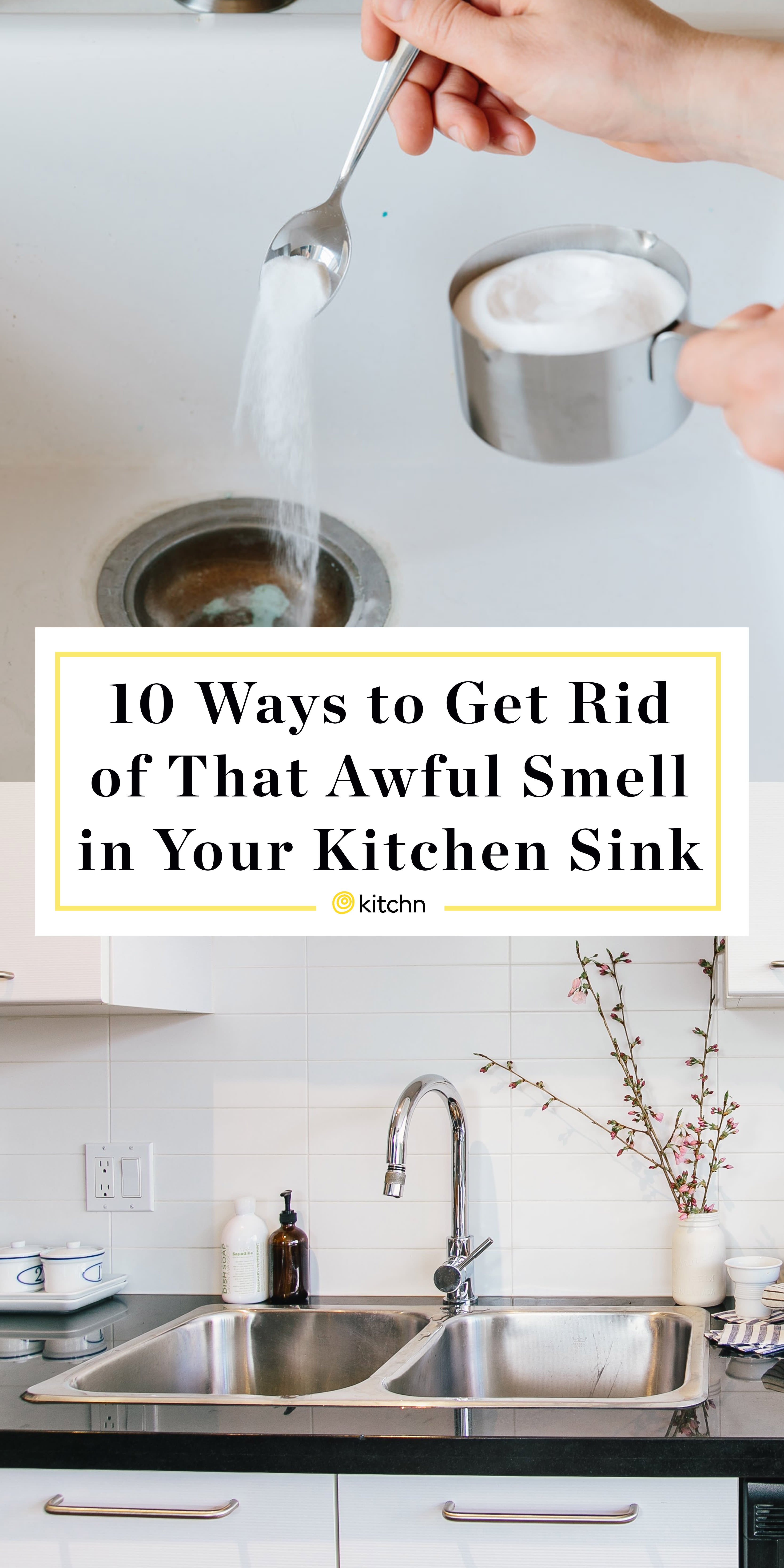
Image Source: cdn.apartmenttherapy.info
Why Does Your Kitchen Sink Smell?
Before we dive into solutions, let’s understand what causes that unwelcome aroma. The primary culprits are usually built-up food particles, grease, and bacteria lurking in the drain and pipes.
Food Debris and Grease Buildup
When you wash dishes, small pieces of food and grease inevitably go down the drain. Even with a garbage disposal, some residue can stick to the pipes and the disposal itself. This organic matter starts to break down, creating a foul smell.
Bacterial Growth
Moisture and food particles create a perfect breeding ground for bacteria. These microorganisms consume the leftover food and produce gases that have a distinct, often unpleasant, odor.
Garbage Disposal Issues
A garbage disposal, while helpful, can also contribute to smells if not cleaned regularly. Food scraps can get stuck in the grinding chamber, under the splash guard, or in the rubber flange, leading to a persistent odor.
Improper Sink Usage
Pouring certain things down the drain can worsen smells:
- Grease and Oils: These solidify in pipes, trapping food and encouraging bacterial growth.
- Coffee Grounds: They are very fine and can clump together, creating blockages.
- Eggshells: While often thought to help clean, they can create a gritty paste that traps other debris.
- Starchy Foods: Like rice and pasta, these can expand and form a sticky mass.
Natural Ways to Eliminate Sink Odor
Fortunately, you don’t need harsh chemicals to remove food smells from sink areas. Many effective solutions use common household items.
1. The Power of Baking Soda and Vinegar
This classic combination is a superhero for kitchen drain cleaning and deodorizing.
How it Works
- Baking Soda: It’s a mild abrasive and an excellent deodorizer. It absorbs odors and helps to loosen grime.
- Vinegar: This acidic liquid helps to break down grease and kill bacteria. When it reacts with baking soda, it creates a fizzy reaction that can dislodge debris from the pipes.
The Process
- Pour Baking Soda: Start by pouring about half a cup of baking soda directly down the drain.
- Add Vinegar: Follow with about one cup of white vinegar. You’ll hear and see a fizzing reaction.
- Let it Work: Cover the drain with a stopper or a damp cloth to keep the reaction contained. Let it sit for at least 30 minutes, or even an hour for tougher smells.
- Rinse: Pour a kettle of boiling water down the drain. This helps to flush away loosened debris and further disinfect the pipes.
Frequency
Repeat this process once a week to maintain a fresh-smelling sink and for regular kitchen drain cleaning.
2. Boiling Water Flush
Sometimes, a simple flush of boiling water is all you need to clear minor blockages and wash away odor-causing residue.
How it Works
The heat from the boiling water can melt away grease and kill some of the bacteria contributing to the smell.
The Process
- Boil Water: Boil a kettle or a large pot of water.
- Pour Slowly: Carefully pour the boiling water directly down the drain in stages.
- Repeat if Necessary: For stubborn smells, you might need to repeat this a couple of times.
Caution
Avoid this method if you have PVC pipes that are very old or have been damaged, as extreme heat could potentially affect them. However, for most modern plumbing, it’s a safe and effective treatment.
3. Citrus Peels: A Natural Sink Freshener
Lemon, lime, orange, and grapefruit peels are fantastic for adding a pleasant scent and helping to clean.
How it Works
The natural oils in citrus peels have cleaning properties and leave behind a fresh, zesty aroma. They can also help to cut through grease.
The Process
- Collect Peels: Save peels from your favorite citrus fruits.
- Feed to Disposal (if you have one): Cut the peels into smaller pieces and feed them into your garbage disposal. Run the disposal with cold water.
- For Drains without Disposals: Place a few citrus peels in a small pot with water. Bring to a simmer on the stove for about 10-15 minutes. The steam will carry the fresh scent into your kitchen. You can also try rubbing a lemon half around the edges of your sink basin.
Frequency
Use citrus peels as needed to freshen your sink and as a great natural sink deodorizer.
4. Salt and Ice Cubes for Garbage Disposals
This method is particularly effective for garbage disposal cleaning.
How it Works
The abrasive nature of salt combined with the cold shock of ice can help dislodge stuck-on food particles and gunk. Running the disposal with these items also scrubs the interior surfaces.
The Process
- Ice Cubes: Fill your garbage disposal with ice cubes.
- Add Salt: Sprinkle about half a cup of coarse salt (like kosher salt) over the ice.
- Run Disposal: Turn on your garbage disposal with cold water running. Let it run until the ice and salt are completely ground up.
- Flush: Follow with a flush of cold water.
Frequency
Do this monthly to keep your garbage disposal clean and odor-free.
5. Essential Oils for a Natural Sink Deodorizer
Add a few drops of your favorite essential oil for an extra scent boost and some antimicrobial properties.
How it Works
Many essential oils, such as tea tree, peppermint, lemon, and eucalyptus, have natural antibacterial and antifungal properties. They also provide a pleasant aroma.
The Process
- Combine: Mix a few drops of essential oil (e.g., lemon, tea tree, or peppermint) with a tablespoon of baking soda.
- Apply: Sprinkle this mixture down the drain, or mix it with a cup of white vinegar for a more potent cleaning.
- Rinse: Follow with hot water or a boiling water flush.
Frequency
Use this as an occasional freshener or when you notice a slight odor returning.
Cleaning Your Garbage Disposal: A Deeper Dive
The garbage disposal is a common source of sink smells. Regular cleaning is key to prevent sink smells.
Routine Cleaning Steps
- Remove Visible Debris: After each use, especially with tough items, flush with cold water for about 30 seconds to ensure all ground food particles are washed through the pipes.
- Avoid Certain Foods: Never put fibrous vegetables (celery, corn husks), fruit pits, bones, eggshells, coffee grounds, or large amounts of starchy foods down the disposal. These can clog the system and contribute to odors.
Deep Cleaning Methods for Garbage Disposals
- Baking Soda & Vinegar: As mentioned above, this is excellent for the disposal’s internal workings.
- Ice & Salt: Great for scrubbing.
- Citrus Peels: Adds freshness and helps cut grease.
- Frozen Vinegar Cubes:
- Mix equal parts water and white vinegar.
- Pour into ice cube trays and freeze.
- Once frozen, toss a few cubes down the disposal and run it with cold water. This freezes any grease buildup for easier grinding and deodorizes.
Table: Garbage Disposal Cleaning Schedule
| Frequency | Method | Purpose |
| :———- | :—————- সুরক্ষা | :——————————————– |
| Daily | Cold Water Flush | Wash away debris, prevent buildup |
| Weekly | Baking Soda & Vinegar | Deodorize, loosen grime |
| Monthly | Ice & Salt | Scrub interior, dislodge particles |
| As Needed | Citrus Peels | Freshen, cut grease |
| Monthly/As Needed | Frozen Vinegar Cubes | Tackle grease, deodorize, scrub |
Cleaning Sink Pipes and Preventing Future Smells
Maintaining clean pipes is crucial for prevent sink smells and ensuring your drainage system works efficiently.
Methods for Cleaning Sink Pipes
- Hot Water Flushes: Regularly flushing with very hot water (not necessarily boiling, but as hot as your tap can get) helps to melt away residual grease and soap scum that can accumulate in the pipes. Do this at least once a week.
- Baking Soda and Vinegar: This dynamic duo is your best friend for breaking down blockages and neutralizing odors within the pipes.
- Enzyme Drain Cleaners: These cleaners use natural enzymes and bacteria to break down organic waste (grease, food particles) without harsh chemicals. They are a gentler alternative for cleaning sink pipes. Follow the product instructions carefully.
- Professional Drain Cleaning: If you have persistent clogs or very strong odors that natural methods can’t fix, it might be time for a professional plumber to clear your pipes. They have specialized tools to remove deep-seated blockages and buildup.
Tips to Prevent Sink Smells
- Scrape Plates Thoroughly: Before rinsing dishes, scrape all food scraps into the trash or compost bin.
- Don’t Pour Grease Down the Drain: Collect grease in a container and dispose of it in the trash once it solidifies.
- Run Cold Water: Always run cold water when using your garbage disposal. This helps solidify any grease, making it easier for the disposal to grind and flush it away. Hot water can liquefy grease, allowing it to coat the pipes further down.
- Regular Maintenance: Implement a weekly or bi-weekly routine of using baking soda and vinegar or a hot water flush to keep your drains clear and fresh.
- Clean the Sink Basin: Don’t forget to clean the sink basin itself. Use a good cleaner and a scrub brush to remove any residue that can harbor bacteria and smells. Pay attention to the area around the drain and the faucet.
- Check the Overflow Drain: Most sinks have an overflow drain located near the top of the basin. This can also collect gunk and bacteria. Clean it with a pipe cleaner or a brush and a mild cleaning solution.
Addressing Stubborn Odors
Sometimes, smells can be persistent. Here are a few extra tips:
1. Using Salt and Ice
This isn’t just for garbage disposals. For a regular sink drain, you can try this:
- Pour half a cup of coarse salt down the drain.
- Add a few ice cubes.
- Pour a kettle of boiling water over it.
- Let it sit for a few minutes, then flush with hot tap water.
The salt acts as an abrasive, and the ice helps to dislodge any residue.
2. Bleach (Use with Extreme Caution)
While not a natural method, a very diluted bleach solution can sometimes be used as a last resort for disinfection if other methods fail. However, this should be done with extreme caution.
- Dilution is Key: Mix 1 part bleach with 10 parts water.
- Ventilation: Ensure the area is well-ventilated.
- Never Mix with Other Cleaners: Especially ammonia or vinegar, as this can create toxic fumes.
- Rinse Thoroughly: Flush with plenty of water afterward.
- Avoid Frequent Use: Bleach can be harsh on pipes and is not environmentally friendly.
Consider enzyme cleaners or professional help before resorting to bleach.
3. Hydrogen Peroxide
A milder disinfectant than bleach, hydrogen peroxide can also help.
- Pour: Pour about half a cup of 3% hydrogen peroxide down the drain.
- Let it Sit: Allow it to sit for about 30 minutes.
- Rinse: Flush with hot water.
4. Keep the Disposal Splash Guard Clean
The rubber splash guard on your garbage disposal is a notorious odor trap.
- Method: Dip an old toothbrush or a small scrub brush into a paste of baking soda and water or vinegar. Scrub the underside of the splash guard thoroughly.
- Rinse: Run cold water while running the disposal to flush away the loosened grime.
FAQ About Kitchen Sink Smells
Q1: How often should I clean my kitchen sink drain?
A1: For regular maintenance and to prevent sink smells, it’s recommended to do a baking soda and vinegar flush or a hot water flush at least once a week. For garbage disposals, follow the cleaning schedule provided earlier.
Q2: Can I pour hot water down my drain every day?
A2: While hot water helps, daily boiling water flushes might be too much for some older pipe systems. A very hot tap water flush is generally safe daily. For boiling water, aim for weekly or bi-weekly unless addressing a specific smell.
Q3: What should I do if my sink is completely clogged?
A3: If your sink is completely clogged, natural methods might not be enough. Try a plunger first. If that doesn’t work, a drain snake or calling a plumber might be necessary. Avoid using excessive chemical drain cleaners, as they can damage pipes.
Q4: My garbage disposal smells really bad. What’s the best way to clean it?
A4: For bad smells in a garbage disposal, the baking soda and vinegar method, followed by the ice and salt scrub, or frozen vinegar cubes are highly effective. Make sure to clean the splash guard as well.
Q5: Are there any natural products that can truly eliminate sink odor?
A5: Yes! Baking soda, white vinegar, citrus peels, and certain essential oils are excellent natural options that can effectively eliminate sink odor and leave your kitchen smelling fresh.
By incorporating these natural and easy tips into your routine, you can keep your kitchen sink smelling fresh and clean, tackling those unpleasant odors before they become a major issue. Enjoy a more pleasant kitchen experience!