
Can you make a kitchen table yourself? Yes, absolutely! Building your own dining table is a rewarding woodworking project that allows for complete customization. This guide will walk you through the process, from choosing materials to the final touches, empowering you to create a beautiful and functional centerpiece for your kitchen.
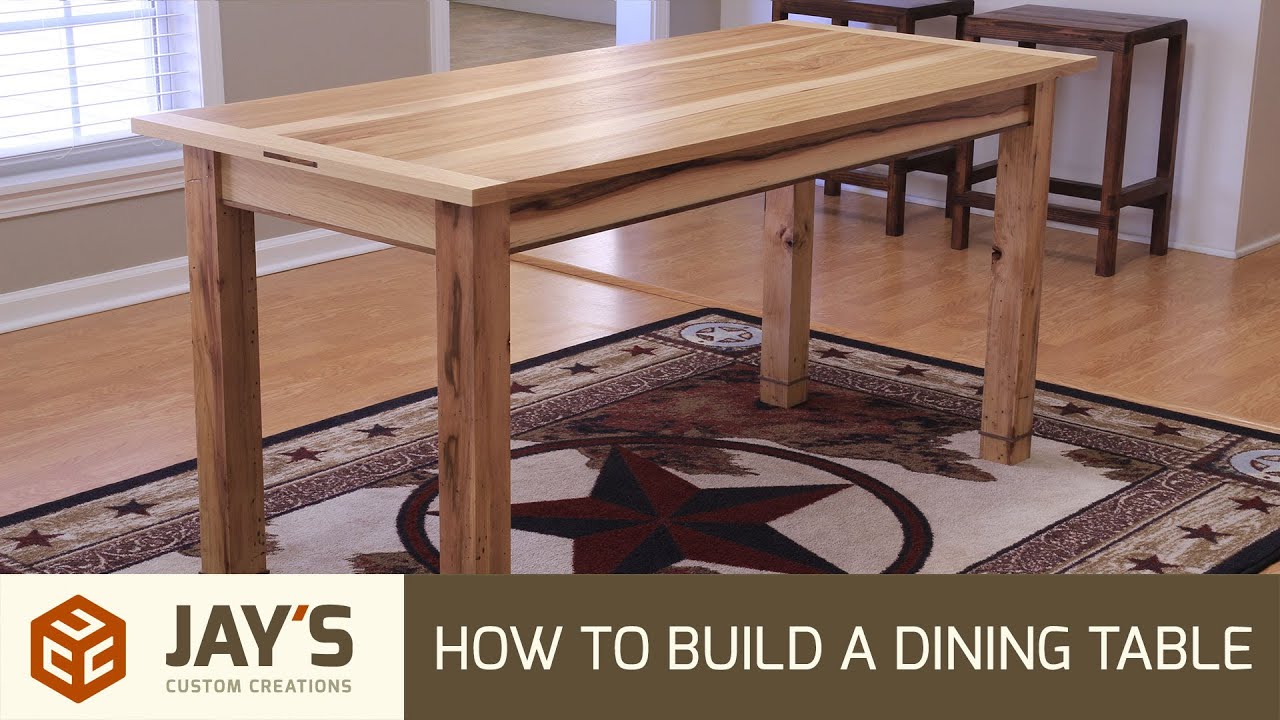
Image Source: i.ytimg.com
Planning Your DIY Kitchen Table
Before you pick up any tools, careful planning is key to a successful DIY kitchen table project. This is where you’ll determine the style, size, and overall look of your new table.
Deciding on Kitchen Table Dimensions
The first crucial step is to figure out the kitchen table dimensions that will best suit your space and needs. Consider the size of your kitchen or dining area, how many people you typically need to seat, and how much room you have for chairs to be pulled out.
Here are some general guidelines for common kitchen table sizes:
| Seating Capacity | Table Shape | Minimum Table Size (Length x Width or Diameter) | Comfortable Table Size (Length x Width or Diameter) |
|---|---|---|---|
| 2-4 people | Square | 30″ x 30″ | 36″ x 36″ |
| 4-6 people | Rectangular | 48″ x 30″ | 60″ x 36″ |
| 6-8 people | Rectangular | 60″ x 36″ | 72″ x 40″ |
| 4-6 people | Round | 40″ diameter | 48″ diameter |
| 6-8 people | Round | 48″ diameter | 54″ diameter |
Important Considerations for Dimensions:
- Walkway Clearance: Ensure there’s enough space around the table for comfortable movement. Aim for at least 3 feet between the table and walls or other furniture.
- Chair Space: Factor in the width of your chairs and the space needed to pull them out from the table. About 24 inches per person seated is a good starting point.
- Table Height: Standard dining table height is typically between 28 and 30 inches. This allows for comfortable seating with standard dining chairs.
Selecting Your Kitchen Table Materials
The choice of kitchen table materials significantly impacts the table’s appearance, durability, and the complexity of the build.
Wood Types
- Pine: Affordable and easy to work with, but softer and prone to dents. Great for a rustic or painted finish.
- Poplar: A bit harder than pine, takes paint well, and is a good mid-range option.
- Oak: Durable, strong, and has a beautiful natural grain. More expensive and harder to work with.
- Maple: Very hard and smooth, excellent for modern designs or a durable finish.
- Walnut: A premium hardwood with a rich, dark color and beautiful grain. It’s expensive but offers a luxurious look.
- Reclaimed Wood: Using reclaimed wood table elements adds unique character and history to your table. This can include old barn wood, pallet wood, or salvaged lumber. Be sure to inspect reclaimed wood for nails, rot, or insect damage.
Fasteners and Adhesives
- Wood Screws: Various lengths and types are available. Choose screws specifically designed for wood.
- Wood Glue: A strong adhesive is essential for most joinery. Titebond is a popular and reliable brand.
- Pocket Hole Screws: If using a pocket hole jig, these specialized screws are necessary.
Finishing Supplies
- Sandpaper: Grits ranging from 80 to 220 are typically needed for smoothing.
- Wood Stain (Optional): To color the wood.
- Polyurethane, Varnish, or Oil Finish: To protect the wood and provide a durable surface. Polyurethane offers excellent durability for kitchen use.
Gathering Your Tools
For a simple kitchen table build, you’ll need a basic set of woodworking tools. For more complex designs or finer finishes, you might need more specialized equipment.
Essential Tools:
- Measuring Tape: For accurate measurements.
- Pencil: For marking cuts.
- Safety Glasses: Always wear safety glasses when using power tools.
- Hearing Protection: For use with loud machinery.
- Saw: A circular saw or miter saw is ideal for making straight cuts. A hand saw can be used for smaller projects but requires more effort and precision.
- Drill/Driver: For drilling pilot holes and driving screws.
- Clamps: Various sizes are crucial for holding pieces together while glue dries.
- Sander: An orbital sander makes smoothing the wood much faster. Sandpaper for hand-sanding is also useful.
- Wood Chisels: For cleaning up joints if needed.
- Hammer: For tapping pieces into place.
- Level: To ensure your tabletop is flat.
Helpful but Not Essential Tools:
- Pocket Hole Jig: Makes strong, hidden joints easy.
- Router: For shaping edges and creating decorative profiles.
- Table Saw: For precise ripping and crosscutting of larger boards.
- Orbital Sander: Significantly speeds up the sanding process.
Choosing a Kitchen Table Design
The aesthetic of your table will depend on your personal style and the overall modern kitchen table design or farmhouse kitchen table DIY theme you’re aiming for.
Simple Kitchen Table Build Ideas
For beginners, a simple kitchen table build is the most approachable. These designs often feature a rectangular tabletop with four sturdy legs.
1. The Classic Four-Legged Table:
This is the most straightforward design. The legs are typically attached directly to the underside of the tabletop or to a simple apron (a frame that connects the legs and supports the tabletop).
2. Farmhouse Style:
A farmhouse kitchen table DIY often incorporates thicker wood, a plank-style tabletop, and sturdy, often tapered or turned legs. A robust apron is common.
3. Modern Minimalist:
Clean lines, thin profiles, and often a lighter-colored wood or painted finish are hallmarks of modern design. Legs might be straight, angled, or even metal.
Advanced Design Elements
If you’re looking for a more intricate woodworking kitchen table plans project:
- Breadboard Ends: Adding boards to the ends of the tabletop that run perpendicular to the main planks. This prevents wood movement from causing cracks.
- Tapered Legs: Legs that are narrower at the bottom than at the top, giving a more refined look.
- Drawer or Shelf: Incorporating a drawer for cutlery or a shelf underneath for storage.
- Live Edge: Utilizing a slab of wood with its natural, irregular edge for a unique, organic feel. This requires specific techniques for finishing and stabilization.
Building Your Kitchen Table: Step-by-Step
This guide focuses on building a sturdy, rectangular table with an apron and four legs, a popular choice for a DIY kitchen table. This approach allows for a simple kitchen table build while providing good stability and a classic look.
Step 1: Preparing Your Tabletop Boards
If you’re using multiple boards for your tabletop, you’ll need to join them.
- Select Your Boards: Choose boards that are straight, flat, and free of significant defects. If using reclaimed wood, prepare it by cleaning, de-nailing, and sanding.
- Cut Boards to Length: Measure and cut your chosen wood boards to the desired length of your tabletop, adding a little extra for trimming later.
- Edge Jointing (Crucial for a Flat Top): The edges of the boards that will be joined need to be perfectly straight and square.
- Using a Jointer (Ideal): If you have access to a jointer, this is the best tool for creating perfectly flat edges.
- Using a Table Saw with a Jointer Jig: You can create a jig for your table saw to achieve straight edges.
- Hand Plane: A sharp hand plane can also be used for jointing edges, but it requires practice and skill.
- Dry Fit: Lay out your boards with the best faces up. Ensure the edges meet snugly without gaps. Arrange them to achieve the most pleasing grain pattern.
- Marking and Gluing: Once you’re happy with the arrangement, number the boards on the underside so you can reassemble them correctly. Apply a generous amount of wood glue to the edges of each board.
- Clamping:
- Use pipe clamps or bar clamps that are long enough to span the width of your tabletop.
- Place clamps along the length of the glued edges.
- Use cauls (scraps of wood clamped across the top and bottom) to distribute clamping pressure evenly and prevent the tabletop from cupping.
- Wipe away any excess glue squeeze-out with a damp cloth immediately.
- Drying Time: Allow the glue to cure completely according to the manufacturer’s instructions, usually 24 hours.
Step 2: Creating the Tabletop
Once the glue is dry, it’s time to refine your tabletop.
- Remove Clamps: Carefully remove all clamps and cauls.
- Trim to Final Size: Use a circular saw or table saw to trim the ends of the tabletop to your final, precise dimensions. Ensure your cuts are square.
- Flattening (If Necessary): If there are any slight humps or dips, you can use a belt sander or an orbital sander with a coarser grit to flatten the surface.
- Sanding:
- Start with a coarser grit sandpaper (e.g., 80 or 100 grit) to remove any glue residue and level out minor imperfections.
- Progress to finer grits (120, 150, 180, 220) to achieve a smooth surface. Sand in the direction of the wood grain.
- A random orbital sander is highly recommended for this stage to avoid swirl marks.
- For a reclaimed wood table, you might embrace a slightly less perfect finish, but ensure it’s smooth enough for practical use.
Step 3: Building the Apron and Legs
The apron adds strength and stability to the table, and it’s where the legs will attach.
Option A: Simple Apron with Pocket Holes
This is a straightforward method for a simple kitchen table build.
- Cut Apron Pieces: Cut four pieces of wood for the apron. Two longer pieces will be for the sides, and two shorter pieces for the ends. The length of the side pieces will determine the length of your table, and the end pieces will determine the width, minus the thickness of the side apron pieces. The height of the apron can vary, but 3-5 inches is common.
- Drill Pocket Holes: Using a pocket hole jig, drill pocket holes on the ends of the apron pieces. You’ll want pocket holes on the pieces that will attach to the legs, and on the ends of the side pieces to attach to the end pieces.
- Cut Legs: Cut four identical legs to your desired height (typically 28-29 inches for a standard table height). You can leave them square or taper them using a table saw or bandsaw.
- Attach Legs to Apron:
- Lay out your apron pieces and legs.
- Position the legs flush with the inside corners of the apron.
- Apply wood glue to the ends of the apron pieces where they meet the legs.
- Use pocket hole screws to attach the apron pieces to the legs. Ensure the apron is square to the legs. You might need to clamp the pieces in place while you screw them together.
- Assemble two leg-and-apron sides first, then join them with the shorter apron pieces.
Option B: Mortise and Tenon or Dowel Joinery (More Advanced)
These traditional joinery methods create very strong, hidden joints. You will need specialized tools and more woodworking experience for these techniques.
- Cut Legs: Prepare your legs as described above.
- Cut Mortises or Drill Holes for Dowels: Create mortises (rectangular openings) in the legs where the apron pieces will attach, or drill precise holes for dowels.
- Cut Tenons or Prepare Dowels: Cut tenons (protruding sections) on the ends of the apron pieces to fit into the mortises, or cut dowels to fit into the drilled holes.
- Glue and Assemble: Apply wood glue to the mortises/tenons or dowels and assemble the apron and leg structure. Use clamps to hold everything tightly while the glue dries.
Step 4: Attaching the Apron/Leg Assembly to the Tabletop
This is a critical step for stability and to allow for wood movement, which prevents cracks.
- Centering the Assembly: Flip your tabletop upside down on a clean, protected surface. Center the apron and leg assembly on the underside of the tabletop. You want an equal overhang on all sides.
- Method for Attaching (Wood Movement Consideration):
- Z-Clips or Tabletop Fasteners: These are metal clips that fit into a kerf (groove) cut into the apron and screw into the underside of the tabletop. They allow the tabletop to expand and contract naturally. This is the preferred method for solid wood tabletops.
- Pocket Holes into the Tabletop: While simpler, drilling directly into the tabletop with pocket holes can restrict wood movement and lead to cracking over time, especially with wider tabletops. If you choose this method, drill oversized holes in the apron where the screws will pass through to allow some movement.
Step 5: Finishing Your Kitchen Table
The finishing process protects your table and enhances its beauty.
- Final Sanding: Lightly sand the entire table with 220-grit sandpaper to ensure a smooth surface for finishing. Wipe down with a tack cloth or damp rag to remove all dust.
- Staining (Optional):
- Apply wood stain according to the product’s instructions.
- Use a foam brush or lint-free cloth to apply the stain.
- Wipe off excess stain with a clean cloth, working in the direction of the wood grain.
- Allow the stain to dry completely.
- Applying a Protective Finish: For a kitchen table, durability is key. Polyurethane is a popular choice.
- Polyurethane (Water-Based or Oil-Based): Apply thin, even coats using a good quality brush or foam applicator. Water-based polyurethane dries faster and has less odor. Oil-based polyurethane is generally more durable but takes longer to dry and has a stronger odor.
- Varnish: Similar to polyurethane, offering good protection.
- Hardwax Oil: These penetrate the wood and provide a natural-looking, matte finish that’s also quite durable and repairable.
- Application:
- Apply the first coat, let it dry completely, and then lightly sand with 320-grit sandpaper.
- Wipe away dust and apply the next coat.
- Repeat for 3-4 coats for good protection.
- Curing Time: Allow the finish to cure fully before using the table heavily. This can take several days to a couple of weeks depending on the product.
Frequently Asked Questions (FAQ)
-
What is the best wood for a kitchen table?
Hardwoods like oak, maple, or cherry are generally considered best for kitchen tables due to their durability and resistance to dents and scratches. However, pine can be a good budget-friendly option, especially if you plan to paint it. -
Can I use pallet wood for a kitchen table?
Yes, you can use pallet wood, but it requires careful preparation. You’ll need to ensure it’s heat-treated (HT stamp), not chemically treated (MB stamp), and thoroughly clean, de-nail, and sand it. Pallet wood can offer a unique rustic charm. -
What are standard kitchen table dimensions?
Standard dining table height is 28-30 inches. For seating, aim for 24 inches of table edge per person. Common table sizes range from 30×30 inches for two to four people to 72×40 inches for six to eight people. -
How do I prevent my wood tabletop from cracking?
Properly joining boards and using fasteners that allow for wood movement (like Z-clips or tabletop fasteners) are crucial to prevent cracking as humidity changes. -
How many coats of polyurethane should I apply?
For a kitchen table that will see a lot of use, 3-4 coats of a durable finish like polyurethane are generally recommended for good protection.
By following these steps, you can successfully build your own custom kitchen table, creating a piece that perfectly fits your home and your style. Enjoy the process and the satisfaction of a well-made custom kitchen table tutorial come to life!