
Image Source: cdn.apartmenttherapy.info
How To Get Rid Of Kitchen Sink Smell Permanently
Can you get rid of kitchen sink smell permanently? Yes, by understanding the root causes of the odor and implementing consistent cleaning and prevention strategies, you can achieve a permanently fresh-smelling kitchen sink. Kitchen sink smells are a common household nuisance, often stemming from issues like decomposing food particles, grease buildup, or even problems with your plumbing. This article will delve deep into effective methods for eliminating these unpleasant odors and offer tips for preventing them from returning.
Decoding the Source of Sink Stench
Before we can banish the bad smells, we need to know where they’re coming from. Most kitchen sink odors are not caused by magic, but by simple, albeit unpleasant, biological and chemical processes.
Decomposing Food Particles
This is perhaps the most frequent culprit. When food scraps, no matter how small, get washed down the drain, they don’t always get fully flushed away. They can get caught in the pipes, the garbage disposal, or even the P-trap (that U-shaped pipe under your sink). Over time, these trapped food bits begin to rot and ferment, creating that distinctive, unpleasant smell. This is particularly true for organic matter like vegetable peels, coffee grounds, and small bones.
Grease and Gunk Buildup
Fat, oil, and grease, when poured down the sink, might seem liquid at first. However, as they travel through your pipes and cool down, they solidify. This greasy film sticks to the inner walls of your pipes and the garbage disposal chamber. This sticky surface acts like a magnet for other debris, creating a thick sludge where bacteria and mold can thrive, leading to foul odors.
The P-Trap’s Role
The P-trap isn’t just a funny name; it’s a crucial part of your plumbing system. It holds a small amount of water, creating a seal that prevents sewer gases from rising up into your home. However, if the water in the P-trap evaporates (which can happen if the sink isn’t used for a while) or if the trap is blocked by debris, those foul sewer gases can escape, causing a distinct rotten egg or sewage smell.
Garbage Disposal Woes
If you have a garbage disposal, it can be a breeding ground for odors. Food particles that aren’t completely ground up can stick to the blades and the underside of the disposal unit. This trapped waste will decompose, leading to strong smells that emanate directly from the disposal. This is why garbage disposal cleaning is a critical step in eliminating sink odors.
Clogged Drain Smell
A clogged drain smell is often a direct result of the aforementioned issues. When water can’t drain properly, it leaves behind stagnant water and trapped debris. This creates an ideal environment for anaerobic bacteria to multiply, producing sulfuric compounds that smell like rotten eggs or sulfur. A sluggish drain is a siren song for sink stink.
Plumbing Smell Fix
Sometimes, the odor might not be from the immediate sink area but from a deeper plumbing issue. This could involve a faulty vent pipe, a cracked sewer line, or a damaged P-trap seal. These problems allow sewer gases to enter your home, and these are typically much stronger and more persistent than food-related smells. Identifying a true plumbing smell fix might require professional intervention.
Drain Fly Elimination
While not a direct cause of smell, drain flies often signal an underlying problem. These tiny, annoying insects are attracted to the moist, decaying organic matter found in drains and garbage disposals. If you see drain flies, it’s a strong indicator that there’s a buildup of slime and food particles causing the odor. Drain fly elimination often goes hand-in-hand with cleaning out the source of the smell.
Effective Sink Deodorizing Methods
Now that we know what causes the stink, let’s explore how to get rid of it effectively. There are many ways to tackle sink odors, from simple DIY solutions to more potent cleaners.
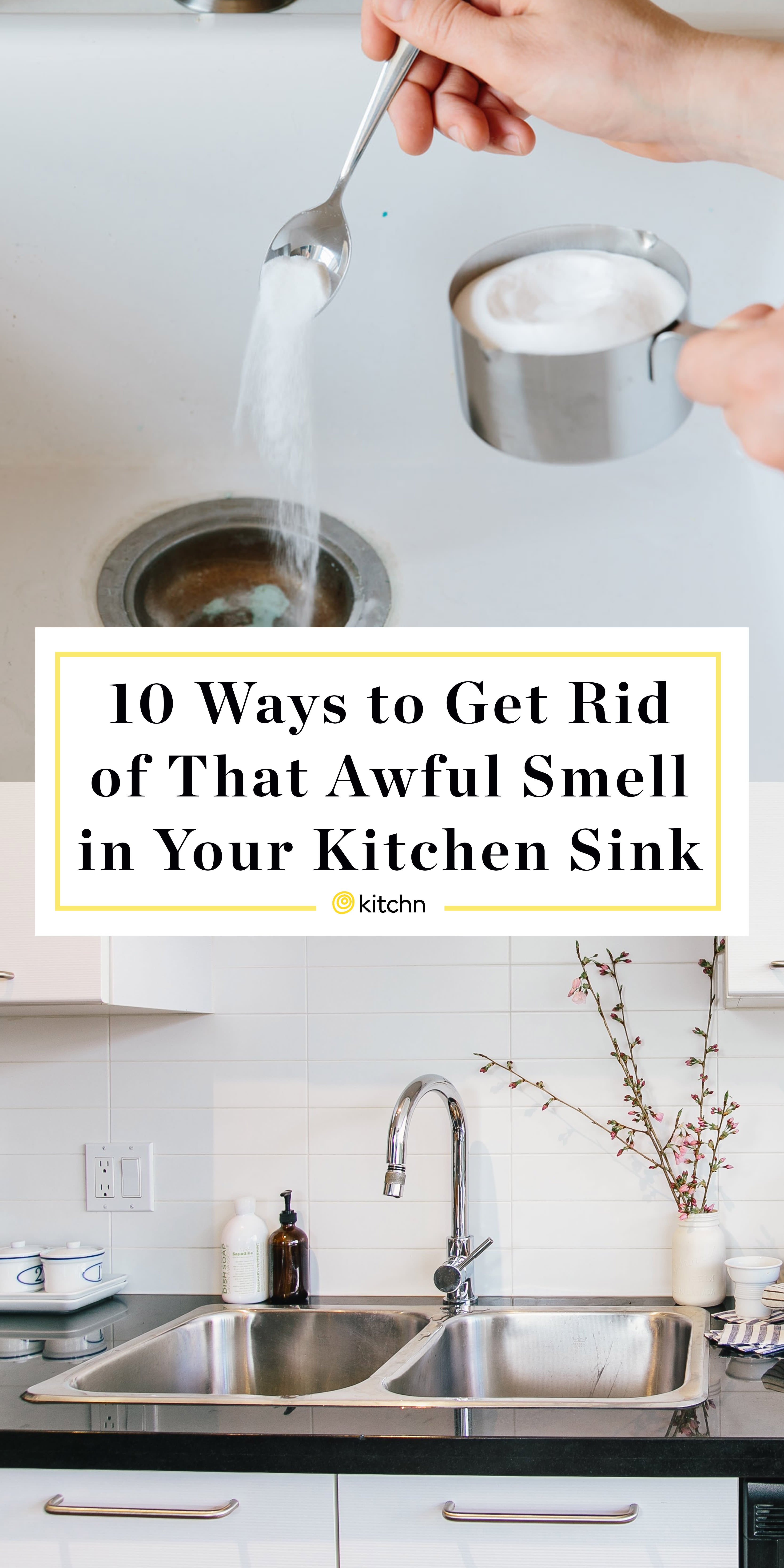
The Power of Baking Soda and Vinegar
This classic baking soda and vinegar combination is a go-to for many household cleaning tasks, and it’s surprisingly effective for sink deodorizing.
How it works: Baking soda (sodium bicarbonate) is a mild alkali that can neutralize acidic odors. Vinegar (acetic acid) is also acidic and has antimicrobial properties that can kill bacteria and break down grease. When combined, they create a fizzy reaction that helps loosen grime and deodorize.
Steps:
1. Pour about 1/2 cup of baking soda down the drain.
2. Follow with 1/2 cup of white vinegar.
3. Let the mixture fizz and bubble for 10-15 minutes. You can cover the drain opening with a stopper to keep the reaction contained.
4. After the fizzing subsides, rinse the drain thoroughly with hot water.
5. For garbage disposals, pour the mixture directly into the disposal chamber after ensuring the power is off. Let it sit, then run cold water and the disposal to flush it out.
Natural Sink Deodorizer: Lemon and Citrus Peels
Citrus peels, like those from lemons, oranges, or grapefruits, are fantastic for a natural sink deodorizer. They contain natural oils that smell fresh and can help cut through grease.
How it works: The oils in the peels act as a degreaser, and their natural scent masks any lingering odors.
Steps:
1. Take a few lemon, lime, or orange peels.
2. Cut them into smaller pieces.
3. Run them through your garbage disposal with cold water.
4. Alternatively, you can boil citrus peels in water and then pour the infused hot water down the drain.
The Hot Water Flush
A simple yet powerful tool, hot water can help melt away grease and flush out loose debris.
How it works: Hot water can liquefy solidified grease and oils that may be clinging to the drain pipes.
Steps:
1. Boil a kettle or pot of water.
2. Carefully pour the hot water directly down the drain.
3. Repeat this process a few times, especially after other cleaning methods, to ensure a thorough flush. Be cautious if you have PVC pipes, as extremely hot water can sometimes soften them over time. Moderately hot tap water is often sufficient.
Using Bleach for Sink Disinfection (with caution!)
Bleach for sink cleaning can be effective for disinfecting and killing odor-causing bacteria and mold. However, it must be used with extreme caution and never mixed with other cleaning products, especially ammonia or vinegar, as this can create toxic fumes.
How it works: Bleach is a strong disinfectant that kills bacteria, mold, and mildew.
Steps:
1. Ensure good ventilation in your kitchen.
2. Dilute about 1/4 cup of bleach with 1 gallon of water.
3. Pour a small amount (about 1/2 cup of the diluted solution) down the drain.
4. Let it sit for about 15-20 minutes.
5. Rinse thoroughly with plenty of cold water.
6. Never mix bleach with vinegar or ammonia. If you’ve recently used vinegar, flush the drain with plain water for several minutes before considering bleach.
Specialized Drain Cleaners
When DIY methods don’t cut it, you might consider a commercial drain cleaner. These are formulated to break down grease, hair, and other organic matter that causes clogs and odors.
How it works: Chemical drain cleaners typically contain strong alkaline (like lye) or acidic compounds that dissolve organic blockages. Enzymes in biological drain cleaners break down organic waste more slowly and are generally safer for pipes.
Types of Drain Cleaners:
* Caustic Cleaners: Contain lye (sodium hydroxide) or potassium hydroxide. Very effective but can damage some pipe materials and are hazardous.
* Acidic Cleaners: Contain sulfuric or hydrochloric acid. Highly effective but also very corrosive and dangerous.
* Enzymatic/Biological Cleaners: Use bacteria and enzymes to “eat” organic waste. Slower-acting but much safer for pipes and the environment.
Important Considerations:
* Read and follow instructions carefully. Wear gloves and eye protection.
* Ensure good ventilation.
* Avoid using them in toilets or septic systems unless specifically designed for it.
* Never mix different drain cleaners.
* Consider enzymatic cleaners first for a less harsh, eco-friendly option, especially for maintenance.
Deep Cleaning Your Garbage Disposal
A dirty garbage disposal is a prime suspect for persistent sink smells. Regular garbage disposal cleaning is essential for a fresh-smelling kitchen.
The Ice Method
How it works: Running ice cubes through the disposal can help scrape away accumulated grime and food particles from the disposal chamber walls and blades.
Steps:
1. Fill the disposal with ice cubes.
2. Run cold water and turn on the disposal.
3. Let it run until the ice is completely ground up.
The Citrus and Ice Combo
Combine the ice method with the power of citrus.
How it works: The ice scrapes, and the citrus oils degrease and deodorize.
Steps:
1. Add a few lemon or orange peels (or even some citrus-scented dish soap) to the ice cubes.
2. Run cold water and turn on the disposal.
Baking Soda and Vinegar in the Disposal
This is a great way to clean and deodorize the disposal itself.
Steps:
1. Turn off the power to the disposal.
2. Pour about 1/2 cup of baking soda into the disposal.
3. Follow with 1/2 cup of white vinegar.
4. Let it fizz for 10-15 minutes.
5. Rinse thoroughly by running cold water and turning the disposal back on.
Scrubbing the Disposal Flange
The rubber gasket around the sink drain opening (the flange) can collect a surprising amount of gunk and bacteria.
Steps:
1. Ensure the power to the disposal is off.
2. Use an old toothbrush or a small scrub brush dipped in a mixture of baking soda and water, or a mild detergent.
3. Scrub the flange thoroughly, paying attention to the nooks and crannies.
4. Rinse well with water.
Tackling Stubborn Odors and Specific Issues
Sometimes, the smell is more stubborn, indicating a deeper problem or a particular type of blockage.
Addressing a Clogged Drain Smell
If your sink is draining slowly, the clogged drain smell is likely due to trapped waste.
Solutions:
* Manual Removal: For minor clogs near the drain opening, wear gloves and try to pull out visible debris.
* Plunger: Fill the sink with a few inches of water, create a seal around the drain with a plunger, and plunge vigorously.
* Baking Soda and Vinegar: As described above, this can help loosen minor clogs.
* Drain Snake/Auger: For deeper clogs, a drain snake can be used to break up or retrieve the blockage.
* Enzymatic Cleaner: These are excellent for breaking down organic matter in clogs over time.
Eliminating Plumbing Smells
If you suspect a broader plumbing smell fix is needed, consider these possibilities:
- Check the P-Trap Water Seal: If you have a seldom-used sink, pour a gallon of water down the drain to refill the P-trap and restore the water seal.
- Inspect the Garbage Disposal Air Gap (if applicable): Some systems have an air gap that can get clogged.
- Professional Inspection: If odors persist, especially those resembling sewer gas, it’s time to call a plumber to check for leaks, cracks, or vent issues.
Drain Fly Elimination
Seeing drain flies is a clear sign of accumulated organic matter.
Steps for Drain Fly Elimination:
1. Thorough Cleaning: Clean all drains and garbage disposals thoroughly using the methods described above. Focus on removing all slime and buildup.
2. Boiling Water: Pour boiling water down drains regularly.
3. Drain Cleaner: Use an enzymatic drain cleaner to break down the food source for the flies.
4. Sticky Traps: Place sticky traps near drains to catch adult flies.
5. Repeat: You may need to repeat cleaning and trapping methods for a few weeks to break the life cycle of the drain flies.
Preventing Sink Odors: Proactive Measures
The best way to deal with sink smells is to prevent them from happening in the first place. Consistent preventing sink odors habits will save you from future headaches.
What NOT to Pour Down Your Sink
This is arguably the most crucial aspect of odor prevention. Avoid putting these items down your drain:
* Grease, Fats, and Oils: Collect these in a container and dispose of them in the trash.
* Coffee Grounds: They don’t dissolve and can clump together, forming blockages.
* Eggshells: The membrane inside can stick to pipes, and the grit can contribute to buildup.
* Starchy Foods: Rice, pasta, and potato peels expand with water and can cause clogs.
* Fibrous Foods: Celery, corn husks, and asparagus stalks can wrap around disposal blades.
* Bones: Even small bones can be difficult for disposals to handle and can cause damage.
* Harsh Chemicals: Avoid pouring bleach, ammonia, or other strong chemicals down the drain unless specifically for cleaning purposes and followed by thorough rinsing.
Regular Cleaning Routine
Make cleaning your sink and garbage disposal a regular part of your kitchen maintenance.
- Daily: Rinse your sink thoroughly after each use, especially after washing greasy dishes.
- Weekly: Run hot water down the drain, use the ice method in the disposal, and consider a baking soda and vinegar flush.
- Monthly: Give your garbage disposal a more thorough cleaning with the baking soda/vinegar or citrus peel method.
Use Your Garbage Disposal Correctly
- Always run cold water before, during, and after using the disposal. This helps solidify any grease so it can be ground up and flushed away.
- Don’t overload it. Grind food in batches.
- Run it for at least 30 seconds after you think all the food is gone to ensure everything is flushed.
Consider a Sink Strainer
A good quality sink strainer will catch larger food particles, preventing them from entering the drain and garbage disposal in the first place. Empty the strainer into the trash regularly.
Summary Table of Sink Deodorizing Methods
| Method | Key Ingredients | How it Works | Best For | Caution |
|---|---|---|---|---|
| Baking Soda & Vinegar | Baking Soda, Vinegar | Neutralizes odors, loosens grime, antibacterial | General deodorizing, light clogs, garbage disposal cleaning | Never mix with bleach. Can be used weekly. |
| Citrus Peels | Lemon, Orange, Lime Peels | Natural degreaser, masks odors | Garbage disposal deodorizing, general freshening | Use peels, not whole fruit. Best for disposals. |
| Hot Water Flush | Boiling Water | Melts grease, flushes loose debris | Regular maintenance, melting grease buildup | Be cautious with PVC pipes; very hot water can soften them over time. Moderately hot tap water is often sufficient. |
| Bleach (Diluted) | Bleach, Water | Disinfects, kills bacteria and mold | Stubborn bacterial odors, mold | EXTREME CAUTION. Dilute properly. Never mix with ammonia or vinegar. Ensure ventilation. Use sparingly. |
| Enzymatic Drain Cleaner | Enzymes, Bacteria | Breaks down organic waste | Clogs, ongoing maintenance, deodorizing | Follow product instructions. Safer for pipes and environment. Slower acting. |
| Specialized Drain Cleaner | Caustics/Acids/Enzymes | Dissolves/breaks down blockages | Tough clogs, deep-seated buildup | Use with extreme caution. Wear protective gear. Ensure ventilation. Never mix products. Can damage pipes if misused. |
Frequently Asked Questions
Q1: How often should I clean my kitchen sink and garbage disposal?
A1: For regular maintenance, a weekly flush with hot water and a monthly cleaning with baking soda and vinegar or citrus peels is recommended. If you notice odors, you may need to clean more frequently.
Q2: Can I use both baking soda and vinegar and then bleach in the same day?
A2: No, absolutely not. Never mix bleach with vinegar or ammonia. If you use vinegar, flush the drain thoroughly with plain water for several minutes before considering bleach. It’s generally best to use one or the other on separate occasions.
Q3: My sink still smells after trying these methods. What else could it be?
A3: Persistent smells might indicate a deeper plumbing issue, such as a cracked pipe, a faulty vent, or a problem with the P-trap. In such cases, it’s best to contact a professional plumber.
Q4: Is it safe to put essential oils down the sink for deodorizing?
A4: Yes, diluted essential oils like tea tree oil or eucalyptus oil can have antimicrobial properties and add a pleasant scent. However, use them sparingly and always dilute them with water before pouring them down the drain.
Q5: How can I prevent drain flies permanently?
A5: The key is to eliminate their food source. Consistent cleaning of drains and garbage disposals, prompt wiping of spills, and avoiding food debris in the sink will help prevent drain fly infestations.
By understanding the causes and applying these diligent cleaning and prevention techniques, you can indeed get rid of kitchen sink smell permanently and enjoy a fresher, more pleasant kitchen environment.