
What are kitchen soffits and can they be disguised? Kitchen soffits are essentially dropped ceiling sections, often found above cabinets or around windows and doors. They can house ductwork, wiring, or simply be a design element. Yes, they can absolutely be disguised with a variety of clever and stylish solutions to blend them seamlessly into your kitchen.
Dealing with kitchen soffits can feel like a design challenge. These often unsightly structures, sometimes called bulkheads, can interrupt the clean lines of your kitchen. But don’t despair! There are many smart ways to tackle these features and transform them from an eyesore into a stylish part of your kitchen ceiling solutions. Whether you’re planning a full kitchen remodeling project or just looking for quick fixes, this guide offers a wealth of soffit ideas to help you disguise ceiling features effectively.
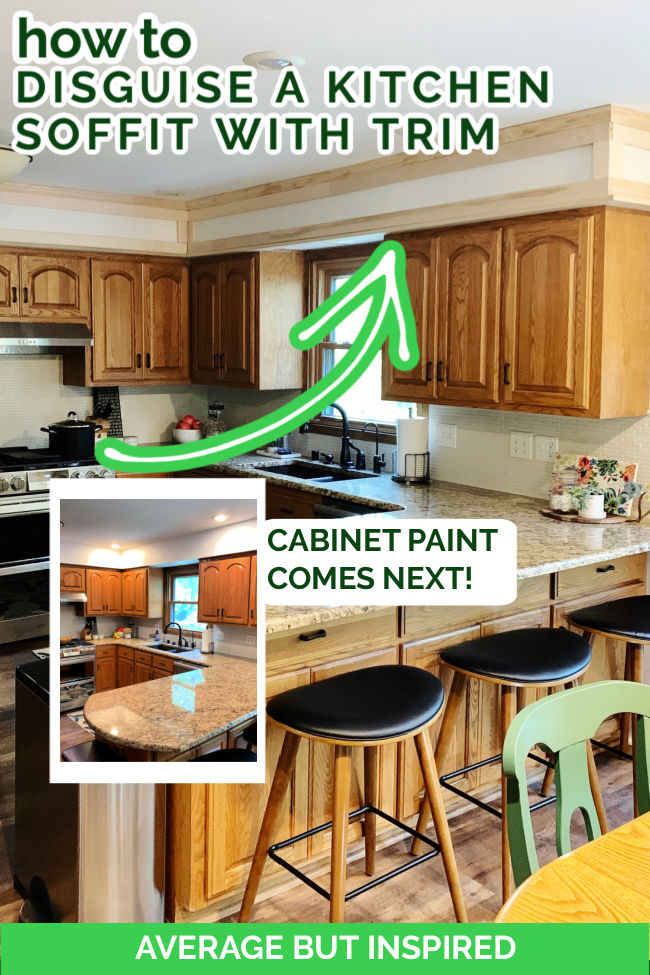
Image Source: averageinspired.com
Why Do Kitchens Have Soffits?
Before we dive into how to disguise them, let’s briefly touch on why soffits exist.
- Hiding Utilities: This is the most common reason. Soffits are used to hide pipes, electrical wiring, ventilation ducts (like those for your range hood), and HVAC systems.
- Structural Necessity: Sometimes, the original ceiling height or construction requires soffits to achieve a level ceiling or to support structural elements.
- Aesthetic Choices (Past Trends): In older kitchens, soffits were sometimes added as a design feature, often to create a more traditional look or to visually lower a high ceiling.
Creative Ways to Conceal Soffits
Let’s explore some of the best soffit treatments and soffit covering techniques to make your kitchen soffits disappear or become a deliberate design feature.
1. Seamless Integration with Cabinetry
This is one of the most popular and effective ways to disguise soffits.
Making Cabinets Reach the Ceiling
- Full-Height Cabinets: If your existing cabinets don’t reach the ceiling, extending them upwards to meet the soffit is a fantastic solution. This creates a cohesive, custom look and maximizes storage.
- How it’s done: Custom cabinet makers can build extensions that match your existing cabinets. You can also purchase ready-made cabinet filler pieces.
- Benefits: Creates a seamless flow, makes the kitchen appear larger, adds significant storage, and effectively hides the soffit.
- Considerations: This is a more involved renovation and can be costly, depending on the cabinet style and your location.
Matching Soffit Material to Cabinets
- Applying Cabinet-Facing Material: Even if you can’t extend cabinets, you can clad the soffit with the same material as your cabinets (e.g., wood veneer, laminate, or painted MDF). This visually ties the soffit into the cabinetry, making it less of a separate, intrusive element.
- How it’s done: Cut and attach panels to the visible surfaces of the soffit. Ensure a clean, tight fit around the cabinet edges.
- Benefits: Visually unifies the space, relatively affordable compared to extending cabinets, and provides a clean finish.
- Considerations: Requires some DIY skills or hiring a handyman.
2. Lighting Integration for Soffit Treatment
Strategic lighting can be a game-changer for disguising soffits.
Recessed Lighting (Can Lights)
- Placement: Installing recessed lights within the soffit can draw attention away from the soffit itself and towards the illumination.
- How it’s done: Cut holes in the soffit material and install the can lights. Ensure proper clearance for heat.
- Benefits: Provides excellent general illumination, creates a clean, modern look, and distracts from the soffit structure.
- Considerations: Requires electrical work. Check building codes for proper installation.
Undercabinet and Soffit Lighting
- LED Strips: Installing LED strip lights along the bottom edge of the soffit can create a beautiful cove lighting effect. This casts a soft glow downwards, highlighting your countertops and cabinets while subtly illuminating the soffit itself.
- How it’s done: Mount LED strips on the underside of the soffit, often with a diffuser for a softer light.
- Benefits: Adds ambiance, provides task lighting, and makes the soffit feel like an intentional design element rather than an obstruction.
- Considerations: Choose the right color temperature (warm white is usually best for kitchens).
Uplighting
- Directing Light Upwards: Placing small spotlights or LED strips at the top edge of the soffit, pointing upwards, can wash the ceiling with light. This can make the ceiling feel higher and draw the eye upwards, away from the soffit’s bulk.
- How it’s done: Install small light fixtures or strips at the top edge of the soffit, aiming towards the ceiling.
- Benefits: Creates a dramatic effect, can make the room feel more spacious, and further minimizes the soffit’s presence.
- Considerations: Ensure the ceiling surface is clean and well-painted to reflect light effectively.
3. Creative Painting and Finishing
Sometimes, a fresh coat of paint is all you need.
Painting the Soffit to Match the Ceiling
- The “Disappearing Act”: Painting the soffit the exact same color and finish as the main ceiling can make it visually recede, blurring the lines and making the structure less noticeable.
- How it’s done: Thoroughly clean and prime the soffit, then apply multiple coats of ceiling paint.
- Benefits: Simple, affordable, and effective at reducing visual clutter.
- Considerations: Works best for less pronounced soffits.
Contrasting Paint Colors
- Making a Statement: For a bolder approach, paint the soffit a contrasting color. This turns the soffit into a deliberate design feature. You could use a deep navy, a charcoal gray, or even a metallic finish to add architectural interest.
- How it’s done: Use painter’s tape to create crisp lines and apply your chosen paint color.
- Benefits: Adds personality and visual depth to the kitchen.
- Considerations: This highlights the soffit, so ensure it complements your overall kitchen design.
Textured Finishes
- Adding Interest: Consider applying a textured paint or a wallpaper with a subtle texture to the soffit. This can add visual interest and distract from the shape.
- How it’s done: Apply textured paint according to manufacturer instructions or use a peel-and-stick wallpaper.
- Benefits: Offers a unique look and can hide minor imperfections.
- Considerations: Choose textures that are easy to clean, as kitchens can get greasy.
4. Incorporating Shelving and Display
Turn your soffit into a functional or decorative element.
Open Shelving Within the Soffit
- Floating Shelves: If the soffit has a suitable depth, you can incorporate built-in or floating shelves. These can be used to display decorative items, cookbooks, or small plants.
- How it’s done: Cut openings into the soffit and install sturdy shelving. Ensure the soffit structure can support the weight.
- Benefits: Adds visual interest, provides display space, and makes the soffit functional.
- Considerations: Requires careful planning and structural support.
Recessed Niche Shelves
- Creating Depth: For deeper soffits, consider creating recessed niches with integrated shelving. This can look like a custom-built feature.
- How it’s done: Frame out niches within the soffit and finish them with drywall, tile, or wood. Install shelves within the niches.
- Benefits: Creates a sophisticated look and provides functional display areas.
- Considerations: This is a more complex renovation project.
5. Architectural Treatments and Cladding
Elevate the look of your soffits with more substantial treatments.
Beadboard or Wood Paneling
- Classic Charm: Applying beadboard or other types of wood paneling to the soffit can add a touch of warmth and traditional style.
- How it’s done: Cut and attach beadboard panels or planks to the soffit, then paint or stain them.
- Benefits: Adds texture and character, works well in farmhouse or traditional kitchens.
- Considerations: Ensure the paneling is sealed properly to withstand moisture.
Drywalling and Skim Coating
- Smooth Finish: If the soffit is structurally sound but visually unappealing, you can drywall over it and then skim coat for a perfectly smooth finish. This can then be painted or wallpapered.
- How it’s done: Install new drywall over the existing soffit structure and then apply a smooth plaster finish.
- Benefits: Creates a clean, seamless, and modern look. Hides all imperfections.
- Considerations: This is a significant renovation task requiring skilled labor.
Tile Accents
- Kitchen Backsplash Style: Extend your kitchen backsplash tile up onto the soffit for a dramatic and unified look. This is especially effective if the soffit is directly above the backsplash area.
- How it’s done: Apply tile adhesive to the soffit and install your chosen tiles, grouting and sealing them afterward.
- Benefits: Creates a strong visual connection between the backsplash and the ceiling, adding a luxurious feel.
- Considerations: Ensure the soffit surface is suitable for tiling. Requires careful cutting and installation.
6. Utilizing Fabric or Stretch Ceilings
Less common, but unique solutions.
Fabric Panels
- Softening the Look: Custom fabric panels can be stretched and attached to the soffit, creating a softer, more decorative appearance.
- How it’s done: Use a track system to stretch acoustic or decorative fabric tautly across the soffit.
- Benefits: Adds texture and a unique aesthetic, can also improve acoustics.
- Considerations: Fabric may need occasional cleaning.
Stretch Ceilings
- Modern Solution: Stretch ceilings can be installed beneath the soffit, creating a new, smooth, and often illuminated surface. This effectively hides the soffit entirely.
- How it’s done: A specialized membrane is heated and stretched across a perimeter track, creating a taut, seamless ceiling.
- Benefits: Provides a completely smooth, modern finish, can hide a multitude of sins, and can even be used for integrated lighting.
- Considerations: This is a professional installation and can be more expensive.
Soffit Renovation: Planning and Execution
When embarking on a soffit renovation, consider these crucial steps:
Assessing the Soffit
- What’s Inside? Before you plan any changes, determine what utilities are housed within the soffit. Knowing if it contains electrical, plumbing, or HVAC components is vital for safe modifications.
- Structural Integrity: Check if the soffit structure is sound. Are there any signs of water damage, mold, or structural weakness? Address these issues before applying any new finishes.
Budgeting for Soffit Treatments
- DIY vs. Professional: Simple painting or applying wallpaper can be a DIY project, saving money. However, extending cabinets, installing lighting, or drywalling will likely require professional help, increasing costs.
- Material Costs: Factor in the cost of paint, wallpaper, wood, tile, lighting fixtures, or custom cabinetry.
- Labor Costs: Get quotes from contractors for any work you won’t be doing yourself.
Choosing the Right Soffit Ideas for Your Kitchen
- Style Match: Ensure your chosen soffit treatment complements your kitchen’s overall style, whether it’s modern, traditional, farmhouse, or minimalist.
- Functionality: Consider if you want to add lighting, storage, or simply create a cleaner look.
- Maintenance: Think about how easy the finished soffit will be to clean and maintain, especially in a kitchen environment.
Soffit Remodeling vs. Quick Fixes
The approach you take depends on your goals and budget.
Major Soffit Remodeling Projects
- Cabinet Extensions: As mentioned, extending cabinets to the ceiling is a significant but highly rewarding remodeling project.
- Relocating Utilities: In some cases, it might be feasible (though often expensive) to move ductwork or wiring out of the soffit entirely, allowing you to remove it. This is a major undertaking.
- Creating Bulkheads: Sometimes, designers deliberately create new, more aesthetically pleasing bulkheads or soffits as part of a larger renovation to house specialized lighting or architectural features.
Quick Fixes for Disguising Soffits
- Paint: A fresh coat of paint is the easiest and cheapest way to refresh a soffit.
- Wallpaper: Applying wallpaper can add pattern or texture quickly.
- Decorative Trim: Adding crown molding or other decorative trim can soften the edges of a soffit and make it look more intentional.
Kitchen Ceiling Solutions: Integrating Soffits
When thinking about your overall kitchen ceiling solutions, the soffit needs to be an integrated part of the plan.
- Seamless Flow: The goal is often to make the soffit blend so well that you forget it’s there, or that it becomes a deliberate design element that enhances the space.
- Lighting as a Tool: Using light to draw the eye or create ambiance is a key strategy in modern kitchen ceiling solutions that incorporate soffits.
- Maximizing Space: Solutions that add storage or display opportunities turn a potential negative into a positive.
Soffit Covering: Materials and Techniques
Let’s summarize some key soffit covering materials and the techniques involved:
| Soffit Covering Method | Description | Pros | Cons |
|---|---|---|---|
| Paint/Wallpaper | Applying paint or wallpaper directly to the existing soffit surface. | Affordable, easy DIY, quick change. | May not fully disguise bulky soffits, requires good prep work. |
| Cabinet Facing | Cladding the soffit with the same material as kitchen cabinets. | Creates a seamless, custom look, enhances cabinet presence. | Can be costly if matching custom cabinets, requires precision. |
| Wood Paneling/Beadboard | Attaching wood panels or beadboard to the soffit for texture and style. | Adds warmth and character, suitable for various styles. | Requires sealing/finishing, can be more labor-intensive than paint. |
| Drywall/Skim Coating | Covering the soffit with drywall and smoothing it for a clean finish, then painting. | Creates a perfectly smooth, modern look, hides all imperfections. | Requires professional skills, significant renovation. |
| Tile | Extending kitchen backsplash tile up onto the soffit. | Luxurious, creates a strong visual link, durable. | Can be heavy, requires careful installation, grout needs maintenance. |
| LED Strip Lighting | Installing LED strips along edges for cove or uplighting. | Adds ambiance, highlights features, energy-efficient. | Requires electrical work, careful placement needed for best effect. |
| Open Shelving/Niches | Building shelves or niches into the soffit structure. | Adds function and display space, turns soffit into a feature. | Requires structural modification, potential clutter if not curated. |
| Fabric Panels/Stretch Ceiling | Using fabric or a stretched membrane to cover or create a new ceiling surface beneath the soffit. | Unique aesthetic, potential for sound dampening (fabric), completely smooth finish (stretch). | Can be expensive, fabric requires cleaning, stretch ceilings need pros. |
FAQs About Disguising Kitchen Soffits
Here are some common questions people have about tackling their kitchen soffits:
Q1: Can I remove my kitchen soffits?
A: It depends on what’s inside them. If a soffit is purely decorative, you might be able to remove it. However, if it contains essential ductwork, plumbing, or electrical wiring, removing it would require rerouting those services, which can be very expensive and complex. Always consult with a qualified contractor or inspector before attempting removal.
Q2: How can I make soffits look less obvious without a major renovation?
A: The easiest ways include painting them the same color as your ceiling, adding decorative trim like crown molding, or installing LED strip lighting to create ambiance and draw the eye.
Q3: Is it worth it to extend my kitchen cabinets to the ceiling to hide soffits?
A: Yes, extending cabinets to the ceiling is often considered a worthwhile investment. It dramatically improves the kitchen’s aesthetic by creating a seamless look, provides valuable extra storage space, and can increase your home’s resale value.
Q4: What kind of lighting works best with soffits?
A: Recessed lighting (can lights) within the soffit or along its edge is very popular. LED strip lighting installed along the bottom or top edges can create beautiful cove or uplighting effects, making the soffit appear less intrusive.
Q5: Can I tile over my kitchen soffits?
A: Yes, you can tile over a soffit, provided the existing structure is sound and the surface is properly prepared. This is a great option if you want to extend your backsplash tile upwards for a cohesive look. Ensure you use appropriate adhesive and grout for ceiling applications.
Q6: Are soffits still in style?
A: While once a common design element, prominent, dated soffits are generally considered less fashionable in modern kitchen design. However, soffits can be cleverly integrated or transformed into stylish features through creative design and finishing techniques, making them a desirable element again. The key is how they are treated.
Q7: What is the difference between a soffit and a bulkhead?
A: In kitchen design, these terms are often used interchangeably. Both refer to a dropped ceiling area that typically conceals building components. A soffit is often associated with the area above kitchen cabinets, while a bulkhead can refer to any dropped ceiling section that hides ductwork or structural elements.
Q8: How do I choose the right soffit treatment for my kitchen’s style?
A: Consider your existing kitchen cabinets, countertops, and overall décor. For a modern kitchen, sleek paint finishes or integrated lighting work well. For a more traditional or farmhouse style, beadboard or wood paneling might be a better fit. Always aim for a cohesive look.
Conclusion
Kitchen soffits don’t have to be a design compromise. By employing smart strategies and creative soffit ideas, you can effectively disguise ceiling features, transform these functional necessities into design assets, and achieve beautiful kitchen ceiling solutions. Whether you opt for a simple paint job or a more involved soffit remodeling project, there’s a solution to suit every style and budget. With a little planning and the right approach, you can say goodbye to unsightly bulkheads and hello to a more polished, cohesive, and beautiful kitchen.