
What is the process of building a kitchen? Building a kitchen involves planning, design, material selection, and construction, covering everything from the foundational layout to the final finishing touches. Can I build a kitchen myself? Yes, with careful planning, research, and the right tools, a DIY kitchen remodel is achievable, though hiring professionals for certain tasks like plumbing and electrical work is often recommended for safety and code compliance. Who is involved in building a kitchen? A kitchen build can involve homeowners, interior designers, architects, contractors, electricians, plumbers, cabinet makers, countertop fabricators, and flooring installers.
Embarking on a kitchen build journey is an exciting endeavor, transforming a functional space into the heart of your home. This comprehensive guide will walk you through each crucial step, ensuring your new kitchen is not only beautiful but also perfectly suited to your needs and lifestyle. From the initial spark of an idea to the final placement of a utensil, every decision matters.
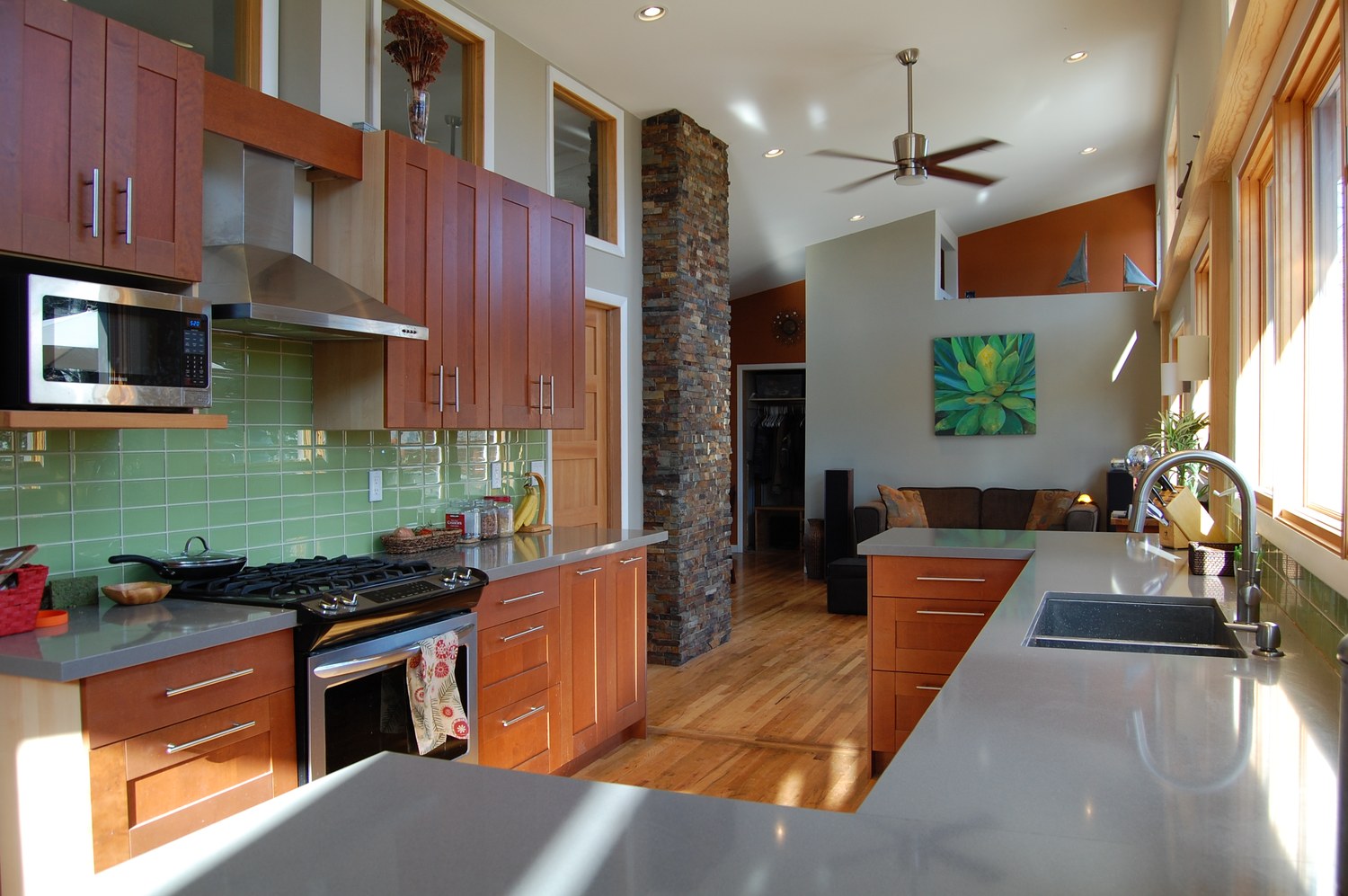
Image Source: www.mrmoneymustache.com
Step 1: Vision and Planning – Laying the Foundation
Before any hammers swing or paint cans open, a clear vision and meticulous planning are paramount. This phase is about dreaming, researching, and solidifying your goals for the new kitchen.
Defining Your Needs and Wants
- Functionality: How do you use your kitchen? Are you a gourmet chef, a busy parent needing quick meal prep, or someone who entertains frequently?
- Storage: What do you need to store? Pots, pans, small appliances, pantry items, dishes?
- Appliances: Which kitchen appliances are essential? What sizes and types do you envision?
- Aesthetics: What style are you aiming for? Modern, farmhouse, traditional, eclectic?
- Budget: This is a critical constraint. Be realistic about what you can afford, including a contingency fund for unexpected costs.
Budgeting and Funding
Creating a detailed budget is the first line of defense against overspending. Break down costs for each element:
| Category | Estimated Cost | Actual Cost | Notes |
|---|---|---|---|
| Design Fees | If hiring a designer | ||
| Demolition | If removing an old kitchen | ||
| Kitchen Cabinets | Material, customization, installation | ||
| Kitchen Countertops | Material, fabrication, installation | ||
| Kitchen Appliances | Refrigerator, oven, dishwasher, microwave, etc. | ||
| Kitchen Flooring | Material, installation | ||
| Kitchen Lighting | Fixtures, installation | ||
| Plumbing Fixtures | Sink, faucet, dishwasher hookup | ||
| Electrical Work | Outlets, switches, appliance connections | ||
| Paint & Finishes | Walls, ceiling, trim | ||
| Labor | If hiring contractors | ||
| Permits | Building permits required by your municipality | ||
| Contingency (10-20%) | For unexpected expenses | ||
| Total Estimated |
Navigating Permits and Regulations
Most significant kitchen remodels require building permits. These ensure your project meets safety codes and standards, particularly for structural changes, electrical, and plumbing work. Check with your local building department for specific requirements.
Step 2: Kitchen Design – Shaping Your Space
With a clear plan, it’s time to translate your vision into a tangible kitchen design. This involves considering the overall layout, flow, and the aesthetic details that will define your new kitchen.
Crafting the Perfect Kitchen Layout
The kitchen layout is the backbone of its functionality. Common layouts include:
- Galley Kitchen: Two parallel walls of cabinets and countertops. Efficient for smaller spaces.
- L-Shaped Kitchen: Cabinets and countertops along two adjacent walls. Creates an open feel and a work triangle.
- U-Shaped Kitchen: Cabinets and countertops along three walls. Offers ample workspace and storage.
- Island Kitchen: Incorporates a freestanding island, often adding workspace, seating, and storage.
- Peninsula Kitchen: Similar to an island but attached to a wall or cabinet run.
The “work triangle” – connecting the sink, refrigerator, and stove – remains a fundamental concept for efficient kitchen workflow.
Material Selection: Cabinets, Countertops, and Flooring
Choosing the right materials impacts both the look and durability of your kitchen.
Kitchen Cabinets: The Heart of Storage and Style
Your kitchen cabinets will be a significant visual element and a major functional component.
-
Types of Cabinets:
- Stock Cabinets: Pre-made and available in standard sizes. Most affordable option.
- Semi-Custom Cabinets: Offer more size and style options than stock, with some modifications possible.
- Custom Cabinets: Built to your exact specifications, offering the most flexibility in design, materials, and finishes.
-
Materials: Plywood, MDF, particleboard, solid wood (maple, cherry, oak), laminate, thermofoil.
- Door Styles: Shaker, slab, raised panel, recessed panel, beadboard.
- Finishes: Painted, stained, glazed, natural wood.
Kitchen Countertops: Durability Meets Design
Countertops are a high-use surface. Consider durability, maintenance, and aesthetics.
- Quartz: Durable, non-porous, stain-resistant, available in many colors and patterns.
- Granite: Natural stone, durable, heat-resistant, each slab is unique. Requires sealing.
- Marble: Elegant, luxurious, but softer and more prone to etching and staining.
- Solid Surface (e.g., Corian): Seamless, non-porous, can be repaired.
- Laminate: Affordable, wide variety of colors and patterns, less durable than stone.
- Wood (Butcher Block): Warm and natural, requires regular sealing and maintenance.
Kitchen Flooring: The Foundation Underfoot
The right kitchen flooring needs to withstand spills, foot traffic, and often dropped items.
- Tile (Ceramic/Porcelain): Highly durable, water-resistant, wide variety of styles. Grout lines can be a cleaning consideration.
- Vinyl/LVT (Luxury Vinyl Tile): Water-resistant, durable, comfortable underfoot, affordable.
- Hardwood: Warm and classic, but susceptible to moisture and scratching. Requires careful maintenance.
- Laminate Flooring: Durable and scratch-resistant, can mimic wood or tile. Less water-resistant than vinyl.
- Natural Stone: Luxurious and durable, but can be more expensive and require sealing.
Kitchen Lighting: Illuminating Your Space
Good kitchen lighting is crucial for both task performance and ambiance.
- Ambient Lighting: General illumination for the entire room. Recessed ceiling lights, pendant lights.
- Task Lighting: Focused light for work areas. Under-cabinet lighting, pendant lights over an island.
- Accent Lighting: Highlights features like artwork or display cabinets. In-cabinet lighting, toe-kick lighting.
Plumbing and Electrical Considerations
- Kitchen Plumbing: Relocating plumbing for sinks, dishwashers, and refrigerators with ice makers requires careful planning and may necessitate professional help. Ensure proper drainage and water supply.
- Electrical: New outlets, dedicated circuits for appliances, and updated wiring are often part of a kitchen build. Hire a qualified electrician to ensure safety and compliance.
Step 3: The Build – Bringing Your Design to Life
This is where the physical transformation takes place. Whether you’re undertaking a DIY kitchen remodel or working with a contractor, each stage requires precision.
Demolition and Preparation
If you’re replacing an existing kitchen, the demolition phase involves carefully removing old cabinets, countertops, flooring, and fixtures. This can be messy, so proper protection of surrounding areas is essential.
Structural and Rough-In Work
This stage includes any necessary framing, drywall repair, and the installation of new plumbing and electrical lines according to your design plans.
Cabinet Installation
Kitchen cabinets are typically installed starting from a corner and working outwards. They must be leveled, plumbed, and securely fastened to the wall studs.
Countertop Installation
Once cabinets are in place, countertops are measured, fabricated, and installed. Seams should be minimal and professionally handled for a clean look.
Appliance Installation
Kitchen appliances are installed and connected. This includes:
- Refrigerator: Ensure proper ventilation and water line connection if applicable.
- Oven/Range: Electrical or gas connections are critical here.
- Dishwasher: Connect to water supply, drain, and electrical.
- Microwave: Built-in microwaves require specific cabinet cutouts and electrical connections.
Flooring Installation
Kitchen flooring is typically installed after cabinets and appliances are in place, or at least after the rough-in work is complete. This prevents damage to the new floor during other stages.
Fixture Installation and Finishing Touches
- Sink and Faucet: Installed in the countertop, with careful attention to sealing.
- Backsplash: Adds a decorative and protective layer.
- Hardware: Cabinet knobs and pulls are the final touch on your kitchen cabinets.
- Paint and Trim: Walls, ceiling, and any trim work are painted.
Step 4: The Finishing Touches and Beyond
With the major construction complete, it’s time for the final details that make your kitchen truly yours.
Final Inspections
If permits were required, your local building department will likely conduct final inspections to ensure all work meets code.
Deep Cleaning
A thorough deep clean is essential to remove dust and debris from the construction process.
Styling and Organization
- Decor: Add decorative elements like artwork, plants, or small sculptures.
- Organization: Set up your kitchen essentials, from utensils to pantry staples. Consider drawer organizers and cabinet inserts.
Frequently Asked Questions (FAQ)
How long does a kitchen build typically take?
The duration of a kitchen build can vary significantly, from 4 weeks to 6 months or more, depending on the scope of the renovation, whether it’s a complete gut job or cosmetic updates, the availability of materials and labor, and the complexity of the design. A simple refresh might take a few weeks, while a major kitchen renovation involving structural changes and custom cabinetry can take several months.
What is the average cost of a kitchen build?
The average cost of a kitchen build or renovation varies widely based on location, the size of the kitchen, the quality of materials chosen, and whether you hire professionals or opt for a DIY kitchen remodel. For a mid-range renovation, costs can range from $25,000 to $75,000 or more. High-end custom kitchens can easily exceed $100,000.
Should I hire a professional for my kitchen build?
While a DIY kitchen remodel can save money, certain aspects of a kitchen build, such as kitchen plumbing and electrical work, often require licensed professionals. They ensure safety, compliance with building codes, and proper installation. For the overall project management, design, and complex construction tasks, a general contractor or an experienced kitchen designer can be invaluable.
What are the most important elements of a kitchen layout?
The most important elements of a kitchen layout are functionality, flow, and efficiency. This includes creating a well-defined work triangle (sink, stove, refrigerator), ensuring adequate workspace on countertops, providing sufficient storage with well-planned kitchen cabinets, and considering traffic patterns within the kitchen. Good kitchen lighting also plays a vital role in the perceived spaciousness and usability of the layout.
What’s the difference between custom and stock kitchen cabinets?
Custom kitchen cabinets are built to your exact specifications regarding size, style, materials, and finishes, offering maximum flexibility. Stock kitchen cabinets are pre-manufactured in standard sizes and styles, offering a more budget-friendly option but with limited customization. Semi-custom cabinets fall between these two, allowing for some modifications to standard sizes and finishes.
How do I choose the best kitchen countertops?
Choosing the best kitchen countertops involves balancing aesthetics, durability, maintenance requirements, and budget. Consider how you use your kitchen: if you cook often and are prone to spills, a durable and low-maintenance material like quartz or granite might be best. For a more budget-conscious option, laminate can be a good choice, while marble offers luxury but requires more care.
What kind of kitchen flooring is most durable?
The most durable kitchen flooring options typically include porcelain tile, ceramic tile, and luxury vinyl tile (LVT). These materials are highly resistant to water, stains, and wear and tear, making them ideal for a high-traffic area like the kitchen. Natural stone can also be very durable but may require more maintenance and sealing.
What are the key considerations for kitchen lighting?
Key considerations for kitchen lighting include layering different types of light: ambient for general illumination, task lighting for workspaces (like under kitchen cabinets), and accent lighting to highlight features. The type of fixtures, their placement, and the color temperature of the bulbs all contribute to the overall atmosphere and functionality of the kitchen.