
What is the standard height of a kitchen cabinet? Typically, standard base cabinets stand at 34.5 inches tall, and standard wall cabinets are 30 inches tall, though variations exist. These dimensions are crucial for efficient kitchen design and comfortable use. Knowing these kitchen cabinet height standards helps in planning everything from your countertop height to how your upper cabinets will feel when you reach for your everyday dishes. This guide delves into the specifics of standard kitchen cabinet dimensions, helping you make informed decisions for your kitchen renovation or new build.
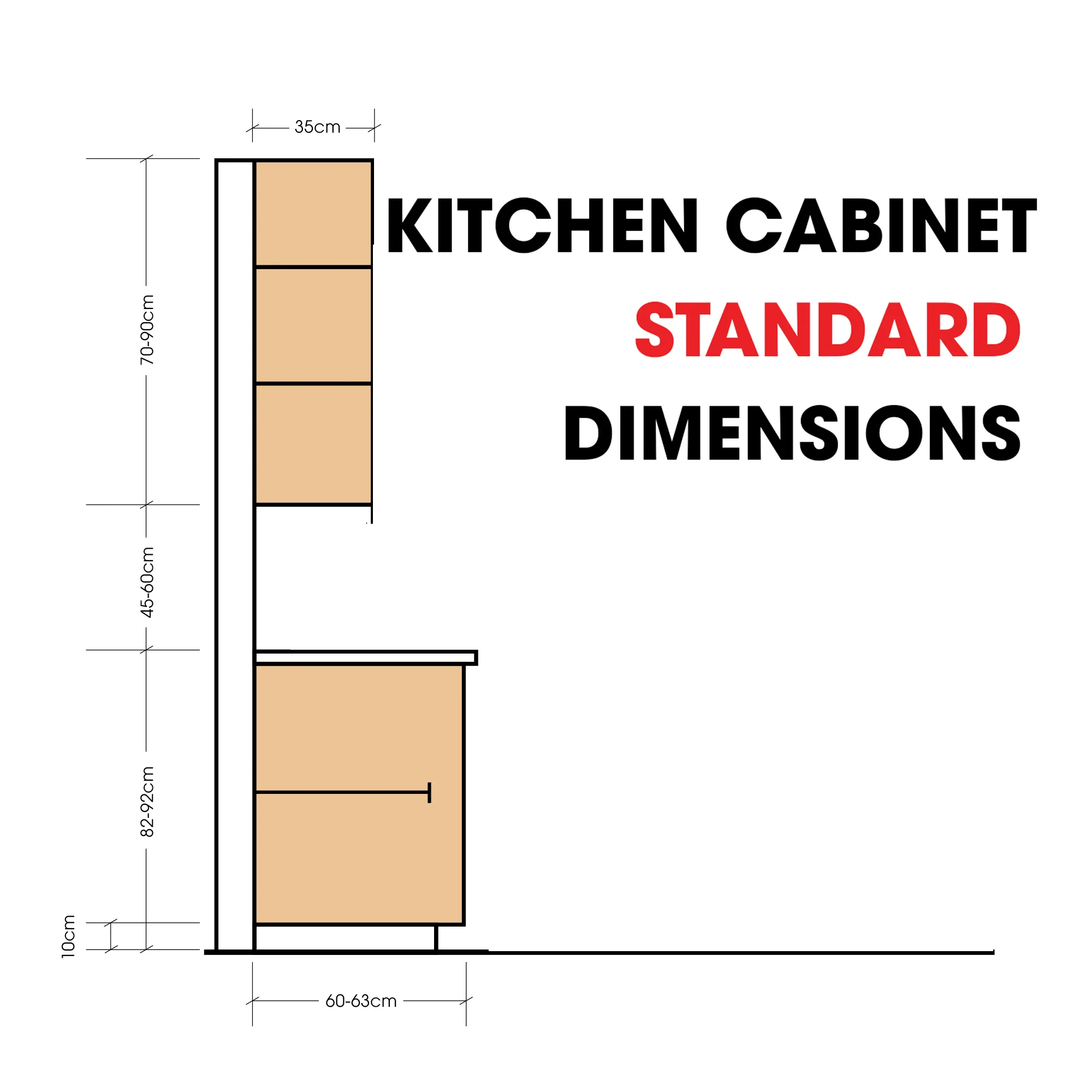
Image Source: guilincabinets.com
Deciphering Base Cabinet Height
The cornerstone of kitchen functionality often lies in the base cabinets. These cabinets sit on the floor and support your countertops, providing essential storage and workspace.
The Standard Base Cabinet Height
The most common base cabinet height is 34.5 inches. This measurement is taken from the floor to the top of the cabinet box itself, before any countertop is added. This standard height is designed to work in conjunction with a typical countertop height of 36 inches. When a standard 1.5-inch thick countertop is installed, the combined height reaches that comfortable 36-inch mark, which is ideal for most adults to work at.
Why 34.5 Inches?
This specific height isn’t arbitrary. It’s a result of decades of ergonomic research and kitchen design evolution. It balances the needs of both shorter and taller individuals, providing a comfortable working surface without requiring excessive bending or reaching.
Factors Influencing Base Cabinet Height
While 34.5 inches is the standard, there are situations where you might see variations:
- Custom Countertops: If you opt for a thicker countertop material, like a 2-inch granite slab, the base cabinet height might be slightly lower (e.g., 33 inches) to still achieve the 36-inch total countertop height.
- ADA Compliance: For kitchens designed to be accessible, base cabinets might be installed at a lower height to accommodate wheelchair users.
- Appliance Integration: Built-in appliances, such as dishwashers or specific oven models, are designed to fit within standard cabinet dimensions, reinforcing the 34.5-inch base cabinet height.
What About Toe Kicks?
The 34.5-inch measurement includes the toe kick, which is the recessed area at the bottom of the cabinet. This toe kick allows you to stand closer to the countertop without stubbing your toes, further enhancing comfort and usability. Typically, toe kicks are around 4 inches high and 4 inches deep, creating a small recess.
Gauging Wall Cabinet Height
Wall cabinets, also known as upper cabinets, are mounted on the wall above the countertop. They provide crucial storage for dishes, glasses, pantry items, and more. Their height and placement are critical for both accessibility and aesthetic balance in the kitchen.
The Standard Wall Cabinet Height
The most common wall cabinet height is 30 inches. However, you’ll also frequently find wall cabinets in heights of 36 inches and 42 inches. The choice often depends on the overall ceiling height and the desired look.
Standard Wall Cabinet Depth
When discussing wall cabinet depth, the standard is typically 12 inches. This depth is sufficient for storing most kitchen items, including plates, bowls, and many canned goods. It also allows for a comfortable reach from the countertop height.
Mounting Height: The Crucial Factor
The cabinet installation height for wall cabinets is as important as their own dimensions. The standard distance between the top of the countertop and the bottom of the wall cabinet is 18 inches. This 18-inch clearance is maintained regardless of the wall cabinet’s height.
Here’s how different wall cabinet heights play out with the standard 18-inch clearance:
- 30-inch Wall Cabinets: When mounted 18 inches above a 36-inch countertop, the bottom of the cabinet sits at 54 inches from the floor. The top of the cabinet will be at 84 inches from the floor (54 + 30 = 84). This leaves 12 inches of space between the top of the wall cabinet and a standard 8-foot ceiling.
- 36-inch Wall Cabinets: Mounted 18 inches above the countertop, the bottom is at 54 inches. The top will be at 90 inches (54 + 36 = 90). This leaves 6 inches between the top of the cabinet and an 8-foot ceiling.
- 42-inch Wall Cabinets: Mounted 18 inches above the countertop, the bottom is at 54 inches. The top will be at 96 inches (54 + 42 = 96). This means the cabinets will reach the ceiling in an 8-foot room, providing maximum storage.
Why the 18-Inch Clearance?
This 18-inch gap is a carefully considered ergonomic choice:
- Workspace: It provides ample room to work at the countertop without feeling cramped or hitting your head.
- Appliance Fit: Many standard kitchen appliances, like microwaves, are designed to fit within this 18-inch space, either mounted above the range or on a shelf.
- Visual Balance: It creates a pleasing visual balance between the base and wall cabinets, preventing the kitchen from feeling top-heavy or cluttered.
Variations in Wall Cabinet Installation Height
While 18 inches is the standard, custom kitchen designs might alter this:
- Taller Ceilings: In kitchens with higher ceilings, the gap might be increased to 20 or even 24 inches to maintain visual proportion.
- Appliance Requirements: If you plan to install a special appliance above the range that requires more than 18 inches of clearance, the cabinet height might be adjusted.
- Microwave Cabinets: Dedicated microwave cabinets are often designed with specific heights to accommodate the appliance, which can influence the overall cabinet installation height of surrounding upper cabinets.
Exploring Standard Cabinet Widths
While height and depth are critical, standard cabinet width also plays a significant role in kitchen layout and functionality.
Common Standard Cabinet Widths
Kitchen cabinets come in a variety of standard widths, typically in 3-inch increments. The most common widths include:
- 9 inches
- 12 inches
- 15 inches
- 18 inches
- 21 inches
- 24 inches
- 27 inches
- 30 inches
- 33 inches
- 36 inches
- 42 inches
- 48 inches
How Width Impacts Design
The choice of cabinet widths will dictate how your kitchen is laid out and how much storage space you have in each cabinet. Wider cabinets often mean fewer seams and a more streamlined look, but they can also be heavier and may require more robust hardware. Narrower cabinets are useful for fitting into tight spaces or for specific storage needs, like spice racks or tray dividers.
Customization and Standard Widths
It’s important to note that while these are standard widths, custom cabinet makers can often create cabinets in almost any width. However, sticking to standard widths can sometimes be more cost-effective and may lead to faster delivery times.
Comprehending Kitchen Cabinet Measurements
Accurate kitchen cabinet measurements are the foundation of a successful kitchen design. Understanding the terminology and the standards ensures you get cabinets that fit your space and your needs perfectly.
Key Measurements to Know
When ordering or designing cabinets, you’ll encounter several key measurements:
- Height: The vertical dimension of the cabinet box.
- Width: The horizontal dimension of the cabinet box.
- Depth: The measurement from the front of the cabinet to the back. Standard upper cabinet depth is 12 inches, while base cabinets are typically 24 inches deep (before the countertop).
- Door/Drawer Front Size: The dimensions of the visible panels on the cabinet doors and drawer fronts. These are often slightly larger than the cabinet box itself to allow for overlay or inset styles.
- Cabinet Box Dimensions: The actual size of the cabinet structure.
Typical Kitchen Cabinet Size
When people refer to typical kitchen cabinet size, they are usually thinking about the common heights and widths. For instance, a “typical” base cabinet might be 34.5 inches high by 30 inches wide. A “typical” wall cabinet might be 30 inches high by 24 inches wide.
The Importance of Measuring Your Space
Before you even look at cabinet sizes, meticulously measure your kitchen. This includes:
- Wall lengths: Measure the exact length of each wall where cabinets will be installed.
- Ceiling height: Note the height from the floor to the ceiling.
- Window and door placements: Mark the exact location and dimensions of windows and doors.
- Appliance locations: Precisely measure where appliances will go, including any cutouts or ventilation requirements.
- Obstructions: Account for any pipes, vents, or electrical boxes that might interfere with cabinet installation.
Fathoming Cabinet Installation Height and Other Considerations
The cabinet installation height is a critical step in kitchen building. Beyond the standard heights, several other factors influence the final decisions.
Standard Cabinet Dimensions Table
Here’s a quick reference table for common cabinet dimensions:
| Cabinet Type | Standard Height | Standard Depth (Box) | Standard Widths | Typical Countertop Height (with 1.5″ countertop) |
|---|---|---|---|---|
| Base Cabinet | 34.5 inches | 24 inches | 9″, 12″, 15″, 18″, 21″, 24″, 30″, 36″ | 36 inches |
| Wall Cabinet | 30, 36, 42 inches | 12 inches | 9″, 12″, 15″, 18″, 21″, 24″, 30″, 36″ | N/A |
| Sink Base Cabinet | 34.5 inches | 24 inches | Typically 30″, 36″, 42″ | 36 inches |
| Refrigerator Wall Cabinet | Varies, often taller | 24 inches | Varies | N/A |
| Oven Base Cabinet | Varies (to fit oven) | 24 inches | Varies | N/A |
Beyond Standard Heights: Customization and Ergonomics
While the standards are a great starting point, the best kitchen cabinet measurements are those that fit your specific needs and preferences.
- Ergonomic Preferences: If you are particularly tall or short, you might adjust the standard countertop height and, consequently, the base cabinet height.
- Aesthetic Goals: The desired look of your kitchen can influence cabinet choices. For example, using taller wall cabinets up to the ceiling can create a grander, more seamless appearance.
- Specific Storage Needs: If you have large appliances or bulky items to store, you might need custom-sized cabinets or a reconsideration of standard depths and heights.
The Role of Cabinet Depth
We’ve touched on upper cabinet depth (12 inches) and base cabinet depth (24 inches). These depths are chosen for a reason:
- Base Cabinets (24 inches): This depth, combined with a 1.5-inch countertop overhang, results in a usable countertop depth of about 25.5 inches, providing ample space for prep work and appliances.
- Wall Cabinets (12 inches): This depth allows for efficient storage of most kitchen items without protruding too far into the room, which could obstruct movement.
Choosing the Right Cabinet Widths
When planning your kitchen layout, consider the standard cabinet width options available and how they fit your space. For example, a 36-inch base cabinet offers substantial storage but might require more maneuvering space in a smaller kitchen. Conversely, combining several 18-inch cabinets can offer flexibility.
Frequently Asked Questions (FAQ)
Q1: What is the standard height for kitchen cabinets?
A1: The standard height for base cabinets is 34.5 inches (before countertop), and the standard height for wall cabinets is typically 30 inches.
Q2: How high should wall cabinets be mounted from the countertop?
A2: The standard mounting height for wall cabinets is 18 inches above the countertop.
Q3: Can I have custom-height kitchen cabinets?
A3: Yes, you can absolutely have custom-height kitchen cabinets. This is a great option if standard dimensions don’t quite fit your needs or aesthetic vision.
Q4: What is the standard countertop height in a kitchen?
A4: The standard countertop height is 36 inches from the finished floor.
Q5: What is the typical depth of a kitchen cabinet?
A5: Standard base cabinets have a depth of 24 inches (box depth), and standard wall cabinets have a depth of 12 inches (box depth).
Q6: How do I determine the best cabinet size for my kitchen?
A6: Measure your kitchen space accurately, consider your storage needs, think about ergonomics and your own height, and plan your workflow. Consulting with a kitchen designer can also be very helpful.
Q7: What are standard cabinet widths?
A7: Standard cabinet widths are typically available in 3-inch increments, ranging from 9 inches to 48 inches and beyond.
Q8: Does cabinet installation height affect functionality?
A8: Yes, the cabinet installation height, especially for wall cabinets, significantly impacts accessibility and usability. The 18-inch standard clearance is designed for comfortable working and appliance placement.
By familiarizing yourself with these kitchen cabinet height standards and other standard kitchen cabinet dimensions, you can confidently plan and execute your kitchen project, ensuring a space that is both beautiful and highly functional. Remember that while standards provide a baseline, customization is key to creating a kitchen that truly works for you.