
So, how much does it cost to install a kitchen backsplash? The cost can range from a few hundred dollars for a simple DIY tile job to several thousand dollars for elaborate materials and professional installation. This guide will break down all the factors influencing your kitchen backsplash cost, so you can plan your project effectively.
A new kitchen backsplash can dramatically change the look and feel of your kitchen. It’s more than just decoration; it protects your walls from splashes and stains. But before you pick out that perfect tile, you need to know the potential backsplash installation price. We’ll explore backsplash tile cost, backsplash material cost, backsplash labor cost, and what goes into the overall backsplash project cost. We’ll also touch on DIY backsplash cost versus professional services.
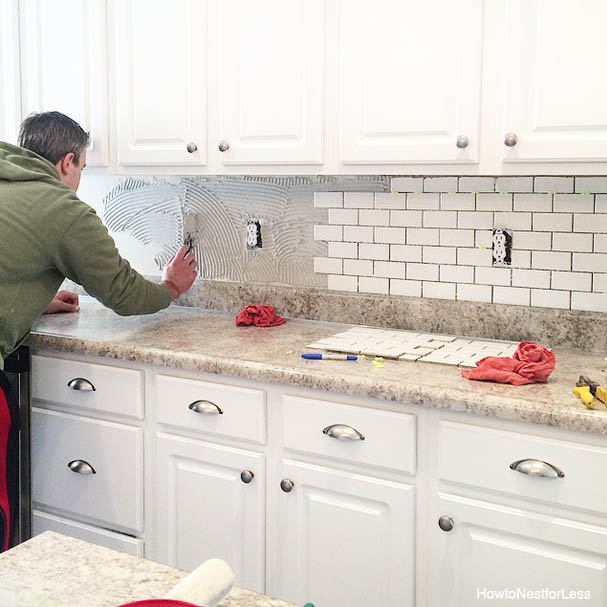
Image Source: howtonestforless.com
Deciphering the Costs: What Influences Your Backsplash Budget?
The average backsplash cost is not a simple number. Many elements contribute to the final price. Let’s break them down so you can make informed decisions.
Backsplash Tile Cost: The Heart of Your Budget
The material you choose for your backsplash is usually the biggest driver of cost. From budget-friendly options to luxurious choices, there’s a wide spectrum.
Popular Backsplash Materials and Their Price Ranges:
-
Ceramic Tile: This is a very popular and affordable option.
- Cost: Typically ranges from $1 to $10 per square foot.
- Pros: Durable, easy to clean, available in endless colors, patterns, and sizes.
- Cons: Can chip or crack if hit hard, grout lines require cleaning.
-
Porcelain Tile: Similar to ceramic but denser and less porous.
- Cost: Ranges from $2 to $15 per square foot.
- Pros: Extremely durable, water-resistant, can mimic the look of natural stone.
- Cons: Can be harder to cut than ceramic, making DIY installation a bit trickier.
-
Glass Tile: Adds a touch of sparkle and light.
- Cost: Ranges from $5 to $30+ per square foot.
- Pros: Reflects light beautifully, easy to clean, comes in various finishes (clear, frosted, iridescent).
- Cons: Can be more expensive, can be brittle and prone to chipping, requires special tools for cutting.
-
Natural Stone (Marble, Granite, Travertine, Slate): Offers a high-end, unique look.
- Cost: Ranges from $5 to $50+ per square foot, depending on the stone type and rarity.
- Pros: Natural beauty, unique patterns, adds significant value to your home.
- Cons: Porous (requires sealing), can be expensive, some stones are softer and prone to etching or staining.
-
Subway Tile: A classic choice, usually made of ceramic or porcelain.
- Cost: Usually falls within the ceramic or porcelain price ranges ($1 to $15 per square foot).
- Pros: Timeless, versatile, easy to install.
- Cons: Grout lines can be a cleaning chore.
-
Mosaic Tile: Small tiles often mounted on mesh sheets.
- Cost: Can range from $5 to $40+ per square foot.
- Pros: Allows for intricate patterns and designs, can be a statement piece.
- Cons: More grout lines to clean, installation can be time-consuming due to small pieces.
-
Metal Tile (Stainless Steel, Aluminum): Modern and sleek.
- Cost: Ranges from $5 to $30+ per square foot.
- Pros: Durable, easy to clean, contemporary look.
- Cons: Can scratch, can be challenging to cut.
-
Peel-and-Stick Backsplashes: A DIY-friendly and often budget-conscious option.
- Cost: Varies widely, from $1 to $10 per square foot for vinyl to $10 to $50+ for higher-end options like faux metal or stone.
- Pros: Easy to install, no grout needed, removable.
- Cons: Durability and longevity can be less than traditional tile, appearance might not be as premium for cheaper options.
Table 1: Backsplash Material Cost Comparison (Per Square Foot)
| Material | Low End ($) | High End ($) | Notes |
|---|---|---|---|
| Ceramic Tile | 1 | 10 | Wide variety, easy to work with. |
| Porcelain Tile | 2 | 15 | More durable than ceramic. |
| Glass Tile | 5 | 30+ | Adds shine, can be fragile. |
| Natural Stone | 5 | 50+ | Luxurious, requires sealing. |
| Subway Tile | 1 | 15 | Classic, often ceramic or porcelain. |
| Mosaic Tile | 5 | 40+ | Intricate designs, many grout lines. |
| Metal Tile | 5 | 30+ | Modern, prone to scratching. |
| Peel-and-Stick | 1 | 50+ | DIY friendly, variable quality. |
Beyond the Tile: Other Material Costs
Don’t forget these essential materials that are part of your backsplash project cost:
-
Adhesive/Thin-set Mortar: This is what sticks your tiles to the wall.
- Cost: $10-$50 per bag, enough for a moderate backsplash.
-
Grout: Fills the spaces between tiles.
- Cost: $10-$30 per box/bag.
- Type matters: Epoxy grout is more expensive but more stain-resistant and waterproof.
-
Sealer: For natural stone or porous tiles, sealing prevents stains.
- Cost: $10-$30 per bottle.
-
Caulk: For sealing edges and corners to protect against moisture.
- Cost: $5-$10 per tube.
-
Backer Board (if needed): If your wall isn’t suitable for direct tile installation (e.g., drywall that’s not properly prepped), you might need cement board or a special tile backer.
- Cost: $10-$20 per sheet.
Backsplash Labor Cost: The Professional Touch
This is often the most significant portion of the backsplash installation price. The cost of hiring a professional depends on several factors.
Factors Affecting Labor Costs:
- Complexity of the Tile Pattern: Intricate patterns like herringbone or mosaics take longer and require more skill, increasing labor costs.
- Type of Tile: Working with glass or natural stone can be more difficult and time-consuming due to cutting and handling.
- Wall Preparation: If your walls need significant repair, smoothing, or if a new backer board needs to be installed, this adds to the labor time.
- Obstacles: Working around windows, outlets, or cabinets can slow down the installation process.
- Location: Labor rates vary significantly by region. Major metropolitan areas generally have higher labor costs.
- Contractor Experience and Reputation: Highly skilled and reputable contractors often command higher rates.
How Much Do Professionals Charge?
- Hourly Rate: Some installers charge an hourly rate, typically ranging from $50 to $100+ per hour. A typical backsplash installation might take 4-8 hours, but this can vary greatly.
- Per Square Foot Rate: Many contractors provide a per-square-foot price for installation. This often includes labor and sometimes basic materials like thin-set and grout.
- Average Cost: Expect to pay anywhere from $20 to $50 per square foot for professional backsplash installation, including labor and basic materials. This can go higher for premium tiles or complex designs.
DIY Backsplash Cost: Saving Money, Investing Time
If you’re considering a DIY backsplash cost, you’ll primarily be paying for materials and tools. This can significantly reduce the overall backsplash project cost.
Tools You Might Need for DIY Installation:
- Tile Saw or Wet Saw: Essential for cutting tiles, especially for precise fits around outlets or corners. Renting one is an option if you don’t want to buy.
- Tile Nippers: For making small cuts or shaping tiles.
- Notched Trowel: To spread the adhesive evenly.
- Grout Float: To spread grout into the tile joints.
- Sponges and Buckets: For cleaning excess grout.
- Level: To ensure tiles are straight.
- Measuring Tape and Pencil: For planning and marking.
- Safety Glasses and Gloves: Always important for protection.
- Utility Knife: For cutting mesh backing on mosaics or trimming adhesive tubes.
DIY Cost Savings: While you save on labor, remember to factor in the cost of tools if you don’t already own them. Renting a tile saw can cost $20-$50 per day.
Estimating Your Total Backsplash Project Cost
To get a good estimate for your backsplash installation price, you need to measure your space and then add a buffer for waste and mistakes.
Calculating Material Needs:
- Measure: Measure the height and width of the area you want to cover.
- Example: A backsplash area that is 4 feet high and 10 feet long is 40 square feet.
- Add Waste: It’s crucial to buy extra tile for cuts, breakage, and potential future repairs.
- General Rule: Add 10-15% for straight-lay patterns.
- Add 15-20% for diagonal or intricate patterns.
- Example: For 40 sq ft with a straight pattern, buy about 44 sq ft (40 + 10%).
Putting It All Together: An Example Estimate
Let’s say you want a ceramic subway tile backsplash in a kitchen with 40 sq ft of coverage.
- Ceramic Subway Tile: 44 sq ft @ $5/sq ft = $220
- Thin-set Mortar: 1 bag = $30
- Grout: 1 box = $20
- Sealer (if needed for grout): 1 bottle = $15
- Caulk: 1 tube = $7
Total Material Cost: $220 + $30 + $20 + $15 + $7 = $292
Now, let’s add installation:
- Professional Installation: 44 sq ft @ $35/sq ft = $1,540
- Total Estimated Cost (with Professional Installation): $292 (materials) + $1,540 (labor) = $1,832
DIY Scenario: If you do it yourself, your cost would be closer to $292, plus the cost of any tools you need to buy or rent.
Fathoming Installation Nuances: What Affects the Price of Tile Backsplash Installation?
The price of tile backsplash installation can swing significantly based on how the work is done and what’s involved.
Surface Preparation: The Foundation of a Good Backsplash
This is a critical step that often gets overlooked in quick estimates. Proper preparation ensures the tiles adhere well and last longer.
- Drywall: Most kitchens have drywall. If it’s in good condition, it can often be tiled directly. However, it must be clean, dry, and sound.
- Painting: It’s generally recommended to paint walls before tiling, as painting over grout or tiles can be difficult. Some installers might charge extra to paint the wall before they start.
- Repairs: If there are holes, dents, or water damage, these will need to be repaired and smoothed. This adds time and cost.
- Backer Board: For areas prone to moisture (like behind the sink) or if the wall substrate is questionable, a cement board or specialized tile backer is essential. This adds material and labor costs.
- Removing Old Backsplash: If you have an existing backsplash that needs to be removed, this can add a few hours of labor, depending on how it was installed.
Layout and Cutting: The Art of Precision
How the tiles are laid out and cut can impact the backsplash installation price.
- Pattern:
- Straight Lay (Stacked): The most straightforward and often the cheapest to install.
- Running Bond (Brick Pattern): A classic and relatively easy pattern.
- Herringbone, Chevron, Basketweave: These patterns require more cuts and precise placement, leading to higher labor costs.
- Tile Size:
- Larger Tiles: May require fewer cuts overall but can be heavier and harder to handle.
- Small Mosaics: More grout lines to clean, but the mesh backing makes installation quicker than laying individual small tiles. However, intricate mosaic patterns might be more time-consuming.
- Obstacles:
- Electrical Outlets: Need careful cutting to fit around.
- Windows: Require precise cuts and often small tile or Schluter strips for finished edges.
- Cabinets: The space between countertop and cabinets needs to be filled evenly.
Grouting and Finishing: The Final Touches
The choice of grout and the finishing details also play a role.
- Grout Type:
- Cementitious Grout: The most common and affordable.
- Epoxy Grout: More expensive ($15-$30 per bag) but highly resistant to stains and moisture, making it ideal for kitchens.
- Grout Lines: Wider grout lines are generally quicker to grout and clean than very thin ones.
- Edge Finishing: How the edges of the backsplash are finished (e.g., with a bullnose trim piece, Schluter strip, or simply caulked) can affect the final look and cost.
DIY vs. Professional Backsplash Installation: Weighing Your Options
Deciding whether to tackle a DIY backsplash cost or hire a professional involves more than just money.
The DIY Advantage: Saving Money and Gaining Satisfaction
- Cost Savings: As discussed, the most significant saving is on labor.
- Flexibility: You can work on your own schedule.
- Personal Satisfaction: The pride of completing a project yourself can be very rewarding.
The DIY Challenges: Time, Skill, and Potential Mistakes
- Time Commitment: DIY installation takes time – planning, measuring, cutting, setting, grouting, and cleaning. What a pro does in a day might take you a weekend or longer.
- Skill Requirement: Tile installation requires patience and precision. Mistakes like crooked tiles, uneven grout lines, or improper adhesive application can be costly to fix.
- Tool Investment: You may need to buy or rent specialized tools.
- Wasted Materials: If you make mistakes, you might end up buying more tile than initially planned, negating some of your savings.
When to Hire a Professional: For Flawless Results
- Complex Designs: If you’re aiming for intricate patterns or premium materials like delicate natural stone or glass mosaics, a professional ensures a perfect finish.
- Time Constraints: If you have a busy schedule, hiring a pro is the most efficient way to get the job done.
- Lack of Experience: If you’re new to DIY or tiling specifically, professional installation guarantees a high-quality result without the risk of costly errors.
- Difficult Substrates: If your walls require significant preparation or if you’re unsure about the best substrate for your chosen tile, a professional can assess and advise.
Additional Costs to Consider
Beyond the main materials and labor, be aware of these potential extras:
- Permits: Usually not required for backsplash installation, but always check local building codes.
- Disposal Fees: If old backsplash material needs to be hauled away.
- Lighting: If you’re adding under-cabinet lighting, factor in those costs.
- Outlet Covers: You might need new, larger outlet covers or tile-in outlet covers to accommodate the thickness of the tile.
Frequently Asked Questions About Backsplash Installation Costs
Q1: What is the average cost to install a kitchen backsplash?
A1: The average backsplash cost for materials and professional installation typically falls between $600 and $2,000, but this can vary widely depending on the size of the area, the tile chosen, and the complexity of the installation.
Q2: How much does backsplash tile cost per square foot?
A2: Backsplash tile cost ranges significantly, from $1-$2 per square foot for basic ceramic tiles to $50+ per square foot for high-end natural stone or custom mosaics.
Q3: What is the backsplash labor cost typically?
A3: Backsplash labor cost generally runs from $20 to $50 per square foot when hiring a professional installer.
Q4: Can I save money by doing a DIY backsplash?
A4: Yes, a DIY backsplash cost can save you hundreds or even thousands of dollars by eliminating labor charges. However, you’ll need to invest time and potentially money in tools.
Q5: What are the most expensive backsplash materials?
A5: Natural stones like marble and granite, as well as intricate glass mosaics and custom-designed tiles, tend to be the most expensive backsplash material cost options.
Q6: Does the complexity of the tile pattern affect the installation price?
A6: Absolutely. Intricate patterns like herringbone or mosaics require more time, precision, and cuts, increasing the backsplash installation price compared to simple straight-lay patterns.
Q7: Is it cheaper to use peel-and-stick backsplashes?
A7: Generally, yes. Peel-and-stick options often have a lower material cost and eliminate labor entirely, making them a very budget-friendly choice, though durability and aesthetic appeal can vary.
Q8: How much extra tile should I buy?
A8: It’s recommended to buy an extra 10-15% of tile for straight patterns and 15-20% for diagonal or complex patterns to account for cuts and breakage.
Q9: Should I factor in wall preparation into my backsplash project cost?
A9: Yes, if your walls need repairs, smoothing, or the installation of backer board, these steps will add to the overall backsplash project cost.
Q10: What is included in the backsplash installation price from a contractor?
A10: A professional tile backsplash installation price usually includes labor for installation, basic materials like thin-set and grout, and sometimes site cleanup. It’s best to clarify exactly what is included.
By carefully considering these costs and factors, you can accurately estimate your budget and achieve a beautiful, functional kitchen backsplash that you’ll love for years to come.