
Choosing new kitchen countertops is a big decision! The cost of kitchen countertops can vary a lot. You’re likely wondering, “How much do kitchen countertops cost?” The answer depends on what material you pick, how much you need, and if you install them yourself. Let’s break down the costs to help you plan your kitchen renovation.
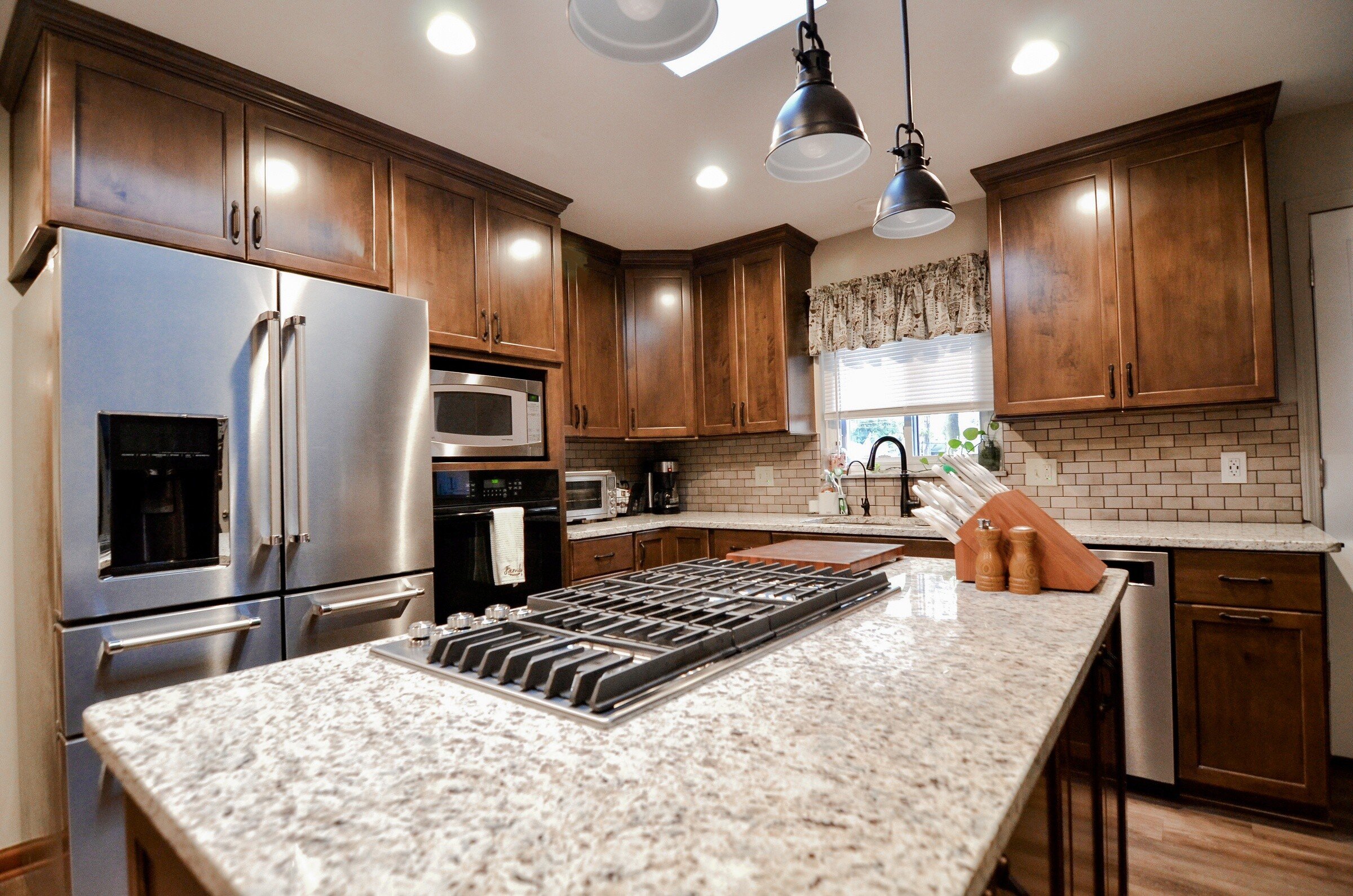
Image Source: www.jsbhomesolutions.com
Deciphering Countertop Material Costs
The biggest factor in your kitchen countertop budget is the material. Each type offers a different look, feel, and price point. We’ll explore popular options to help you make an informed choice.
Granite Countertop Prices: Nature’s Beauty
Granite is a strong, natural stone that adds elegance to any kitchen. It’s known for its unique patterns and durability.
- Price Range: Granite countertops typically cost between $40 to $100 per square foot, installed. The price can go higher for rarer colors or more complex fabrication.
-
What Influences the Price?
- Color and Pattern: Common granite colors are usually less expensive than exotic or highly patterned slabs.
- Thickness: Standard thickness is 3cm (about 1.2 inches), but thicker slabs cost more.
- Edge Profiles: Simple eased edges are standard. Fancy edges like bullnose or ogee add to the cost.
- Fabrication: Complex cuts for sinks, cooktops, or custom shapes increase the price.
- Installation: Professional installation is usually included in the per-square-foot price, but this can vary.
-
Pros:
- Durable and heat-resistant.
- Each slab is unique.
- Increases home value.
- Cons:
- Needs sealing to prevent stains.
- Can chip if hit hard.
- Natural variations may occur.
Quartz Countertop Cost: Engineered for Excellence
Quartz countertops are a man-made product, typically made of about 90% ground quartz mixed with resin binders and pigments. This makes them very consistent and non-porous.
- Price Range: Quartz countertops usually cost between $50 to $150 per square foot, installed. High-end quartz with special veining or finishes can push prices even higher.
-
What Influences the Price?
- Brand and Design: Different brands have different pricing. Designs that mimic natural stone, like marble or granite, can be more expensive.
- Thickness: Similar to granite, thicker slabs cost more.
- Edge Treatments: Standard edges are budget-friendly.
- Installation Complexity: Intricate layouts or cutouts will add to the cost.
-
Pros:
- Extremely durable and scratch-resistant.
- Non-porous, so it resists stains and bacteria.
- Low maintenance – no sealing needed.
- Wide range of colors and patterns available.
- Cons:
- Can be damaged by extreme heat.
- May show seams if not installed by experts.
- Less natural variation than stone.
Marble Countertop Prices: Timeless Elegance
Marble is a luxurious natural stone known for its beautiful veining and classic appeal. It’s softer than granite, requiring more care.
- Price Range: Marble countertops can range from $60 to $200 per square foot, installed. Prices vary widely based on the type of marble and its origin.
-
What Influences the Price?
- Marble Type: Carrara marble is more common and affordable than Calacatta marble, which has more dramatic veining.
- Origin: Marbles quarried from different regions can have different price tags.
- Slab Thickness and Edge Style: These factors add to the overall cost.
- Fabrication: Complex shaping and edge work will increase expenses.
-
Pros:
- Beautiful, classic, and elegant look.
- Each slab is unique.
- Naturally cool to the touch, which is good for baking.
- Cons:
- Softer than granite, making it prone to etching and scratching.
- Porous, requiring regular sealing to prevent stains.
- Can be very expensive.
Butcher Block Countertop Cost: Warmth and Workability
Butcher block countertops are made from solid wood pieces joined together. They offer a warm, natural look and are excellent for food preparation.
- Price Range: Butcher block countertops typically cost between $30 to $100 per square foot, installed. The wood species greatly affects the price.
-
What Influences the Price?
- Wood Species: Maple and oak are generally more affordable. Exotic woods like walnut or teak are more expensive.
- Grain Pattern: Edge grain is common and less costly. End grain is more durable for chopping but costs more.
- Finish: A simple oil finish is less expensive than a polyurethane or epoxy coating.
- Installation: While often DIY-friendly, professional installation adds cost.
-
Pros:
- Warm and inviting aesthetic.
- Can be easily repaired or refinished.
- Hygienic if properly maintained (especially end grain).
- Relatively affordable.
- Cons:
- Requires regular sealing and maintenance to prevent water damage and staining.
- Can scratch and dent.
- Susceptible to heat damage.
Laminate Countertop Prices: Budget-Friendly Choices
Laminate countertops are made from layers of plastic bonded to particleboard or plywood. They are a very affordable option and come in a vast array of colors and patterns.
- Price Range: Laminate countertops are among the least expensive, costing roughly $15 to $70 per square foot, installed.
-
What Influences the Price?
- Design Complexity: Basic colors and patterns are cheaper. High-definition prints that mimic stone or wood can cost more.
- Edge Style: Post-formed edges are common. More decorative edge treatments will increase the price.
- Brand: Different manufacturers have different pricing tiers.
-
Pros:
- Very affordable.
- Easy to clean.
- Wide variety of colors, patterns, and textures.
- Resistant to stains.
- Cons:
- Not as durable as stone or quartz.
- Can be damaged by heat and scratches.
- Edges can chip or delaminate over time.
- Cannot be repaired if significantly damaged.
Stainless Steel Countertop Cost: Modern and Practical
Stainless steel countertops are popular in professional kitchens and for those who want a sleek, modern look. They are durable, non-porous, and heat-resistant.
- Price Range: Stainless steel countertops typically cost between $50 to $150 per square foot, installed. The thickness of the steel and custom features can affect the price.
-
What Influences the Price?
- Gauge (Thickness) of Steel: Thicker steel is more durable and costs more.
- Finish: Brushed, polished, or textured finishes can have different prices.
- Custom Features: Integrated sinks, drainboards, or specialized edges will add to the cost.
-
Pros:
- Very durable and long-lasting.
- Hygienic and non-porous.
- Heat and stain-resistant.
- Modern and industrial aesthetic.
- Cons:
- Can scratch and show fingerprints.
- Can be noisy.
- May dent if heavy objects are dropped on them.
- Can be expensive.
Corian Countertop Prices: Versatile Solid Surface
Corian is a brand name for a solid surface material made from acrylic polymer and alumina trihydrate. It’s known for its seamless appearance and ability to be molded.
- Price Range: Corian countertops generally cost between $40 to $100 per square foot, installed.
-
What Influences the Price?
- Color and Pattern: Basic whites and solids are typically the least expensive. More intricate patterns or colors with fine particulate are pricier.
- Edge Details and Cutouts: Similar to other materials, these can increase costs.
- Installation: The ability to create seamless joints is a key selling point, but proper installation is crucial.
-
Pros:
- Seamless appearance with no grout lines.
- Non-porous and easy to clean.
- Can be repaired if scratched or damaged.
- Versatile in design and can be shaped.
- Cons:
- Can scratch and stain more easily than quartz.
- Less resistant to heat than stone or stainless steel.
- May not have the same luxurious feel as natural stone.
Solid Surface Countertop Cost: A Broader Category
Solid surface is a category that includes Corian, but also other brands made from similar acrylic or polyester resins. These are good for creating integrated sinks and a seamless look.
- Price Range: Generally, solid surface countertops fall between $30 to $100 per square foot, installed, depending on the specific product and brand.
-
What Influences the Price?
- Brand Name Recognition: Established brands like Corian often command a higher price.
- Color and Pattern Complexity: Simple colors are cheaper than those mimicking granite or marble.
- Fabrication: The ability to create seamless joints and integrated sinks is a key cost factor.
-
Pros:
- Non-porous and hygienic.
- Can be repaired and refinished.
- Seamless joints and integrated sinks are possible.
- Good range of colors.
- Cons:
- Can scratch and scorch.
- Not as hard or heat-resistant as quartz or granite.
Other Cost Factors to Consider
Beyond the material itself, several other elements can influence the final cost of kitchen countertops.
Fabrication and Edge Profiles
The way your countertop is cut and finished matters.
- Standard Edges: Options like eased or square edges are usually included in the base price.
- Premium Edges: Profiles like bullnose, ogee, or waterfall edges can add $10 to $50 per linear foot.
- Cutouts: For sinks, cooktops, or faucets, these are standard but complex shapes might cost extra.
- Seams: While professionals try to minimize seams, complex kitchen layouts might require them, and their placement and finishing can impact the look and cost.
Thickness of Material
Most countertops come in standard thicknesses (e.g., 2cm or 3cm for stone). Thicker slabs offer a more substantial look but come at a higher price per square foot.
Delivery and Installation
This is a significant part of the cost of kitchen countertops.
- Professional Installation: For natural stone, quartz, and stainless steel, professional installation is almost always required due to the weight and need for precise cutting and fitting. This can range from $5 to $25 per square foot.
- DIY Countertop Installation Cost: If you’re considering a DIY approach, you’ll save on labor. However, for heavy materials like granite or quartz, you’ll need specialized tools and help for lifting and placement. Laminate and some butcher block can be more DIY-friendly. The DIY countertop installation cost primarily covers tools, adhesives, and perhaps a rental fee for special equipment.
Removal of Old Countertops
If you’re replacing existing countertops, you’ll need to factor in the cost of removal and disposal. This can add $100 to $500 or more, depending on the material and complexity.
Sink and Faucet Integration
The type of sink you choose (undermount, drop-in, apron-front) and how it’s integrated into the countertop can affect fabrication costs. Some sinks are designed to fit specific countertop materials.
Budgeting for Your Kitchen Countertops
Here’s a table summarizing typical cost ranges to help you plan:
| Material | Average Price Per Square Foot (Installed) | Pros | Cons |
|---|---|---|---|
| Laminate | $15 – $70 | Affordable, Variety, Easy to clean | Less durable, Can scratch/scorch, Cannot repair damage |
| Butcher Block | $30 – $100 | Warm aesthetic, Repairable, Good for prep | Needs sealing, Can scratch/dent, Heat sensitive |
| Solid Surface | $30 – $100 | Seamless, Non-porous, Repairable, Versatile | Scratches/scorches easily, Less heat resistant than stone |
| Corian | $40 – $100 | Seamless, Non-porous, Repairable, Versatile | Scratches/scorches easily, Less heat resistant than stone |
| Stainless Steel | $50 – $150 | Durable, Hygienic, Heat/stain resistant | Scratches, Shows fingerprints, Can be noisy |
| Granite | $40 – $100 | Durable, Unique, Heat resistant, Adds value | Needs sealing, Can chip, Natural variations |
| Quartz | $50 – $150 | Very durable, Non-porous, Low maintenance | Heat sensitive, Less natural variation, Can show seams |
| Marble | $60 – $200+ | Elegant, Unique, Cool surface | Etches/scratches easily, Porous, Needs frequent sealing, Expensive |
Example Budget Breakdown
Let’s say you have a kitchen with 50 square feet of countertop space.
- Budget Option (Laminate): 50 sq ft * $40/sq ft = $2,000
- Mid-Range Option (Granite/Quartz): 50 sq ft * $75/sq ft = $3,750
- High-End Option (Marble/Exotic Quartz): 50 sq ft * $120/sq ft = $6,000
Remember, these are just estimates. Always get detailed quotes from suppliers.
Tips for Saving Money on Countertops
Want to get beautiful countertops without breaking the bank? Try these tips:
- Choose More Common Materials: Opt for popular granite colors or standard quartz patterns, which are usually less expensive.
- Consider Remnants: For smaller kitchens or islands, look for stone “remnants” – leftover pieces from larger projects. These can offer significant savings.
- Simple Edge Profiles: Stick to basic eased or square edges to avoid extra fabrication costs.
- DIY Installation (Carefully): If you’re skilled and choose a suitable material like laminate or butcher block, DIY installation can save labor costs. However, be realistic about your abilities, especially with heavy materials.
- Shop Around: Get quotes from multiple fabricators and installers. Prices can vary significantly.
- Look for Sales and Promotions: Keep an eye out for seasonal sales or package deals from countertop suppliers.
- Embrace Laminate: If budget is the absolute priority, laminate offers a wide range of looks at a very accessible price point.
FAQs About Kitchen Countertop Costs
Q1: What is the cheapest kitchen countertop material?
A1: Laminate countertops are typically the cheapest option, often starting around $15 per square foot installed.
Q2: Can I install kitchen countertops myself to save money?
A2: Yes, you can install some types of countertops yourself, like laminate or butcher block, if you have the right tools and skills. However, materials like granite and quartz are heavy and require specialized equipment and expertise for safe and proper installation. The DIY countertop installation cost can be lower, but mistakes can be costly.
Q3: How much does it cost to replace kitchen countertops?
A3: The cost to replace kitchen countertops includes material costs, fabrication, and installation, plus the removal and disposal of the old ones. This can add $100 to $500 or more to your project budget.
Q4: Is quartz more expensive than granite?
A4: Generally, quartz and granite have similar price ranges, but high-end quartz designs or rare granite can be more expensive than their counterparts. The average quartz countertop cost and granite countertop prices often overlap.
Q5: Should I choose solid surface or quartz?
A5: Both are great options. Quartz is harder and more heat-resistant, making it ideal for busy kitchens. Solid surface materials like Corian offer seamless looks and are repairable, but they can scratch and scorch more easily. The solid surface countertop cost is often comparable to mid-range quartz.
Your kitchen countertops are a significant investment, both in terms of cost and their impact on your kitchen’s functionality and aesthetic. By researching materials, understanding all the associated costs, and planning carefully, you can find the perfect countertops to fit your budget and your style.