
Can you remove a Moen kitchen faucet yourself? Yes, you can remove a Moen kitchen faucet yourself with the right tools and a clear understanding of the process. This guide will walk you through each step to successfully disconnect your old faucet and prepare for a new one, whether you’re looking to upgrade your kitchen or fix a leaky fixture.
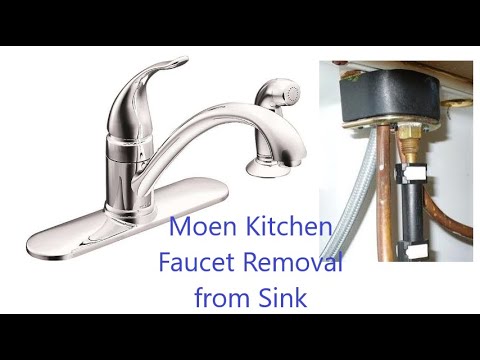
Image Source: i.ytimg.com
Getting Ready: Essential Tools and Preparation
Before you dive into under sink faucet removal, it’s crucial to gather the necessary tools for faucet removal and ensure you have a clear workspace. This preparation will make the job smoother and prevent frustration.
Gathering Your Tools
Having the right equipment is key to a successful sink faucet disconnect. Here’s a list of what you’ll likely need:
- Adjustable Wrench or Basin Wrench: This is your primary tool for loosening and removing the faucet mounting nuts. A basin wrench is particularly helpful as its long handle and swiveling head can reach tight spaces under the sink.
- Pliers: Slip-joint pliers or channel-lock pliers can be useful for gripping various parts, especially if the nuts are stubborn.
- Screwdriver (Phillips and Flathead): You might need these for any mounting brackets or securing clips, though most Moen faucets rely on nuts.
- Bucket or Towels: To catch any residual water when disconnecting Moen faucet lines.
- Safety Glasses: Protect your eyes from falling debris or splashes.
- Work Gloves: To provide a better grip and protect your hands.
- Flashlight or Work Light: The area under the sink is often dark, so good lighting is essential.
- Penetrating Oil (Optional but Recommended): For any corroded or stuck nuts, a good penetrating oil can make removal much easier.
- Putty Knife or Scraper: For plumber’s putty removal if it was used during the previous Moen faucet installation.
- Rags: For cleaning up any spills or water.
Preparing Your Workspace
A clean and accessible workspace is half the battle.
- Clear Everything from Under the Sink: Remove all cleaning supplies, trash cans, and anything else stored beneath your sink. This gives you ample room to work.
- Ventilate the Area: Open a window or turn on the exhaust fan to ensure good airflow, especially if you’ll be using cleaning solutions or if the area is a bit musty.
- Protect Your Cabinets: Lay down old towels or a drop cloth on the cabinet floor to absorb any drips and protect the finish.
Shutting Off the Water Supply: The First Critical Step
This is the most important part of the process. You must shut off water supply before attempting any faucet disconnection. Failing to do this will result in a flood.
Locating the Shut-Off Valves
- Look for two valves under the sink, typically connected to the water supply lines that run up to your faucet. One is for hot water, and the other is for cold.
- These valves usually have a small handle that you turn clockwise to shut off the water.
Turning Off the Water
- Turn the faucet handles to the “on” position. This helps drain any remaining water in the lines and ensures the valves are fully off.
- Turn the hot water shut-off valve clockwise until it stops.
- Turn the cold water shut-off valve clockwise until it stops.
- Check the water flow: Turn the faucet handles back on briefly to confirm that the water has stopped flowing from both the hot and cold sides. A small trickle might come out, but it should stop quickly.
Disconnecting the Water Lines
Now that the water is off, you can safely disconnect the hot and cold water lines.
Step-by-Step Line Disconnection
- Place a bucket or towels under the connections. This will catch any residual water trapped in the lines.
- Identify the water supply lines. These are typically flexible hoses or sometimes rigid copper pipes that connect the shut-off valves to the faucet shanks.
- Use your adjustable wrench to loosen the nuts connecting the supply lines to the faucet shanks. Turn the nuts counter-clockwise.
- Tip: If the nuts are difficult to turn, apply a little penetrating oil and let it sit for a few minutes. You might need to hold the shut-off valve steady with another wrench to prevent it from turning, especially if it’s an older valve.
- Once the nuts are loose, unscrew them by hand.
- Gently pull the supply lines away from the faucet. Be prepared for a small amount of water to drip out.
Removing the Faucet Mounting Hardware
This is where the under sink faucet removal truly takes place. Moen faucets are typically secured by faucet mounting nuts that hold the faucet body to the underside of the sink or countertop.
Locating and Loosening the Mounting Nuts
- Get under the sink and locate the faucet shanks. These are the threaded pipes that extend down from the base of the faucet through the sink holes.
- Identify the faucet mounting nuts. These are large nuts, often made of plastic or metal, that screw onto the faucet shanks. There may be one or two nuts per shank, depending on the faucet design.
- Use your basin wrench or adjustable wrench to loosen these nuts. Turn them counter-clockwise. This can be the trickiest part due to the confined space.
- If you have a basin wrench: Position the head of the wrench onto the nut, ensuring a good grip, and turn the handle.
- If you have an adjustable wrench: You might need to be more strategic. Try to get the jaws of the wrench around the nut and turn. Sometimes, you can get a good grip by working from an angle.
- For stubborn nuts: Again, penetrating oil can be your best friend. Apply it generously and let it soak. Gentle tapping with a rubber mallet on the wrench can also help break the seal.
Dealing with Mounting Brackets or Sleeves
Some Moen faucets have additional mounting brackets or sleeves that secure the faucet.
- Examine the shanks: Look for any plastic or metal clips, washers, or sleeves that might be between the nut and the underside of the sink. These often slide off once the nuts are removed.
- Remove any washers or gaskets: There might be rubber or plastic washers that help create a seal. These can usually be pulled off or pried gently with a flathead screwdriver if they’re stuck.
Detaching the Faucet from the Sink
With the mounting hardware loosened or removed, you can now physically detach the faucet.
Lifting the Faucet Free
- Gently wiggle the faucet from above. Once the nuts and any brackets are off, the faucet should feel loose.
- Lift the faucet straight up and out of the sink holes. You might need to twist it slightly if it’s still catching on anything.
- Be prepared for old plumber’s putty. If plumber’s putty removal is needed, you’ll likely encounter it around the base of the faucet where it meets the sink.
Cleaning Up and Preparing for the New Faucet
After the old faucet is removed, a thorough cleaning of the sink area is essential before proceeding with a new Moen faucet installation or any other replacing kitchen faucet project.
Removing Old Plumber’s Putty
- Scrape away any visible plumber’s putty. Use your putty knife or scraper to carefully remove the old putty from the sink surface. Work slowly to avoid scratching the sink.
- For stubborn residue: You can use a plastic scraper or a mild solvent (like Goo Gone) to help loosen the hardened putty.
- Clean the area thoroughly. Use a damp cloth and a bit of mild dish soap to wipe down the sink surface where the old faucet was mounted. Ensure all residue is gone.
Inspecting the Sink Holes
- Check the sink holes for any damage or corrosion.
- Make sure the openings are clean and smooth, ready for your new faucet.
Common Challenges and Solutions
Even with careful preparation, you might encounter a few snags during the under sink faucet removal.
Stubborn Mounting Nuts
- Penetrating Oil: This is your best friend. Apply it liberally and allow ample time to work.
- Basin Wrench Technique: Ensure the wrench head is firmly seated on the nut. Apply steady pressure.
- Heat (Use with Extreme Caution): In very rare cases, a heat gun on a low setting might help expand the nut slightly, breaking the corrosion. However, be extremely cautious with heat near plastic components or plumbing connections. This is a last resort.
Corroded Water Lines
- If the supply lines are badly corroded and cannot be loosened from the shut-off valves, you might need to replace the shut-off valves themselves. This is a more advanced plumbing task. If you’re not comfortable with this, it’s time to call a professional plumber.
Access Issues
- Different Faucet Designs: While this guide covers a typical Moen faucet, some models have unique mounting systems. Refer to your faucet’s manual if you have one.
- Tight Spaces: If your sink cabinet is particularly small, maneuvering tools can be difficult. Take breaks, and try different angles. A flexible shaft screwdriver or a ratcheting wrench can sometimes help.
Troubleshooting Table
| Problem | Potential Cause(s) | Solution(s) |
|---|---|---|
| Water won’t shut off | Old or faulty shut-off valves | Replace shut-off valves (if comfortable) or call a plumber. |
| Mounting nuts won’t budge | Corrosion, mineral buildup, overtightening | Penetrating oil, basin wrench, gentle tapping, last resort: careful use of heat. |
| Supply line nuts stuck | Corrosion, overtightening | Penetrating oil, proper wrench grip, potentially replace supply line if it’s the issue. |
| Cannot reach nuts | Sink design, tight cabinet space | Basin wrench, flexible shaft tools, removal of surrounding pipes or brackets if possible. |
| Faucet still slightly loose | Mounting nuts not fully tightened, missing washer | Re-examine for any remaining securing hardware or washers. Ensure nuts are fully tightened (but not overtightened). |
| Difficulty removing putty | Old, hardened plumber’s putty | Putty knife, plastic scraper, mild solvent, patience. |
Frequently Asked Questions (FAQ)
Q1: How long does it usually take to remove a Moen kitchen faucet?
A: For a DIYer with all the tools and a clear workspace, removing a Moen kitchen faucet typically takes between 30 minutes to an hour. If you encounter stubborn nuts or corrosion, it could take longer.
Q2: What if I can’t find the shut-off valves under my sink?
A: If you can’t locate the shut-off valves under the sink, you’ll need to shut off water supply to the entire house. This is usually done at the main water shut-off valve, often located in the basement, crawl space, garage, or near your water meter.
Q3: Do I need to replace the water supply lines when replacing a faucet?
A: It’s highly recommended, especially if your current supply lines are old, kinked, or show signs of wear. New faucets often come with new supply lines, or you can purchase compatible ones. Ensuring good connections with new lines is part of a successful Moen faucet installation.
Q4: What is plumber’s putty used for?
A: Plumber’s putty is a soft, pliable compound used to create a watertight seal between plumbing fixtures (like faucets) and the sink or countertop surface. It helps prevent water from leaking down into the cabinet. When removing an old faucet, plumber’s putty removal is a common cleanup task.
Q5: Can I use pliers instead of a basin wrench for the faucet mounting nuts?
A: While you can try using pliers, a basin wrench is specifically designed for reaching and turning nuts in tight, awkward spaces under sinks. It offers much better leverage and grip, making the job significantly easier and less likely to damage the faucet or sink. For a smooth sink faucet disconnect, a basin wrench is ideal.
By following these detailed steps, you can confidently tackle the task of removing your Moen kitchen faucet. Remember to prioritize safety by shutting off the water supply and preparing your workspace thoroughly. Good luck with your project!