
Image Source: contentgrid.homedepot-static.com
How To Clean Drain Pipes In Kitchen Fast
Can I unclog my kitchen sink fast? Yes, you can unclog your kitchen sink fast using a variety of methods, from simple household ingredients to specialized drain cleaners. The speed of clearing a blockage often depends on the severity and type of clog.
A slow-draining kitchen sink or a complete clogged kitchen drain can be a major nuisance, especially when you need to get tasks done quickly. The culprit behind most kitchen pipe problems is often a buildup of grease, food particles, and other debris. Knowing how to clean drain pipes in your kitchen fast can save you time, money, and a lot of frustration. This guide will walk you through effective methods to tackle kitchen pipe cleaning and maintain your kitchen plumbing.
The Common Culprits Behind Kitchen Drain Blockages
Before diving into cleaning methods, it’s helpful to understand what typically causes a drain pipe blockage in the first place.
- Grease and Fat: When hot grease, oil, or fat is poured down the drain, it cools and solidifies. Over time, this creates a sticky layer that traps other debris, narrowing the pipe. This is one of the most common reasons people need to unclog kitchen sink issues.
- Food Scraps: Small bits of food, especially fibrous vegetables, coffee grounds, eggshells, and rice, can accumulate and form dense blockages.
- Soap Scum: While less common than grease, soap residue can also contribute to buildup in drain pipes.
- Foreign Objects: Accidental drops of items like bottle caps, small utensils, or plastic wrappers can also cause immediate blockages.
Fast and Effective Methods to Clean Drain Pipes
When you need to get your sink draining again in a hurry, these methods are your best bet.
Method 1: The Boiling Water Flush
This is the simplest and often quickest way to deal with minor grease buildup.
What you’ll need:
- A kettle or pot for boiling water
- Safety gloves (optional, but recommended)
Steps:
- Boil water: Heat a kettle or pot of water to boiling. Be cautious when handling boiling water.
- Pour slowly: Carefully and slowly pour the boiling water directly down the drain. Do this in stages, allowing the water to work for a few seconds between pours.
- Repeat if necessary: For stubborn clogs, you might need to repeat this process a couple of times.
Why it works: The hot water can melt and loosen solidified grease and oil, allowing it to flow away.
Method 2: Baking Soda and Vinegar – A Natural Drain Cleaner Powerhouse
This is a popular natural drain cleaner method that’s safe and effective for many clogs.
What you’ll need:
- 1 cup of baking soda
- 1 cup of white vinegar
- Boiling water
- A drain stopper or old rag
Steps:
- Pour baking soda: Pour the baking soda directly down the drain.
- Add vinegar: Immediately follow with the cup of white vinegar. You’ll hear and see a fizzy reaction – this is the chemical process that helps break down buildup.
- Cover the drain: Quickly cover the drain opening with a stopper or a tightly rolled rag. This forces the mixture downwards into the pipes.
- Let it sit: Allow the mixture to work for at least 15-30 minutes. For tougher clogs, you can let it sit for an hour or even overnight.
- Flush with boiling water: After the waiting period, remove the stopper and flush the drain with boiling water.
Why it works: The baking soda is alkaline, and vinegar is acidic. When combined, they create a chemical reaction that produces carbon dioxide gas. This fizzing action can dislodge minor blockages. Baking soda also has mild abrasive properties, and vinegar helps to break down grease.
Method 3: Dish Soap and Hot Water
Dish soap is designed to cut through grease, making it a good choice for kitchen drains.
What you’ll need:
- Liquid dish soap
- Boiling water
Steps:
- Squirt dish soap: Pour a generous amount of liquid dish soap down the drain.
- Add boiling water: Follow with a kettle of boiling water, poured slowly.
- Wait and flush: Let it sit for a few minutes, then flush with more hot water.
Why it works: The degreasing agents in dish soap help to break down the fatty deposits that cause many kitchen sink drain clogs.
Method 4: The Plunger – Your First Line of Defense
A plunger is a classic and highly effective tool for unclog kitchen sink emergencies.
What you’ll need:
- A cup-style plunger (specifically for sinks, not toilets)
- Water to create a seal
Steps:
- Ensure a seal: Make sure there’s enough water in the sink to cover the rubber cup of the plunger. If the sink is empty, add water.
- Create suction: Place the plunger over the drain opening, ensuring a tight seal. If you have a double sink, block the other drain with a wet rag to maximize suction.
- Plunge vigorously: Push down and pull up on the plunger handle repeatedly and forcefully for about 20-30 seconds.
- Check the drain: Remove the plunger and see if the water drains. If not, repeat the plunging process.
Why it works: The plunger creates alternating pressure and suction, which can dislodge the clog.
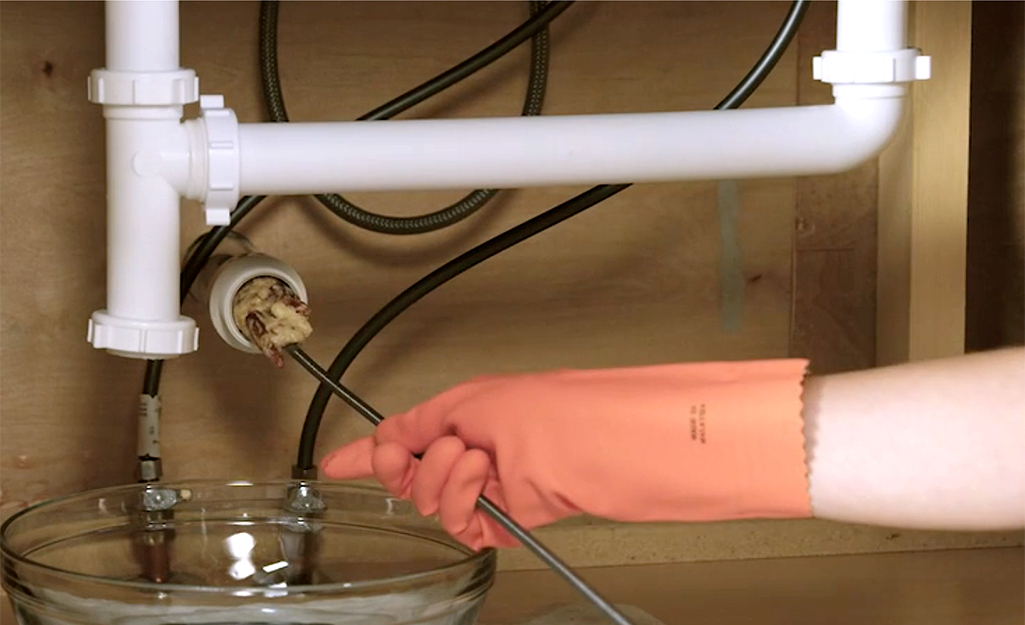
Method 5: The Drain Snake or Auger
For more stubborn clogs that plunging can’t fix, a drain snake is your next step. This is a flexible tool designed to reach deeper into the pipes and break up or pull out blockages.
What you’ll need:
- A drain snake (also known as a plumbing auger)
- Gloves
- A bucket or trash bag for debris
Steps:
- Insert the snake: Feed the end of the drain snake into the drain opening.
- Advance the cable: Gently push the cable into the pipe until you encounter resistance (the clog).
- Work the clog: Once you hit the clog, crank the handle to rotate the auger end. This will either break up the blockage or snag it.
- Retrieve debris: Slowly pull the snake back out. If you snagged something, carefully remove it from the snake.
- Flush the drain: Once the clog is cleared, flush the drain with hot water to remove any remaining debris.
Why it works: The physical action of the snake’s tip can break apart solid clogs or hook onto softer materials to pull them out.
When to Use Commercial Kitchen Sink Drain Cleaner
Sometimes, DIY methods aren’t enough. Commercial kitchen sink drain cleaner products are designed to dissolve tough clogs, particularly grease and hair. However, they can be harsh and should be used with caution.
Types of Commercial Drain Cleaners:
- Enzymatic Cleaners: These use bacteria or enzymes to “eat” organic waste like grease and food. They are slower-acting but gentler on pipes and the environment.
- Caustic/Alkaline Cleaners: These use strong bases like lye to dissolve grease and soap scum. They work quickly but can be damaging to certain pipe materials and are hazardous if mishandled.
- Acidic Cleaners: These use strong acids to dissolve clogs. They are very powerful but also very dangerous and should only be used as a last resort by professionals.
Important Precautions When Using Commercial Cleaners:
- Read the label: Always follow the manufacturer’s instructions precisely.
- Ventilation: Ensure the area is well-ventilated.
- Protective gear: Wear gloves and eye protection.
- Never mix: Do not mix different drain cleaners, as this can create dangerous fumes.
- Avoid if you have a septic system: Some chemicals can harm the bacteria in septic tanks.
- Not for slow drains: These are best for full clogs, not gradual slowdowns.
- Pipe material: Be aware of your pipe material (PVC, metal) as some cleaners can damage certain types.
How to use a typical caustic cleaner:
- Pour carefully: Pour the recommended amount of cleaner directly into the drain.
- Wait: Allow the cleaner to sit for the time specified on the label (usually 15-30 minutes).
- Flush with cold water: Flush thoroughly with cold water as per the instructions. Using hot water can sometimes cause dangerous chemical reactions.
Natural vs. Chemical Drain Cleaners
| Feature | Natural Drain Cleaners (Baking Soda, Vinegar, Hot Water) | Chemical Drain Cleaners (Caustic/Enzymatic) |
|---|---|---|
| Speed | Slower, best for minor clogs and maintenance. | Faster, effective for tougher clogs. |
| Safety | Very safe for users and pipes. | Can be hazardous; requires caution. |
| Pipe Damage | No risk of pipe damage. | Can damage certain pipe materials if misused. |
| Environment | Eco-friendly. | Can be harmful to the environment. |
| Cost | Very inexpensive. | Varies, can be more expensive. |
| Effectiveness | Good for grease and minor food buildup. | Effective for grease, hair, soap scum. |
Long-Term Drain Pipe Maintenance to Prevent Clogs
The best way to deal with clogged kitchen drain issues is to prevent them from happening in the first place. Regular drain pipe maintenance is crucial for healthy kitchen plumbing.
Prevention Strategies:
- Scrape plates: Always scrape food scraps into the trash or compost bin before rinsing dishes.
- Avoid pouring grease: Never pour cooking oil, grease, or fat down the drain. Collect it in a container and dispose of it in the trash once cooled.
- Use a drain strainer: A mesh strainer in your sink catch food particles and other debris, preventing them from entering the pipes. Clean it regularly.
- Run hot water: After using the sink, especially after washing greasy dishes, run hot water for a minute to help flush away any residue.
- Regular flush with natural cleaners: Periodically (e.g., once a month), pour a mixture of baking soda and vinegar followed by hot water down the drain to keep pipes clear. This is an excellent form of DIY drain cleaning.
- Compost coffee grounds and eggshells: These are notorious for causing clogs and should ideally be composted.
When to Call a Professional Plumber
While many kitchen sink clogs can be handled with DIY methods, there are times when it’s best to call in a professional plumber.
Signs you need a plumber:
- Multiple drains are clogged: If several drains in your house are backing up, it could indicate a blockage in the main sewer line.
- Persistent clogs: If you’ve tried multiple methods and the clog keeps returning, there might be a more significant issue.
- Foul odors: Persistent bad smells from the drain can signal a serious backup or pipe problem.
- No water flow at all: If the sink is completely blocked and won’t allow any water to pass, it might require professional tools.
- You’re uncomfortable: If you’re not comfortable with any of the DIY methods, it’s always safer to call a professional.
A plumber has specialized equipment like video cameras to inspect your pipes and powerful augers to clear even the most stubborn blockages, ensuring your kitchen plumbing is in good working order. They can also identify issues like root intrusion or pipe damage that you wouldn’t be able to see.
Frequently Asked Questions (FAQ)
Q1: What is the fastest way to unclog a kitchen sink?
A1: The fastest way to unclog a kitchen sink often depends on the clog. For minor grease buildup, boiling water is quick. For most other clogs, a plunger used vigorously can provide fast results.
Q2: Can I pour bleach down the drain to unclog it?
A2: It’s generally not recommended to pour bleach down the drain to unclog it. Bleach is a disinfectant and can kill beneficial bacteria in septic systems. It’s also a harsh chemical that can damage pipes over time and, when mixed with other common drain cleaners (like those containing ammonia or acids), can create toxic fumes.
Q3: How do I remove grease from my kitchen drain?
A3: To remove grease from drain pipes, the best methods involve hot water, dish soap, or a baking soda and vinegar mixture. Regular flushing with hot water after washing greasy dishes is also a good preventative measure.
Q4: How often should I do drain pipe maintenance?
A4: Aim to perform some form of drain pipe maintenance at least once a month. This could include running hot water, using a baking soda and vinegar flush, or ensuring your drain strainers are clean.
Q5: Is DIY drain cleaning safe for my pipes?
A5: Yes, DIY drain cleaning methods like using baking soda, vinegar, and hot water are very safe for your pipes. Commercial drain cleaners, however, can be harsh and should be used with caution according to product instructions.
By following these methods and prioritizing preventative drain pipe maintenance, you can keep your kitchen sink draining smoothly and avoid the frustration of a clogged kitchen drain.