
Seeing little ants marching across your kitchen counters can be unsettling. Can you get rid of little ants in your kitchen fast? Yes, you absolutely can, by employing a combination of immediate cleaning, targeted treatments, and preventative measures. The quickest way to tackle a kitchen ant infestation often involves identifying their entry points and food sources, then using effective ant control methods to eliminate them.
Ants in the kitchen are a common problem, often attracted by crumbs, spills, and standing water. These tiny invaders can quickly turn a clean kitchen into a nuisance. This guide will walk you through everything you need to know about dealing with these unwelcome guests, from immediate solutions to long-term prevention.
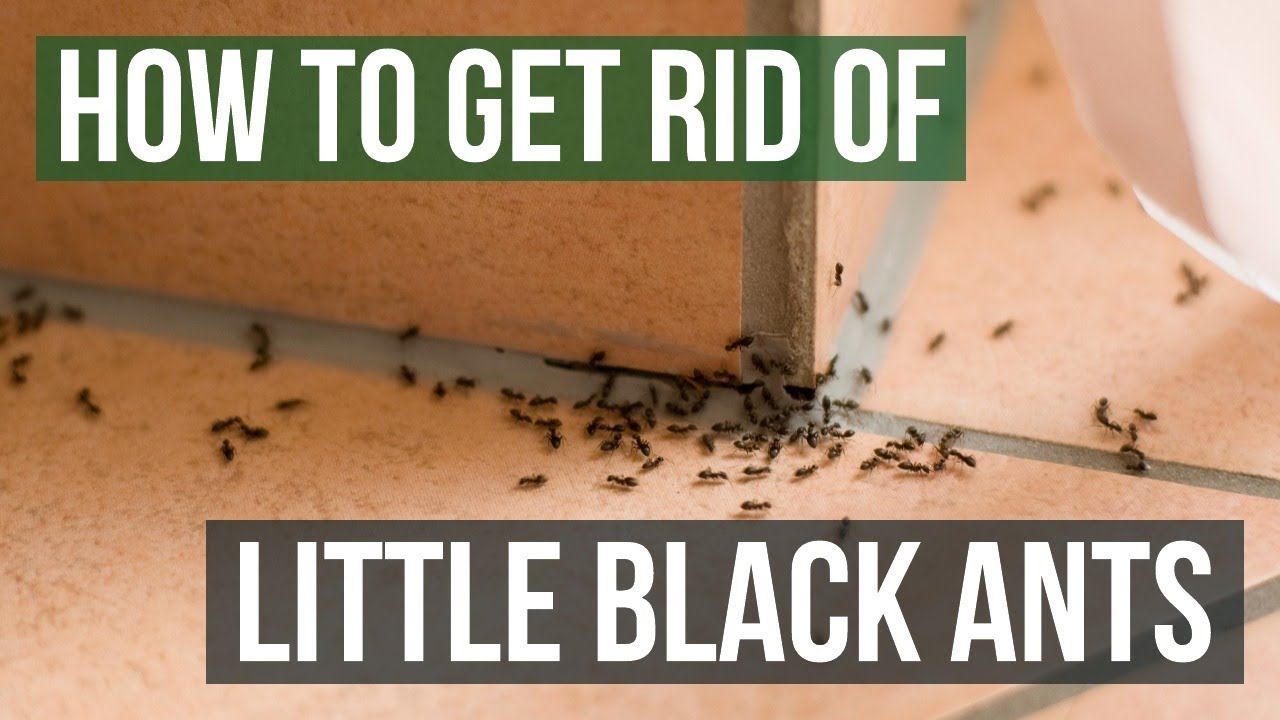
Image Source: i.ytimg.com
Locating the Ant Trails
Before you can effectively get rid of ants, you need to find out where they’re coming from and where they’re going. Ants leave behind a scent trail, called a pheromone trail, that other ants follow. If you can see a line of ants, follow them to their entry point into your kitchen or to their food source.
Common Entry Points
- Cracks and crevices: Ants can squeeze through surprisingly small openings in walls, windows, and doors.
- Around pipes and wires: Gaps where pipes or electrical wires enter your home are common entry points.
- Under doors and windows: Even small gaps can be an invitation for ants.
- Vents and utility openings: These can also serve as pathways.
Identifying Food Sources
- Sweet substances: Sugar, honey, syrup, jam, and fruit juices are prime attractants.
- Grease and oils: Leftover food residue on counters, stovetops, or floors.
- Pet food: Wet or dry pet food left out.
- Trash cans: Unsealed garbage cans with food scraps.
- Spills: Sticky or sugary spills that haven’t been cleaned up.
Immediate Solutions for Eliminating Kitchen Ants
When you need to get rid of ants fast, several immediate actions can help. These are your first line of defense against a kitchen ant infestation.
Deep Cleaning is Key
The most crucial first step in eliminating kitchen ants is thorough cleaning. Ants are looking for food and water, so removing these resources is essential.
- Wipe down all surfaces: Use soapy water or a vinegar-water solution to clean countertops, tables, and the stovetop. This removes not only food particles but also disrupts their pheromone trails.
- Sweep and mop floors: Get rid of any crumbs or spills on the floor. Pay attention to corners and under appliances.
- Clean the sink: Ensure there’s no standing water in the sink. Wash dishes promptly and don’t leave them in the sink overnight.
- Empty trash cans regularly: Make sure trash cans have tight-fitting lids and empty them frequently, especially if they contain food waste.
- Clean pet food bowls: Wash pet food bowls after each meal, or at least daily.
Disrupting Pheromone Trails
Once you’ve cleaned, you need to erase those scent trails.
- Vinegar Solution: Mix equal parts white vinegar and water in a spray bottle. Spray this solution on ant trails, entry points, and any areas where you’ve seen ants. The vinegar smell is unpleasant to ants and destroys their scent trails.
- Soapy Water: A simple solution of dish soap and water can also break down pheromone trails. Spray directly on ants or use a sponge dipped in the solution to wipe down surfaces.
Effective Ant Control Methods
Beyond immediate cleaning, you’ll need to employ targeted methods to get rid of the ants and prevent them from returning.
Ant Killer Sprays and Baits
There are various ant killer for kitchens products available.
- Ant Baits: These are often the most effective for long-term control. Ants eat the bait, which contains a slow-acting poison, and carry it back to the colony, killing the queen and other ants. Place baits in areas where you see ant activity, but out of reach of children and pets.
- Contact Sprays: These kill ants on contact but don’t usually solve the underlying colony problem. Use them sparingly and only in areas where you can clean up the dead ants afterward. Look for products specifically labeled for kitchen use and follow instructions carefully.
Table 1: Types of Ant Control Products
| Product Type | How it Works | Pros | Cons |
|---|---|---|---|
| Ant Baits | Ants eat poisoned bait and take it to the colony. | Effective for colony elimination, targets the source. | Can take a few days to see full results, needs careful placement. |
| Contact Sprays | Kills ants on contact. | Immediate results on visible ants. | Doesn’t kill the colony, can be harsh chemicals, requires cleanup. |
| Ant Gel | Similar to baits, often applied in cracks and crevices. | Targeted application, can be effective for specific trails. | Can be messy if not applied correctly, needs careful placement. |
DIY Ant Traps
You can create your own DIY ant traps using common household items.
- Borax and Sugar Trap: Mix one part Borax with three parts sugar or powdered sugar. Add enough water to make a paste or a thick liquid. Place this mixture on small pieces of cardboard or in shallow lids in areas where ants are active. The sugar attracts them, and the Borax is a poison. Caution: Borax can be toxic if ingested by pets or children, so place these traps carefully.
- Cornmeal Trap: Some believe that ants eat cornmeal and cannot digest it, leading to their demise. Place small piles of cornmeal in areas with ant activity. This is a gentler, more natural approach, though its effectiveness can vary.
Natural Ant Repellent and Safe Ant Solutions
For those who prefer to avoid chemical pesticides, there are excellent natural ant repellent options and safe ant solutions. These methods focus on deterring ants and disrupting their environment.
Essential Oils
Many essential oils have strong scents that ants dislike and can disrupt their pheromone trails.
- Peppermint Oil: A few drops of peppermint oil on a cotton ball and placed near entry points can deter ants. You can also mix it with water in a spray bottle for wider application.
- Tea Tree Oil: Similar to peppermint oil, tea tree oil can be used on cotton balls or diluted in water.
- Cinnamon Oil: The strong scent of cinnamon is a natural ant repellent.
Other Natural Deterrents
- Vinegar: As mentioned, vinegar is a powerful natural cleaner and ant deterrent.
- Lemon Juice: The acidity of lemon juice can disrupt pheromone trails and is unappealing to ants.
- Coffee Grounds: Some people find that scattering used coffee grounds near entry points can deter ants.
- Chalk: Drawing a chalk line across an ant trail can sometimes stop them from crossing, as they are hesitant to cross powdery barriers.
Getting Rid of Ants Naturally
When getting rid of ants naturally, the focus is on prevention and disruption rather than outright killing.
- Seal Entry Points: Use caulk or sealant to close any cracks or holes in walls, windows, and doors.
- Keep Kitchen Clean: This cannot be stressed enough. Regular, thorough cleaning removes attractants.
- Store Food Properly: Keep all food, especially sugary items, in airtight containers.
Advanced Strategies for Effective Ant Control
When initial efforts don’t fully resolve the issue, you might need to employ more advanced strategies for effective ant control.
Identifying the Ant Species
Different ant species respond to different treatments. If you have a persistent problem, try to identify the type of ant you’re dealing with. Common kitchen ants include:
- Odorous House Ants: Small, dark brown ants that emit a strong, unpleasant odor (like rotten coconut) when crushed. They are attracted to sweets.
- Pavement Ants: Small, dark brown to black ants often found near sidewalks and driveways, but they can also invade kitchens seeking food.
- Pharaoh Ants: Tiny, pale yellow to reddish-brown ants. They are notorious for spreading bacteria and can be difficult to control as they can develop resistance to pesticides.
Professional Pest Control
If you’ve tried various methods and still have a significant kitchen ant infestation, it might be time to call in the professionals.
- Inspection: A pest control technician can identify the ant species and the extent of the infestation.
- Targeted Treatments: They have access to professional-grade products and techniques that are often more effective than what’s available to consumers.
- Colony Elimination: Professionals are best equipped to locate and eliminate the ant colony’s source.
Table 2: When to Consider Professional Pest Control
| Situation | Recommendation |
|---|---|
| Persistent Infestation | Ants return quickly after treatment. |
| Large Infestation | You see ants in multiple rooms or large numbers. |
| Difficulty Identifying Source | You can’t find where the ants are coming from. |
| Specific Ant Types | Pharaoh ants or carpenter ants (which can damage wood) require professional attention. |
| Health Concerns | You have young children or pets and are concerned about the safety of DIY methods. |
Preventing Ants in the Kitchen
The best way to deal with ants is to prevent them from entering your kitchen in the first place. Preventing ants in the kitchen involves consistent habits and sealing potential entry points.
Seal Entry Points
This is a fundamental step in preventing ants in the kitchen.
- Caulk gaps: Seal any cracks or holes in walls, around windows and doors, and where pipes or wires enter your home.
- Check window and door screens: Repair any tears or holes.
Eliminate Food and Water Sources
- Clean spills immediately: Don’t let sticky residues or crumbs linger.
- Store food properly: Use airtight containers for all food items, including sugar, flour, cereal, and pet food.
- Rinse recyclables: Make sure jars and cans are rinsed before going into the recycling bin.
- Fix leaky faucets and pipes: Ants need water, so eliminate any excess moisture.
- Don’t leave dirty dishes in the sink: Wash them promptly or at least rinse them well.
Regular Maintenance
- Vacuum and sweep regularly: This removes crumbs and helps disrupt scent trails.
- Wipe down pet food areas: Keep these areas clean and dry.
- Check for ant nests outdoors: Inspect your home’s exterior for ant mounds, especially near the foundation, and address them if found.
Dealing with Specific Ant Problems
Sometimes, you might encounter specific ant issues that require tailored approaches.
Carpenter Ants
Carpenter ants are larger than typical kitchen ants and can cause structural damage by tunneling into wood. If you suspect carpenter ants, household ant removal might not be enough, and professional help is usually recommended. They often prefer moist or damaged wood.
Argentine Ants
These ants are known for forming supercolonies and can be extremely difficult to eradicate. They are attracted to sweets and can enter homes in large numbers. Effective control often involves using baits that they readily consume and carry back to the colony.
Frequently Asked Questions About Kitchen Ants
Here are some common questions people have about dealing with ants in their kitchens.
Q1: What is the fastest way to kill ants in my kitchen?
The fastest way to kill visible ants is by using a contact spray. However, for long-term elimination, ant baits are more effective as they target the entire colony, including the queen. Thorough cleaning to remove their food sources and disrupt their scent trails is also a crucial immediate step.
Q2: Are natural ant repellents effective?
Yes, natural ant repellent options like essential oils (peppermint, tea tree) and vinegar can be very effective at deterring ants and disrupting their trails. While they might not always eliminate the entire colony on their own, they are excellent components of a comprehensive household ant removal strategy, especially for getting rid of ants naturally.
Q3: How do I know if I have a severe kitchen ant infestation?
A severe kitchen ant infestation is characterized by ants appearing in large numbers, in multiple areas of your kitchen and even other parts of your home, and returning quickly after you’ve cleaned or applied deterrents. If you see ants constantly, it’s a sign that the colony is well-established and needs significant intervention.
Q4: Can I use ant killer if I have pets or children?
When using any ant killer for kitchens, especially chemical ones, always prioritize safe ant solutions. Read labels carefully, choose products specifically labeled as safe for use around pets and children, and follow all application instructions precisely. Place baits and traps in locations inaccessible to them. Natural methods are generally safer alternatives.
Q5: How long does it take to get rid of ants?
The time it takes to eliminate ants varies depending on the infestation’s severity and the methods used. Visible ants can be killed quickly with contact sprays. However, eliminating the entire colony using baits can take anywhere from a few days to a couple of weeks. Persistent prevention is key to keeping them away permanently.
By combining thorough cleaning, targeted treatments, and diligent prevention, you can effectively get rid of little ants in your kitchen fast and keep them from returning. Remember that consistency is your greatest ally in maintaining an ant-free home.