
Redoing a small kitchen can typically take anywhere from 2 to 8 weeks, depending on the scope of the work, contractor availability, and any unforeseen issues that may arise. This guide will break down the factors influencing your small kitchen remodel timeline and provide a realistic kitchen renovation duration estimate.
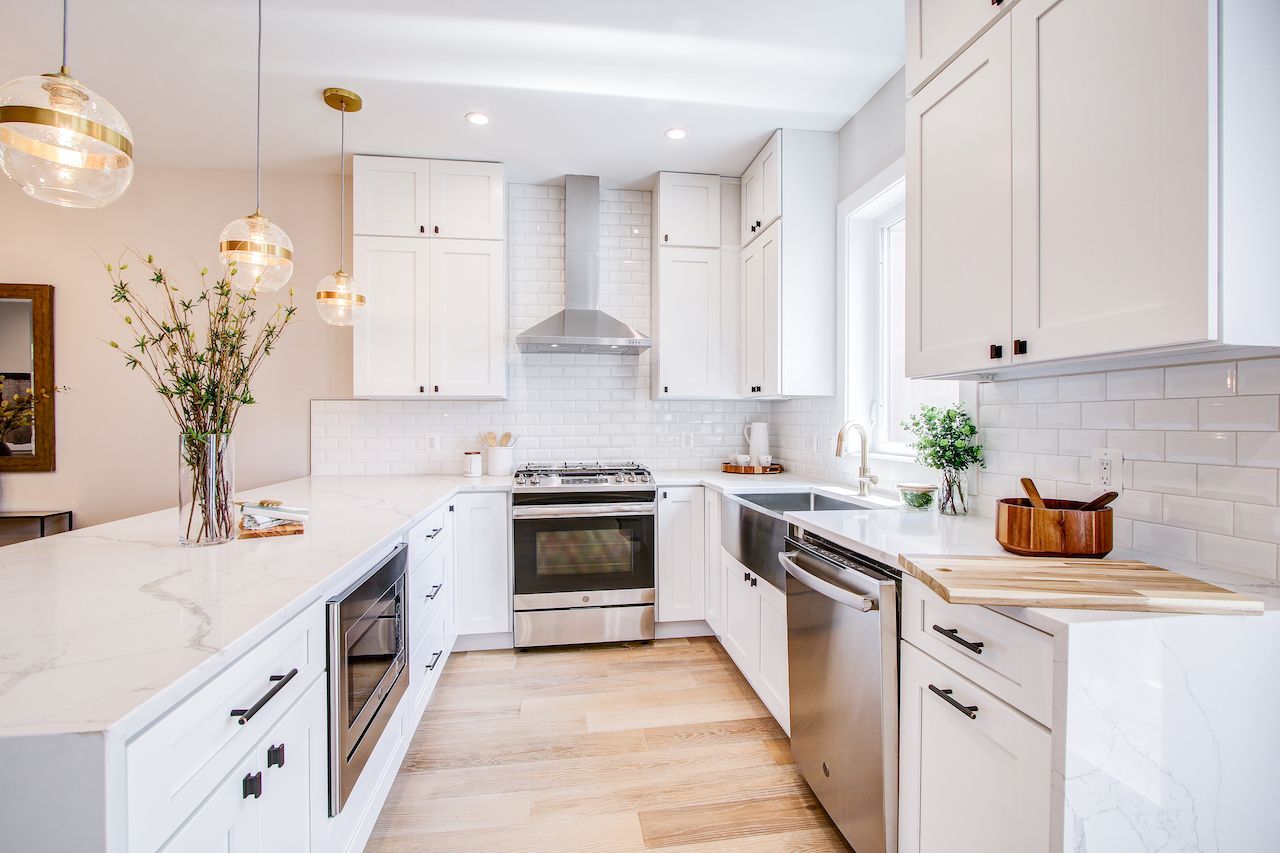
Image Source: kitchenandbathshop.com
Planning Your Small Kitchen Renovation Schedule
Before any hammers swing, meticulous planning is crucial for a successful small kitchen renovation schedule. This phase sets the foundation for the entire project and significantly impacts the overall kitchen update time estimate.
Defining Your Project Scope
The first step is to clearly define what you want to achieve. Are you looking for a cosmetic refresh or a complete gut renovation?
Cosmetic Updates
- Painting: Relatively quick, often a weekend project.
- New Cabinet Hardware: Can be done in a few hours.
- Updating Lighting Fixtures: Usually takes a day.
- Replacing a Faucet or Sink: Typically a half-day job.
Moderate Renovations
- New Cabinet Doors/Drawer Fronts: Can add a few days to a week, depending on installation.
- New Countertops: Installation can take a few days, including template and fabrication time.
- New Backsplash: A few days to a week for installation.
- New Flooring: Depending on the material, this can take 2-5 days.
Full Gut Renovations
- Moving Walls or Changing Layout: This is the most time-consuming aspect, potentially adding weeks.
- New Plumbing and Electrical: Requires significant downtime and professional work.
- All New Cabinets, Countertops, Appliances, Flooring, and Fixtures: This encompasses all the moderate updates and more.
Budgeting for Time and Materials
Your budget directly influences the speed of your remodel. High-end materials and custom pieces often have longer lead times.
Material Lead Times
- Custom Cabinets: Can take 4-12 weeks from order to delivery.
- Special Order Appliances: May require 2-6 weeks.
- Natural Stone Countertops (Granite, Marble): Fabrication and installation can take 1-3 weeks.
- Tiles: Generally readily available, but some unique or imported tiles might have longer wait times.
Choosing Your Contractors
The availability and efficiency of your contractors are paramount.
Contractor Selection Factors
- Reputation and Reviews: Look for experienced professionals with good track records.
- Availability: Popular contractors may have a waiting list. Book them well in advance.
- Specialization: Ensure they have experience with small kitchen remodels.
Creating a Detailed Timeline
A detailed timeline helps manage expectations and keeps the project on track.
Sample Small Kitchen Remodel Timeline
| Phase | Estimated Duration | Key Activities |
|---|---|---|
| Planning & Design | 1-2 Weeks | Define scope, choose materials, get quotes, permits |
| Demolition | 1-3 Days | Removing old cabinets, countertops, flooring, etc. |
| Rough-in Work | 1-2 Weeks | Plumbing, electrical, HVAC adjustments (if any) |
| Cabinetry | 1-3 Weeks | Installation of new cabinets |
| Countertops | 1-2 Weeks | Template, fabrication, and installation |
| Backsplash | 2-5 Days | Tile installation and grouting |
| Flooring | 2-5 Days | Installation of new flooring |
| Painting & Finishing | 1-3 Days | Wall painting, trim work |
| Appliance Installation | 1-2 Days | Hooking up new appliances |
| Fixture Installation | 1-2 Days | Sink, faucet, lighting |
| Final Touches & Cleanup | 1-2 Days | Final inspections, cleaning |
Note: This is a general guideline. The average time for small kitchen remodel can fluctuate significantly.
The Phases of a Small Kitchen Renovation: What to Expect
Each stage of a kitchen renovation contributes to the overall kitchen renovation duration. Here’s a breakdown of what happens during each phase:
Phase 1: Design and Planning
This is where your vision takes shape. It involves making crucial decisions about layout, materials, and finishes. This initial phase is critical for the overall small kitchen remodel timeline.
Layout and Functionality
For small kitchens, maximizing space is key. Consider:
- Work Triangle: The distance between your sink, refrigerator, and stove.
- Cabinet Layout: Optimizing storage with smart solutions like pull-out shelves and corner units.
- Appliance Placement: Ensuring efficient workflow.
Material Selection
Choosing the right materials affects both aesthetics and durability.
- Cabinet Styles: Shaker, slab, raised panel, etc.
- Countertop Materials: Quartz, granite, laminate, solid surface.
- Flooring Options: Tile, vinyl, hardwood, laminate.
- Backsplash Materials: Ceramic tile, glass tile, natural stone.
Getting Permits
Depending on your location and the extent of the remodel, you may need building permits. This can add time to the initial phase.
Phase 2: Demolition
This is the exciting, albeit messy, stage of removing the old to make way for the new. The time to remodel small kitchen often starts here.
Removing Old Elements
- Cabinets: Must be carefully removed, especially if they are salvageable.
- Countertops: Heavy and can be fragile, requiring careful handling.
- Flooring: Can range from easy to difficult depending on the material and adhesive.
- Fixtures and Appliances: Disconnecting plumbing and electrical requires expertise.
Waste Disposal
Proper disposal of debris is essential. Factor in dumpster rental and disposal fees.
Phase 3: Rough-In Work
This phase involves essential structural and utility work before the visible finishes are installed.
Plumbing and Electrical
- Relocating Pipes or Wires: If your new layout requires it, this can add significant time.
- New Outlets or Fixture Points: Electrical work needs to be up to code.
- Water and Drain Lines: Ensuring they are correctly positioned for the new sink and appliances.
HVAC Adjustments
If vents or ductwork need to be moved, this will also fall into the rough-in phase.
Phase 4: Installation of Major Components
This is where your kitchen starts to take shape. The efficiency of this phase heavily influences the kitchen refit duration.
Cabinet Installation
- Custom vs. Stock Cabinets: Custom cabinets take longer to manufacture.
- Wall Leveling: Ensuring cabinets are installed straight is crucial.
Countertop Installation
- Templating: A precise measurement of your cabinets after they are installed.
- Fabrication: Cutting and shaping the countertop material.
- Installation: Sealing and securing the countertops.
Backsplash Installation
- Tile Setting: Applying adhesive and placing tiles.
- Grouting: Filling the gaps between tiles.
- Sealing: Protecting the grout.
Flooring Installation
- Subfloor Preparation: Ensuring a clean and level surface.
- Material Installation: Laying tiles, planks, or sheets.
- Finishing: Applying grout or sealants as needed.
Phase 5: Finishing Touches
The final details bring your kitchen together. This stage contributes to the overall kitchen update timeline.
Appliance Installation
- Plumbing Connections: For dishwashers and refrigerators with ice makers.
- Electrical Connections: For ovens, microwaves, and cooktops.
- Ventilation: Ensuring range hoods are properly installed and vented.
Fixture Installation
- Sink and Faucet: Connecting water supply and drains.
- Lighting: Installing pendant lights, under-cabinet lighting, and ceiling fixtures.
Painting and Trim
- Wall Painting: Adding color and protection to the walls.
- Baseboards and Trim: Finishing the edges where walls meet floors and cabinets.
Final Cleanup and Inspection
- Thorough Cleaning: Removing dust, debris, and protective coverings.
- Punch List: A final walkthrough with your contractor to identify any touch-ups or missed items.
Factors That Can Impact Your Small Kitchen Remodel Timeline
Several variables can extend or shorten the kitchen makeover time. Being aware of these can help you prepare for potential delays.
Material Lead Times and Availability
As mentioned earlier, custom or imported materials can significantly add to your project’s duration. Always confirm lead times before committing.
Contractor Availability and Scheduling
A good contractor is in high demand. If you book them last minute, you might face a longer wait. Also, weather or unexpected personal circumstances can affect their schedule.
Unforeseen Issues
Older homes often hide surprises.
Common Unforeseen Problems
- Structural Damage: Rotting wood, damaged subflooring.
- Plumbing or Electrical Problems: Outdated wiring, corroded pipes.
- Mold or Asbestos: Requiring professional remediation, which adds time and cost.
- Unexpected Wall or Floor Obstructions: Hidden pipes or conduits.
Scope Creep
Changing your mind about certain elements mid-project is a common pitfall. While sometimes necessary, it can delay the small kitchen renovation schedule.
Permit Delays
If your project requires permits, the approval process can sometimes take longer than anticipated.
DIY vs. Professional Work
While DIY can save money, it can also extend the timeline, especially if you lack experience or specialized tools. For tasks like electrical or plumbing, professional help is strongly recommended for safety and compliance.
Estimating the Time to Remodel a Small Kitchen: A Realistic Outlook
So, to reiterate the question, how long does a kitchen renovation take, specifically for a smaller space?
Typical Timelines for Small Kitchens
- Cosmetic Refresh (Paint, Hardware, Minor Fixtures): 1-3 days.
- Moderate Update (New Countertops, Backsplash, Cabinet Refacing): 1-3 weeks.
- Full Gut Remodel (New Layout, Cabinets, Appliances, Flooring): 4-8 weeks.
This small kitchen remodel timeline is an average. Complex projects or those with significant structural changes could take longer.
Factors Speeding Up the Process
- Pre-ordered Materials: Having everything on hand before work begins.
- Clear and Decisive Client: Making choices quickly without hesitation.
- Experienced and Efficient Crew: A well-coordinated team.
- Simple Design: Less complexity means faster execution.
- No Major Structural Changes: Avoiding the need for permits or extensive rework.
Factors Slowing Down the Process
- Material Backorders or Delays: Waiting for specific items.
- Decision Paralysis: Taking too long to choose finishes or layouts.
- Multiple Trades Overlapping: Poor scheduling can lead to downtime.
- Discovering Hidden Problems: Requiring unexpected repairs.
- DIY Mistakes: Needing professional correction.
Maintaining Your Kitchen During the Remodel
Living without a functional kitchen is challenging. Here’s how to cope and keep the project moving smoothly.
Setting Up a Temporary Kitchen
- Designated Area: Set up a space in your dining room or living area.
- Essential Appliances: A microwave, toaster oven, electric kettle, and a mini-fridge can be lifesavers.
- Storage: Use plastic bins for dry goods and essentials.
- Cleaning Station: A bucket with soap and water for dishes.
Communication is Key
Regularly communicate with your contractor about progress, any issues, and upcoming steps. This ensures everyone is on the same page regarding the kitchen update timeline.
Being Present and Available
Be available to answer questions and make decisions promptly. This prevents the kitchen renovation duration from being extended due to your unavailability.
Frequently Asked Questions About Small Kitchen Remodels
Q1: How long does it take to get new kitchen cabinets installed?
Typically, cabinet installation for a small kitchen takes between 3 days to 2 weeks, depending on whether they are stock or custom cabinets, and the complexity of the installation. Custom cabinets will add manufacturing time, which can be several weeks before installation even begins.
Q2: What is the fastest way to remodel a small kitchen?
The fastest way is to focus on cosmetic upgrades like painting, new hardware, and replacing superficial elements like lighting fixtures and faucets. Avoid major structural changes or relocating plumbing and electrical for the quickest results.
Q3: Can a small kitchen remodel be done in a week?
A very minor, cosmetic refresh might be achievable in a week. However, a comprehensive remodel involving new cabinets, countertops, flooring, and appliances will almost certainly take longer.
Q4: How much downtime can I expect for my kitchen?
For a minor refresh, you might have minimal downtime. For a full remodel, expect your kitchen to be unusable for at least 2-8 weeks, so prepare a temporary kitchen setup.
Q5: Who is responsible for obtaining building permits?
Generally, the contractor is responsible for obtaining necessary permits, but it’s crucial to confirm this in your contract. You, as the homeowner, may still need to sign off on certain documents.
Q6: What is the average cost of a small kitchen remodel?
While this guide focuses on time, costs vary widely based on location, materials, and labor. A rough estimate for a small kitchen remodel can range from $15,000 to $40,000 or more. Always get multiple quotes.
Q7: When should I start ordering materials for my kitchen remodel?
It’s best to order long-lead-time items like custom cabinets and special-order appliances 2-3 months before your planned start date to ensure they arrive on time and avoid delaying the small kitchen remodel timeline.
Q8: How long does it take to get countertops installed?
After templating, countertop fabrication typically takes 1-3 weeks, with installation usually taking 1-2 days.
By carefully planning, communicating with your team, and being prepared for potential hiccups, you can navigate the kitchen update time estimate effectively and enjoy your beautifully redone small kitchen sooner rather than later. The time to remodel small kitchen is a commitment, but with the right approach, it can be a smooth and rewarding process.