
Can I get rid of tiny ants in my kitchen fast? Yes, you can! Swift action combined with effective methods will help you banish those tiny invaders.
Tiny ants, often identified as small black ants, can quickly turn a clean kitchen into a battleground. Their ability to infiltrate even the smallest cracks and crevices means that a persistent ant infestation can be a frustrating and ongoing problem. This comprehensive guide will equip you with the knowledge and practical steps to achieve effective kitchen ant control, from immediate solutions to long-term deterring ants strategies. We’ll explore a range of options, including potent ant killer products, gentle natural ant remedies, and clever DIY ant solutions. Get ready to reclaim your kitchen and start eliminating ants with confidence.
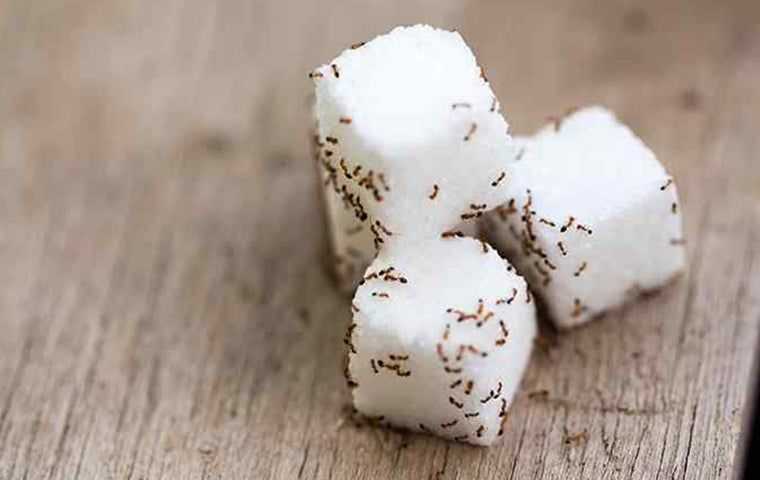
Image Source: www.nativepestmanagement.com
Pinpointing the Ant’s Entry and Attraction
Before you can effectively tackle an ant infestation, it’s crucial to understand why they are there in the first place. Ants are typically attracted to food sources and water. Your kitchen, with its abundance of both, is an ideal habitat for them.
Common Ant Attractants in the Kitchen
- Sweet Substances: Sugar, syrup, honey, jam, fruit juice, and even crumbs from cookies or cakes are irresistible to ants.
- Greasy Foods: Leftover grease from cooking, spills on countertops, or unwashed dishes can also draw ants.
- Water Sources: Leaky faucets, condensation under sinks, or even a damp sponge can provide essential hydration.
- Pet Food: Unattended pet food bowls are a goldmine for foraging ants.
- Trash Cans: Food scraps in an open trash can are a primary attraction.
Identifying Entry Points
Ants are incredibly small and can squeeze through remarkably tiny openings. Common entry points include:
- Cracks in Walls and Floors: Even hairline fractures can be highways for ants.
- Gaps Around Windows and Doors: Seals that have deteriorated can allow ants to enter.
- Vents and Pipes: These can serve as pathways from the outdoors.
- Pet Doors: If you have pets, their doors can be an easy entry point.
Immediate Actions for Quick Ant Elimination
When you spot those first few small black ants marching across your counter, immediate action is key to prevent a full-blown ant infestation. These steps will help you gain initial control.
The Power of Cleaning for Ants
A thorough cleaning is your first line of defense and a vital part of kitchen ant control. Ants leave scent trails, called pheromone trails, that other ants follow. Cleaning disrupts these trails.
Essential Cleaning Steps:
- Wipe Down Surfaces: Use a soapy cloth or an all-purpose cleaner to wipe down all countertops, tables, and stovetops. Pay special attention to any sticky residues or spills.
- Clean the Floor: Sweep or vacuum the kitchen floor to remove crumbs and debris. Then, mop the floor, focusing on areas where you’ve seen ants.
- Address the Trash: Empty your kitchen trash can and rinse it out. Ensure the lid fits snugly.
- Wash Dishes Promptly: Don’t leave dirty dishes in the sink. Wash them immediately after use, as they can be a significant food source.
- Check for Spills: Look for any hidden spills in pantries, under appliances, or behind furniture.
Disrupting Ant Trails
As mentioned, ants rely on scent trails. Disrupting these trails is a crucial DIY ant solution.
Simple Trail Disruptors:
- Vinegar Solution: Mix equal parts white vinegar and water in a spray bottle. Spray this solution directly onto ant trails and wipe them up. The strong smell of vinegar confuses ants and erases their scent markers.
- Soapy Water: A mixture of dish soap and water in a spray bottle can also be effective. Spray it on ants to kill them on contact and wipe down surfaces to remove trails. The soap breaks down the ants’ exoskeletons.
Effective Ant Killer Strategies
Sometimes, simple cleaning isn’t enough to manage an ant infestation. You may need to employ more targeted ant killer methods.
Understanding Different Ant Killer Types
It’s important to choose the right ant killer for your situation. There are various options available, each with its own mechanism of action.
Chemical Ant Killers:
- Ant Baits: These are highly effective for eliminating ants as they work on a delayed-action principle. The ants consume the bait (which contains a slow-acting poison mixed with an attractant) and carry it back to the colony, where it can kill the queen and other ants. Place ant traps strategically near ant trails, but out of reach of children and pets.
- Sprays: Ant killer sprays offer a quick knockdown effect, killing ants on contact. However, they don’t typically address the colony itself and can sometimes scatter ants, making the problem harder to track. Use these for immediate surface-level control.
- Powders/Dusts: Ant powders can be applied to cracks, crevices, and entry points where ants travel. They work by clinging to the ants’ bodies, which they then ingest while grooming, leading to poisoning.
Natural Ant Remedies:
For those who prefer a less chemical approach, several natural ant remedies can be highly effective in kitchen ant control.
Popular Natural Ant Remedies:
- Diatomaceous Earth (Food Grade): This is a fine powder made from fossilized aquatic organisms. It works by scratching the ants’ exoskeletons, causing them to dehydrate and die. Sprinkle food-grade diatomaceous earth in areas where ants are seen, such as along baseboards, windowsills, and entry points. Be sure to use food-grade, as other types can be harmful if inhaled.
- Borax and Sugar Mixture: Borax is a natural mineral that is toxic to ants. Mix one part borax with three parts sugar (or honey or syrup) and a little water to create a paste. Place small amounts of this bait on pieces of cardboard or in shallow containers near ant trails. The ants are attracted to the sugar, ingest the borax, and carry it back to the colony. Caution: Borax can be harmful if ingested by pets or children, so place it with extreme care.
- Essential Oils: Certain essential oils, such as peppermint, tea tree, lavender, and eucalyptus, can act as ant repellents. Mix a few drops of your chosen oil with water in a spray bottle and mist around entry points and known ant pathways. The strong scent confuses and deters them.
- Cinnamon: Ants dislike the strong smell of cinnamon. Sprinkle ground cinnamon or place cinnamon sticks near entry points or along ant trails to deter them.
- Coffee Grounds: Used coffee grounds can also act as a repellent. Sprinkle them around the exterior of your home or near potential entry points.
Advanced Strategies for Eliminating Ants Permanently
Once you have immediate control, it’s time to focus on long-term solutions to prevent future ant infestations and achieve lasting kitchen ant control.
The Importance of Ant Traps
Ant traps are a cornerstone of effective kitchen ant control, particularly for targeting the entire colony. They are designed to lure ants, allowing them to carry the poisoned bait back to their nest.
Choosing and Placing Ant Traps
- Bait Type: Look for bait stations that are specifically designed for the type of ants you have. Sweet-based baits are generally effective for most common kitchen ants.
- Placement: Position ant traps along ant trails, near suspected entry points, and in areas where you frequently see ants. Avoid spraying insecticides near bait stations, as this can deter ants from reaching the bait.
- Patience is Key: Ant baits work over time. You may see an increase in ant activity initially as they are drawn to the bait. Resist the urge to kill them; allow them to take the bait back to the colony.
Sealing Entry Points
A proactive approach to deterring ants involves physically blocking their access to your kitchen.
Sealing Methods:
- Caulking: Use caulk to seal any cracks or gaps around windows, doors, baseboards, and pipes.
- Weatherstripping: Ensure weatherstripping around doors and windows is in good condition.
- Screens: Repair any holes in window or door screens.
Sanitation as a Long-Term Solution
Consistent and thorough sanitation is paramount for deterring ants and preventing future ant infestations.
Maintaining a Pristine Kitchen:
- Regular Deep Cleaning: Schedule regular deep cleaning sessions for your kitchen, including the pantry, under appliances, and inside cabinets.
- Food Storage: Store all food, especially sugar, honey, and cereals, in airtight containers. This includes pet food.
- Countertop Cleanliness: Wipe down countertops daily to remove any crumbs or sticky residue.
- Floors: Sweep and mop floors daily, especially after meals.
- Sink Maintenance: Keep your sink dry and free of standing water.
Troubleshooting Common Ant Problems
Even with the best efforts, you might encounter specific challenges in your kitchen ant control journey.
Dealing with Persistent Ant Trails
If you’ve cleaned and used repellents, but ants continue to follow faint trails, repeat the cleaning process with your chosen disruptor (vinegar or soapy water). You might need to use a more potent ant killer like bait stations if the problem persists.
Ants in Pantries and Cabinets
- Empty and Inspect: Completely empty your pantry and cabinets.
- Clean Thoroughly: Wipe down all shelves and surfaces with a vinegar or soapy water solution.
- Airtight Storage: Ensure all food items are in airtight containers.
- Baits: Place ant traps in discreet locations within the pantry or cabinets, away from direct contact with food.
Ants Outside the Kitchen
Ants often originate from outside your home.
Outdoor Ant Control:
- Identify Nests: Try to locate ant nests outside your home.
- Outdoor Baits: Use outdoor-specific ant baits or granules to target nests.
- Trim Vegetation: Trim back bushes and branches that touch your house, as these can serve as bridges for ants.
- Eliminate Water Sources: Fix leaky outdoor faucets or other water sources that might attract ants.
Frequently Asked Questions About Tiny Ants
Q1: How can I quickly get rid of ants in my kitchen?
A: For fast results, clean all surfaces thoroughly with a vinegar and water solution to disrupt scent trails. Then, strategically place ant bait stations, as these target the colony over time.
Q2: Are natural ant remedies as effective as chemical ant killers?
A: Natural remedies can be very effective, especially for minor infestations or as a preventative measure. However, for severe ant infestations, chemical ant killer products, particularly baits that target the colony, may be more efficient for complete eliminating ants.
Q3: What is the best way to deter ants from coming back?
A: Consistent sanitation is key. Keep your kitchen clean, store food in airtight containers, and seal any entry points ants might use. Regularly using natural ant remedies like essential oils can also help in deterring ants.
Q4: Can I use ant traps inside my kitchen cabinets?
A: Yes, you can place ant traps inside kitchen cabinets, but ensure they are out of reach of children and pets and not in direct contact with food items.
Q5: Why do I keep seeing new ants even after cleaning?
A: Ants are persistent. You might be cleaning the foraging ants, but the colony and queen are still active. You may need to use baits to eliminate the source or continue cleaning for ants and sealing entry points.
By implementing these strategies, you can effectively tackle small black ants and achieve lasting kitchen ant control, ensuring your kitchen remains a clean and ant-free zone.