
How much do new kitchen countertops cost? The cost of new kitchen countertops can vary significantly, typically ranging from $1,500 to $7,000 or more, depending on the material, size of your kitchen, edge profiles, fabrication, and installation.
Replacing your kitchen countertops is a significant decision that impacts both the functionality and the aesthetic appeal of your home. Beyond the initial cost of the material itself, many factors contribute to the overall expense, making it crucial to have a thorough understanding before you embark on this project. This guide aims to demystify kitchen countertop prices, providing you with the information needed to make informed choices and manage your kitchen remodel countertop budget effectively. We’ll delve into the various materials, explore the contributing cost factors, and offer insights into how to get the best value for your investment.
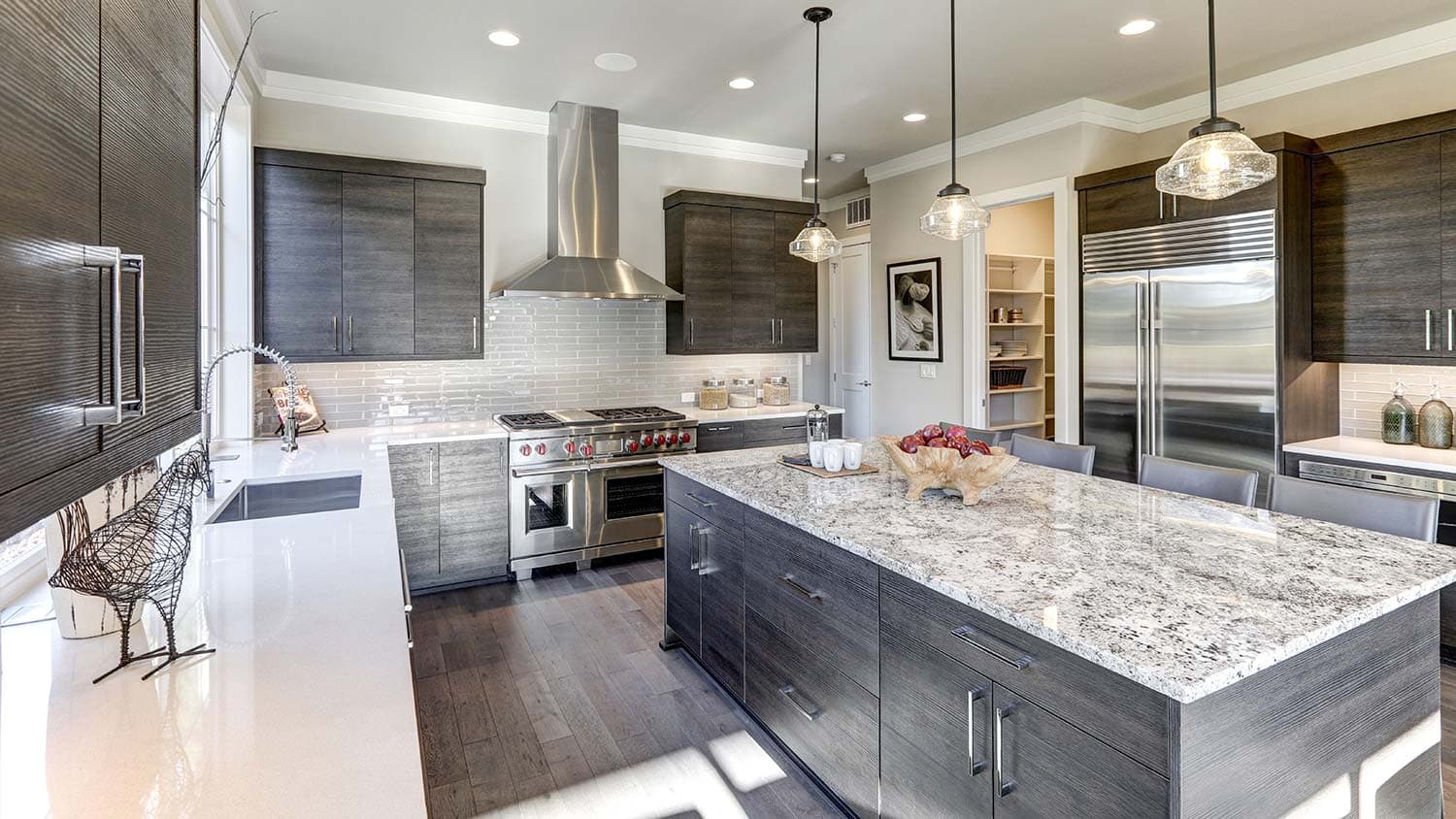
Image Source: media.angi.com
Deciphering Countertop Material Pricing
The heart of your countertop cost lies in the material you choose. Each material offers a unique blend of durability, beauty, and price. Let’s break down the most popular options and their typical countertop material pricing.
Granite Countertop Cost
Granite remains a perennial favorite for kitchen countertops due to its natural beauty, exceptional durability, and heat resistance.
What influences granite countertop cost?
- Type of Granite: Exotic or rare granite patterns and colors will naturally command higher prices than more common varieties.
- Thickness: Standard granite slabs are typically 3cm (about 1.2 inches) thick. Thicker slabs (e.g., 4cm or 2 inches) will cost more.
- Edge Profiles: Simple eased or straight edges are the most budget-friendly. More elaborate profiles like bullnose, ogee, or stacked edges add to the fabrication cost.
- Fabrication and Installation: The complexity of your kitchen layout, the number of seams required, and the installer’s expertise all play a role.
Average Granite Countertop Cost: Expect to pay between $50 to $200 per square foot, including installation. This means a 30-square-foot kitchen could range from $1,500 to $6,000.
Quartz Countertop Cost
Quartz countertops, also known as engineered stone, are made from crushed quartz crystals bound together with polymer resins and pigments. They offer a consistent appearance, superior stain resistance, and are non-porous, making them highly hygienic.
What influences quartz countertop cost?
- Brand and Design: High-end brands and intricate, realistic marble or concrete-look designs can be more expensive.
- Thickness: Similar to granite, quartz is often available in 2cm and 3cm thicknesses, with 3cm being more common and durable.
- Edge Profiles: The same principles apply as with granite – simpler edges are cheaper.
- Fabrication and Installation: Complex shapes, cutouts for sinks and cooktops, and the number of seams impact the final price.
Average Quartz Countertop Cost: Quartz generally falls within the $60 to $250 per square foot range, including installation. For a 30-square-foot kitchen, this translates to $1,800 to $7,500.
Marble Countertop Price
Marble is the epitome of luxury and elegance, known for its distinctive veining and soft, classic look. However, it is also a softer, more porous stone than granite or quartz, requiring more careful maintenance.
What influences marble countertop price?
- Type of Marble: Different marble quarries yield stones with varying patterns, colors, and veining, affecting the price. Carrara marble is generally more affordable than Calacatta or Statuario.
- Thickness and Finish: Standard thickness and polished finishes are common, but honed or leathered finishes might incur additional fabrication costs.
- Edge Profiles: Custom edge profiles will increase the cost.
- Fabrication and Installation: Marble is more brittle than granite, requiring skilled fabricators and installers to prevent chipping or breakage, which can add to the labor cost.
Average Marble Countertop Price: Marble countertops can range from $70 to $250+ per square foot, installed. A 30-square-foot kitchen could cost anywhere from $2,100 to $7,500+.
Laminate Countertop Cost
Laminate countertops are a budget-friendly option, offering a wide array of colors, patterns, and textures, including realistic stone and wood looks. They are made by bonding layers of plastic laminate to particleboard or MDF.
What influences laminate countertop cost?
- Design and Brand: Higher-definition prints and premium brands will be more expensive.
- Edge Treatment: Straight, post-formed edges are standard and cost-effective. Specialty edges will add to the price.
- Construction: The quality of the substrate (particleboard vs. MDF) and the thickness of the laminate can influence durability and cost.
- Installation: While often DIY-friendly for basic setups, professional installation ensures a clean finish, especially for more complex layouts.
Average Laminate Countertop Cost: Laminate countertops are the most affordable, typically costing $20 to $60 per square foot, installed. For a 30-square-foot kitchen, this could be $600 to $1,800.
Butcher Block Countertop Cost
Butcher block countertops, made from solid wood, bring warmth and a natural aesthetic to the kitchen. They are ideal for those who enjoy a rustic or farmhouse look.
What influences butcher block countertop cost?
- Wood Species: Hardwoods like maple, oak, and walnut are more expensive than softer woods. Exotic woods will be even pricier.
- Grain Pattern: Edge grain is the most common and affordable. Long-grain (plank style) and end-grain patterns are more elaborate and costly.
- Thickness and Finish: Standard thicknesses are common, but custom thicknesses and specialized finishes can increase the price.
- Installation: While installation can be straightforward, professional fitting and sealing are recommended for longevity.
Average Butcher Block Countertop Cost: Butcher block can range from $30 to $150 per square foot, installed. For a 30-square-foot kitchen, the average kitchen countertop expense might be $900 to $4,500.
Other Popular Countertop Materials
- Solid Surface (e.g., Corian): A composite material that is seamless and non-porous. Costs typically range from $50 to $150 per square foot, installed.
- Stainless Steel: Durable, hygienic, and modern, but prone to scratches. Prices are usually between $75 to $200 per square foot, installed.
- Concrete: Highly customizable but requires professional sealing and can be prone to staining and cracking. Costs can range from $75 to $200+ per square foot, installed.
- Soapstone: A natural, dense stone that is non-porous and develops a patina over time. Prices are often $70 to $150 per square foot, installed.
- Recycled Glass: An eco-friendly option with unique aesthetics. Expect prices from $80 to $200 per square foot, installed.
Factors Affecting the Cost to Replace Kitchen Counters
Beyond the material itself, several other elements contribute to the final price when you cost to replace kitchen counters. Understanding these can help you budget more accurately.
Fabrication and Edge Details
The way your countertop is cut, shaped, and finished significantly impacts the cost.
- Cutouts: The number and complexity of cutouts for sinks, faucets, cooktops, and soap dispensers will add to the fabrication time and cost.
- Edge Profiles: As mentioned earlier, simple edges are standard and less expensive. More intricate designs like Ogee, Bullnose, Waterfall, or DuPont edges require more labor and specialized tools.
- Seams: The fewer seams required, the better. Complex kitchen layouts might necessitate more seams, which adds to fabrication and installation costs. Precision is key to minimize visible seams.
- Backsplashes: If you opt for a matching backsplash made from the same material, this will be an additional cost, calculated per square foot or linear foot.
Removal of Old Countertops
The cost to replace kitchen counters often includes the removal and disposal of your existing countertops.
- Type of Existing Countertop: Removing heavy materials like granite or solid stone can be more labor-intensive and thus more expensive than removing laminate.
- Complexity of Removal: If the old countertops are glued down extensively or integrated with cabinetry in a complex way, removal can take longer and increase labor costs.
- Disposal Fees: Most installers will charge a fee for hauling away and disposing of the old materials.
Installation Complexity
The actual installation process can vary in difficulty, affecting the overall price.
- Kitchen Layout: Islands, peninsulas, and kitchens with many corners or curves will require more precise cutting and fitting, increasing installation time and cost.
- Cabinetry: The condition and levelness of your existing cabinetry are crucial. If cabinets are uneven, installers may need to make adjustments to ensure a level countertop surface, which can add to the labor cost.
- Access: Difficult access to the kitchen, such as narrow doorways or multiple flights of stairs, can increase labor time and cost.
- Plumbing and Electrical: While most installers focus on the countertops, if significant plumbing or electrical work is needed to accommodate new sink installations or appliance placements, this may incur separate charges from specialized professionals.
Sink and Faucet Integration
The type of sink you choose and how it integrates with the countertop can also influence cost.
- Undermount vs. Drop-in Sinks: Undermount sinks require more precise edge finishing and fabrication around the opening, making them typically more expensive than drop-in sinks.
- Sink Material: The material of the sink itself (e.g., stainless steel, composite, fireclay) will have its own cost, and the cutout process might vary slightly depending on the sink’s dimensions and material.
- Faucet Placement: The number and placement of faucet holes need to be coordinated during fabrication.
Additional Features and Upgrades
Beyond the basic countertop, you might consider upgrades.
- Sink Cutout Reinforcement: For heavy sinks like fireclay or certain stone sinks, reinforcement may be needed, adding a small cost.
- Custom Features: Built-in drainboards, integrated cutting boards, or special lighting features will increase the overall price.
- Sealing: While some materials like quartz are non-porous, natural stones like granite, marble, and soapstone require sealing to prevent staining. This is often included in the installation price, but it’s worth confirming.
Budgeting for Your Kitchen Countertop Project
Creating a realistic kitchen remodel countertop budget is essential. Here’s a breakdown to help you allocate funds effectively.
Estimating Your Square Footage
The first step is accurately measuring your kitchen’s countertop surface area.
- Measure Length and Width: For each countertop section, measure the length and width in inches.
- Calculate Area: Multiply length by width to get the area in square inches. Convert this to square feet by dividing by 144.
- Account for Overhangs: Add a few inches to your measurements for typical overhangs on cabinets and islands.
- Include Vertical Surfaces: If you’re extending the countertop material up the wall for a backsplash, measure those areas as well.
A simple way to estimate is to use an online calculator or sketch your kitchen layout and mark the dimensions. It’s always a good idea to add a small buffer (5-10%) for waste and potential adjustments.
Sample Budget Allocation (for a 30 sq. ft. Kitchen)
Let’s consider a hypothetical 30-square-foot kitchen renovation and see how different material choices might impact the budget.
| Cost Component | Granite ($100/sq. ft.) | Quartz ($150/sq. ft.) | Laminate ($40/sq. ft.) | Butcher Block ($70/sq. ft.) |
|---|---|---|---|---|
| Material (30 sq. ft.) | $3,000 | $4,500 | $1,200 | $2,100 |
| Fabrication & Edge Profile | $500 | $750 | $100 | $200 |
| Sink Cutout | $200 | $250 | $50 | $100 |
| Old Countertop Removal/Disposal | $300 | $300 | $200 | $250 |
| Installation Labor | $800 | $1,200 | $400 | $500 |
| Total Estimated Cost | $4,800 | $6,000 | $1,950 | $3,150 |
Note: These are estimates and can vary widely based on location, specific choices, and installer. Sink and faucet costs are not included.
Getting Quotes and Comparing Prices
To ensure you get the best deal, it’s essential to get multiple quotes from different suppliers and fabricators.
- Be Specific: When requesting quotes, provide detailed information about the material you want, the square footage, the desired edge profile, and any specific features (like sink cutouts).
- Ask for Itemized Quotes: This allows you to see exactly what you’re paying for – material, fabrication, installation, removal, etc.
- Check Reviews and References: Look for installers with good reputations and positive customer feedback.
- Don’t Just Choose the Cheapest: While price is important, quality of craftsmanship and customer service are equally vital for a long-lasting and beautiful result.
Maximizing Value and Longevity
Choosing the right countertop is an investment. Here’s how to ensure you get the best value and enjoy your new surfaces for years to come.
Durability and Maintenance
Consider how much wear and tear your countertops will endure and your willingness to maintain them.
- High Traffic vs. Light Use: For busy kitchens with frequent cooking, granite or quartz are excellent choices due to their durability and resistance to scratches and heat.
- Maintenance Commitment: Marble and butcher block require more diligent care. Marble needs regular sealing and immediate cleanup of spills to prevent etching and staining. Butcher block needs regular oiling and can be susceptible to water damage if not properly maintained.
Resale Value
Countertops can significantly impact your home’s resale value.
- Timeless Appeal: Materials like granite and quartz in neutral colors tend to have broad appeal and add to a home’s marketability.
- Aesthetic Trends: While trendy colors or patterns can be appealing now, consider how they might look to potential buyers in the future. Classic choices often have better long-term resale impact.
Warranty Information
Always inquire about the warranty provided by the manufacturer and the installer.
- Material Warranty: Many quartz manufacturers offer lifetime warranties against manufacturing defects. Granite and other natural stones may have limited warranties on the material itself, often covering fabrication flaws.
- Installation Warranty: A reputable installer will offer a warranty on their workmanship, covering issues like poor seams, leveling problems, or damage during installation.
Frequently Asked Questions About Kitchen Countertop Costs
Q1: What is the cheapest material for kitchen countertops?
Laminate countertops are generally the most affordable option, with prices starting as low as $20 per square foot, installed.
Q2: Can I save money by installing countertops myself?
For some materials like laminate, DIY installation might be feasible if you have the right tools and skills. However, for natural stones like granite and marble, professional installation is highly recommended due to the weight, fragility, and precision required for cutting and fitting. Incorrect installation can lead to costly damage.
Q3: How much does it cost to replace just the countertop and not the cabinets?
The cost to replace just the countertop will be primarily the material, fabrication, and installation costs. You’ll still need to factor in the removal and disposal of the old countertops. Cabinet replacement significantly increases overall kitchen remodel costs.
Q4: What is the average kitchen countertop expense for a medium-sized kitchen?
For a medium-sized kitchen (around 30-40 square feet), the average kitchen countertop expense can range from $1,500 for laminate to $6,000-$8,000 for mid-range granite or quartz, and upwards for premium materials or complex designs.
Q5: Is it worth it to pay more for quartz over granite?
Quartz is generally more durable, less porous, and requires less maintenance than granite, making it easier to care for. While it might have a higher initial cost, its longevity and ease of maintenance can make it a worthwhile investment for many homeowners. Granite offers unique natural beauty that quartz aims to replicate, and its heat resistance is often considered superior. The choice often comes down to personal preference, desired maintenance level, and budget.
Q6: How do I calculate the cost of kitchen countertops if I have an island?
An island is often treated as a separate countertop area. You’ll need to measure its length and width accurately, just as you would for your main countertops, and add that square footage to your total. Islands can sometimes increase the overall cost due to potentially more complex edge details or the need for a single, large slab to avoid seams.
By carefully considering the material options, understanding the factors that influence pricing, and planning your budget meticulously, you can confidently select and install new kitchen countertops that enhance both the beauty and functionality of your home.